145 kr
Skickas inom 5-8 vardagar
145 kr
Skickas inom 5-8 vardagar
60 kr
Läs direkt efter köp
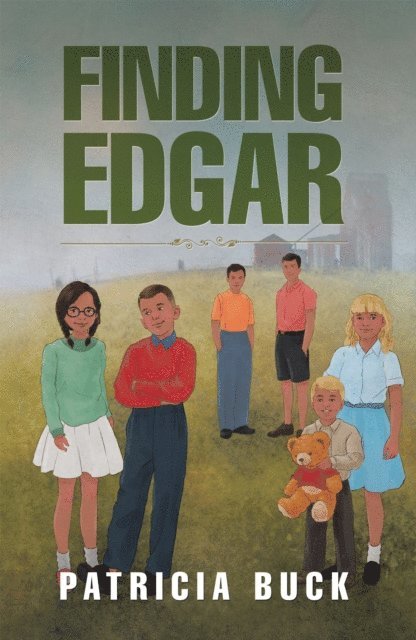
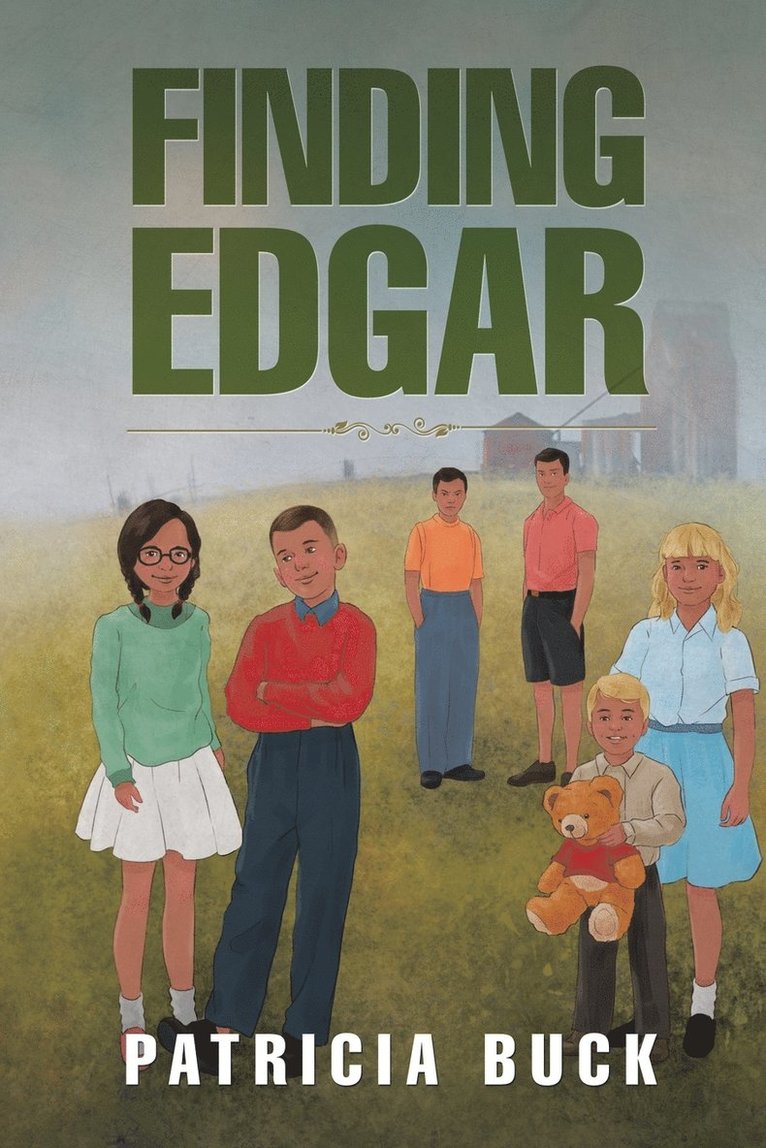
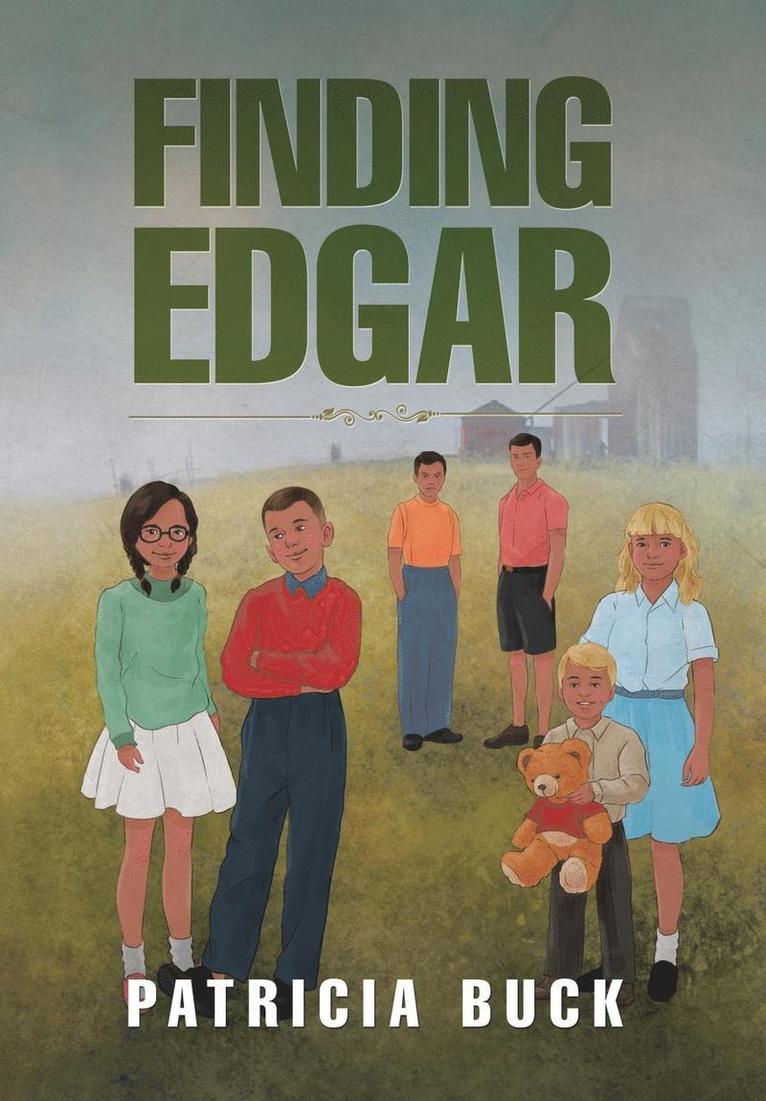
In September of 1952, in small-town McFarland, North Dakota, Annie Clausen (the twelve-year-old daughter of the Farmers'' Union store manager) doesn''t know how good she has it. Annie is pretty sure her loving and hardworking parents expect way too much of her. Her mother''s lists of chores take precedence over fun, and the math teacher seems to relish picking on her and her best friend, next-door neighbor, Bobby Merritt. A couple of bullies add to her list of problems.
Meanwhile, Rosie Stample takes care of her little brother, Edgar, and doesn''t realize how bad their life is going to get. Rosie''s mother, who has suffered a horrific shock, has been hospitalized in Minnesota''s state mental institution for the last two years. Her father brought his children to McFarland to live because he has found work nearby with a prosperous farmer, Herbert Sloven. Besides caring for Edgar, Rosie tries to do the laundry, cooking, cleaning, and still get to school, while her older brothers manage to bully and alienate everyone. Her father has started drinking again, and the news about her mother''s progress gets worse.
Neither girl could have predicted the changes that were to come.
273 kr
Skickas inom 5-8 vardagar
401 kr
Skickas inom 5-8 vardagar
401 kr
Skickas inom 5-8 vardagar
273 kr
Skickas inom 5-8 vardagar
60 kr
Läs direkt efter köp
681 kr
Skickas inom 5-8 vardagar
1 153 kr
Skickas inom 5-8 vardagar
485 kr
Läs direkt efter köp
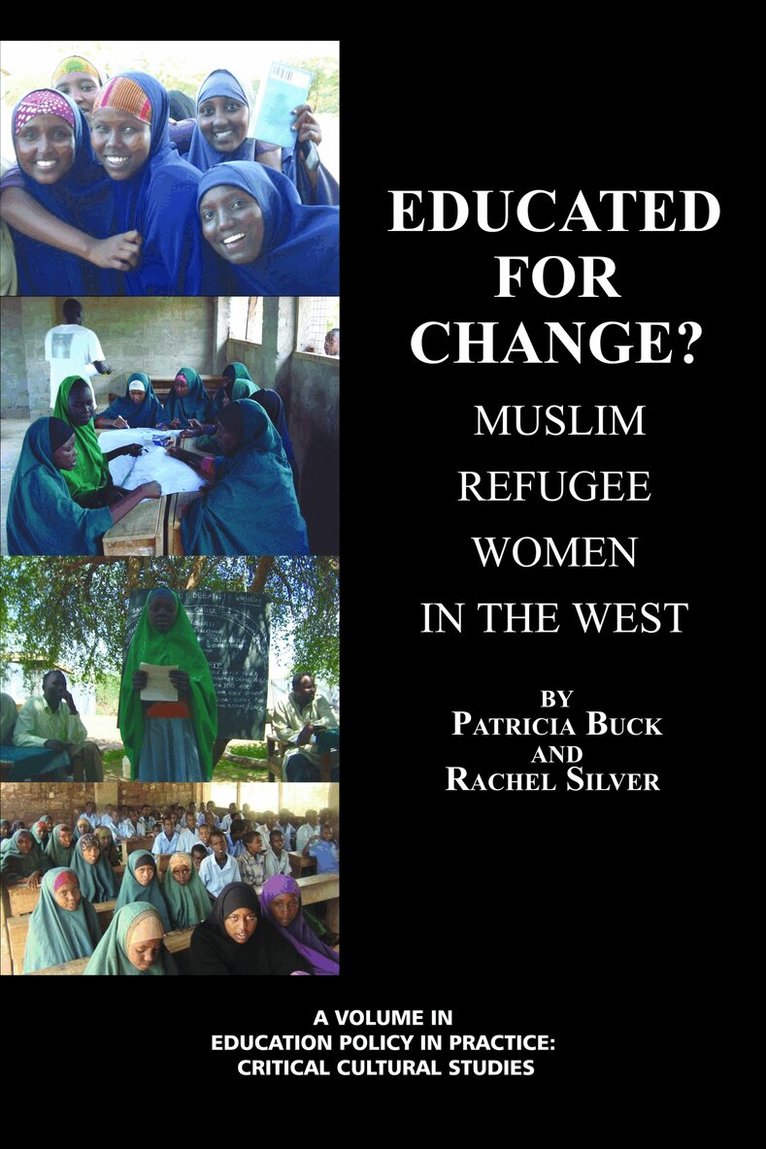
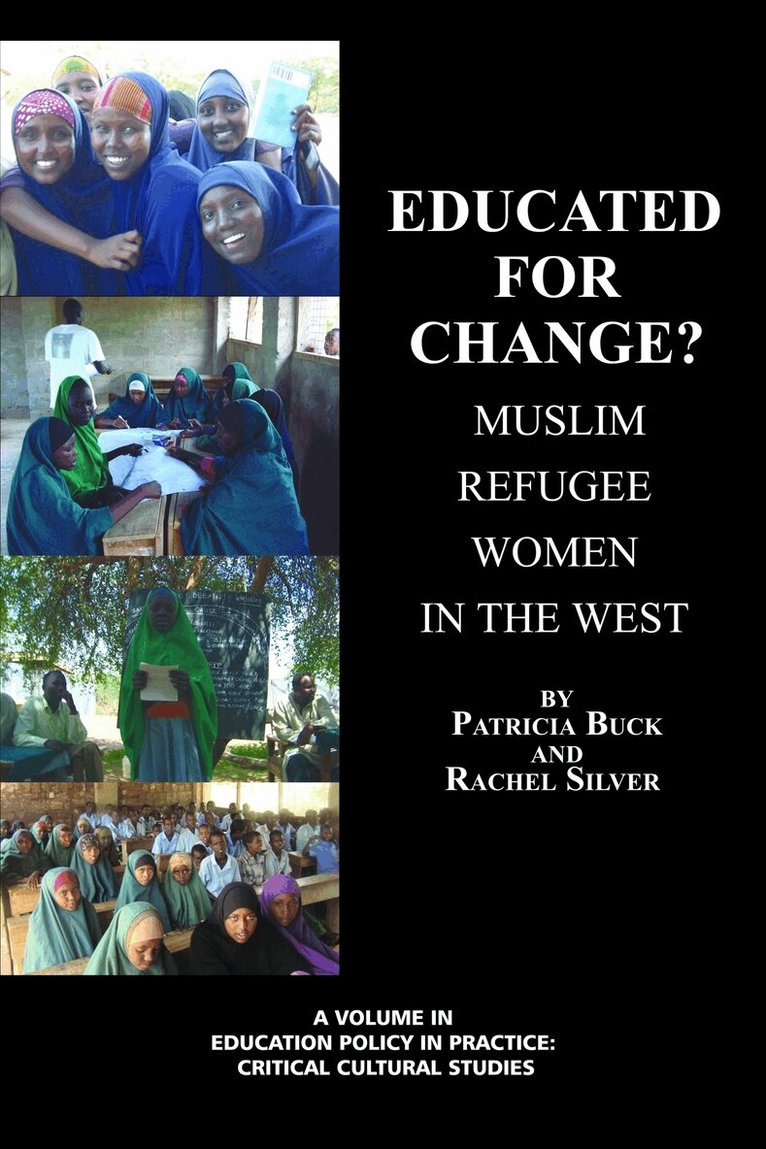
Educated for Change?: Muslim Women in the West inserts Muslim women’s voice and action into the bifurcated, and otherwise male dominated, relations between the West and the Islamic East. A multilayered, multisite, educational ethnography, Buck and Silver’s study takes a novel approach to its feminist charge. Drawing upon thick description of refugee women’s school experiences in two seemingly distinct locations, Educated for Change? engages the dual nature of schooling as at once a disciplinary apparatus of local, national, and international governance, and paradoxically, a space and process through which school community members wield the power to observe, deliberate, and act as agents in the creative and willful endeavor of living. In doing so, the text locates formal schooling as a key location at which one can witness the politics of cultural change that emerge when Western and Islamic communities converge.
Following an initial introduction to the ethno-historical formation and dissolution of the Somali postcolonial state resulting in a prolonged exodus of Somali citizens, the text is divided into two parts. Part One features an examination of young women’s approaches to schooling in the Dadaab refugee camps of northeastern Kenya; Part Two looks at schooling among Somali women resettled in a northern region of the United States. Each part includes a description of the unique, if interconnected, local factors and policies that give rise to particular forms and ends of schooling as designed for refugee women. Several chapters depict women’s strategic use of schooling to respond to structural forces, build intercultural social networks, and negotiate new ways of being Somali women.
Educated for Change? concludes with an analysis of the implications of Somali refugee women’s schooling experiences for working definitions of global social justice that undergird feminist political scholarship and gender-sensitive, humanitarian aid policy and practice.
727 kr
Läs direkt efter köp
145 kr
Skickas inom 5-8 vardagar
60 kr
Läs direkt efter köp
In September of 1952, in small-town McFarland, North Dakota, Annie Clausen (the twelve-year-old daughter of the Farmers'' Union store manager) doesn''t know how good she has it. Annie is pretty sure her loving and hardworking parents expect way too much of her. Her mother''s lists of chores take precedence over fun, and the math teacher seems to relish picking on her and her best friend, next-door neighbor, Bobby Merritt. A couple of bullies add to her list of problems.
Meanwhile, Rosie Stample takes care of her little brother, Edgar, and doesn''t realize how bad their life is going to get. Rosie''s mother, who has suffered a horrific shock, has been hospitalized in Minnesota''s state mental institution for the last two years. Her father brought his children to McFarland to live because he has found work nearby with a prosperous farmer, Herbert Sloven. Besides caring for Edgar, Rosie tries to do the laundry, cooking, cleaning, and still get to school, while her older brothers manage to bully and alienate everyone. Her father has started drinking again, and the news about her mother''s progress gets worse.
Neither girl could have predicted the changes that were to come.
273 kr
Skickas inom 5-8 vardagar
401 kr
Skickas inom 5-8 vardagar
401 kr
Skickas inom 5-8 vardagar
273 kr
Skickas inom 5-8 vardagar
60 kr
Läs direkt efter köp
681 kr
Skickas inom 5-8 vardagar
1 153 kr
Skickas inom 5-8 vardagar
485 kr
Läs direkt efter köp
Educated for Change?: Muslim Women in the West inserts Muslim women’s voice and action into the bifurcated, and otherwise male dominated, relations between the West and the Islamic East. A multilayered, multisite, educational ethnography, Buck and Silver’s study takes a novel approach to its feminist charge. Drawing upon thick description of refugee women’s school experiences in two seemingly distinct locations, Educated for Change? engages the dual nature of schooling as at once a disciplinary apparatus of local, national, and international governance, and paradoxically, a space and process through which school community members wield the power to observe, deliberate, and act as agents in the creative and willful endeavor of living. In doing so, the text locates formal schooling as a key location at which one can witness the politics of cultural change that emerge when Western and Islamic communities converge.
Following an initial introduction to the ethno-historical formation and dissolution of the Somali postcolonial state resulting in a prolonged exodus of Somali citizens, the text is divided into two parts. Part One features an examination of young women’s approaches to schooling in the Dadaab refugee camps of northeastern Kenya; Part Two looks at schooling among Somali women resettled in a northern region of the United States. Each part includes a description of the unique, if interconnected, local factors and policies that give rise to particular forms and ends of schooling as designed for refugee women. Several chapters depict women’s strategic use of schooling to respond to structural forces, build intercultural social networks, and negotiate new ways of being Somali women.
Educated for Change? concludes with an analysis of the implications of Somali refugee women’s schooling experiences for working definitions of global social justice that undergird feminist political scholarship and gender-sensitive, humanitarian aid policy and practice.
727 kr
Läs direkt efter köp