Patricia C. Franks - Böcker
Visar alla böcker från författaren Patricia C. Franks. Handla med fri frakt och snabb leverans.
12 produkter
12 produkter
1 807 kr
Skickas inom 10-15 vardagar
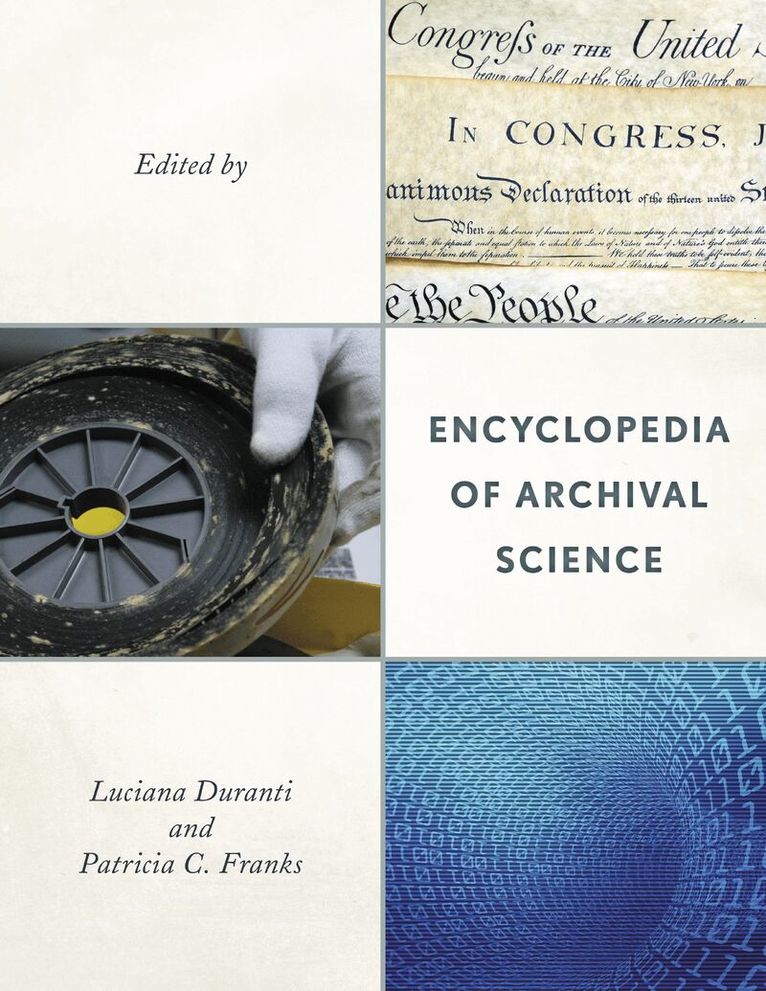
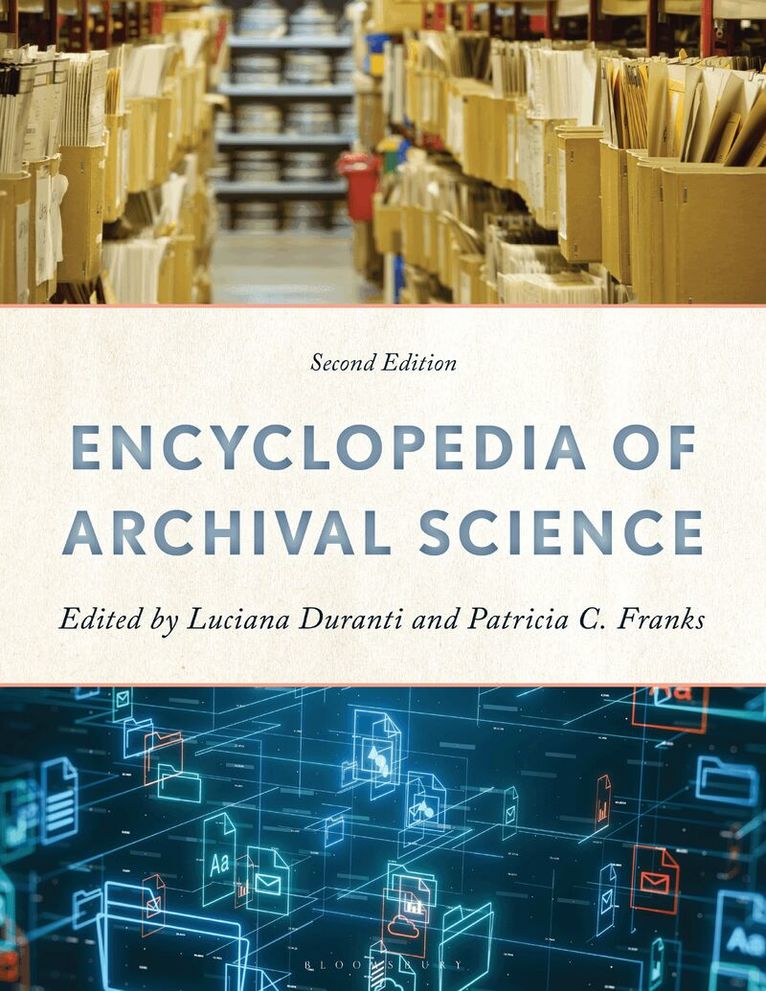
Here is the first-ever comprehensive guide to archival concepts, principles, and practices. Encyclopedia of Archival Science features 154 entries, which address every aspect of archival professional knowledge. These entries range from traditional ideas (like appraisal and provenance) to today’s challenges (digitization and digital preservation). They present the thoughts of leading luminaries like Ernst Posner, Margaret Cross-Norton, and Philip Brooks as well as those of contemporary authors and rising scholars. Historical and ethical components of practice are infused throughout the work. Edited by Luciana Duranti from the University of British Columbia and Patricia C. Franks from San José State University, this landmark work was overseen by an editorial board comprised of leading archivists and archival educators from every continent: Adrian Cunningham (Queensland State Archives, Australia), Fiorella Foscarini (University of Toronto and University of Amsterdam), Pat Galloway (University of Texas at Austin), Shadrack Katuu (International Atomic Energy Agency), Giovanni Michetti (University of Rome La Sapienza), Ken Thibodeau (National Archives and Records Administration, US), and Geoffrey Yeo (University College London, UK).
895 kr
Skickas inom 7-10 vardagar
764 kr
Skickas inom 10-15 vardagar
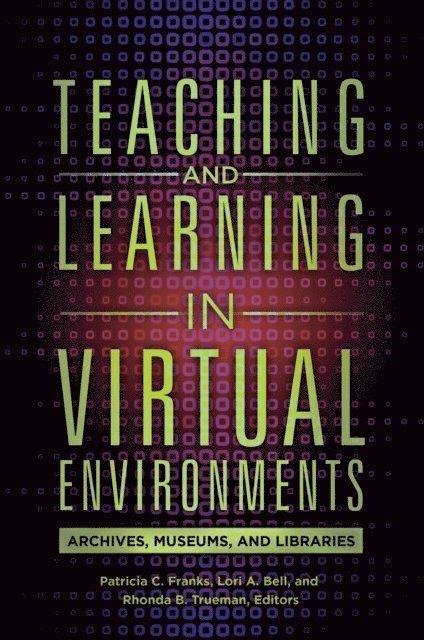
Useful to school librarians, teachers, and faculty, this book explains the range of possibilities for creating immersive learning experiences through the use of virtual worlds, virtual simulations, virtual collections, exhibits by libraries and museums, and archives.There is a renaissance occurring in education with immersive learning via virtual applications and environments, even at the elementary school level. This widespread new movement is happening over more platforms than before—Second Life, Open Sim, Unity3D, Curio, and others. Teaching and Learning in Virtual Environments: Archives, Museums, and Libraries presents readers with the scope of possibilities for education in virtual environments today. Written from the perspective of the practitioner, it provides a wealth of teaching tips for virtual environments and for combining virtual environments with other emerging technologies for libraries and education.Chapters describe how recent developments in technology have made web-based virtual worlds more accessible for teaching and learning and discuss the unique benefits and affordances of educating in virtual environments as well as their applications to different subjects. The teaching applications cover the primary and secondary school levels, higher education and graduate-level environments, and even beyond formal education into building immersive "information experiences" for professional training applications, library users, and the general public. The text provides an up-to-date overview for educators, academic and public librarians, and archives and museum staff on recent developments with immersive learning; presents innovative programs and teaching ideas; covers administrative issues; and addresses the student's perspective as well.
1 936 kr
Skickas inom 10-15 vardagar
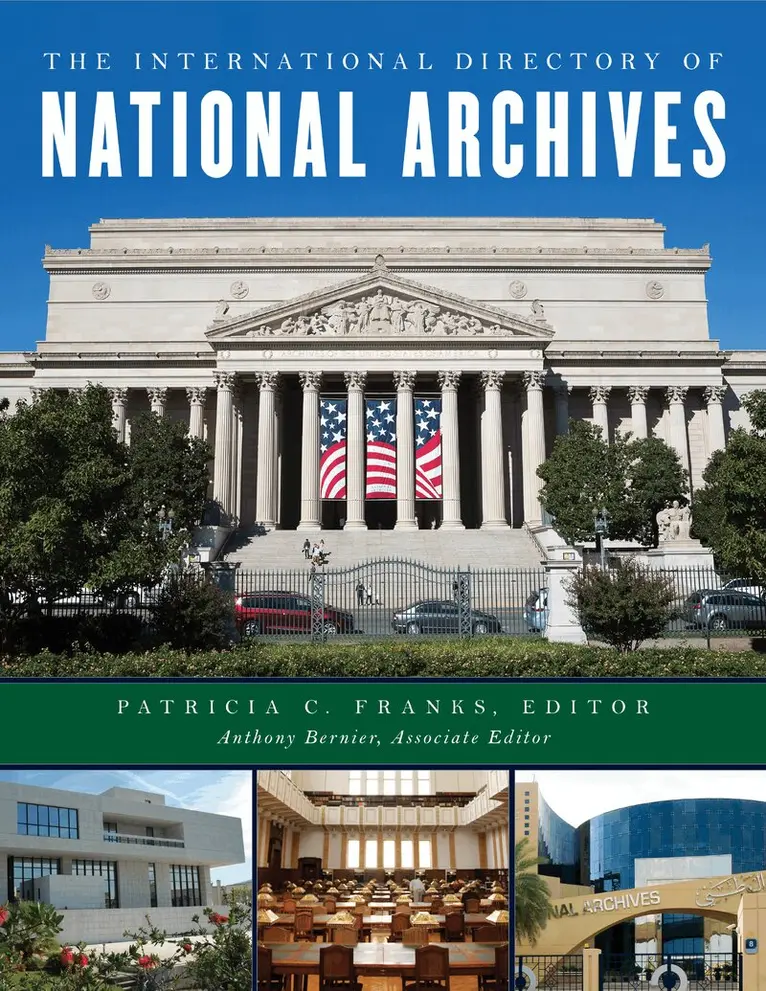
National Archives store materials relating to the history of a nation, usually operated by the government of that nation. This is the first ever comprehensive source of information about national archives around the world covers the national archives of all 195 countries recognized by the United Nations (the 193 member states and the 2 that non-member observer states: The Holy See and the State of Palestine) as well as Taiwan (Republic of China). Of the 196 countries, 54 are in Africa, 49 in Asia, 44 in Europe, 33 in Latin America and the Caribbean, 14 in Oceania, and 2 in Northern America. All countries maintain a repository for government and historical records; whether all allow public access will be determined through research for this work. The National Archives of all 196 countries will be included in this work (see Appendix A).Each entry contains: general information about the archive and when it is open to researchers (if applicable), historical information about the institution and how it developed, information about the archives today (its mission, functions, organization, services, and a description of its physical and digital infrastructures), anda current focus section spotlighting one part of the collection’s holdings.
1 944 kr
Skickas inom 10-15 vardagar
The Encyclopedia of Archival Writers, 1515-2015, is a reference work that includes the profiles of authors of literature about records and archives in the Western world who have shaped the records and archives field over a span of 500 years. The 144 archival writers from 13 countries who are included in this volume were selected by an international advisory board on the basis of their impact on the records and archives profession and discipline, the presence of their publications in educational programs’ reading lists, and the frequency of reference to their work. Among the writers included in this volume are Albertino Barisone of Padua (1587-1667), Sir Hilary Jenkinson of England (1882-1961), Adolf Brenneke of Germany (1875-1946), Theodore R. Schellenberg of the United States (1903-1970), Robert-Henri Bautier of France (1922-2010), Terry Cook of Canada (1947-2014), Vicenta Cortés Alonso of Spain (1925-), Eric Ketelaar of the Netherlands (1944-), Aurelio Tanodi of Argentina (1914-2011), Ian Maclean of Australia (1919-2003), and Verne Harris of South Africa (1958 - ). Arranged in alphabetical order, each entry includes a biography, intellectual contributions, and a brief essential bibliography. A total of 113 educators, professionals and students in the records and archives field—55 of whom are also profiled in this Encyclopedia--contributed to this volume. There is no other book in any language that focuses on the life and work of authors of records and archives literature. In fact, there is not easily available information on such writers. Thus, most entries involved quite a bit of research on dead writers and interviews with the living ones. Several living writers supported this work by accepting to author their own entry
1 126 kr
Skickas inom 10-15 vardagar
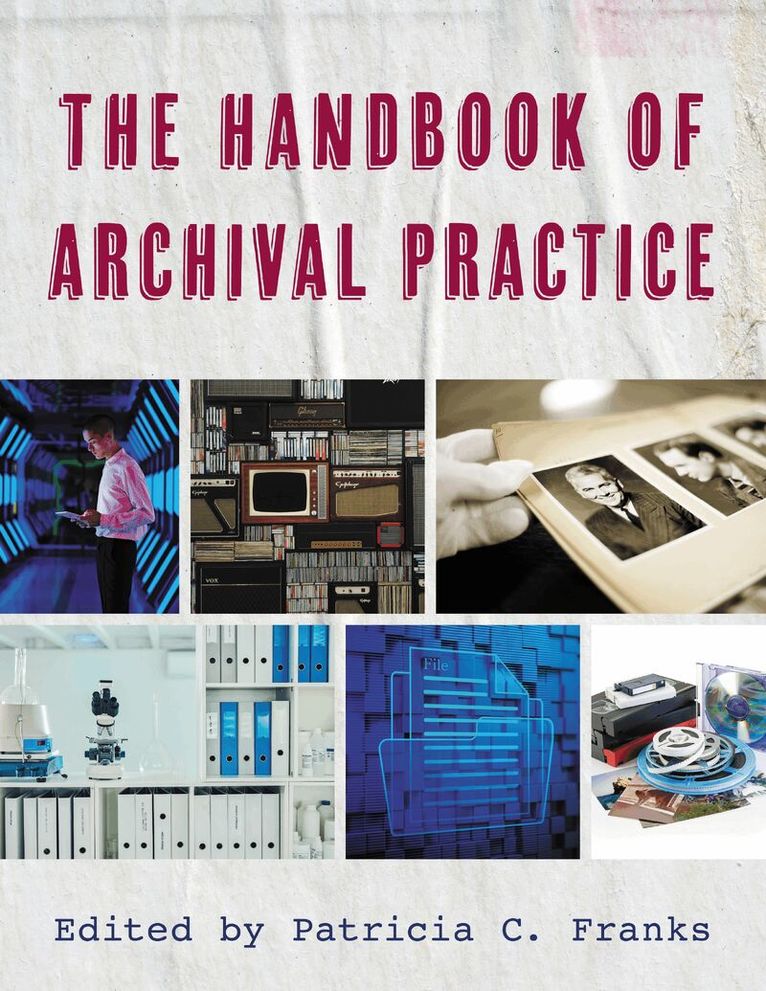
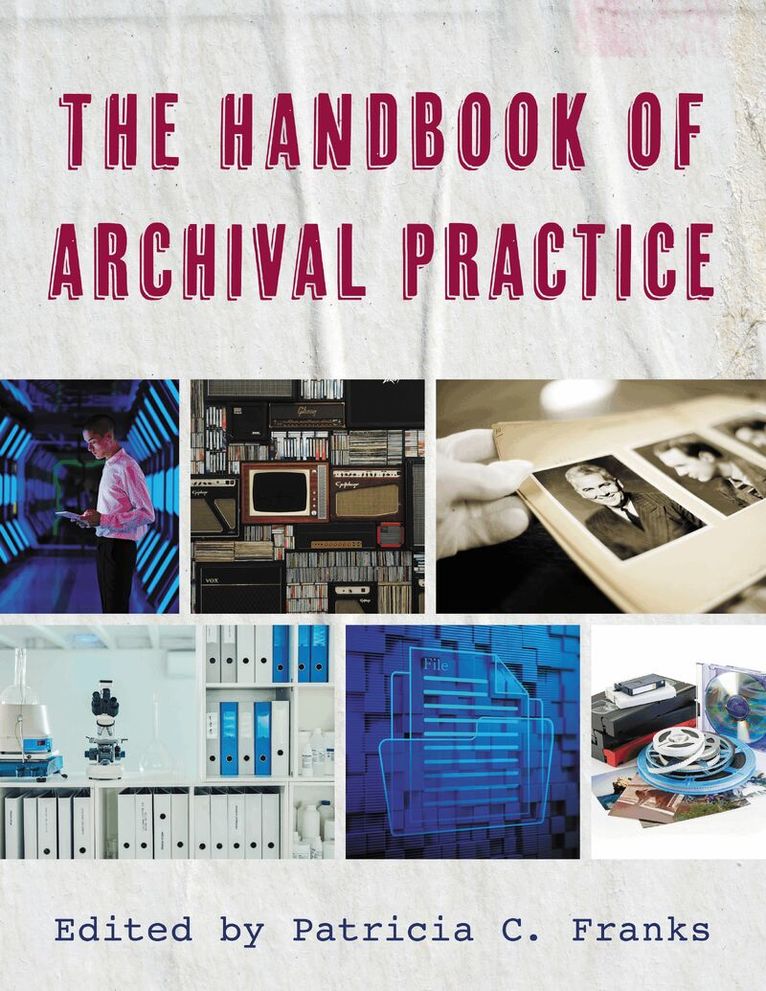
To meet the demands of archivists increasingly tasked with the responsibility for hybrid collections, this indispensable guide covers contemporary archival practice for managing analog and digital materials in a single publication. Terms describing activities central to the archival process—such as appraisal, acquisition, arrangement, description, storage, access, and preservation—are included. In addition, responsibilities traditionally considered outside the purview of the archivist but currently impacting professional activities—such as cybersecurity, digital forensics, digital curation, distributed systems (e.g., cloud computing), and distributed trust systems (e.g., blockchain)—are also covered. The Handbook is divided into ten sections: current environment; records creation and recordkeeping systems; appraisal and acquisition; arrangement and description; storage and preservation; digital preservation; user services; community outreach and advocacy; risk management, security and privacy; and management and leadership. Some terms touch on more than one category, which made sorting a challenge. Readers are encouraged to consult both the table of contents and the index, as a topic may be addressed in more than one entry. A total of 111 entries by 105 authors are defined and described in The Handbook. The majority (79) of the contributors were from the US, 12 from Canada, 7 from the United Kingdom, 3 from Australia, 1 each from Germany, Jamaica, New Zealand, and the Russian Federation. Because archival practice differs among practitioners in different countries, this work represents an amalgamation. The Handbook was written primarily for archival practitioners who wish to access desired information at the point of need. However, can also serve as a valuable resource for students pursuing careers in the archival profession and information professionals engaged in related fields.
520 kr
Skickas inom 10-15 vardagar
To meet the demands of archivists increasingly tasked with the responsibility for hybrid collections, this indispensable guide covers contemporary archival practice for managing analog and digital materials in a single publication. Terms describing activities central to the archival process—such as appraisal, acquisition, arrangement, description, storage, access, and preservation—are included. In addition, responsibilities traditionally considered outside the purview of the archivist but currently impacting professional activities—such as cybersecurity, digital forensics, digital curation, distributed systems (e.g., cloud computing), and distributed trust systems (e.g., blockchain)—are also covered. The Handbook is divided into ten sections: current environment; records creation and recordkeeping systems; appraisal and acquisition; arrangement and description; storage and preservation; digital preservation; user services; community outreach and advocacy; risk management, security and privacy; and management and leadership. Some terms touch on more than one category, which made sorting a challenge. Readers are encouraged to consult both the table of contents and the index, as a topic may be addressed in more than one entry. A total of 111 entries by 105 authors are defined and described in The Handbook. The majority (79) of the contributors were from the US, 12 from Canada, 7 from the United Kingdom, 3 from Australia, 1 each from Germany, Jamaica, New Zealand, and the Russian Federation. Because archival practice differs among practitioners in different countries, this work represents an amalgamation. The Handbook was written primarily for archival practitioners who wish to access desired information at the point of need. However, can also serve as a valuable resource for students pursuing careers in the archival profession and information professionals engaged in related fields.
1 232 kr
Skickas inom 3-6 vardagar
1 257 kr
Skickas inom 5-8 vardagar
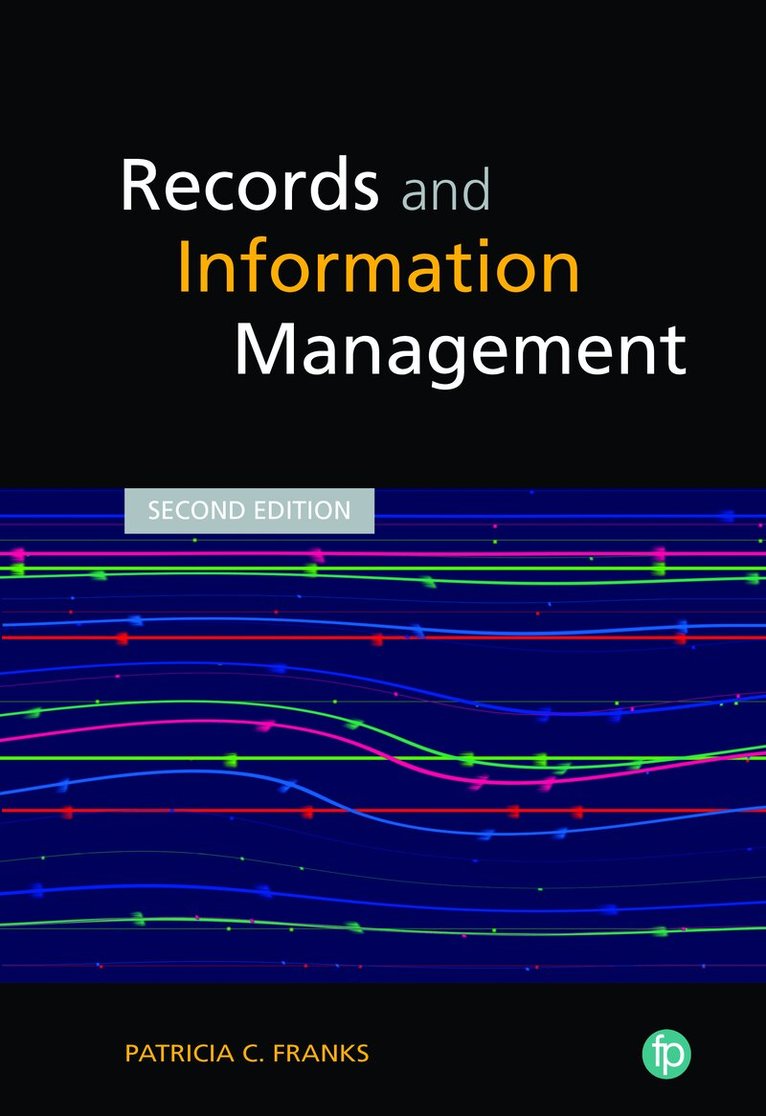
As Information Management put it, "On the strength of its currency and coverage alone, Franks' book is poised to take over as the recommended go-to reference for both students and RIM professionals for many years to come.” The new second edition cements this work’s status as an up-to-date classic, its content updated and expanded to address emerging technologies, most notably blockchain, and evolving standards and practices. Inside, Franks presents complete coverage of the records and information lifecycle model, encompassing paper, electronic (databases, office suites, email), and new media records (blogs, chat messages, and software as a service). Informed by an advisory board of experts in the field and with contributions by noted authorities, the text addresses such key topics as: the origins and development of records and information the discipline of information governance and developing a strategic records management plan creation/capture and classification retention strategies, inactive records management, archives, and long-term preservation access, storage, and retrieval electronic records and electronic records management systems the latest on rapidly evolving technologies such as web records, social media, and mobile devices vital records, disaster preparedness and recovery, and business continuity monitoring, auditing, and risk management education and training. This book’s authoritative blend of theory and practice makes it a matchless resource for everyone in the archives and records management field. Instructor/trainer extras include a set of ready-to-go, customizable PowerPoint slides to accompany the text.
1 257 kr
Skickas inom 5-8 vardagar
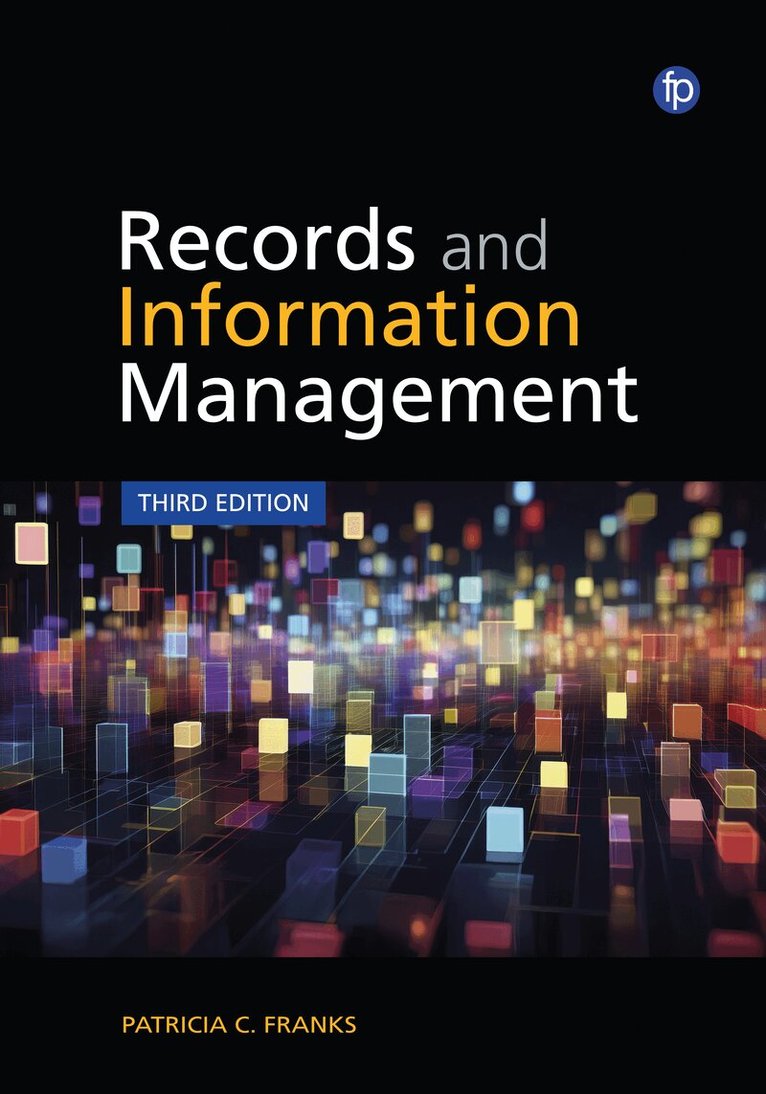
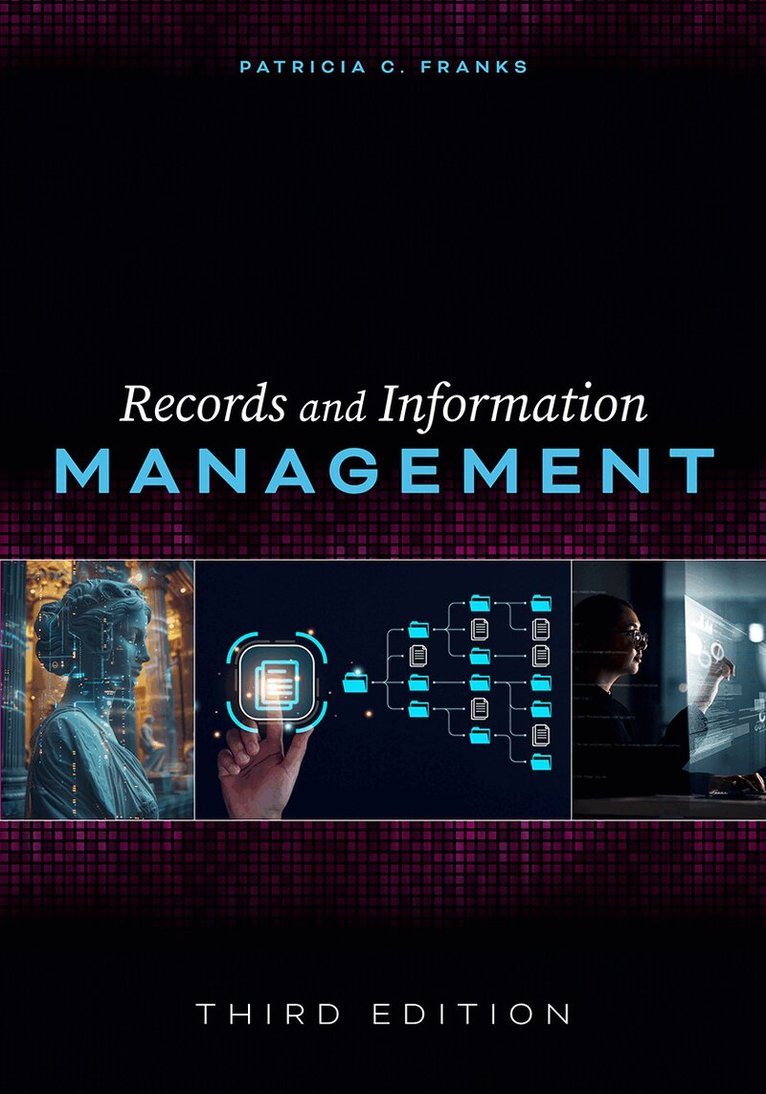
Offering holistic coverage of the basics of records management, information governance, and data governance, this cutting-edge text also provides an overview of the evolution of technology and thinking in the field. Franks incorporates important concepts from the fields of risk management, privacy, and cybersecurity throughout its pages.Widely acknowledged as the benchmark text for both students and RIM professionals ("extremely comprehensive and accessible," raves Archival Issues) the new third edition updates its authoritative blend of theory and practice to reflect the field’s dynamically evolving environment, including the rapid rise of applications powered by AI/ML. Franks presents complete coverage of the records and information lifecycle model, encompassing paper, electronic (databases, office suites such as Microsoft 365, email), and new media records (blogs, chat messages, and software as a service), while acknowledging in every chapter the influence of emerging and developing technologies and encouraging new ways of meeting the resulting challenges. In this book, enhanced with supplemental contributions from a wide range of thought leaders and practitioners, readers will explore such keys topics asthe latest advances in disruptive technologies such as blockchain, Web3, the metaverse, and evolving digital communication tools such as enterprise social media;an overview of the origins and development of records and information management;the discipline of information governance and the steps to develop a strategic records and information management plan;a completely new chapter that demystifies data governance, automation, and AI;strategies for the creation/capture and classification of records and information;approaches to retention strategies, inactive records management, archives, and long-term digital preservation;methods for access, storage, and retrieval of records and information;insight into electronic records and electronic records management systems;practices for safeguarding essential records, including disaster preparedness, recovery, and business continuity;approaches to monitoring, auditing, privacy, security, and risk management;fresh discussion of the leadership and management skills required of RIM professionals; andexpert guidance on trendspotting, education, and training.
1 994 kr
Kommande
The first-ever comprehensive guide to archival concepts, principles, and practices, now updated and expanded.Encyclopedia of Archival Science features 168 entries, which address every aspect of archival professional knowledge. These entries range from traditional concepts (e.g. record, principle of provenance) to today’s challenges (e.g. , digital preservation and Artificial Intelligence). They present the thoughts of leading luminaries like Hilary Jenkinson, Margaret Cross-Norton and Giorgio Cencetti as well as those of contemporary authors and rising scholars. Historical and ethical components of practice are infused throughout the work.Edited by Luciana Duranti from the University of British Columbia and Patricia C. Franks from San José State University, the second edition of this landmark work was overseen by an international editorial board comprised of leading archivists and archival educators: Jeannette Bastian (Simmons University, USA) Jessica Bushey and Darra Hofman (San Jose State University USA), Vicki Lemieux and Corinne Rogers (University of British Columbia, Canada), Isto Huvila (Uppsala University, Sweden), and Pierluigi Feliciati (University of Macerata, Italy).
1 232 kr
Skickas inom 3-6 vardagar
Widely acknowledged as the benchmark text for both students and RIM professionals ("extremely comprehensive and accessible," raves Archival Issues) the new third edition updates its authoritative blend of theory and practice to reflect the field’s dynamically evolving environment, including the rapid rise of applications powered by AI/ML. Franks presents complete coverage of the records and information lifecycle model, encompassing paper, electronic (databases, office suites such as Microsoft 365, and email), and new media records (blogs, chat messages, and software as a service), while acknowledging the influence of emerging and developing technologies and encouraging new ways of meeting the resulting challenges. In this book, enhanced with supplemental contributions from a wide range of thought leaders and practitioners, readers will explore such keys topics as the latest advances in disruptive technologies, including blockchain, Web3, the metaverse, and evolving digital communication tools such as enterprise social media; an overview of the origins and development of records and information management; the discipline of information governance and the steps to develop a strategic records and information management plan; a completely new chapter that demystifies data governance, automation, and AI; strategies for the creation/capture and classification of records and information; approaches to retention strategies, inactive records management, archives, and long-term digital preservation; methods for access, storage, and retrieval of records and information; insight into electronic records and electronic records management systems; practices for safeguarding essential records, including disaster preparedness, recovery, and business continuity; approaches to monitoring, auditing, privacy, security, and risk management; fresh discussion of the leadership and management skills required of RIM professionals; and expert guidance on trendspotting, education, and training.