Patricia Chiantera-Stutte – författare
Visar alla böcker från författaren Patricia Chiantera-Stutte. Handla med fri frakt och snabb leverans.
5 produkter
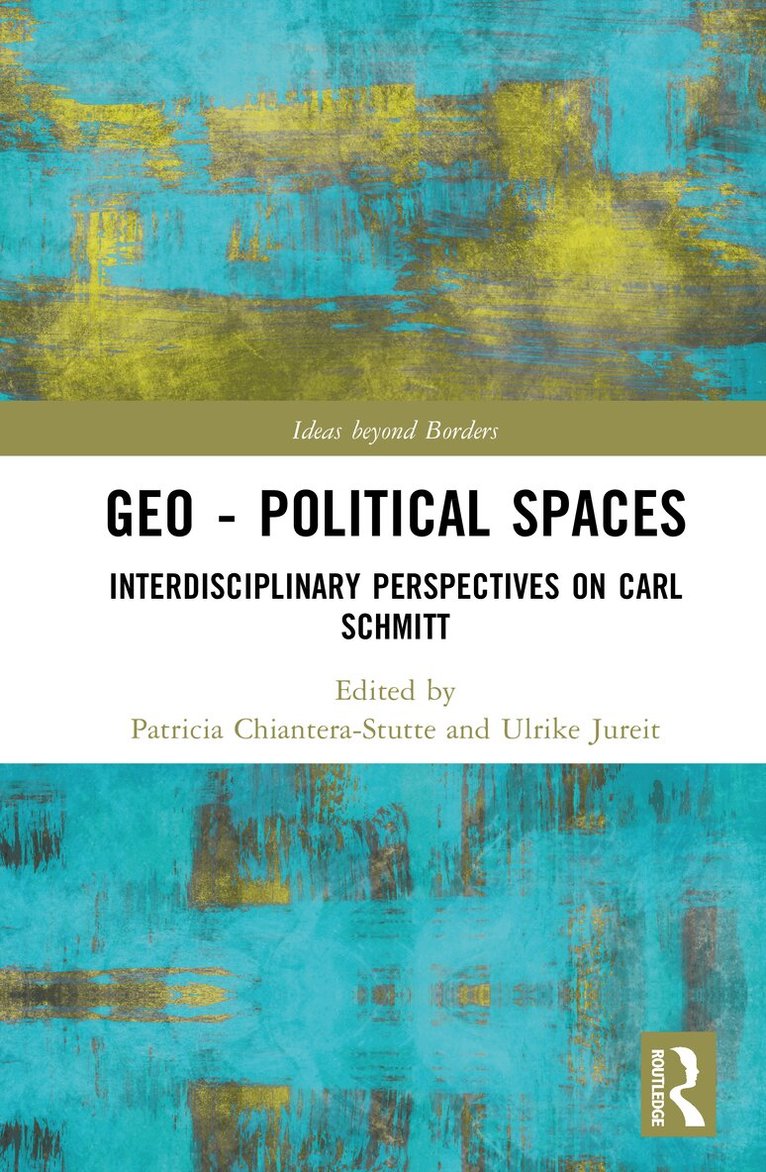
Geo-Political Spaces
Interdisciplinary Perspectives on Carl Schmitt
Av Patricia Chiantera-Stutte, Ulrike Jureit
Inbunden, 2025
2594 kr
Lägg i varukorg
This book focuses on the geographical and geopolitical sources for Carl Schmitt’s multilayered political thinking in order to uncover the relation between the political and the geographical aspects of his concept of space from 1939 to 1950. The aim is therefore to open up a field of enquiry, …
Geo-Political Spaces
Interdisciplinary Perspectives on Carl Schmitt
Av Ulrike Jureit, Patricia Chiantera-Stutte
E-bok, 2025
813 kr
Lägg i varukorg
This book focuses on the geographical and geopolitical sources for Carl Schmitt's multilayered political thinking in order to uncover the relation between the political and the geographical aspects of his concept of space from 1939 to 1950. The aim is therefore to open up a field of enquiry, …
Geo-Political Spaces
Interdisciplinary Perspectives on Carl Schmitt
Av Ulrike Jureit, Patricia Chiantera-Stutte
E-bok, 2025
813 kr
Lägg i varukorg
This book focuses on the geographical and geopolitical sources for Carl Schmitt's multilayered political thinking in order to uncover the relation between the political and the geographical aspects of his concept of space from 1939 to 1950. The aim is therefore to open up a field of enquiry, …
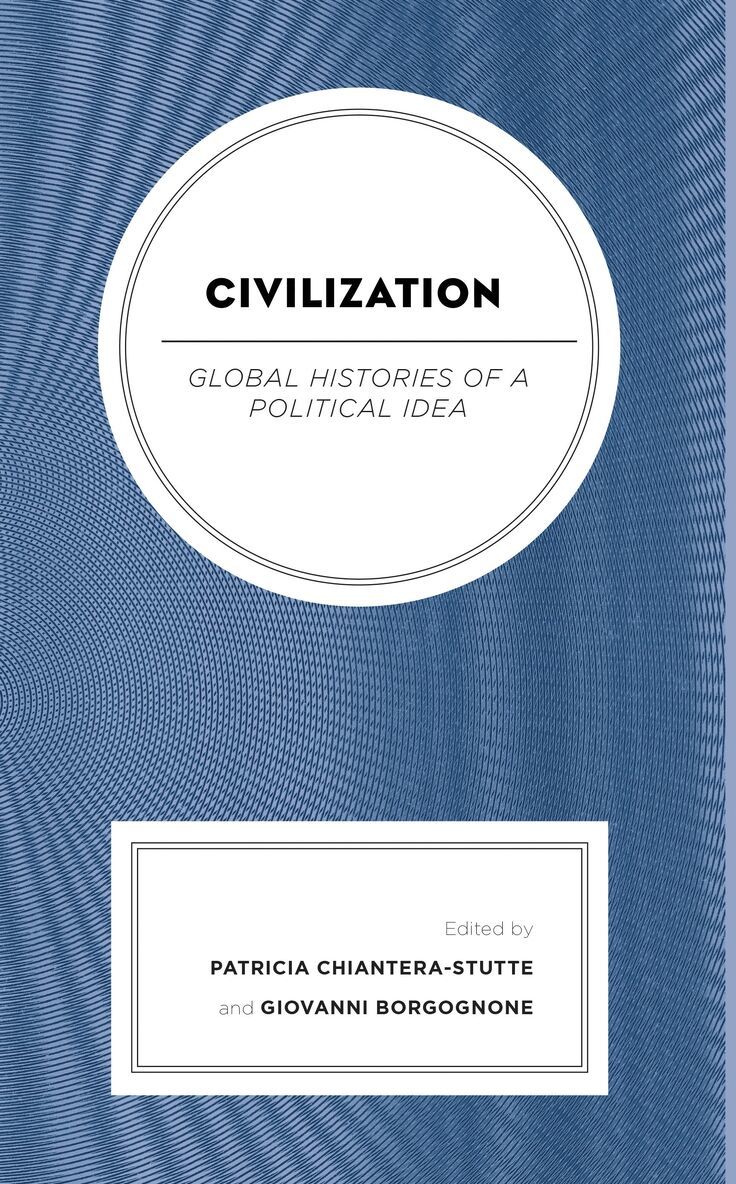
Civilization
Global Histories of a Political Idea
Av Patricia Chiantera-Stutte, Giovanni Borgognone
Inbunden, 2022
1247 kr
Lägg i varukorg
Civilizations, or rather narratives about civilizations, matter, not only as research subjects in textbooks, literary and scientific essays, but also in politics. This seems to be the case in "civilizational states" such as China, Russia, Turkey and Syria. Also in Western countries, in recent …
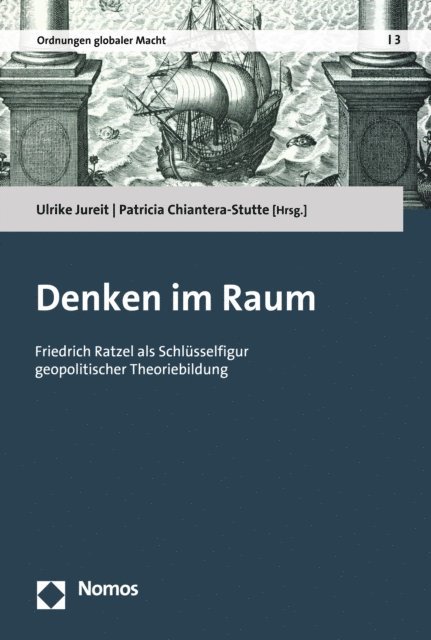
Denken im Raum
Friedrich Ratzel als Schlüsselfigur geopolitischer Theoriebildung
Av Patricia Chiantera-Stutte, Ulrike Jureit
E-bok, 2021
850 kr
Lägg i varukorg
Geopolitik und ihre Theoriebildung im 19. und 20. Jahrhundert gehören bis heute zu den interdisziplinär strittigen Forschungsfeldern. Für den Transformationsprozess großräumlichen Denkens, Ordnens und Handelns sind die biogeographischen Arbeiten des deutschen Geographen Friedrich Ratzel von …