Patricia MacCormack - Böcker
Visar alla böcker från författaren Patricia MacCormack. Handla med fri frakt och snabb leverans.
18 produkter
18 produkter
2 289 kr
Skickas inom 10-15 vardagar
Cinesexuality explores the queerness of cinema spectatorship, arguing that cinema spectatorship represents a unique encounter of desire, pleasure and perversion beyond dialectics of subject/object and image/meaning; an extraordinary 'cinesexual' relationship, that encompasses each event of cinema spectatorship in excess of gender, hetero- or homosexuality, encouraging all spectators to challenge traditional notions of what elicits pleasure and constitutes desiring subjectivity. Through a variety of cinematic examples, including abstract film, extreme films and films which present perverse sexuality and corporeal reconfiguration, Cinesexuality encourages a radical shift to spectatorship as itself inherently queer beyond what is watched and who watches. Film as its own form of philosophy invokes spectatorship thought as an ethics of desire. Original, exciting and theoretically sophisticated - focusing on continental philosophy, particularly Guattari, Deleuze, Blanchot, Foucault, Lyotard, Irigaray and Serres - the book will be of interest to scholars and students of queer, gender and feminist studies, film and aesthetics theory, cultural studies, media and communication, post-structural theory and contemporary philosophical thought.
671 kr
Skickas inom 10-15 vardagar
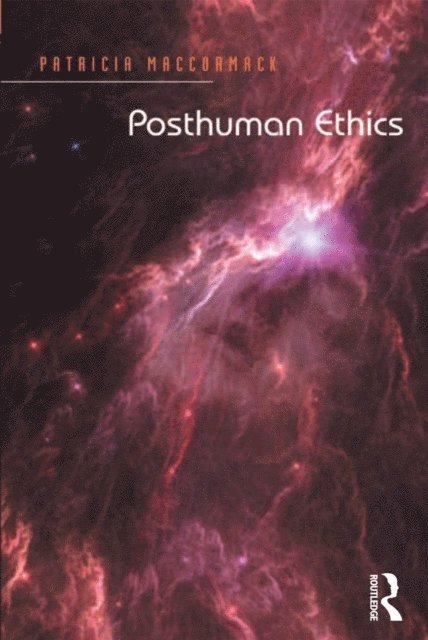
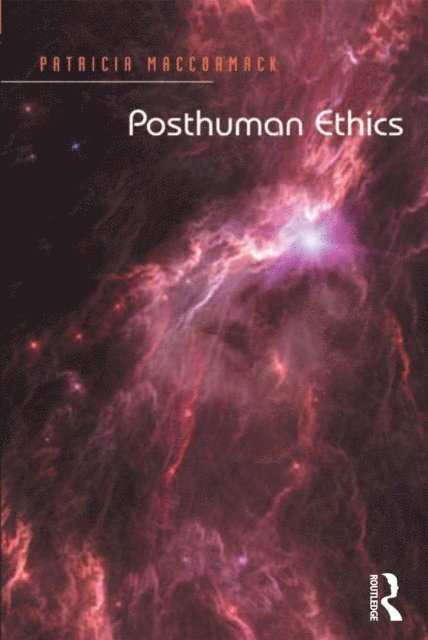
Posthuman theory asks in various ways what it means to be human in a time when philosophy has become suspicious of claims about human subjectivity. Those subjects who were historically considered aberrant, and our future lives becoming increasingly hybrid show we have always been and are continuously transforming into posthumans. What are the ethical considerations of thinking the posthuman? Posthuman Ethics asks not what the posthuman is, but how posthuman theory creates new, imaginative ways of understanding relations between lives. Ethics is a practice of activist, adaptive and creative interaction which avoids claims of overarching moral structures. Inherent in thinking posthuman ethics is the status of bodies as the site of lives inextricable from philosophy, thought, experiments in being and fantasies of the future. Posthuman Ethics explores certain kinds of bodies to think new relations that offer liberty and a contemplation of the practices of power which have been exerted upon bodies. The tattooed and modified body, the body made ecstatic through art, the body of the animal as a strategy for abolitionist animal rights, the monstrous body from teratology to fabulations, queer bodies becoming angelic, the bodies of the nation of the dead and the radical ways in which we might contemplate human extinction are the bodies which populate this book creating joyous political tactics toward posthuman ethics.
671 kr
Skickas inom 10-15 vardagar
Cinesexuality explores the queerness of cinema spectatorship, arguing that cinema spectatorship represents a unique encounter of desire, pleasure and perversion beyond dialectics of subject/object and image/meaning; an extraordinary 'cinesexual' relationship, that encompasses each event of cinema spectatorship in excess of gender, hetero- or homosexuality, encouraging all spectators to challenge traditional notions of what elicits pleasure and constitutes desiring subjectivity. Through a variety of cinematic examples, including abstract film, extreme films and films which present perverse sexuality and corporeal reconfiguration, Cinesexuality encourages a radical shift to spectatorship as itself inherently queer beyond what is watched and who watches. Film as its own form of philosophy invokes spectatorship thought as an ethics of desire. Original, exciting and theoretically sophisticated - focusing on continental philosophy, particularly Guattari, Deleuze, Blanchot, Foucault, Lyotard, Irigaray and Serres - the book will be of interest to scholars and students of queer, gender and feminist studies, film and aesthetics theory, cultural studies, media and communication, post-structural theory and contemporary philosophical thought.
1 703 kr
Skickas inom 10-15 vardagar
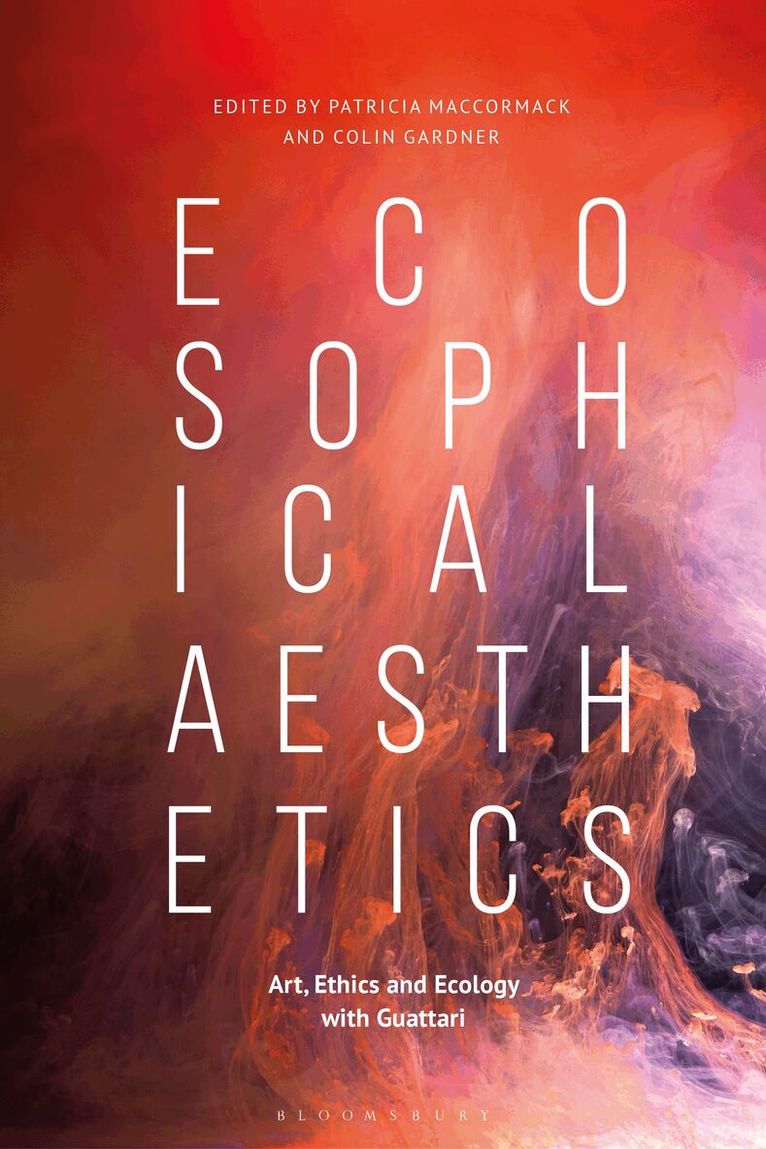
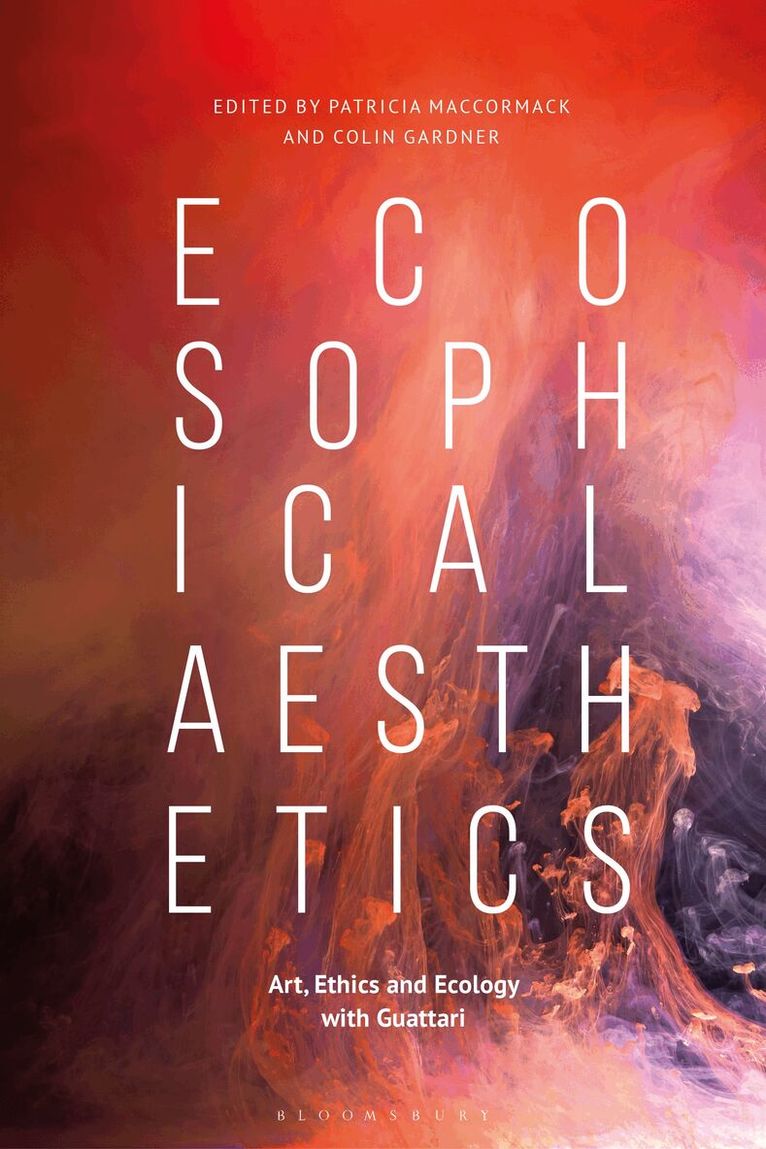
Inspired by the ecosophical writings of Felix Guattari, this book explores the many ways that aesthetics – in the forms of visual art, film, sculpture, painting, literature, and the screenplay – can act as catalysts, allowing us to see the world differently, beyond traditional modes of representation. This is in direct parallel to Guattari’s own attempt to break down the 19th century Kantian dialectic between man, art, and world, in favour of a non-hierarchical, transversal approach, to produce a more ethical and ecologically sensitive world view. Each chapter author analyses artworks which critique capitalism’s industrial devastation of the environment, while at the same time offering affirmative, imaginative futures suggested by art. Including contributions from philosophers, film theorists and artists, this book asks: How can we interact with the world in a non-dominant and non-destructive way? How can art catalyze new ethical relations with non-human entities and the environment? And, crucially, what part can philosophy play in rethinking these structures of interaction?
1 142 kr
Skickas inom 10-15 vardagar
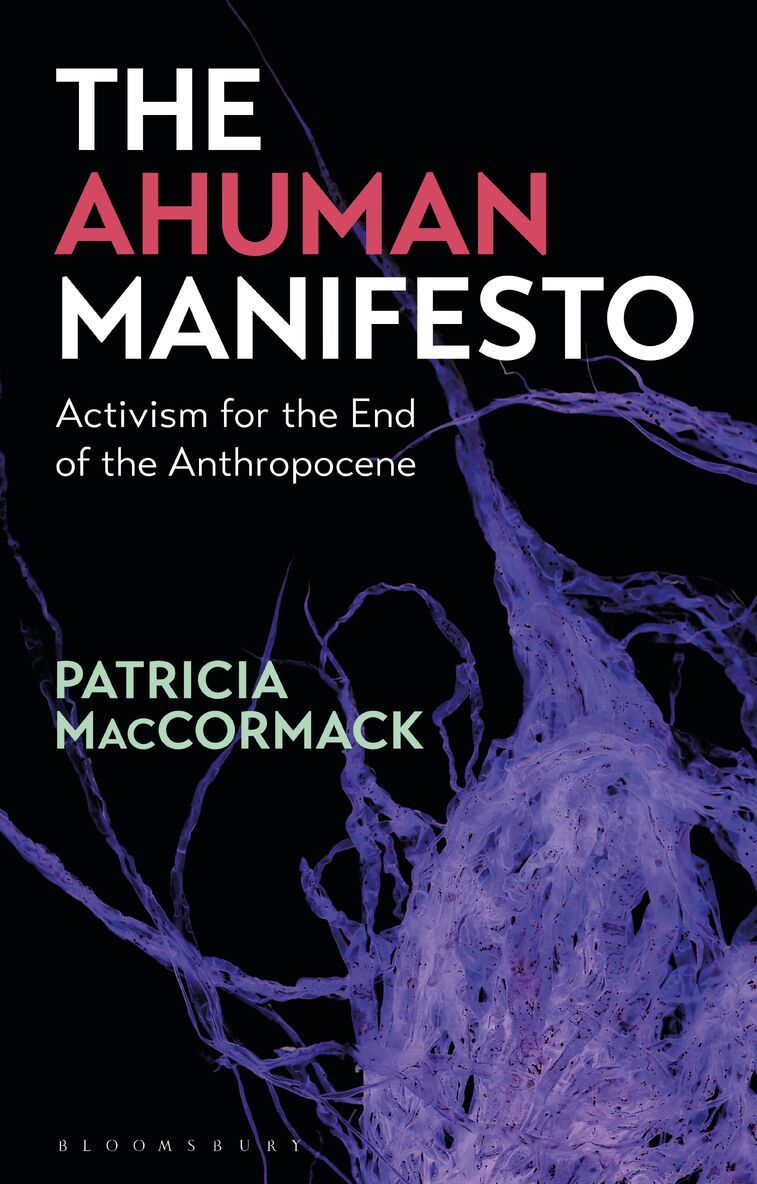
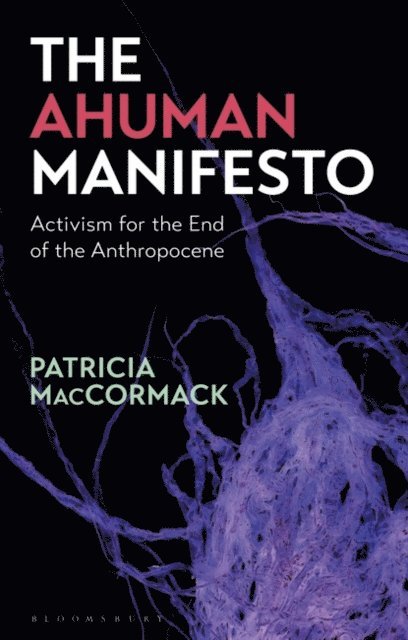
We are in the midst of a growing ecological crisis. Developing technologies and cultural interventions are throwing the status of “human” into question. It is against this context that Patricia McCormack delivers her expert justification for the “ahuman”. An alternative to “posthuman” thought, the term paves the way for thinking that doesn’t dissolve into nihilism and despair, but actively embraces issues like human extinction, vegan abolition, atheist occultism, death studies, a refusal of identity politics, deep ecology, and the apocalypse as an optimistic beginning.In order to suggest vitalistic, perhaps even optimistic, ways to negotiate some of the difficulties in thinking and acting in the world, this book explores five key contemporary themes:· Identity· Spirituality· Art· Death· The apocalypseCollapsing activism, artistic practice and affirmative ethics, while introducing some radical contemporary ideas and addressing specifically modern phenomena like death cults, intersectional identity politics and capitalist enslavement of human and nonhuman organisms to the point of ‘zombiedom’, The Ahuman Manifesto navigates the ways in which we must compose the human differently, specifically beyond nihilism and post- and trans-humanism and outside human privilege. This is so that we can actively think and live viscerally, with connectivity (actual not virtual), and with passion and grace, toward a new world.
354 kr
Skickas inom 10-15 vardagar
We are in the midst of a growing ecological crisis. Developing technologies and cultural interventions are throwing the status of “human” into question. It is against this context that Patricia McCormack delivers her expert justification for the “ahuman”. An alternative to “posthuman” thought, the term paves the way for thinking that doesn’t dissolve into nihilism and despair, but actively embraces issues like human extinction, vegan abolition, atheist occultism, death studies, a refusal of identity politics, deep ecology, and the apocalypse as an optimistic beginning.In order to suggest vitalistic, perhaps even optimistic, ways to negotiate some of the difficulties in thinking and acting in the world, this book explores five key contemporary themes:· Identity· Spirituality· Art· Death· The apocalypseCollapsing activism, artistic practice and affirmative ethics, while introducing some radical contemporary ideas and addressing specifically modern phenomena like death cults, intersectional identity politics and capitalist enslavement of human and nonhuman organisms to the point of ‘zombiedom’, The Ahuman Manifesto navigates the ways in which we must compose the human differently, specifically beyond nihilism and post- and trans-humanism and outside human privilege. This is so that we can actively think and live viscerally, with connectivity (actual not virtual), and with passion and grace, toward a new world.
474 kr
Skickas inom 10-15 vardagar
Inspired by the ecosophical writings of Felix Guattari, this book explores the many ways that aesthetics – in the forms of visual art, film, sculpture, painting, literature, and the screenplay – can act as catalysts, allowing us to see the world differently, beyond traditional modes of representation. This is in direct parallel to Guattari’s own attempt to break down the 19th century Kantian dialectic between man, art, and world, in favour of a non-hierarchical, transversal approach, to produce a more ethical and ecologically sensitive world view. Each chapter author analyses artworks which critique capitalism’s industrial devastation of the environment, while at the same time offering affirmative, imaginative futures suggested by art. Including contributions from philosophers, film theorists and artists, this book asks: How can we interact with the world in a non-dominant and non-destructive way? How can art catalyze new ethical relations with non-human entities and the environment? And, crucially, what part can philosophy play in rethinking these structures of interaction?
247 kr
Skickas inom 5-8 vardagar
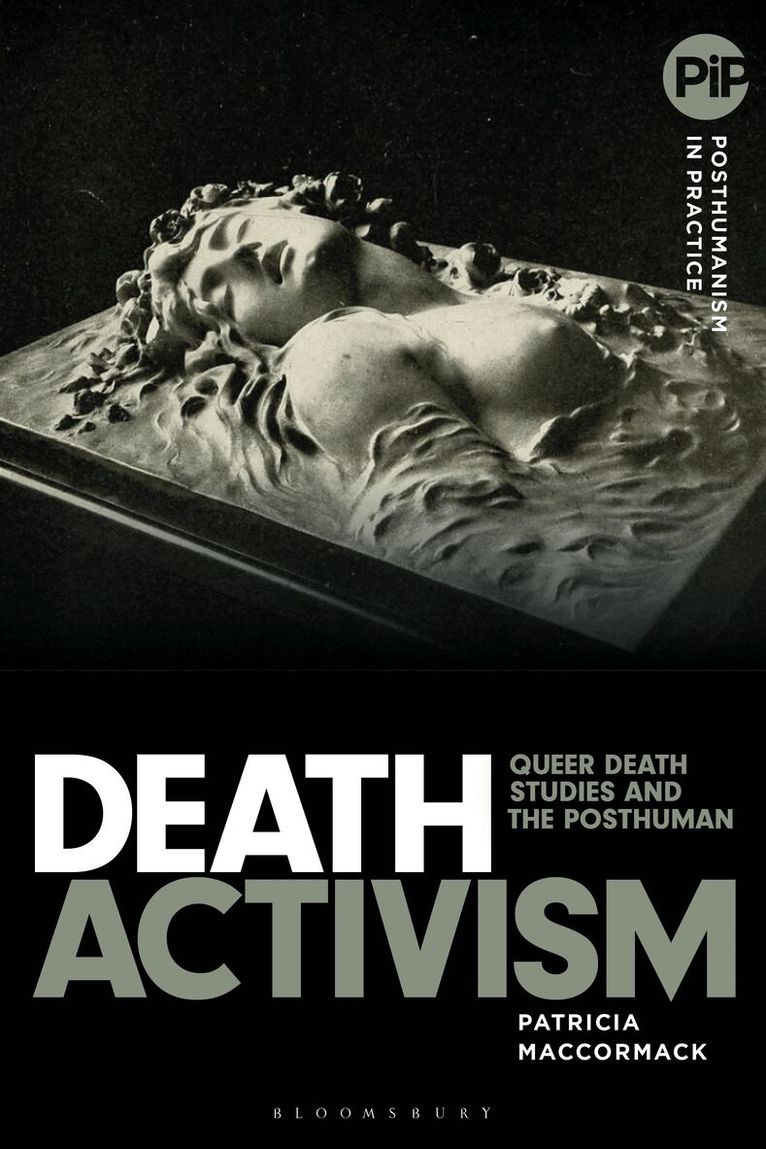
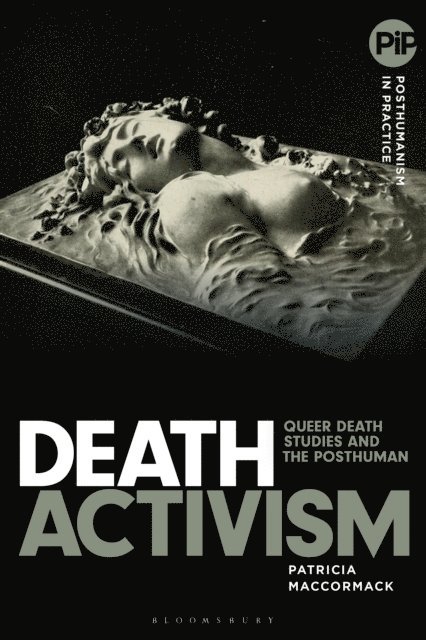
Traditional Western attitudes towards death deal with it as a painful inevitability, something that has to be navigated as a trauma and a taboo. They focus essentially on the ‘management’ of death, an anthropocentric practice prioritising the human life above every other type of existence.Patricia MacCormack explores how we can develop a ‘death activism’ – a variety of tactics and posthuman practices which celebrate death, its inevitability, its forms, from the slow to times of crisis, and how trauma and mourning emerge as their own forms of expression. Crucial to the foundation of death activism is the dissymmetry with which different deaths are met including the mass death of nonhuman animals and ecologies.Death Activism is a feminist, queer, postcolonialist enquiry, that seeks to queer death – making queer our usual familiar death habits and trajectories of thought, toward a jubilant activism that can transform death into a more democratically equal, and a more jubilant force for life.
875 kr
Skickas inom 10-15 vardagar
Traditional Western attitudes towards death deal with it as a painful inevitability, something that has to be navigated as a trauma and a taboo. They focus essentially on the ‘management’ of death, an anthropocentric practice prioritising the human life above every other type of existence.Patricia MacCormack explores how we can develop a ‘death activism’ – a variety of tactics and posthuman practices which celebrate death, its inevitability, its forms, from the slow to times of crisis, and how trauma and mourning emerge as their own forms of expression. Crucial to the foundation of death activism is the dissymmetry with which different deaths are met including the mass death of nonhuman animals and ecologies.Death Activism is a feminist, queer, postcolonialist enquiry, that seeks to queer death – making queer our usual familiar death habits and trajectories of thought, toward a jubilant activism that can transform death into a more democratically equal, and a more jubilant force for life.
2 289 kr
Skickas inom 10-15 vardagar
Posthuman theory asks in various ways what it means to be human in a time when philosophy has become suspicious of claims about human subjectivity. Those subjects who were historically considered aberrant, and our future lives becoming increasingly hybrid show we have always been and are continuously transforming into posthumans. What are the ethical considerations of thinking the posthuman? Posthuman Ethics asks not what the posthuman is, but how posthuman theory creates new, imaginative ways of understanding relations between lives. Ethics is a practice of activist, adaptive and creative interaction which avoids claims of overarching moral structures. Inherent in thinking posthuman ethics is the status of bodies as the site of lives inextricable from philosophy, thought, experiments in being and fantasies of the future. Posthuman Ethics explores certain kinds of bodies to think new relations that offer liberty and a contemplation of the practices of power which have been exerted upon bodies. The tattooed and modified body, the body made ecstatic through art, the body of the animal as a strategy for abolitionist animal rights, the monstrous body from teratology to fabulations, queer bodies becoming angelic, the bodies of the nation of the dead and the radical ways in which we might contemplate human extinction are the bodies which populate this book creating joyous political tactics toward posthuman ethics.
1 572 kr
Skickas inom 10-15 vardagar
The Animal Catalyst deals with the 'question' of 'what is an animal' and also in some instances, 'what is a human'? It pushes critical animal studies in important new directions; it re-examines basic assumptions, suggests new paradigms for how we can live and function ecologically, in a world that is not simply "ours." It argues that it is not enough to recognise the ethical demands placed upon us by our encounters with animals, or to critique our often murderous treatment of them: this simply reinforces human exceptionalism. Featuring contributions from leading academics, lawyers, artists and activists, the book examines key issues such as: - How "compassion" for animals reinforces ideas of what distinguishes human beings from other animals. - How speciesism and human centricity are built into the legal system. - How individualist subjectivity works in relation to animals who may not think of themselves in the same way. - How any consideration of animal others must involve a radical deconstruction of our very notion of the "human." - How art, philosophy and literature can both avoid speciesism and deliver the human from subjectivity.This volume is a unique project which stands at the cutting edge of both animal rights philosophies and posthuman/artistic/abstract philosophies of identity. It will be of great interest to undergraduates and researchers in philosophy, ethics, particularly continental philosophy, critical theory and cultural studies.
448 kr
Skickas inom 10-15 vardagar
The Animal Catalyst deals with the 'question' of 'what is an animal' and also in some instances, 'what is a human'? It pushes critical animal studies in important new directions; it re-examines basic assumptions, suggests new paradigms for how we can live and function ecologically, in a world that is not simply "ours." It argues that it is not enough to recognise the ethical demands placed upon us by our encounters with animals, or to critique our often murderous treatment of them: this simply reinforces human exceptionalism. Featuring contributions from leading academics, lawyers, artists and activists, the book examines key issues such as: - How "compassion" for animals reinforces ideas of what distinguishes human beings from other animals. - How speciesism and human centricity are built into the legal system. - How individualist subjectivity works in relation to animals who may not think of themselves in the same way. - How any consideration of animal others must involve a radical deconstruction of our very notion of the "human." - How art, philosophy and literature can both avoid speciesism and deliver the human from subjectivity.This volume is a unique project which stands at the cutting edge of both animal rights philosophies and posthuman/artistic/abstract philosophies of identity. It will be of great interest to undergraduates and researchers in philosophy, ethics, particularly continental philosophy, critical theory and cultural studies.
2 164 kr
Skickas inom 3-6 vardagar
The first volume to address the animal in Deleuze’s work, looking at philosophy, aesthetics and ethicsBecoming-animal is a key concept for Deleuze and Guattari; the ambiguous idea of the animal as human and nonhuman life infiltrates all of Deleuze’s work. These 16 essays apply Deleuze’s work to analysing television, film, music, art, drunkenness, mourning, virtual technology, protest, activism, animal rights and abolition. Each chapter questions the premise of the animal and critiques the centrality of the human. This collection creates new questions about what the age of the Anthropocene means by ‘animal’ and analyses and explores examples of the unclear boundaries between human and animal.
402 kr
Skickas
The first volume to address the animal in Deleuze’s work, looking at philosophy, aesthetics and ethicsBecoming-animal is a key concept for Deleuze and Guattari; the ambiguous idea of the animal as human and nonhuman life infiltrates all of Deleuze’s work. These 16 essays apply Deleuze’s work to analysing television, film, music, art, drunkenness, mourning, virtual technology, protest, activism, animal rights and abolition. Each chapter questions the premise of the animal and critiques the centrality of the human. This collection creates new questions about what the age of the Anthropocene means by ‘animal’ and analyses and explores examples of the unclear boundaries between human and animal.
1 946 kr
Skickas inom 10-15 vardagar
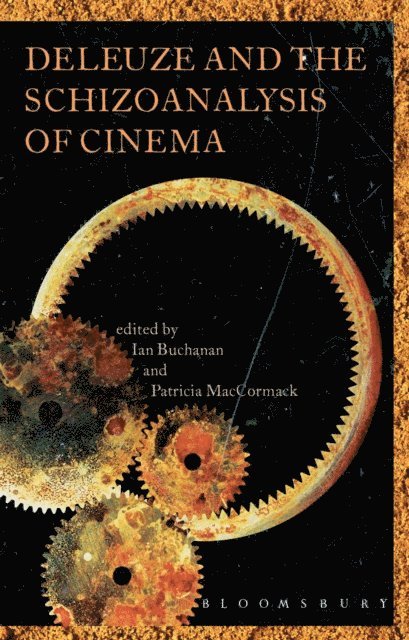
This is a hugely important collection of essays on Deleuze and Cinema from an international panel of experts.In 1971, Deleuze and Guattari's collaborative work, "Anti-Oedipus: Capitalism and Schizophrenia" caused an international sensation by fusing Marx with a radically rewritten Freud to produce a new approach to critical thinking they provocatively called schizoanalysis. "Deleuze and the Schizoanalysis of Cinema" explores the possibilities of using this concept to interrogate cinematic works in both the Hollywood and non-Hollywood tradition. It attempts to define what a schizoanalysis of cinema might be and interrogates a variety of ways in which a schizoanalysis might be applied.This collection opens up a fresh field of inquiry for Deleuze scholars and poses an exciting challenge to cinema studies in general. Featuring some of the most important cinema studies scholars working on Deleuze and Guattari today, "Deleuze and the Schizoanalysis of Cinema" is a cutting-edge collection that will set the agenda for future work in this area.
475 kr
Skickas inom 10-15 vardagar
This is a hugely important collection of essays on Deleuze and Cinema from an international panel of experts. In 1971, Deleuze and Guattari's collaborative work, "Anti-Oedipus: Capitalism and Schizophrenia" caused an international sensation by fusing Marx with a radically rewritten Freud to produce a new approach to critical thinking they provocatively called schizoanalysis. "Deleuze and the Schizoanalysis of Cinema" explores the possibilities of using this concept to interrogate cinematic works in both the Hollywood and non-Hollywood tradition. It attempts to define what a schizoanalysis of cinema might be and interrogates a variety of ways in which a schizoanalysis might be applied.This collection opens up a fresh field of inquiry for Deleuze scholars and poses an exciting challenge to cinema studies in general. Featuring some of the most important cinema studies scholars working on Deleuze and Guattari today, "Deleuze and the Schizoanalysis of Cinema" is a cutting edge collection that will set the agenda for future work in this area.
371 kr
Skickas inom 7-10 vardagar
Nathalie Djurberg (*1978) and Hans Berg (*1978) create animated worlds with objects, music and moving images – dreamlike realms where we might lose ourselves. Their playfully told fables hold both humour and darkness, putting any moral laws of gravity out of action. Djurberg’s vibrant stop-motion animations and sculpture groups accompanied by Berg’s electronic music form scenic installations in a surrealist vein. These intense chamber pieces enact fragments of memories repressed between innocence and shame, or feverish daydreams of role play and desire. The shadowy landscapes, sealed rooms and harshly-lit scenes of their films are inhabited by a group of possessed figures seemingly set on devouring one another. The exhibition and fully illustrated catalog describe an inner voyage, an attempt to make existence more understandable in a flow of impulses and impressions.Exhibitions: Moderna Museet, Stockholm, 16.6.–9.9.2018Museo d'Arte Moderna e Contemporanea di Trento e Rovereto (MART), Rovereto, 5.10.2018–13.1.2019Kunsthalle Schirn, Frankfurt, 28.2.–26.5.2019
148 kr
Skickas inom 5-8 vardagar
DJURET Vid mitten av 1990-talet blev djurrättsrörelsen samhällets fiende nummer ett. Mjölkbilar brann, minkar släpptes ut, ungdomar köttvägrade och vuxenvärlden rasade. I mellanmjölkens land blev varje tallrik plötsligt ett ideologiskt slagfält. I dag är läget annorlunda. I skuggan av klimatkrisen är det inte längre veganen utan köttätaren som börjat framstå som boven kring matbordet. Var tionde svensk identifierar sig som vegetarian eller vegan, och den tidigare så fruktade »veganrörelsen« har vuxit upp till en köpstark grupp som allt fler företag vill göra sig till vän med. Men samtidigt som vegetarianismen har normaliserats tycks de radikala djurrättsidéerna ha skjutits i bakgrunden. Matfrågan, som på 1990-talet laddades med en revolutionär vrede mot alla samhällets orättvisor, har blivit till en privat hälsofråga, ett uttryck för den personliga identiteten eller ett sätt bland andra att utöva »grön konsumtion«. Det har blivit acceptabelt att kritisera animaliekonsumtionen ur miljöperspektiv, men det råder ännu en besvärande tystnad kring djurens rättigheter. Frågan behandlas som en pinsam familjehemlighet som vi alla artigt förväntas hålla tyst om: tala om vad som helst, men inte om vårt våld mot djuren. Varför består denna oförmåga att ta djuren på allvar? Är vi verkligen så förtjusta i våra biffar och pälskragar att vi inte kan tänka oss andra sätt att leva? Eller är det snarare så att frågan om hur vi behandlar djur skjuts åt sidan, förminskas och görs till ett icke-problem därför att detta tjänar starka penningintressen? Kan det till och med vara så att vi behöver vår dominans över djuren för att det tillhandahåller ett försvar för fortsatta makthierarkier mellan olika grupper av människor? I Fronesis nr 56–57 tar vi oss an frågan om människa–djur-relationen ur kritiskt djurstudieperspektiv. I en rad nyskrivna och översatta artiklar diskuteras förhållandet mellan djursyn, djurutnyttjande och samhällets maktstrukturer. I tre avdelningar diskuteras djurens ställning under kapitalismen; förhållandet mellan djurutnyttjande, rasism och sexism; samt några utopiska möjligheter för människor att leva tillsammans med – eller helt utan kontakt med – andra djur. Bland texterna märks en intervju med djurrättsteoretikern John Sanbonmatsu om djurutnyttjandet som produktionssätt. I en klassisk text av nyligen bortgångne konstkritikern John Berger diskuteras kapitalismens inflytande på dagens instrumentella djursyn. Vi översätter ett utdrag ur Carol J. Adams omtalade feministiska analys av »köttets könspolitik« samt de politiska teoretikerna Will Kymlickas och Sue Donaldsons försvar för ett medborgarskap för djur. Innehåll i Fronesis nr 56–57 (264 sidor): Per-Anders Svärd: Djur, samhälle och kritisk teori Agnes Gerner: Ur Sus Helena Pedersen: Varufetischism och strukturellt våld Marco Maurizi : Djurens frigörelse och kritisk teori. Intervju med John Sanbonmatsu Rolf Engenell och Lena Lindström: Bättre flöde i dödsfabriken Sarah Franklin: Dollys kropp Tobias Linné och Helena Pedersen: Med omsorg om kor och kärlek till mjölk Per-Anders Svärd: Speciesism och ideologiskt herravälde John Berger: Varför se på djur? Carol J. Adams: Köttets könspolitik Somar Al Naher: Köttnationalismen, rasismen och halalfrågan David Redmalm: Biopolitik och husdjurssorg Anette Kristensson: Karnofallogocentrism Amelie Björck: Efter speciesismen Patricia MacCormack: Djuriskheter Sue Donaldson och Will Kymlicka: Djuren och medborgarskapets frontlinjer Jens Holm, Camilla Björkbom, Lisa Gålmark, Mattias Kristiansson, Erik Jönsson och Martin Smedjeback, intervjuade av Somar Al Naher: Djurhållningens utfasning Redaktörer: Somar Al Naher, Amelie Björck, Helena Pedersen och Per-Anders Svärd.