Patricia Marchak – författare
Visar alla böcker från författaren Patricia Marchak. Handla med fri frakt och snabb leverans.
15 produkter
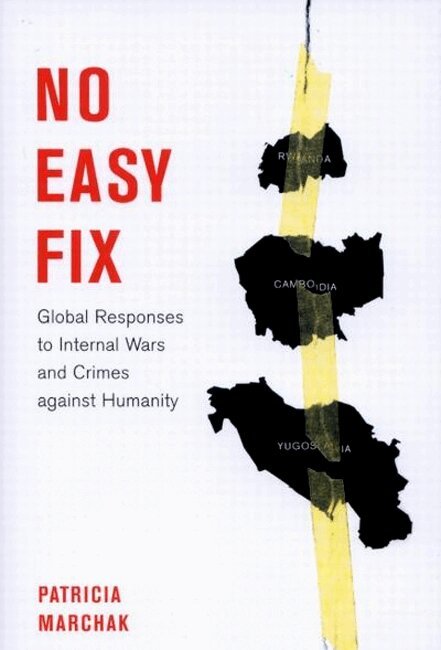
No Easy Fix
Global Responses to Internal Wars and Crimes Against Humanity
Häftad, 2012
375 kr
Lägg i varukorg
The UN has adopted a "responsibility to protect" mandate for humanitarian intervention in civil wars - but there is no institutional basis for carrying out that mandate. Patricia Marchak argues that unless would-be interveners have an understanding of local issues, agents who speak local languages, …
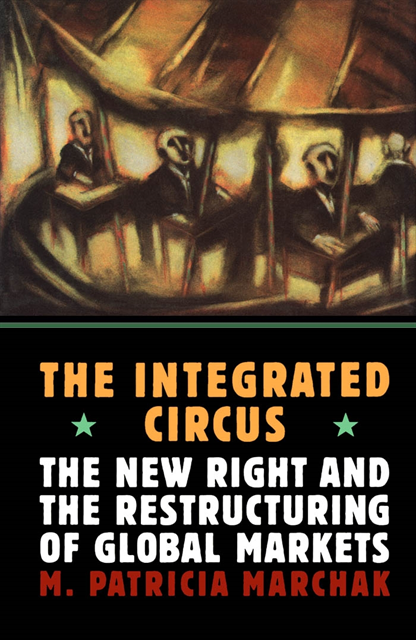
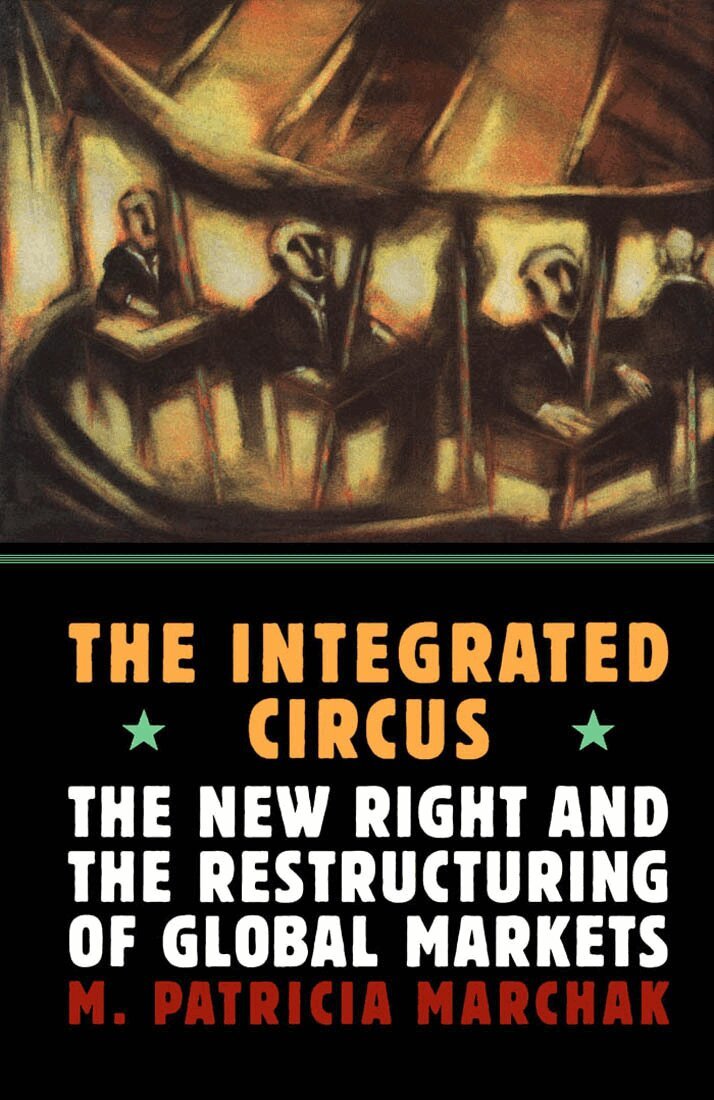
Integrated Circus
The New Right and the Restructuring of Global Markets
E-bok, 1991
382 kr
Lägg i varukorg
When Pax Americana began to disintegrate in the late 1960s, economic leaders in corporate America joined with their counterparts in Western Europe and Japan to develop a self-interested strategy for dealing with the political and social impacts of a changing global economy. As Marchak shows, the …
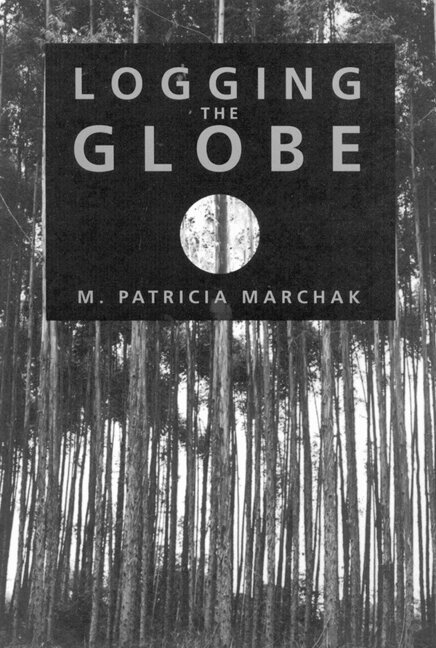
Logging the Globe
E-bok, 1995
1041 kr
Lägg i varukorg
Patricia Marchak examines issues particular to the northern and southern regions and the global effects of trends in each region, using British Columbia, Brazil, Chile, Indonesia, and Thailand as full case studies and Malaysia, Myanmar, and other south-east Asian regions as shorter case studies. …
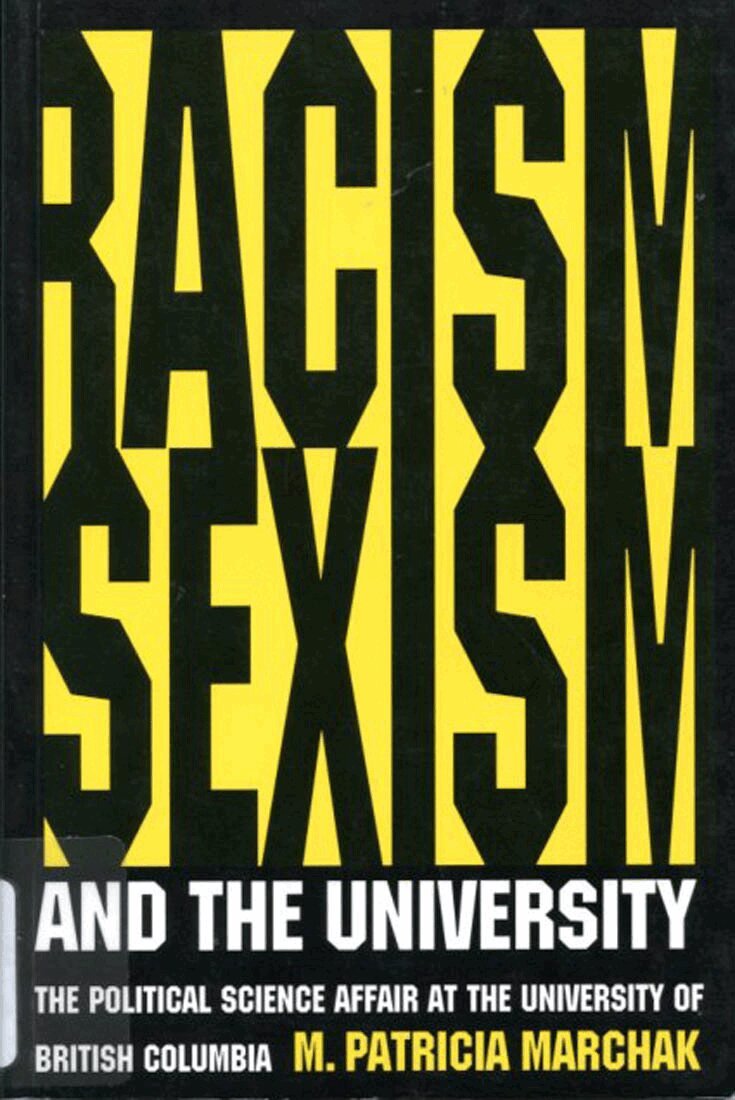
Racism, Sexism, and the University
The Political Science Affair at the University of British Columbia
E-bok, 1996
1041 kr
Lägg i varukorg
The debate was about sexism and racism, academic freedom and due process. But it also raised fundamental questions about the nature and purpose of universities, meritocracy versus inclusivity, and who should wield power over the curriculum, students, and the cultural agenda for society. Patricia …
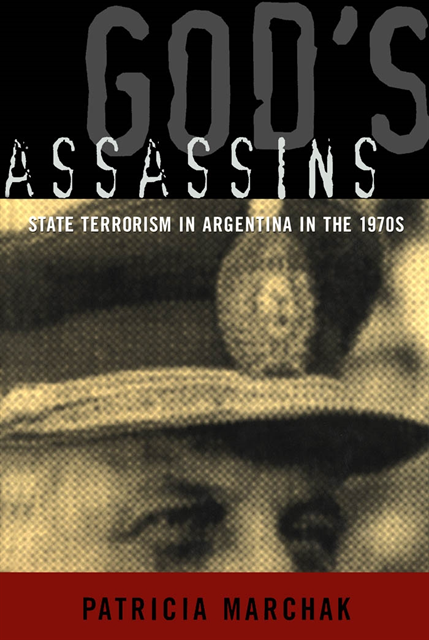
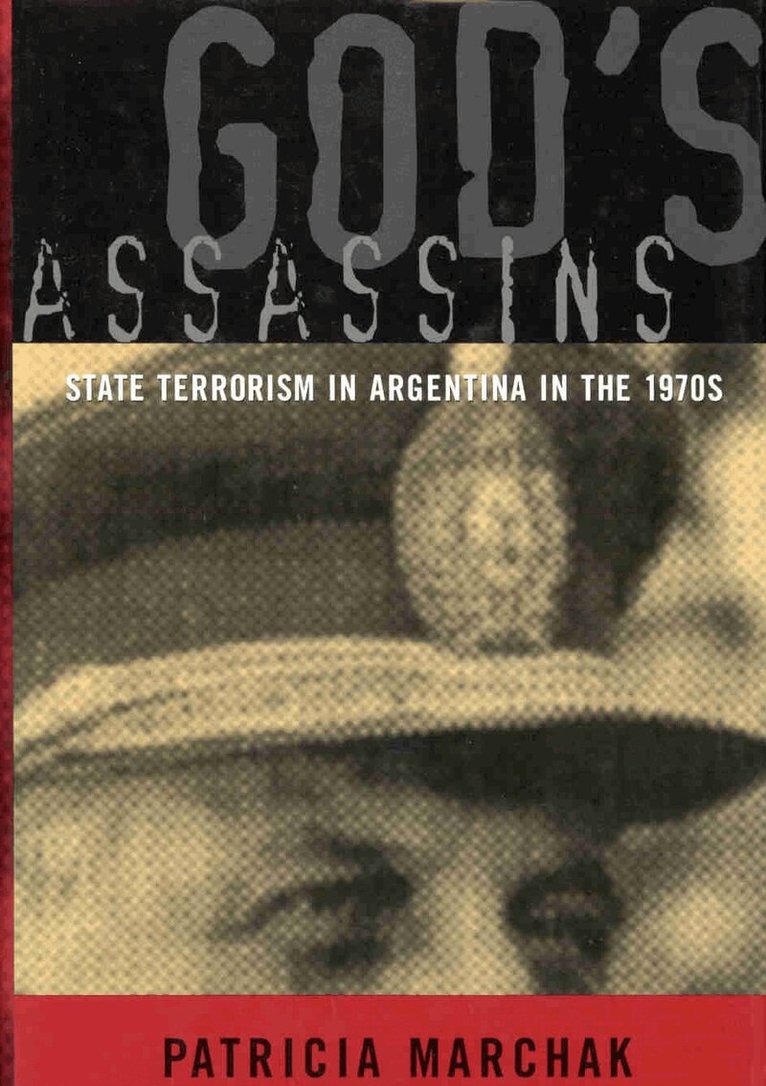
God's Assassins
State Terrorism in Argentina in the 1970s
Av William Marchak, Patricia Marchak
E-bok, 1999
271 kr
Lägg i varukorg
God''s Assassins tells the story of state terrorism in Argentina through interviews with participants on all sides of this issue. They include military officers, "third world" priests, Catholic church officers who supported military objectives and methods, former members of guerrilla movements, …
Reigns of Terror
E-bok, 2003
1019 kr
Lägg i varukorg
Marchak departs significantly from mainstream explanations of genocide, rejecting racism as a fundamental cause and disputing a wide range of other explanations that cite racist and religious ideologies, perception of threat, authoritarianism, and unique historical circumstances as primary causes. …
No Easy Fix
Global Responses to Internal Wars and Crimes Against Humanity
E-bok, 2008
385 kr
Lägg i varukorg
The UN has adopted a "responsibility to protect" mandate for humanitarian intervention in civil wars - but there is no institutional basis for carrying out that mandate. Patricia Marchak argues that unless would-be interveners have an understanding of local issues, agents who speak local languages, …
No Easy Fix
Global Responses to Internal Wars and Crimes Against Humanity
E-bok, 2008
385 kr
Lägg i varukorg
The UN has adopted a "responsibility to protect" mandate for humanitarian intervention in civil wars - but there is no institutional basis for carrying out that mandate. Patricia Marchak argues that unless would-be interveners have an understanding of local issues, agents who speak local languages, …
Integrated Circus
The New Right and the Restructuring of Global Markets
Häftad, 1993
426 kr
Tillfälligt slut
When Pax Americana began to disintegrate in the late 1960s, economic leaders in corporate America joined with their counterparts in Western Europe and Japan to develop a self-interested strategy for dealing with the political and social impacts of a changing global economy. As Marchak shows, the …
Logging the Globe
Häftad, 1995
456 kr
Tillfälligt slut
Patricia Marchak examines issues particular to the northern and southern regions and the global effects of trends in each region, using British Columbia, Brazil, Chile, Indonesia, and Thailand as full case studies and Malaysia, Myanmar, and other south-east Asian regions as shorter case studies. …
Racism, Sexism, and the University
The Political Science Affair at the University of British Columbia
Häftad, 1996
402 kr
Tillfälligt slut
The debate was about sexism and racism, academic freedom and due process. But it also raised fundamental questions about the nature and purpose of universities, meritocracy versus inclusivity, and who should wield power over the curriculum, students, and the cultural agenda for society. Patricia …
God's Assassins
State Terrorism in Argentina in the 1970s
Av Patricia Marchak, William Marchak
Inbunden, 1999
400 kr
Tillfälligt slut
God's Assassins tells the story of state terrorism in Argentina through interviews with participants on all sides of this issue. They include military officers, "third world" priests, Catholic church officers who supported military objectives and methods, former members of guerrilla movements, …
Reigns of Terror
Häftad, 2003
386 kr
Tillfälligt slut
An examination of the conditions that underlie state-sponsored crimes against humanity.
Green Gold
The Forest Industry in British Columbia
Inbunden, 1983
414 kr
Tillfälligt slut
A comprehensive analysis of the social, political, and economic role of forests as one of the principal single-staple industries in British Columbia, this book explores the history of forestry in the province, legislation and governmental control, labour unions, community and industry structure, …
Uncommon Property
The Fishing and Fish-Processing Industries in British Columbia
Av Patricia Marchak, Neil Guppy m. fl.
Häftad, 1987
386 kr
Tillfälligt slut
Uncommon Property describes Canadian West Coast fisheriesin the 1980s, focusing on the social and economic structure of theindustry. It is the product of a three-year research project conductedby the Department of Sociology and Anthropology at the University ofBritish Columbia.Part 1 is concerned …