

Del 42 - Choice in Welfare
Adoption: The Care of Children the British American
Häftad, Engelska, 1998
121 kr
Skickas inom 5-8 vardagar
121 kr
Skickas inom 5-8 vardagar

180 kr
Skickas inom 5-8 vardagar

105 kr
Skickas
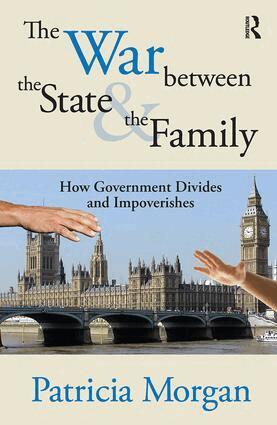
2 478 kr
Skickas inom 10-15 vardagar
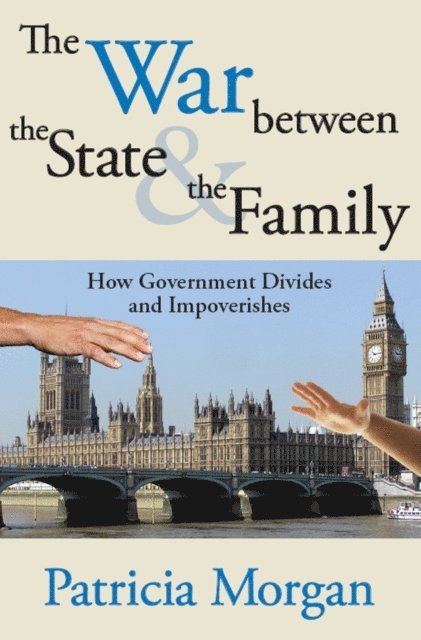
864 kr
Läs direkt efter köp
Patricia Morgan''s core assumption is that the family is an extremely effective vehicle for raising the welfare of its members. If this is correct it is quite possible that the state can best support the family by doing very little--by not taxing the family heavily and by minimizing the subsidization of those who choose alternatives to financially self-sustaining family life.
At one level, Morgan argues, the family can be seen as a unit within which there occurs enormous transfer of economic resources between husband and wife, parents and children, and, on a wider scale, within extended families. The family is the most important vehicle of welfare and the welfare vehicle of first resort. Within the family many services are provided by family members to each other, rarely for direct personal benefit. Basic economic analysis, Morgan asserts, suggests that the family could be seriously undermined if the state provided significant support for dependents who are not brought up within self-sustaining family units, and if it also provided services, such as childcare, that are generally provided within families. This work shows that this is precisely what has happened in the last twenty-five years.
The driving force of significantly reduced family formation is not economic but social. Perhaps social changes have led to a desire by individuals to bring up children in family circumstances different from those of a generation or two ago, but evidence does not support this hypothesis. Rather, tax and benefit systems seem to be important determinants of family structure worldwide. Patricia Morgan does not simply analyze the problem, she also suggests policy solutions. The author argues that divorce laws should be reformed to ensure that those who make commitments are held financially responsible. The author''s argument is compelling because it is backed up with strong evidence and is argued from an unemotional economic perspective--individuals within families are rational agents who respond to incentives.
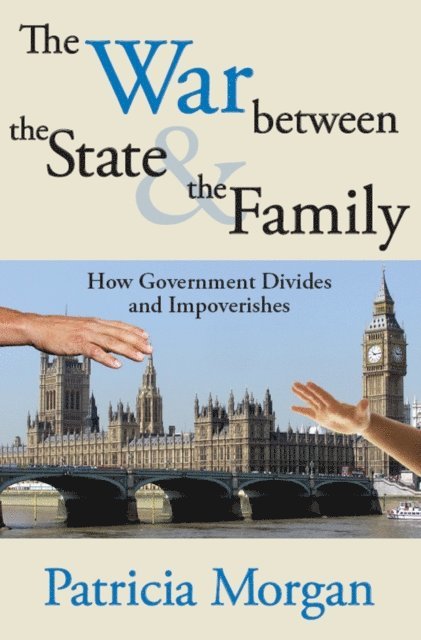
858 kr
Läs direkt efter köp
Patricia Morgan''s core assumption is that the family is an extremely effective vehicle for raising the welfare of its members. If this is correct it is quite possible that the state can best support the family by doing very little--by not taxing the family heavily and by minimizing the subsidization of those who choose alternatives to financially self-sustaining family life.
At one level, Morgan argues, the family can be seen as a unit within which there occurs enormous transfer of economic resources between husband and wife, parents and children, and, on a wider scale, within extended families. The family is the most important vehicle of welfare and the welfare vehicle of first resort. Within the family many services are provided by family members to each other, rarely for direct personal benefit. Basic economic analysis, Morgan asserts, suggests that the family could be seriously undermined if the state provided significant support for dependents who are not brought up within self-sustaining family units, and if it also provided services, such as childcare, that are generally provided within families. This work shows that this is precisely what has happened in the last twenty-five years.
The driving force of significantly reduced family formation is not economic but social. Perhaps social changes have led to a desire by individuals to bring up children in family circumstances different from those of a generation or two ago, but evidence does not support this hypothesis. Rather, tax and benefit systems seem to be important determinants of family structure worldwide. Patricia Morgan does not simply analyze the problem, she also suggests policy solutions. The author argues that divorce laws should be reformed to ensure that those who make commitments are held financially responsible. The author''s argument is compelling because it is backed up with strong evidence and is argued from an unemotional economic perspective--individuals within families are rational agents who respond to incentives.
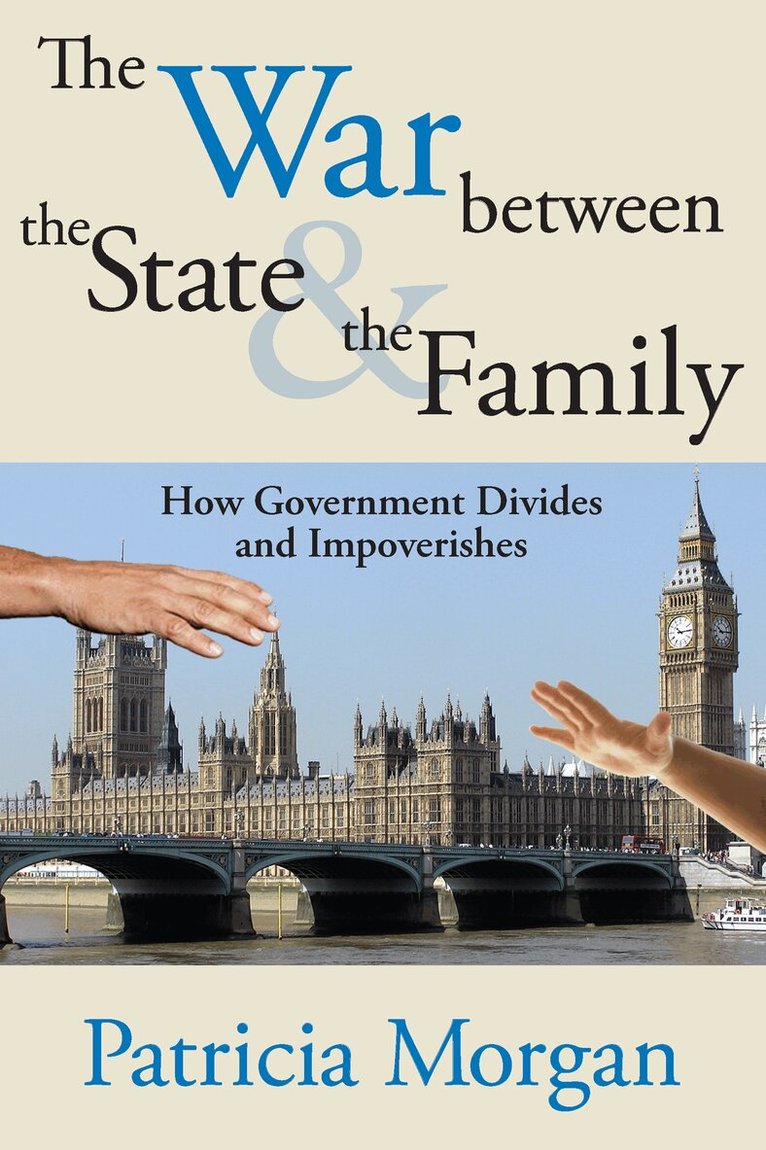
740 kr
Skickas inom 10-15 vardagar

71 kr
Läs direkt efter köp

71 kr
Läs direkt efter köp

229 kr
Skickas inom 5-8 vardagar

84 kr
Läs direkt efter köp

55 kr
Läs direkt efter köp

137 kr
Läs direkt efter köp

242 kr
Skickas inom 5-8 vardagar

150 kr
Skickas inom 5-8 vardagar

145 kr
Skickas inom 5-8 vardagar

151 kr
Skickas inom 5-8 vardagar

242 kr
Skickas inom 5-8 vardagar

242 kr
Skickas inom 5-8 vardagar

222 kr
Skickas inom 5-8 vardagar

357 kr
Skickas inom 3-6 vardagar

215 kr
Tillfälligt slut

276 kr
Tillfälligt slut