Patricia Saldarriaga - Böcker
Visar alla böcker från författaren Patricia Saldarriaga. Handla med fri frakt och snabb leverans.
4 produkter
4 produkter
369 kr
Skickas inom 7-10 vardagar
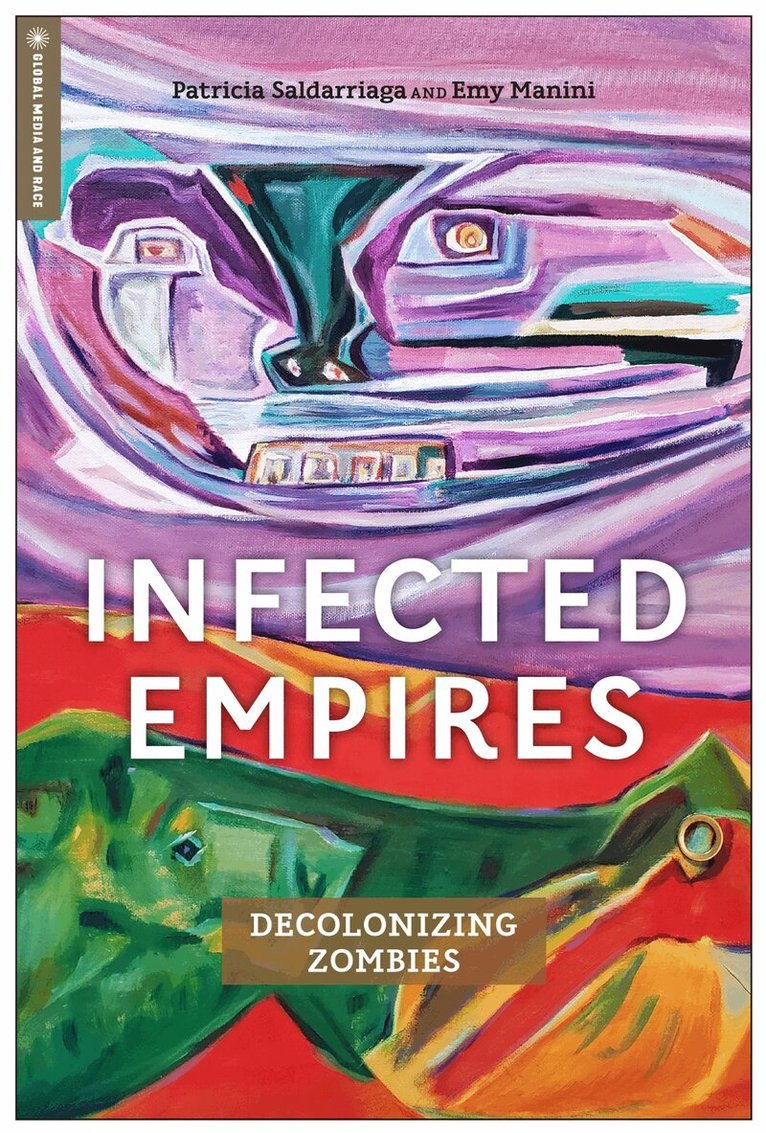
Given the current moment—polarized populations, increasing climate fears, and decline of supranational institutions in favor of a rising tide of nationalisms—it is easy to understand the proliferation of apocalyptic and dystopian elements in popular culture. Infected Empires examines one of the most popular figures in contemporary apocalyptic film: the zombie. This harbinger of apocalypse reveals bloody truths about the human condition, the wounds of history, and methods of contending with them. Infected Empires considers parallels in the zombie genre to historical and current events on different political, theological and philosophical levels, and proposes that the zombie can be read as a figure of decolonization and an allegory of resistance to oppressive structures that racialize, marginalize, disable, and dispose of bodies. Studying films from around the world, including Latin America, Asia, Africa, the US, and Europe, Infected Empires presents a vision of a global zombie that points toward a posthuman and feminist future.
897 kr
Skickas inom 7-10 vardagar
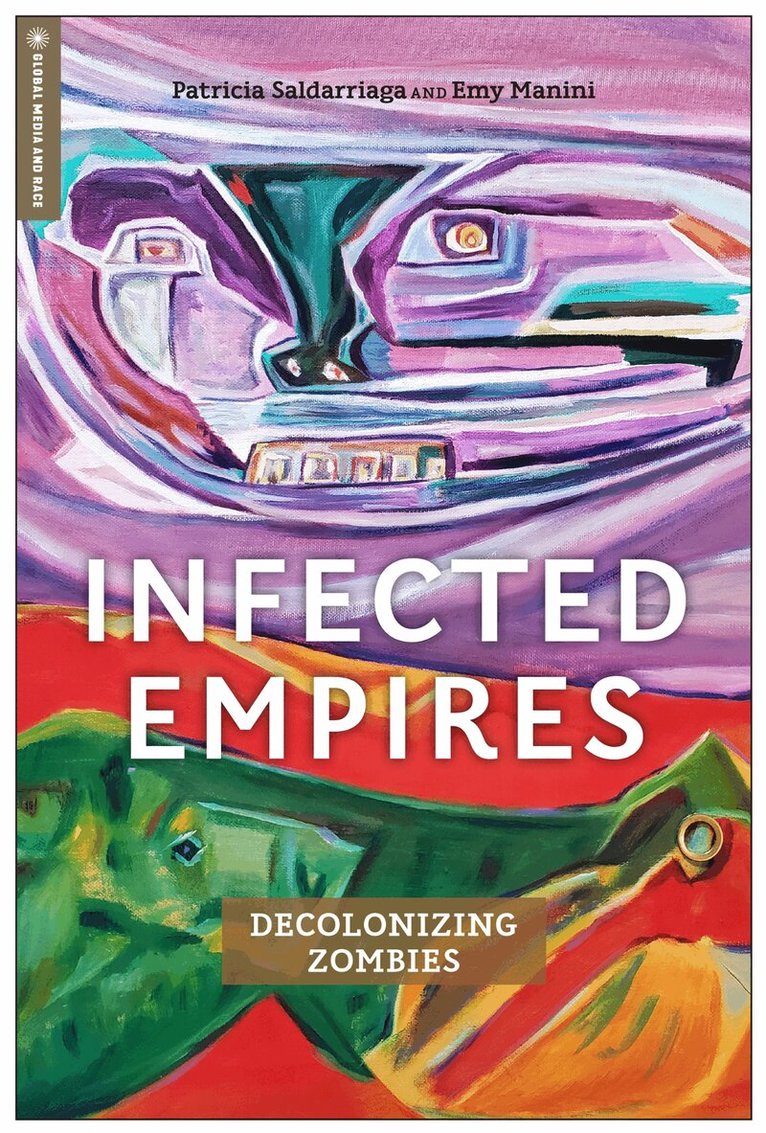
Given the current moment—polarized populations, increasing climate fears, and decline of supranational institutions in favor of a rising tide of nationalisms—it is easy to understand the proliferation of apocalyptic and dystopian elements in popular culture. Infected Empires examines one of the most popular figures in contemporary apocalyptic film: the zombie. This harbinger of apocalypse reveals bloody truths about the human condition, the wounds of history, and methods of contending with them. Infected Empires considers parallels in the zombie genre to historical and current events on different political, theological and philosophical levels, and proposes that the zombie can be read as a figure of decolonization and an allegory of resistance to oppressive structures that racialize, marginalize, disable, and dispose of bodies. Studying films from around the world, including Latin America, Asia, Africa, the US, and Europe, Infected Empires presents a vision of a global zombie that points toward a posthuman and feminist future.
361 kr
Skickas inom 7-10 vardagar
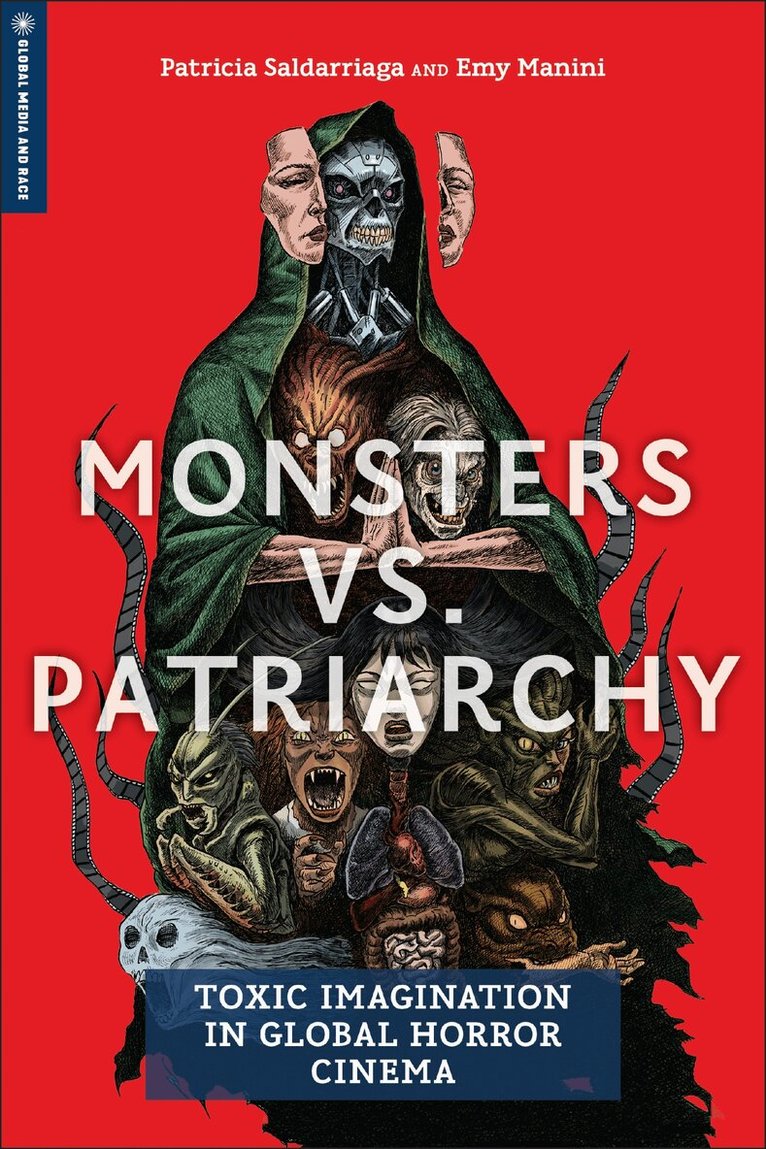
Across the globe, the violent effects of patriarchy are manifest. Women, trans people, gender-nonconforming people, and the racialized Other are regularly subjected to physical danger, beginning with the denial of vitally important health care, and, in its most horrific form, rape, trafficking, and murder. Monsters vs. Patriarchy links these real-world horrors to the monstrification and dehumanization of people as expressed in contemporary global cinema. This monstrification has been achieved through a toxic imagination attributed to women, a trait that historically referred to the power of women to negatively affect others, including their own children in the womb, with only the use of their imagination. This process reflects the misogynist and racist world in which we live, where female bodies, people of color, and alternative identities represent a threat to patriarchal power.Monsters vs. Patriarchy examines female monstrosity as it appears in horror films from around the world and considers specific political, scientific, and historical contexts to better understand how we construct and reconstruct monstrosity, using an intersectional approach to examine the imposition of gender and racial hierarchies that support national power structures. The authors contend that monstrous female cinematic subjects, including ghosts, witches, cannibals, and posthuman beings, are becoming empowered, using the tools of their monstrification to smash the colonial, white supremacist, and misogynist structures that created them.
1 369 kr
Skickas inom 7-10 vardagar
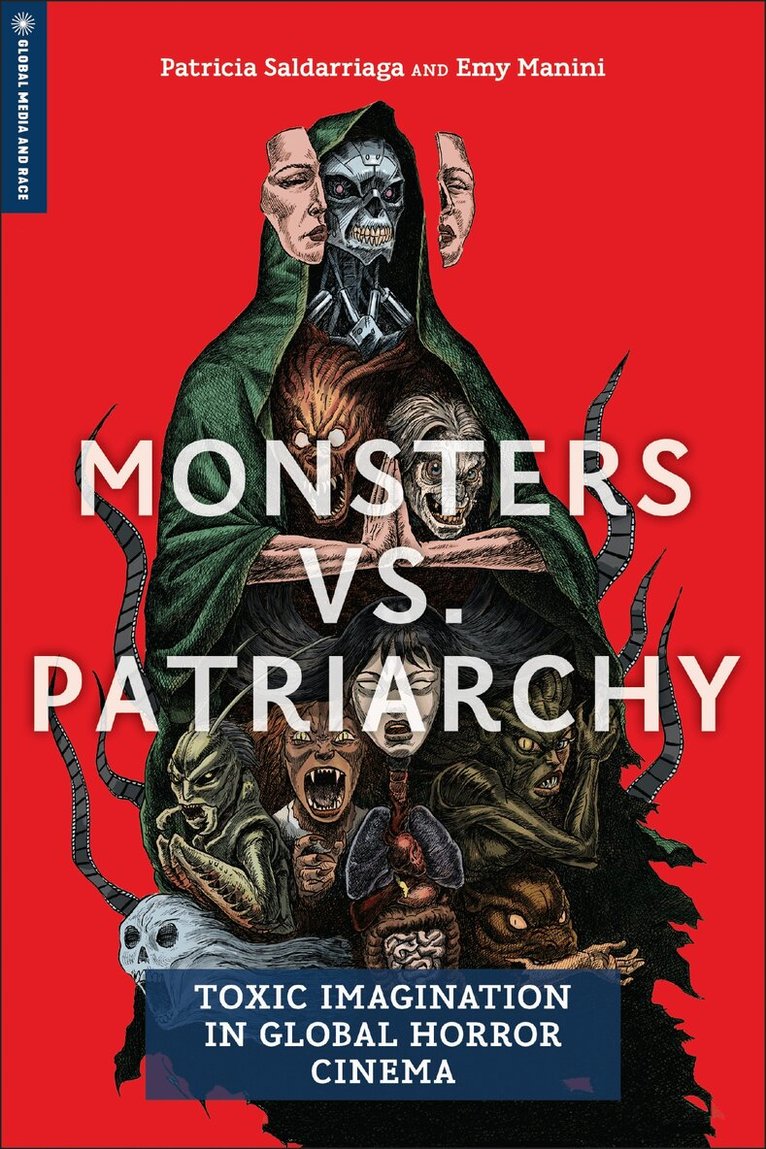
Across the globe, the violent effects of patriarchy are manifest. Women, trans people, gender-nonconforming people, and the racialized Other are regularly subjected to physical danger, beginning with the denial of vitally important health care, and, in its most horrific form, rape, trafficking, and murder. Monsters vs. Patriarchy links these real-world horrors to the monstrification and dehumanization of people as expressed in contemporary global cinema. This monstrification has been achieved through a toxic imagination attributed to women, a trait that historically referred to the power of women to negatively affect others, including their own children in the womb, with only the use of their imagination. This process reflects the misogynist and racist world in which we live, where female bodies, people of color, and alternative identities represent a threat to patriarchal power.Monsters vs. Patriarchy examines female monstrosity as it appears in horror films from around the world and considers specific political, scientific, and historical contexts to better understand how we construct and reconstruct monstrosity, using an intersectional approach to examine the imposition of gender and racial hierarchies that support national power structures. The authors contend that monstrous female cinematic subjects, including ghosts, witches, cannibals, and posthuman beings, are becoming empowered, using the tools of their monstrification to smash the colonial, white supremacist, and misogynist structures that created them.