Patricia Vilches - Böcker
Visar alla böcker från författaren Patricia Vilches. Handla med fri frakt och snabb leverans.
6 produkter
6 produkter
1 245 kr
Skickas inom 10-15 vardagar
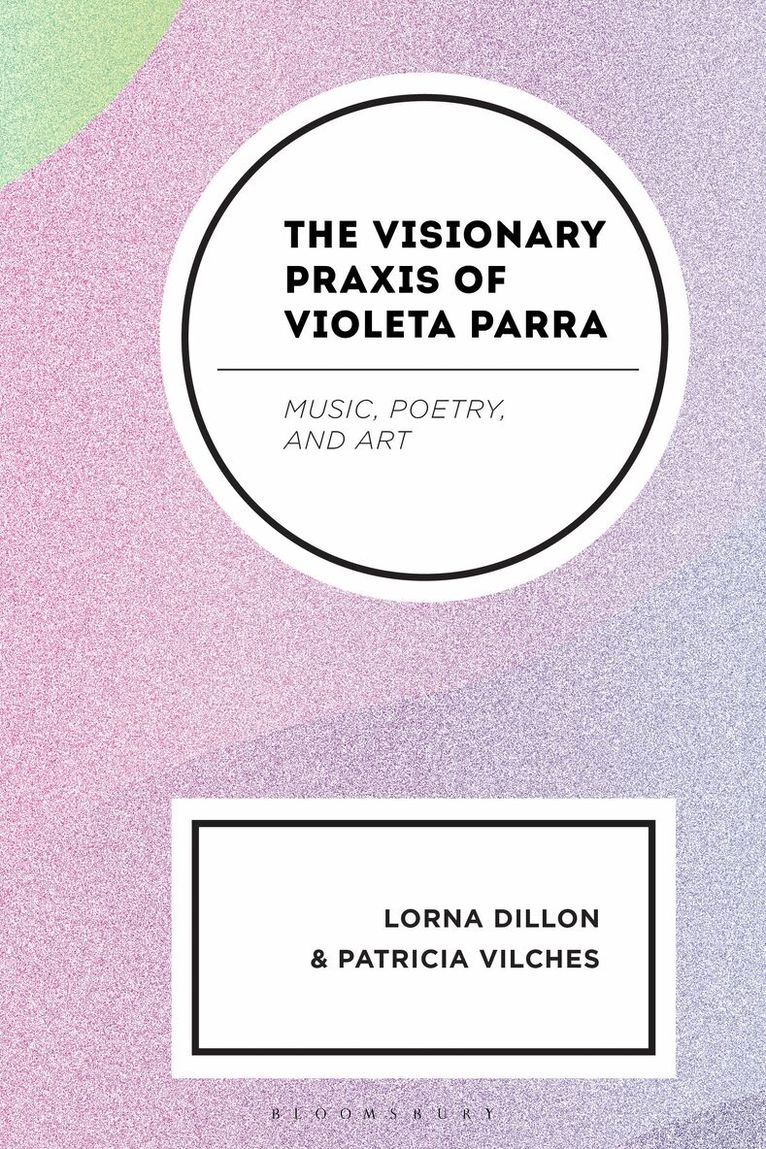
This book examines Chilean singer-songwriter, visual artist, poet and ethnographer Violeta Parra (1917–1967). Parra perceived her multiple outputs to be unified and continuous with her own self, demonstrating unequalled artistic agency in a hybrid creative space that she personally constructed and embraced via her poetry, music, and her visual art.The Visionary Praxis of Violeta Parra: Music, Poetry, and Art analyzes the hybrid artistic space of Chilean icon Violeta Parra (1917–1967). Lorna Dillon and Patricia Vilches examine the forces, connections, disruptions, and juxtapositions in the music that Parra compiled and composed; the art that she generated, and the poetry that she produced. The authors explore Parra’s profound desire to preserve and retain cultural tradition even as she blended, transformed, and embraced notions of modernity and the avant-garde.Parra was shaped by Ñuble, the region where she was born, and she absorbed the cultural diversity of Chile’s Central Valley. The vicissitudes and changes of her life inform her artistic creations in foundational ways. The authors explore how Parra’s artistic production matured during periods of relentless and sustained creative activity and intense effort which she viewed as continuous with, and inseparable from, her own representation of self.
443 kr
Skickas inom 10-15 vardagar
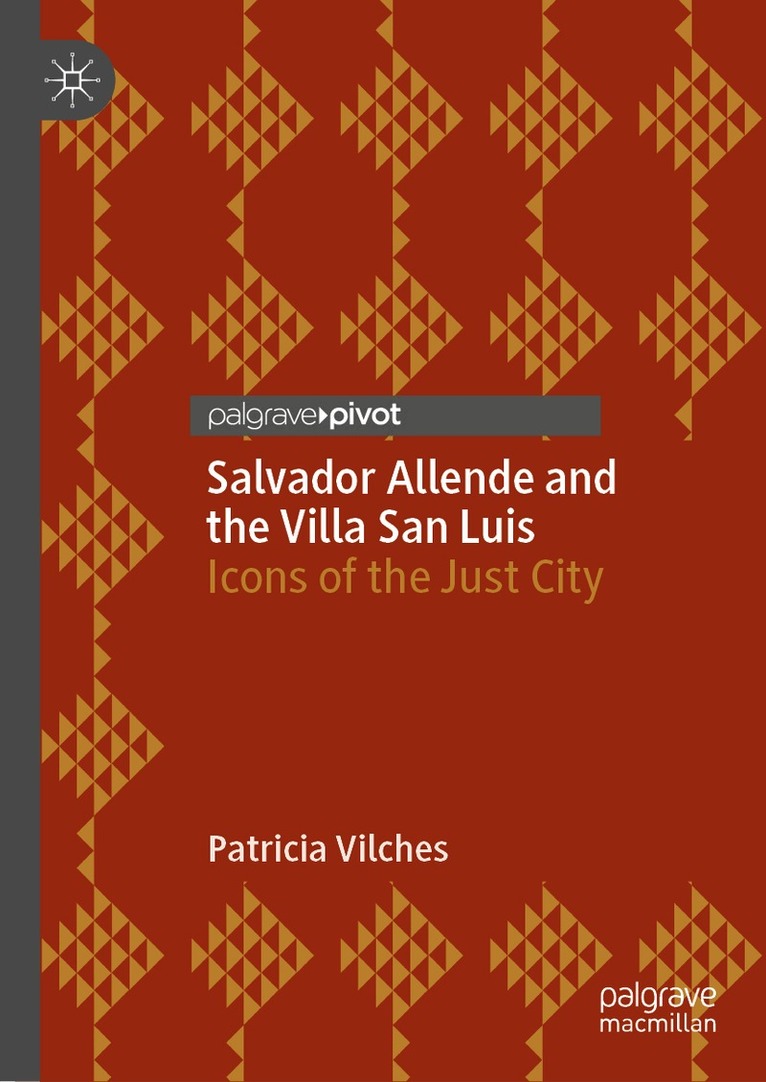
Through the history of this housing complex, this book illuminates Salvador Allende’s dedication to the imperative of the right to the city for Chile’s marginalized people.
443 kr
Skickas inom 10-15 vardagar
Through the history of this housing complex, this book illuminates Salvador Allende’s dedication to the imperative of the right to the city for Chile’s marginalized people. Built in affluent Las Condes in Santiago, on what is arguably the most expensive parcel of land in Chile, the Villa San Luis was one of Salvador Allende’s most visible and dramatic social projects. Allende’s six-year term was ended in the middle by a military coup d’état on 11th September 1973. Yet, material culture from Villa San Luis remains to convey the legacy of his commitment to providing disadvantaged families with dignified housing. It is a national lieu de mémoire and an iconic space, a reminder of a truly remarkable innovation in social housing and of Allende’s personal and political commitment to making Santiago a just city. Postcoup, the remains of the complex also relate the wider injustice of the Pinochet regime. Many of its families were violently evicted during the dictatorship. Some were dispossessed, taken away from Las Condes in garbage trucks, and dumped in poor communities around Santiago. The land was usurped by Pinochet on behalf of the army and later sold to developers to construct high-rise symbols of a new, neoliberal Chile. Over the decades, however, former residents fought back and, in 2020, they succeeded in making its one remaining structure, remnants of Block 14, a memorialized place of justice and reconciliation. It now a national monument and museum.
702 kr
Skickas inom 10-15 vardagar
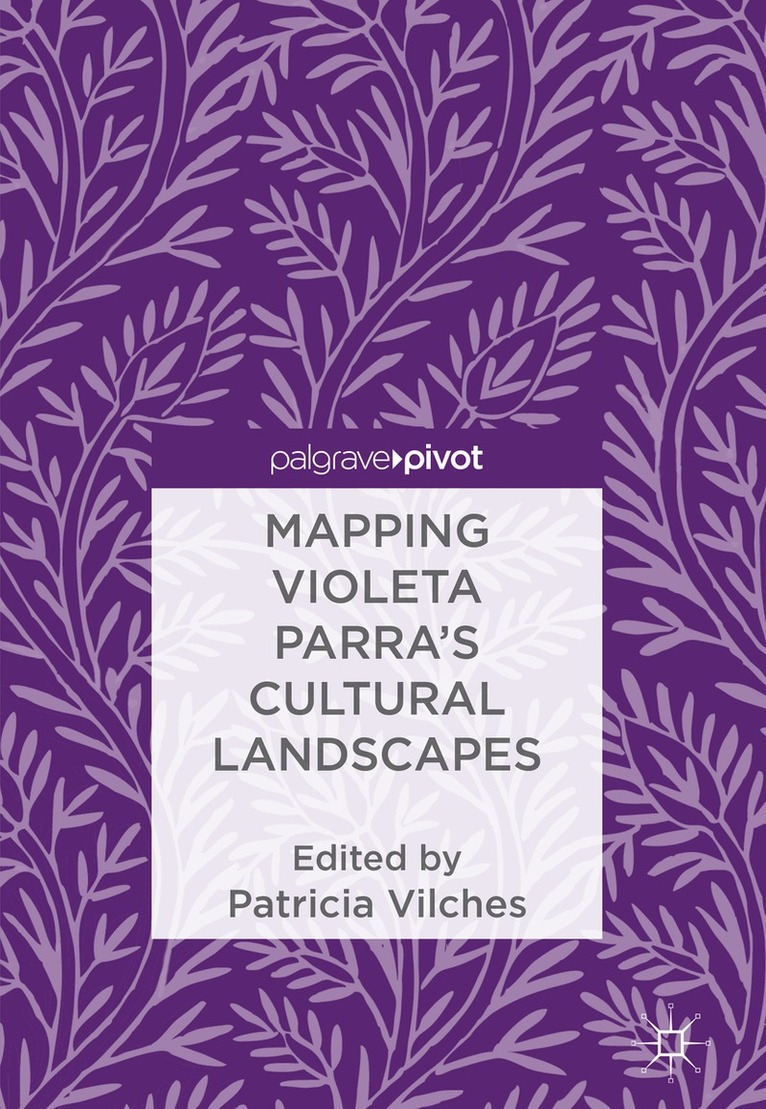
One of the leading figures in Latin American folk music and art during her lifetime, Violeta Parra was a vital force in the artistic, musical, visual, cultural, and social cultural production of the Chilean 1960s.
702 kr
Skickas inom 10-15 vardagar
One of the leading figures in Latin American folk music and art during her lifetime, Violeta Parra was a vital force in the artistic, musical, visual, cultural, and social cultural production of the Chilean 1960s.
2 109 kr
Skickas inom 5-8 vardagar
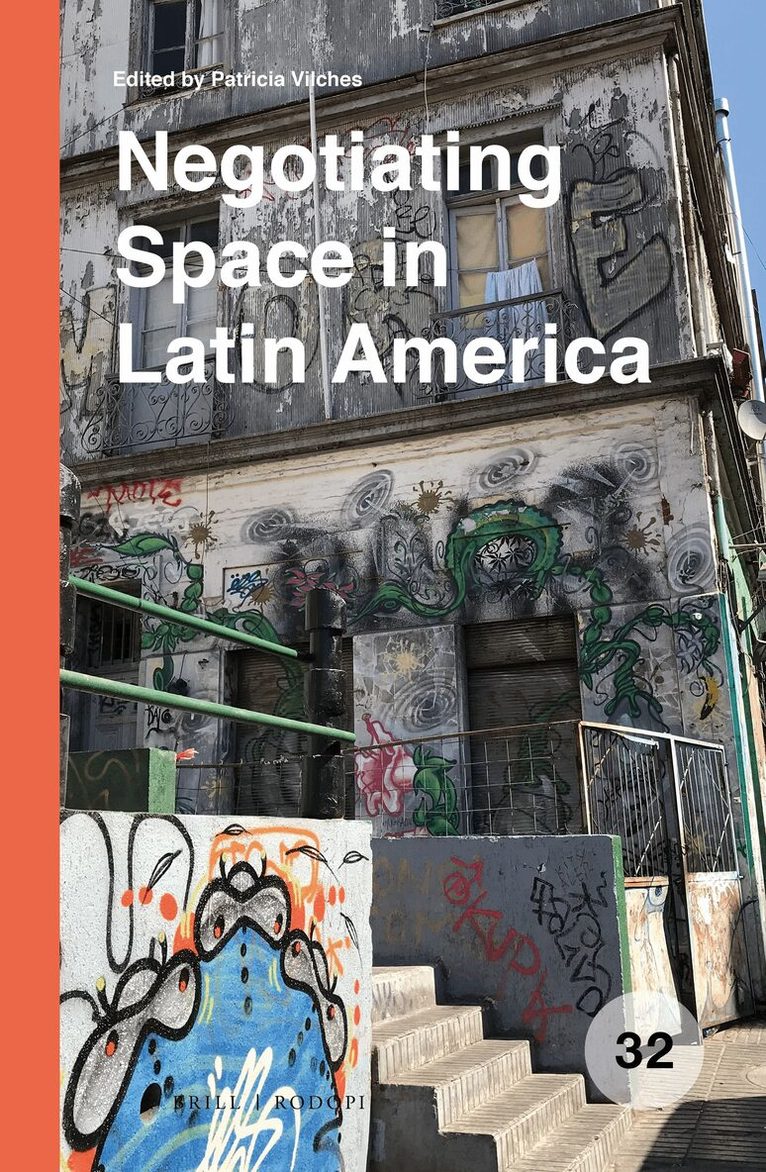
Winner of the 2020 “Outstanding Academic Title” Award, created by Choice Magazine.In Negotiating Space in Latin America, edited by Patricia Vilches, contributors approach spatial practices from multidisciplinary angles. Drawing on cultural studies, film studies, gender studies, geography, history, literary studies, sociology, tourism, and current events, the volume advances innovative conceptualizations on spatiality and treats subjects that range from nineteenth century-nation formation to twenty-first century social movements.Latin America has endured multiple spatial transformations, which contributors analyze from the perspective of the urban, the rural, the market, and the political body. The essays collected here signal how spatial processes constantly shape societal interactions and illuminate the complex relationships between humans and space, emphasizing the role of spatiality in our actions and perceptions.Contributors: Gail A. Bulman, Ana María Burdach Rudloff, James Craine, Angela N. DeLutis-Eichenberger, Carolina Di Próspero, Gustavo Fares, Jennifer Hayward, Silvia Hirsch, Edward Jackiewicz, Magdalena Maiz-Peña, Lucía Melgar, Silvia Nagy-Zekmi, Luis H. Peña, Jorge Saavedra Utman, Rosa Tapia, Juan de Dios Torralbo Caballero, Tera Trujillo, Patricia Vilches, and Gareth Wood.