Patricio Herbst – författare
1 307 kr
Skickas inom 10-15 vardagar
1 091 kr
Skickas inom 10-15 vardagar
1 377 kr
Läs direkt efter köp
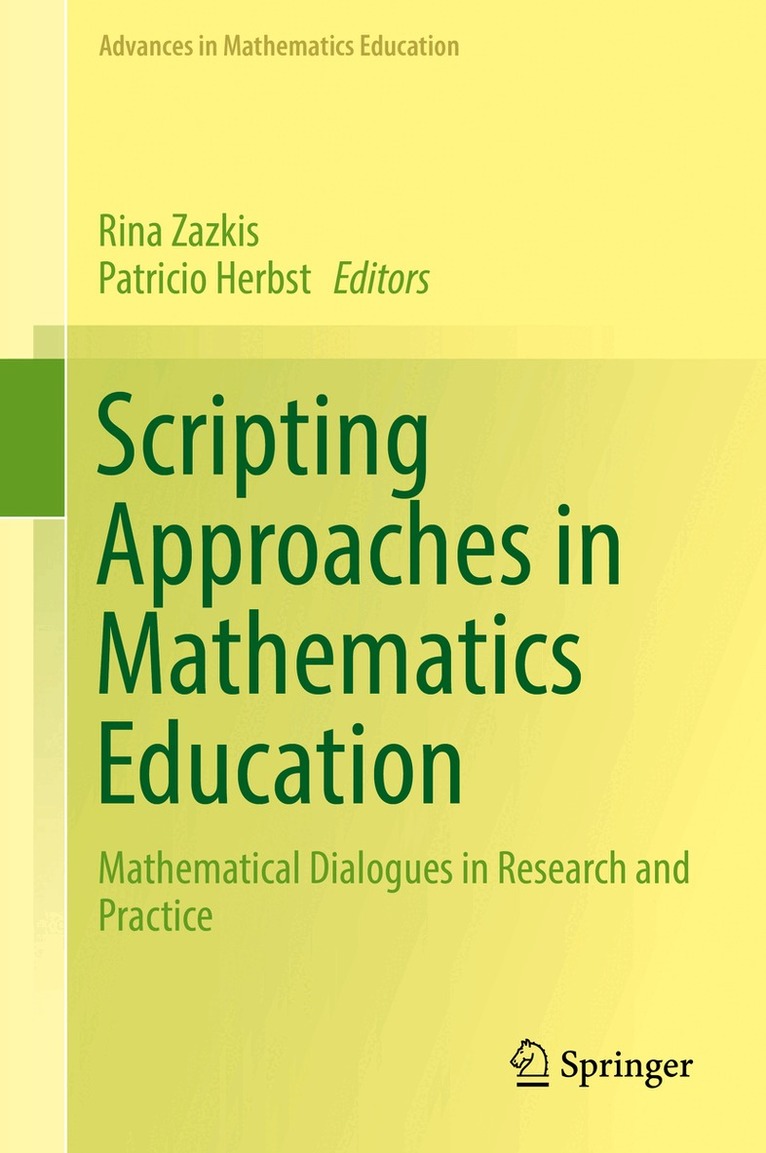
Various chapters argue for the use of dialogical method and highlight its benefits and special features. The chapters examine both “low tech” implementations as well as the use of a technological platform, LessonSketch. The chapters present results of and insights from several recent studies, which utilized scripting in mathematics education research and practice.
1 307 kr
Skickas inom 10-15 vardagar
1 639 kr
Läs direkt efter köp
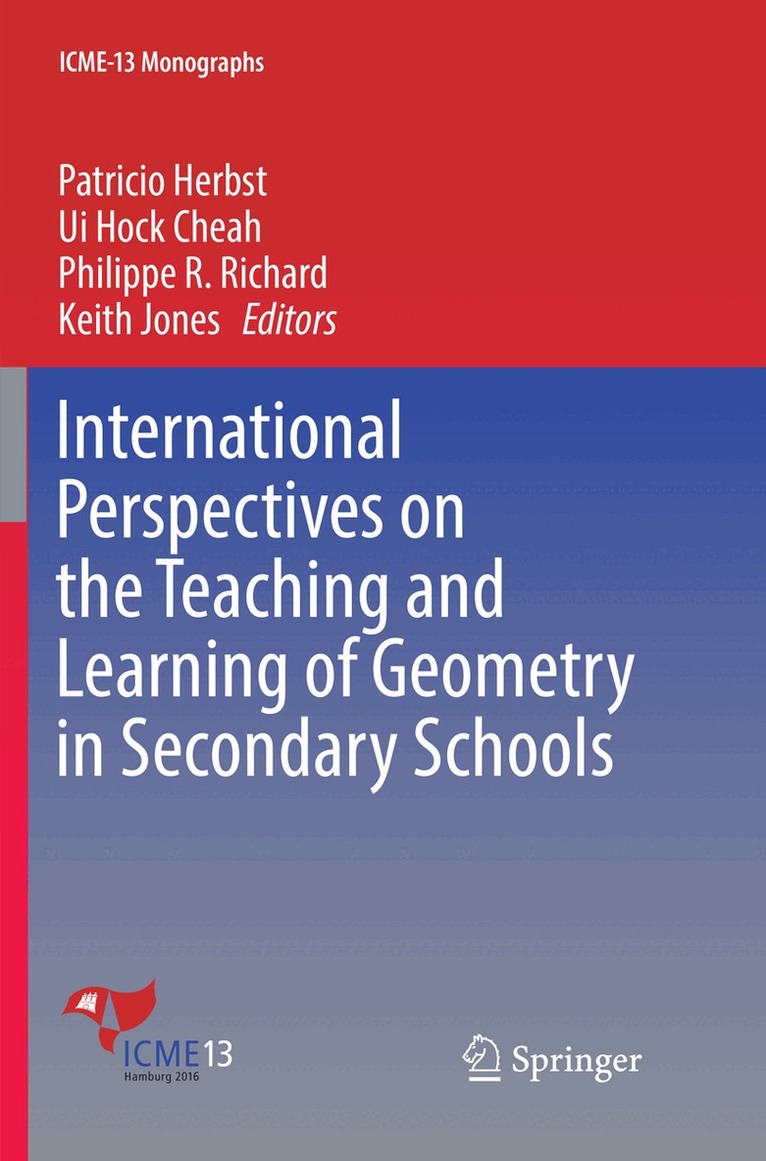
This book presents current perspectives on theoretical and empirical issues related to the teaching and learning of geometry at secondary schools. It contains chapters contributing to three main areas. A first set of chapters examines mathematical, epistemological, and curricular perspectives. A second set of chapters presents studies on geometry instruction and teacher knowledge, and a third set of chapters offers studies on geometry thinking and learning. Specific research topics addressed also include teaching practice, learning trajectories, learning difficulties, technological resources, instructional design, assessments, textbook analyses, and teacher education in geometry.
Geometry remains an essential and critical topic in school mathematics. As they learn geometry, students develop essential mathematical thinking and visualization skills and learn a language that helps them relate to and interact with the physical world. Geometry has traditionally been included as a subject of study in secondary mathematics curricula, but it has also featured as a resource in out-of-school problem solving, and has been connected to various human activities such as sports, games, and artwork. Furthermore, geometry often plays a role in teacher preparation, undergraduate mathematics, and at the workplace. New technologies, including dynamic geometry software, computer-assisted design software, and geometric positioning systems, have provided more resources for teachers to design environments and tasks in which students can learn and use geometry. In this context, research on the teaching and learning of geometry will continue to be a key element on the research agendas of mathematics educators, as researchers continue to look for ways to enhance student learning and to understand student thinking and teachers’ decision making.
1 091 kr
Skickas inom 10-15 vardagar