Patrick M. Bray - Böcker
Visar alla böcker från författaren Patrick M. Bray. Handla med fri frakt och snabb leverans.
4 produkter
4 produkter
625 kr
Skickas
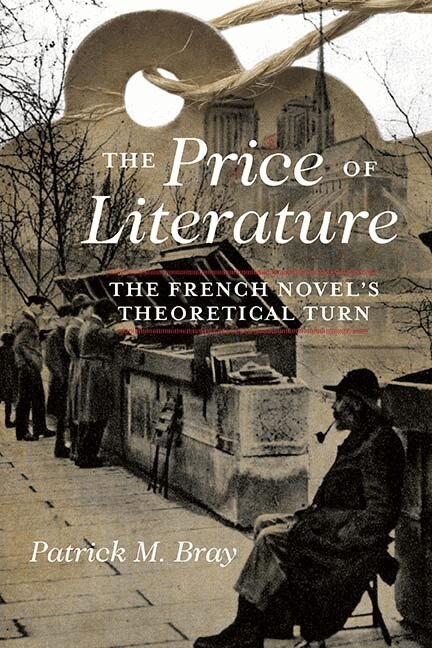
The Price of Literature examines the presence of theory in the nineteenth-century French novel, something Proust likened to leaving a price tag on a gift. Emerging after the French Revolution, what we now call literature was conceived as an art liberated from representational constraints. Patrick M. Bray shows how literature's freedom to represent anything at all has meant, paradoxically, that it cannot articulate a coherent theory of itself—unless this theory is a necessarily subversive literary representation, or “the novel's theoretical turn.”Literary thought, or the theory produced by the text, can only function by exploring what escapes dominant representations. The Price of Literature analyzes how certain iconic texts from the nineteenth century (by Mme de Staël, Hugo, Balzac, Flaubert, and Proust) perform a theoretical turn to claim the freedom to represent anything in the world, but also literature's ability to transform the world it represents. The conclusion, “Distributions of Literature,” advances a new way of thinking about literary scholarship—one based on how literature redistributes ways of writing by lending form to thought.
1 475 kr
Skickas inom 10-15 vardagar
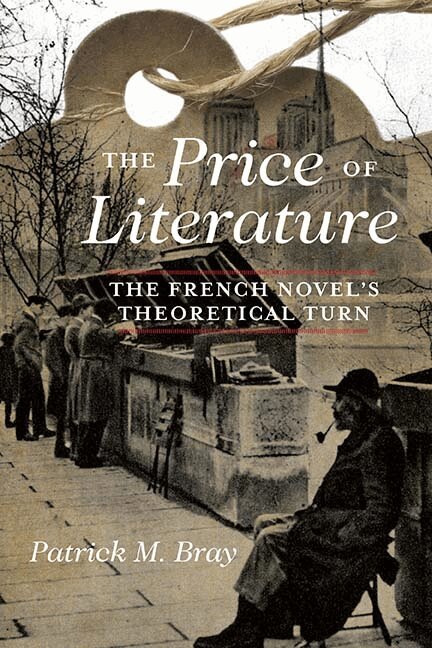
The Price of Literature examines the presence of theory in the nineteenth-century French novel, something Proust likened to leaving a price tag on a gift. Emerging after the French Revolution, what we now call literature was conceived as an art liberated from representational constraints. Patrick M. Bray shows how literature's freedom to represent anything at all has meant, paradoxically, that it cannot articulate a coherent theory of itself—unless this theory is a necessarily subversive literary representation, or “the novel's theoretical turn.”Literary thought, or the theory produced by the text, can only function by exploring what escapes dominant representations. The Price of Literature analyzes how certain iconic texts from the nineteenth century (by Mme de Staël, Hugo, Balzac, Flaubert, and Proust) perform a theoretical turn to claim the freedom to represent anything in the world, but also literature's ability to transform the world it represents. The conclusion, “Distributions of Literature,” advances a new way of thinking about literary scholarship—one based on how literature redistributes ways of writing by lending form to thought.
2 108 kr
Skickas inom 10-15 vardagar
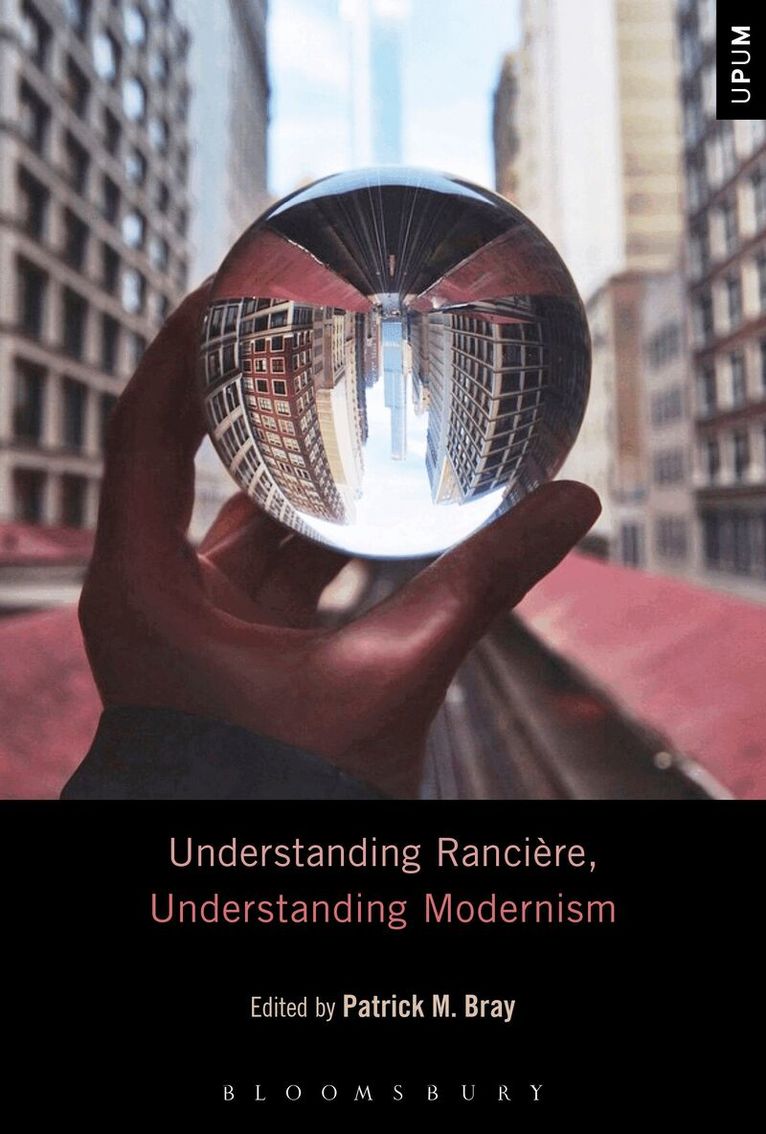
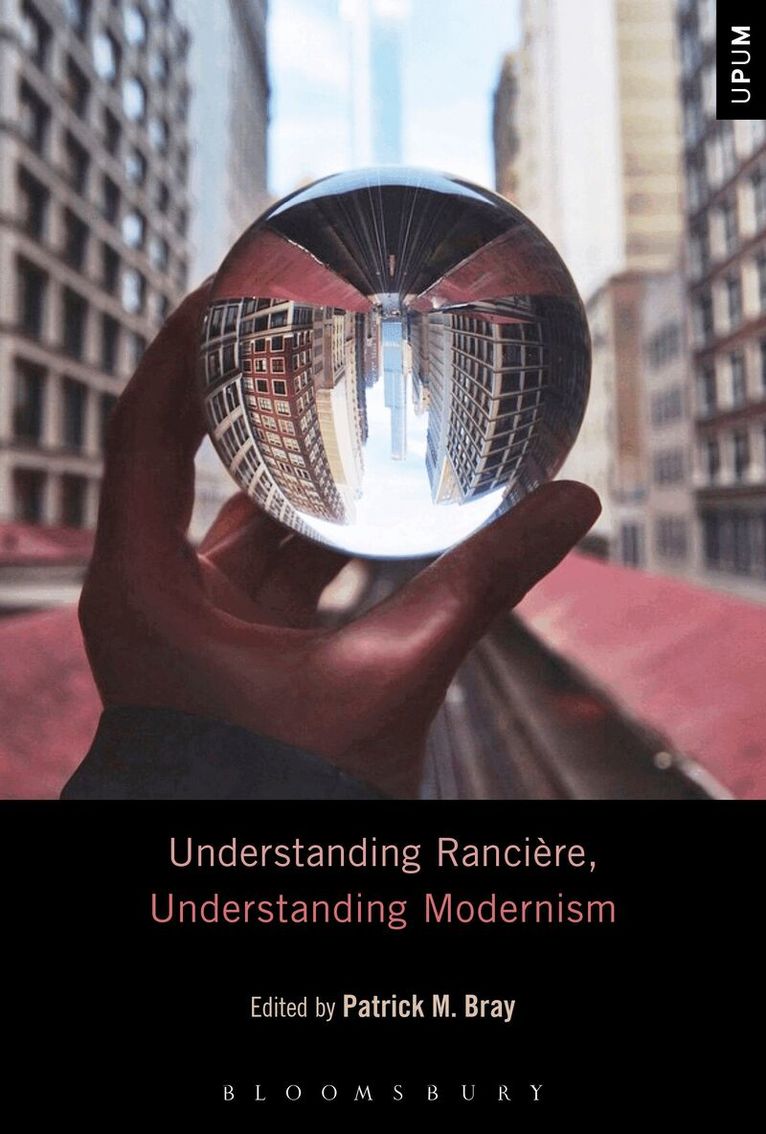
The contemporary philosopher Jacques Rancière has become over the last two decades one of the most influential voices in philosophy, political theory, and literary, art historical, and film criticism. His work reexamines the divisions that have defined our understanding of modernity, such as art and politics, representation and abstraction, and literature and philosophy. Working across these divisions, he engages the historical roots of modernism at the end of the eighteenth century, uncovering forgotten texts in the archive that trouble our notions of intellectual history. The contributors to Understanding Rancière, Understanding Modernism engage with the multiplicity of Rancière’s thought through close readings of his texts, through comparative readings with other philosophers, and through an engagement with modernist works of art and literature. The final section of the volume includes an extended glossary of the most important terms used by Rancière, which will be a valuable resource for experts and students alike.
561 kr
Skickas inom 10-15 vardagar
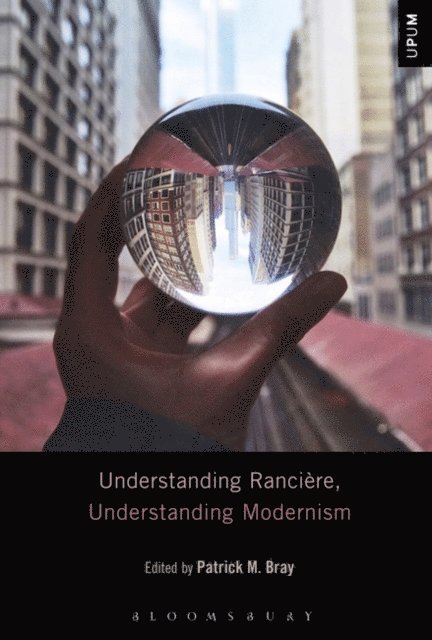
The contemporary philosopher Jacques Rancière has become over the last two decades one of the most influential voices in philosophy, political theory, and literary, art historical, and film criticism. His work reexamines the divisions that have defined our understanding of modernity, such as art and politics, representation and abstraction, and literature and philosophy. Working across these divisions, he engages the historical roots of modernism at the end of the eighteenth century, uncovering forgotten texts in the archive that trouble our notions of intellectual history. The contributors to Understanding Rancière, Understanding Modernism engage with the multiplicity of Rancière’s thought through close readings of his texts, through comparative readings with other philosophers, and through an engagement with modernist works of art and literature. The final section of the volume includes an extended glossary of the most important terms used by Rancière, which will be a valuable resource for experts and students alike.