260 kr
Skickas inom 5-8 vardagar
260 kr
Skickas inom 5-8 vardagar
1 789 kr
Läs direkt efter köp
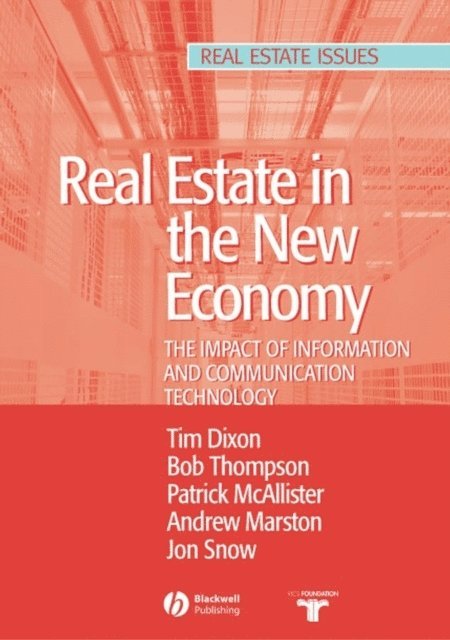
Printing, steam power; canals and railroads; mass media and, more recently, information and communications technology (ICT) have brought about major changes in both organisational and economic structures over the centuries. On the one hand, there has been much hype about the role that ICT would play in eliminating the need for physical real estate space; and on the other, some have suggested that institutional factors and fixed costs mitigate against transformative change in real estate.
Building on the authors'' own research and a growing body of new, international findings in the field, the book provides a balanced view between these two positions. It will demonstrate how ICT affects the shape and form of real estate in our towns and cities, with other forces in the new economy.
The book:
examines how ICT and organisational change, combined with social, political and economic factors, affects real estate space demand analyses how real estate strategies are changing to reflect these trends shows how technology affects the geography and space of real estate and infrastructure in our towns and cities investigates future urban shape and form.193 kr
Läs direkt efter köp
1 138 kr
Skickas inom 3-6 vardagar
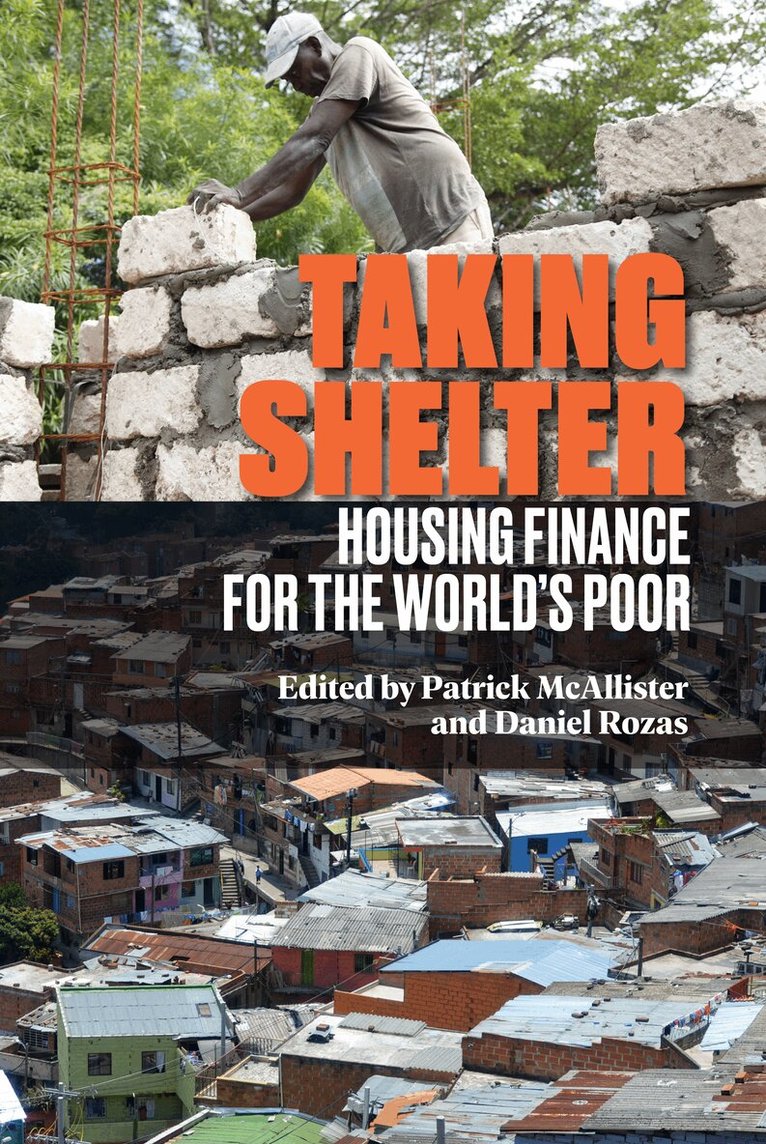
Taking Shelter: Housing Finance for the World's Poor explores recent innovations in housing microfinance, presented by the innovators themselves: from field researchers and financial providers, to investors and regulators. It is a key reference to any reader interested in expanding housing finance for the world's poor.
How do low-income families, representing some 70% of the world's population, finance home building and improvements - and how is the financial sector, from microfinance institutions and banks to investors and regulators, changing to serve their needs?
The practice of housing microfinance has evolved substantially, with a large number of innovations across the entire housing financing ecosystem. New research methodologies, such as financial diaries, have yielded a deeper and more nuanced understanding of how poor households use finance, both formal and informal, to construct their homes.
The housing finance industry is also growing. The home improvement loans that are at the heart of housing microfinance are offered in hundreds of institutions, leading to important lessons on how they work. Meanwhile, a new class of institutions - micro-mortgage lenders - have emerged to fill the space between housing microfinance and traditional mortgage lending.
On the funding side, debt funding is now available to finance or re-finance housing microfinance loans; while other investors have carved out a new role for equity investing in housing finance - showing the critical role that private investors can play. And now a new breed of public wholesale financing has emerged, showing the catalytic role public sector investment can play in encouraging housing finance markets in their countries.
This volume explores recent innovations in housing microfinance, presented by the innovators themselves: a range of leading experts in the field, from field researchers and financial providers, to investors and regulators. It is a key reference to any reader interested in expanding housing finance for the world's poor.
422 kr
Skickas inom 3-6 vardagar
279 kr
Tillfälligt slut