Patrick Mullins – författare
710 kr
Läs direkt efter köp
Choice Outstanding Academic Title
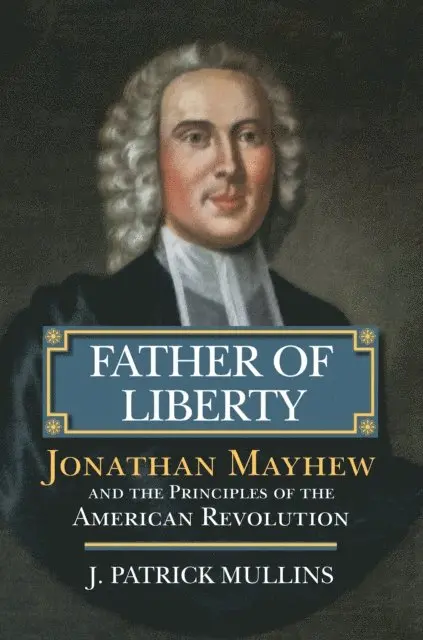
Dr. Jonathan Mayhew (1720–1766) was, according to John Adams, a “transcendental genius . . . who threw all the weight of his great fame into the scale of the country in 1761, and maintained it there with zeal and ardor till his death.” He was also, J. Patrick Mullins contends, the most politically influential clergyman in eighteenth-century America and the intellectual progenitor of the American Revolution in New England. Father of Liberty is the first book to fully explore Mayhew’s political thought and activism, understood within the context of his personal experiences and intellectual influences, and of the cultural developments and political events of his time. Analyzing and assessing his contributions to eighteenth-century New England political culture, the book demonstrates Mayhew’s critical contribution to the intellectual origins of the American Revolution.
As pastor of the Congregationalist West Church in Boston, Mayhew championed the principles of natural rights, constitutionalism, and resistance to tyranny in press and pulpit from 1750 to 1766. He did more than any other clergyman to prepare New England for disobedience to British authority in the 1760s—and should, Mullins argues, be counted alongside such framers and fomenters of revolutionary thought as James Otis, Patrick Henry, and Samuel Adams. Though many commentators from John Adams on down have acknowledged his importance as a popularizer of Whig political principles, Father of Liberty is the first extended, in-depth examination of Mayhew’s political writings, as well as the cultural process by which he engaged with the public and disseminated those principles. As such, even as the book restores a key figure to his place in American intellectual and political history, it illuminates the meaning of the Revolution as a political and constitutional conflict informed by the religious and political ideas of the British Enlightenment.
314 kr
Läs direkt efter köp
250 kr
Skickas
219 kr
Läs direkt efter köp
For the past nine years, the ABC has been besieged. Its funding has been slashed. It has been assailed by complaints from ministers and prime ministers. Its board has been stacked with political appointees. It has been relentlessly attacked by commercial media outlets. And it has endured crisis after crisis.
Who Needs the ABC? charts how, in its 90th year, the best-trusted news organisation in Australia arrived at its current plight: doing the most it ever has, with less than it needs, under a barrage of constant criticism.
This book examines the profound changes that have swept through the Australian media, technology, and political landscapes in the past decade, and explores the tense relationship between the ABC and governments of both stripes over the last 40 years. It dispels any complacency about the ABC’s future by charting the very real threat now posed by the Liberal– National Party coalition, and the damage that it has done to the ABC while in office.
Who Needs the ABC? identifies the vital role that the ABC plays in Australia today: in its award-winning journalism, in its vast array of cultural programming on television, on radio, and online, and in the comprehensive service it provides to people across the country.
At a time when the truth has to vie with obfuscation and misinformation, this book offers a rejoinder to the ABC’s critics, points to solutions that will see the ABC thrive, and answers the question posed here: Who Needs the ABC? We all do.
231 kr
Skickas inom 5-8 vardagar
369 kr
Läs direkt efter köp
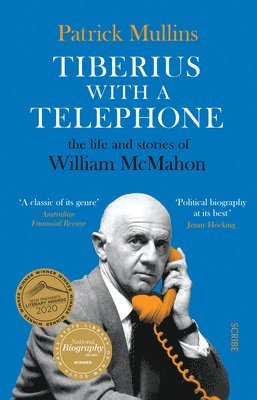
Winner of the 2020 Australian National Biography Award and the 2020 NSW Premier’s Non-Fiction Award.
The oddly compelling story of a man regarded as Australia’s worst prime minister.
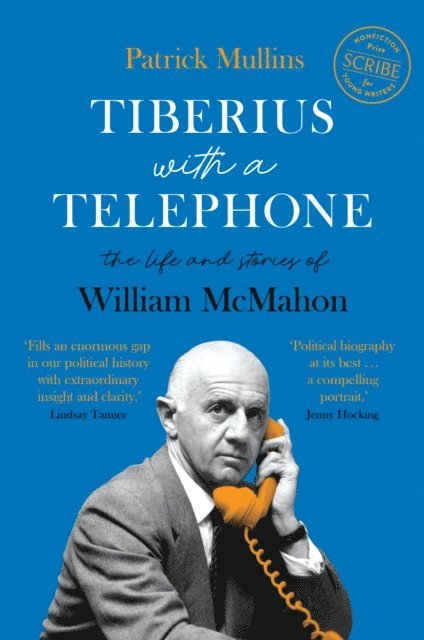
William McMahon was a significant, if widely derided and disliked, figure in Australian politics in the second half of the twentieth century. This biography tells the story of his life, his career, and his doomed attempts to recast views of his much-maligned time as Australia’s prime minister.
After a long ministerial career under Menzies, McMahon became treasurer under Harold Holt, and fought a fierce, bitter war over protectionism with John McEwen. Following Holt’s death in 1967, McEwen had his revenge by vetoing McMahon’s candidature for the Liberal Party’s leadership, and thus paved the way for John Gorton to become prime minister. But almost three years later, amid acrimony and division, McMahon would topple Gorton and fulfill his life’s ambition to become Australia’s prime minister.
In office, McMahon worked furiously to enact an agenda that grappled with the profound changes reshaping Australia. He withdrew combat forces from Vietnam, legislated for Commonwealth government involvement in childcare, established the National Urban and Regional Development Authority and the first Department of the Environment, began phasing out the means test on pensions, sought to control foreign investments, and accelerated the timetable for the independence of Papua New Guinea. But his failures would overshadow his successes, and by the time of the 1972 election McMahon would lead a divided, tired, and rancorous party to defeat.
A man whose life was coloured by tragedy, comedy, persistence, courage, farce, and failure, McMahon’s story has never been told at length. Tiberius with a Telephone fills that gap, using deep archival research and extensive interviews with McMahon’s contemporaries and colleagues. It is a tour de force — an authoritative and colourful account of a unique politician and a vital period in Australia’s history.
296 kr
Läs direkt efter köp
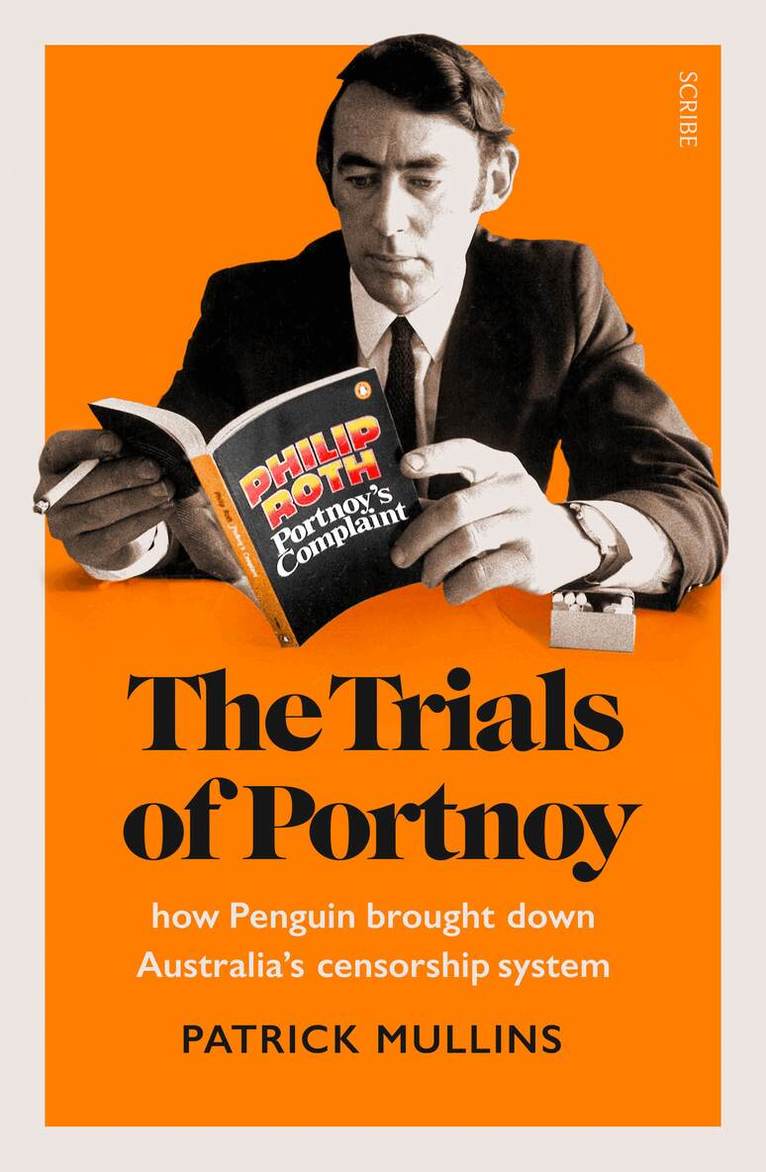
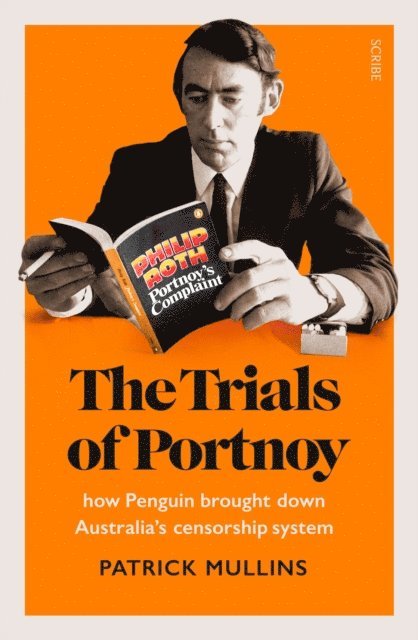
Fifty years after the event, here is the first full account of an audacious publishing decision that — with the help of booksellers and readers around the country — forced the end of literary censorship in Australia.
For more than seventy years, a succession of politicians, judges, and government officials in Australia worked in the shadows to enforce one of the most pervasive and conservative regimes of censorship in the world. The goal was simple: to keep Australia free of the moral contamination of impure literature. Under the censorship regime, books that might damage the morals of the Australian public were banned, seized, and burned; bookstores were raided; publishers were fined; and writers were charged and even jailed. But in the 1970s, that all changed.
In 1970, in great secrecy and at considerable risk, Penguin Books Australia resolved to publish Portnoy’s Complaint — Philip Roth’s frank, funny, and profane bestseller about a boy hung up about his mother and his penis. In doing so, Penguin spurred a direct confrontation with the censorship authorities, which culminated in criminal charges, police raids, and an unprecedented series of court trials across the country.
Sweeping from the cabinet room to the courtroom, The Trials of Portnoy draws on archival records and new interviews to show how Penguin and a band of writers, booksellers, academics, and lawyers determinedly sought for Australians the freedom to read what they wished — and how, in defeating the forces arrayed before them, they reshaped Australian literature and culture forever.
124 kr
Tillfälligt slut