Patrizia Tosini – författare
Visar alla böcker från författaren Patrizia Tosini. Handla med fri frakt och snabb leverans.
2 produkter
2 produkter
504 kr
Skickas
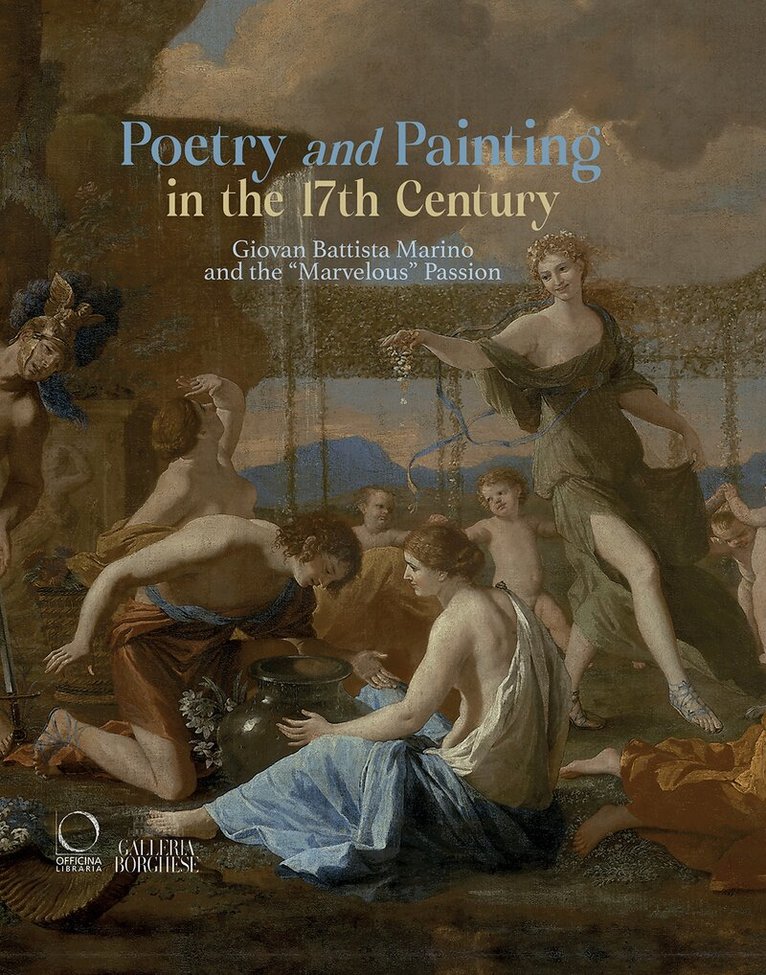
After the season of the great Renaissance painters, the prestige of the figurative arts grew as never before in history. During the 16th century, the artist went from being a common craftsman to holding a status equal to that of the greatest intellectuals of his time. The relationship between poetry and painting was consolidated in the 17th century, and became close, even competitive, when artists and men of letters confronted each other with the same themes. In this framework, the great poetry of Giovan Battista Marino (Naples, 1569-1625) plays a fundamental role. His compositions are rich in visual suggestions, derived as much from direct contact with the art collections he visited during his itinerant life as from the memory of the images of the great artists of the past. The Galeria (1620), one of his most famous books, projects onto the walls of an imaginary gallery the names of the artists and works of art that marked the poet's courtly experience.
Chapels of the Cinquecento and Seicento in the Churches of Rome
Form, Function, Meaning
Häftad, Engelska, 2020
460 kr
Skickas inom 7-10 vardagar
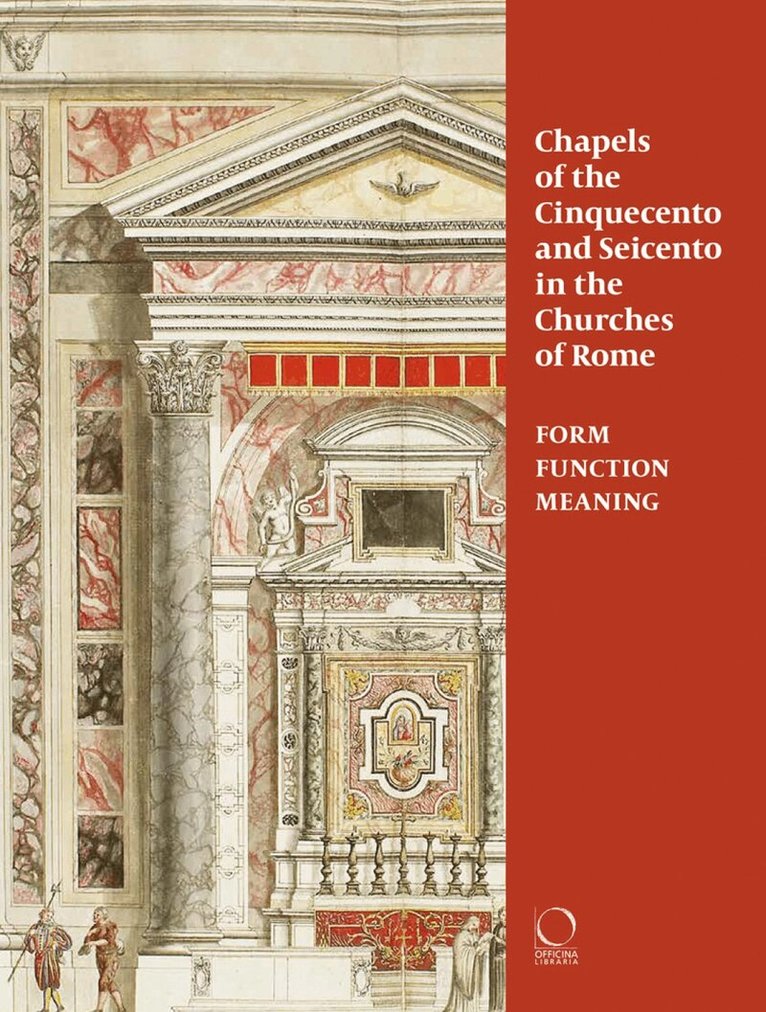
"Seldom does a collection of art history essays leave readers yearning for a second volume..."—Barbara Wisch, Renaissance QuarterlyRoman church interiors throughout the Early Modern age were endowed with rich historical and visual significance. During the sixteenth and seventeenth centuries, in anticipation of and following the Council of Trent, and in response to the expansion of the Roman Curia, the chapel became a singular arena in which wealthy and powerful Roman families, as well as middle-class citizens, had the opportunity to demonstrate their status and role in Roman society. In most cases the chapels were conceived not as isolated spaces, but as part of a more complex system, which involved the nave and the other chapels within the church, in a dialogue among the arts and the patrons of those other spaces. This volume explores this historical and artistic phenomenon through a number of examples involving the patronage of prominent Roman families such as the Chigis, Spadas, Caetanis, Cybos and important artists and architects such as Federico Zuccari, Giacomo della Porta, Carlo Maderno, Alessandro Algardi, Pietro da Cortona, Carlo Maratta.