Patryk Kugiel – författare
Visar alla böcker från författaren Patryk Kugiel. Handla med fri frakt och snabb leverans.
5 produkter
5 produkter
578 kr
Skickas inom 10-15 vardagar
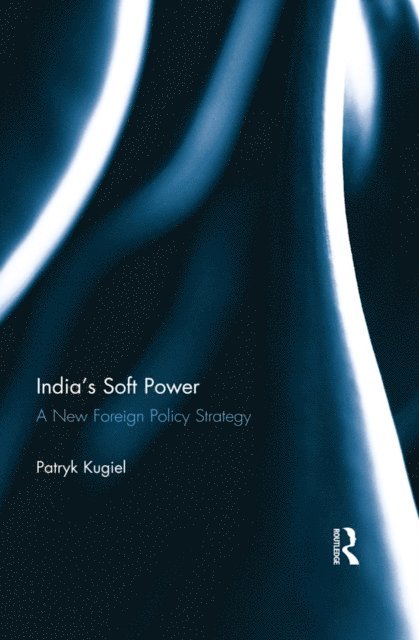
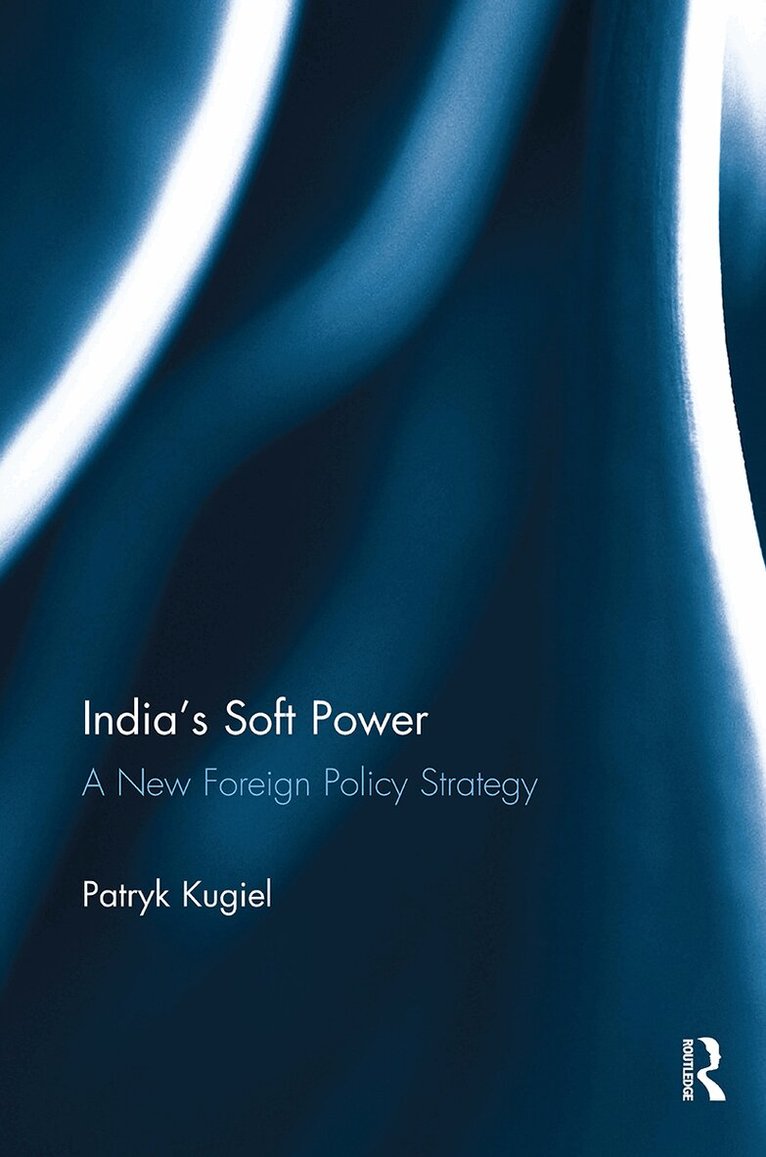
It is sometimes said that, in the 21st century, the country that tells the better story wins, rather than the country whose army can prevail on the battlefield. That ability to attract others, persuade and set the agenda, soft power, plays an increasingly important role in international relations and in Indian foreign policy. However, while most of the rediscovered interest in India has been focused on its hard power attributes, such as its military and economy, this book concentrates on less tangible assets, such as its culture, ideas and people. The first comprehensive analysis of India’s soft power done from an international relations perspective, this book tracks the changes in Indian foreign policy over last two decades to show how soft power strategy, tools and institutions have been given a more prominent place in India’s external affairs. The study evaluates India’s soft power assets and liabilities and shows how the state is trying to make better use of this potential to realise its national interests. It assesses the effectiveness of India’s soft power approach and provides recommendations on possible improvements to make India a major smart power in the future. An intriguing and comprehensive analysis, it will be valuable for students and scholars interested in Indian foreign policy, soft power theory and international relations. Underlining India’s uniqueness, it substantiates the argument that soft power is not confined to the Western world. Thus, it contributes an interesting case study for comparative study of soft powers.Please note: Taylor & Francis does not sell or distribute the Hardback in India, Pakistan, Nepal, Bhutan, Bangladesh and Sri Lanka
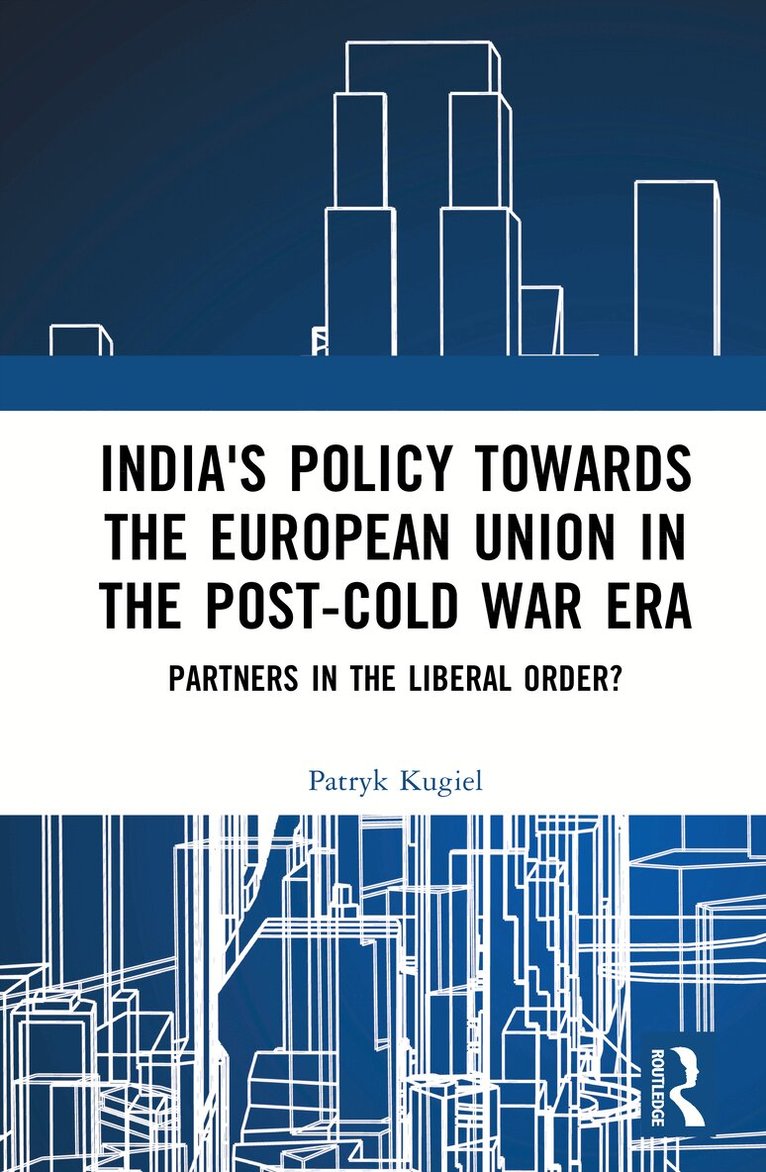
India's Policy Towards the European Union in the Post-Cold War Era
Partners in the Liberal Order?
Inbunden, Engelska, 2025
2 113 kr
Skickas inom 10-15 vardagar
This book charts the remarkable evolution of New Delhi's engagement with the European Union from economic pragmatism to comprehensive strategic partnership. Through rigorous analysis of political dialogues, trade negotiations, and security cooperation from 1991 to present day, the book reveals how India progressively recognized the EU's collective weight in global governance, distinct from its bilateral ties with individual European states. The study highlights pivotal moments where Brussels' institutional influence and Delhi's great-power ambitions converged and explains limitations of their cooperation in the liberal order. The volume will be of great interest to scholars of international institutions, comparative regionalism, and India's global strategy. Researchers examining how middle powers engage with hybrid actors like the EU—neither a traditional state nor a conventional international organization—will find this an indispensable case study. Policymakers navigating contemporary geopolitical realignments will gain critical insights into EU-India coordination on non-proliferation, climate action, and strategic autonomy debates.
1 909 kr
Skickas inom 10-15 vardagar
It is sometimes said that, in the 21st century, the country that tells the better story wins, rather than the country whose army can prevail on the battlefield. That ability to attract others, persuade and set the agenda, soft power, plays an increasingly important role in international relations and in Indian foreign policy. However, while most of the rediscovered interest in India has been focused on its hard power attributes, such as its military and economy, this book concentrates on less tangible assets, such as its culture, ideas and people. The first comprehensive analysis of India’s soft power done from an international relations perspective, this book tracks the changes in Indian foreign policy over last two decades to show how soft power strategy, tools and institutions have been given a more prominent place in India’s external affairs. The study evaluates India’s soft power assets and liabilities and shows how the state is trying to make better use of this potential to realise its national interests. It assesses the effectiveness of India’s soft power approach and provides recommendations on possible improvements to make India a major smart power in the future. An intriguing and comprehensive analysis, it will be valuable for students and scholars interested in Indian foreign policy, soft power theory and international relations. Underlining India’s uniqueness, it substantiates the argument that soft power is not confined to the Western world. Thus, it contributes an interesting case study for comparative study of soft powers.Please note: Taylor & Francis does not sell or distribute the Hardback in India, Pakistan, Nepal, Bhutan, Bangladesh and Sri Lanka
665 kr
Skickas inom 3-6 vardagar
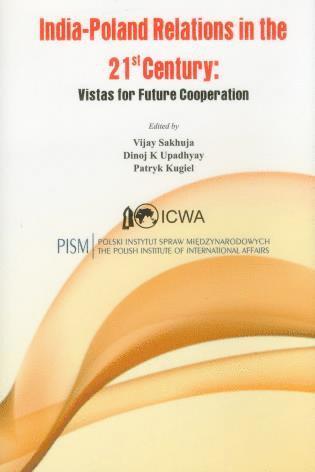
Transformative impacts of the end of the Cold War changed the course of India-Poland relations. Both countries have redefined their foreign policy priorities in the changing dynamics of globalization and new world order. India and Poland are celebrating 60 years of diplomatic relations in 2014 and over the years, their interactions have grown. This volume offers a comprehensive overview of India-Poland relations and explores new vistas for future cooperation.
372 kr
Skickas inom 3-6 vardagar
Transformative impacts of the end of the Cold War changed the course of India-Poland relations. Both countries have redefined their foreign policy priorities in the changing dynamics of globalization and new world order. India and Poland are celebrating 60 years of diplomatic relations in 2014 and over the years, their interactions have grown. This volume offers a comprehensive overview of India-Poland relations and explores new vistas for future cooperation.