Paul A. Weingartner - Böcker
Visar alla böcker från författaren Paul A. Weingartner. Handla med fri frakt och snabb leverans.
4 produkter
4 produkter
1 578 kr
Skickas inom 10-15 vardagar
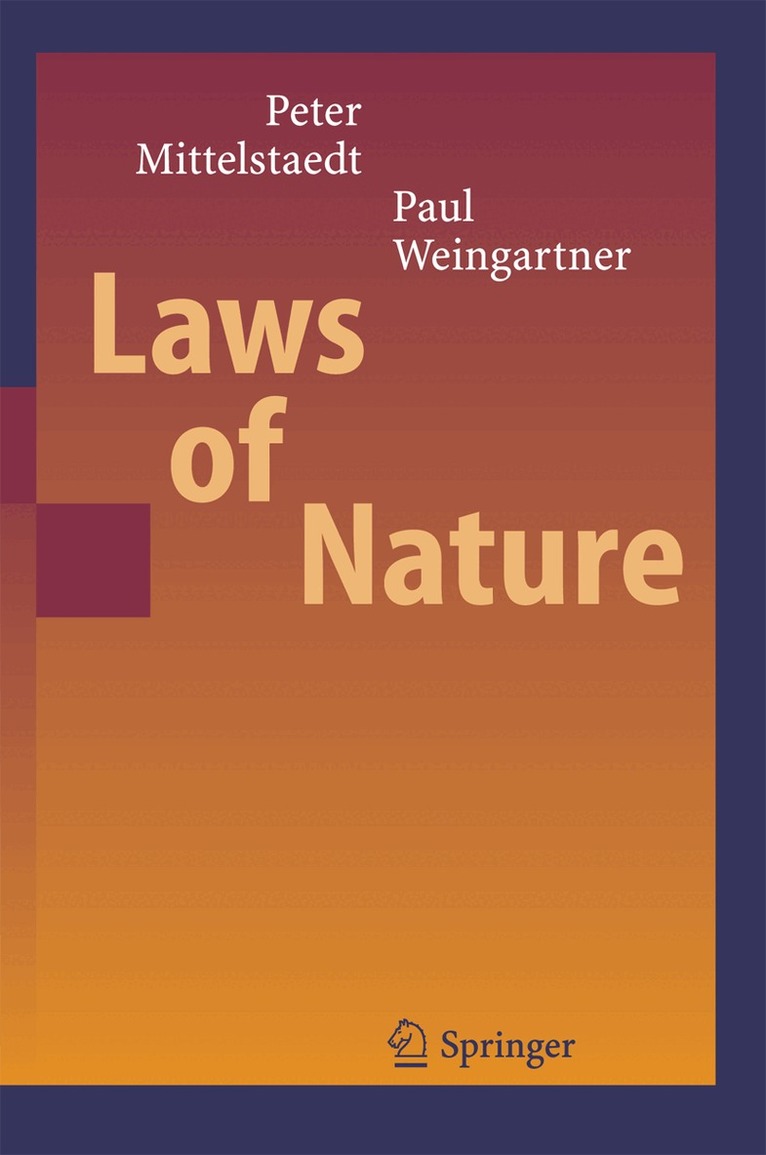
The book is concerned with the laws of nature and in particular with the laws of physics. The authors discuss three important questions: First, whether the observed regularities are based on strict "laws of nature" that hold rigorously and without any exception. Second, what we call a "law of nature" is studied by comparing this concept with invariance principles, causality principles, teleological principles and means of predicting future events. Finally, on the basis of these investigations the authors treat the ambitious and intricate third question, why the laws of nature hold. Are there rational reasons for this largely unexplained phenomenon? This book addresses students as well as researchers. It will be an excellent reference for those interested in the philosophical foundations of the natural sciences.
1 578 kr
Skickas inom 10-15 vardagar
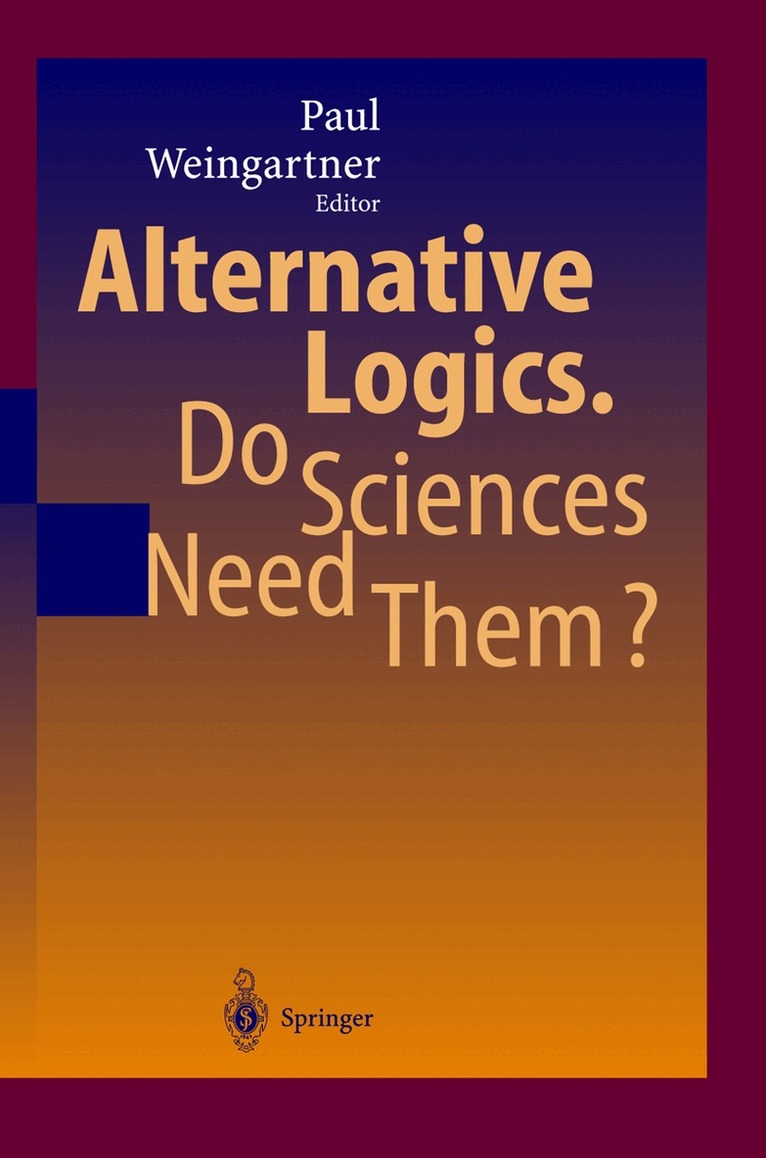
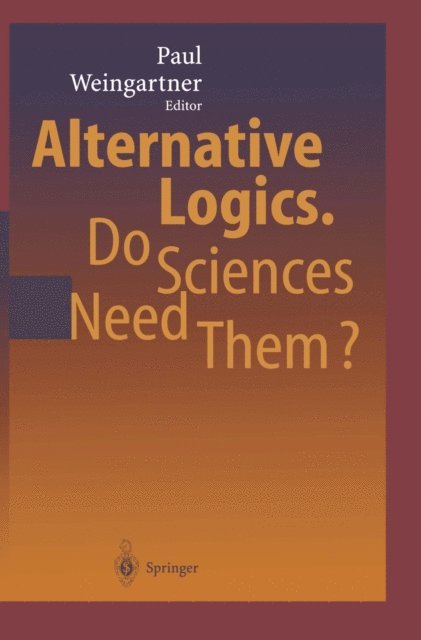
Initially proposed as rivals of classical logic, alternative logics have become increasingly important in sciences such as quantum physics, computer science, and artificial intelligence. The contributions collected in this volume address and explore the question whether the usage of logic in the sciences, especially in modern physics, requires a deviation from classical mathematical logic. The articles in the first part of the book set the scene by describing the context and the dilemma when applying logic in science. In part II the authors offer several logics that deviate in different ways from classical logics. The twelve papers in part III investigate in detail specific aspects such as quantum logic, quantum computation, computer-science considerations, praxic logic, and quantum probability. Most of the contributions are revised and partially extended versions of papers presented at a conference of the same title of the Academie Internationale de Philosophie des Sciences held at the Internationales Forschungszentrum Salzburg in May 1999.Others have been added to complete the picture of recent research in alternative logics as they have been developed for applications in the sciences.
1 578 kr
Skickas inom 10-15 vardagar
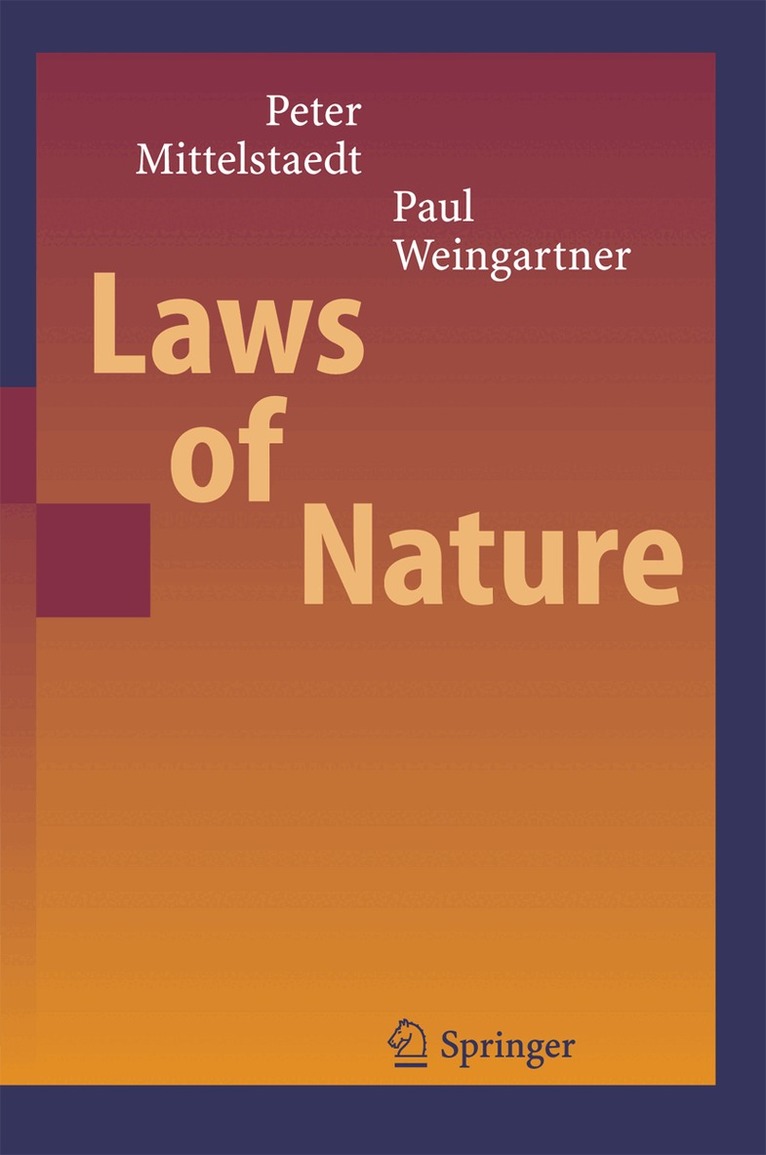
The book is concerned with the laws of nature and in particular with the laws of physics. The authors discuss three important questions: First, whether the observed regularities are based on strict "laws of nature" that hold rigorously and without any exception. Second, what we call a "law of nature" is studied by comparing this concept with invariance principles, causality principles, teleological principles and means of predicting future events. Finally, on the basis of these investigations the authors treat the ambitious and intricate third question, why the laws of nature hold. Are there rational reasons for this largely unexplained phenomenon? This book addresses students as well as researchers. It will be an excellent reference for those interested in the philosophical foundations of the natural sciences.
1 578 kr
Skickas inom 10-15 vardagar
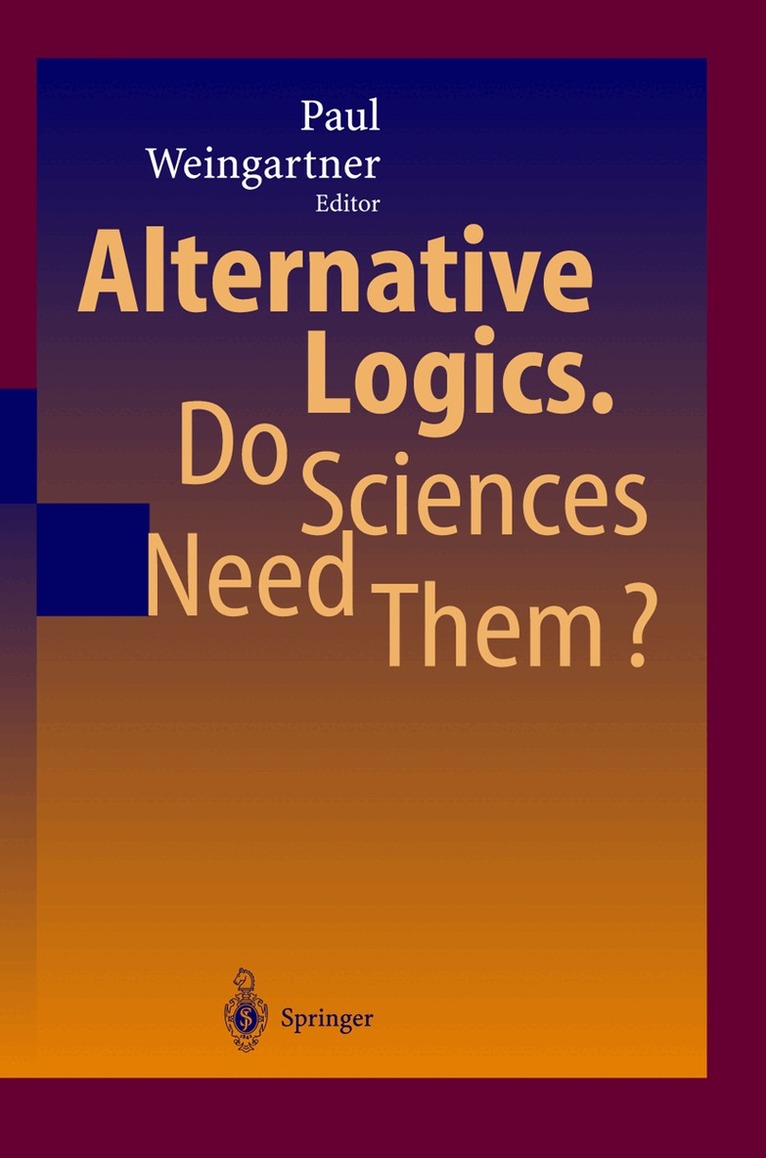
Initially proposed as rivals of classical logic, alternative logics have become increasingly important in sciences such as quantum physics, computer science, and artificial intelligence. The contributions collected in this volume address and explore the question whether the usage of logic in the sciences, especially in modern physics, requires a deviation from classical mathematical logic. The articles in the first part of the book set the scene by describing the context and the dilemma when applying logic in science. In part II the authors offer several logics that deviate in different ways from classical logics. The twelve papers in part III investigate in detail specific aspects such as quantum logic, quantum computation, computer-science considerations, praxic logic, and quantum probability. Most of the contributions are revised and partially extended versions of papers presented at a conference of the same title of the Académie Internationale de Philosophie des Sciences held at the Internationales Forschungszentrum Salzburg in May 1999. Others have been added to complete the picture of recent research in alternative logics as they have been developed for applications in the sciences.