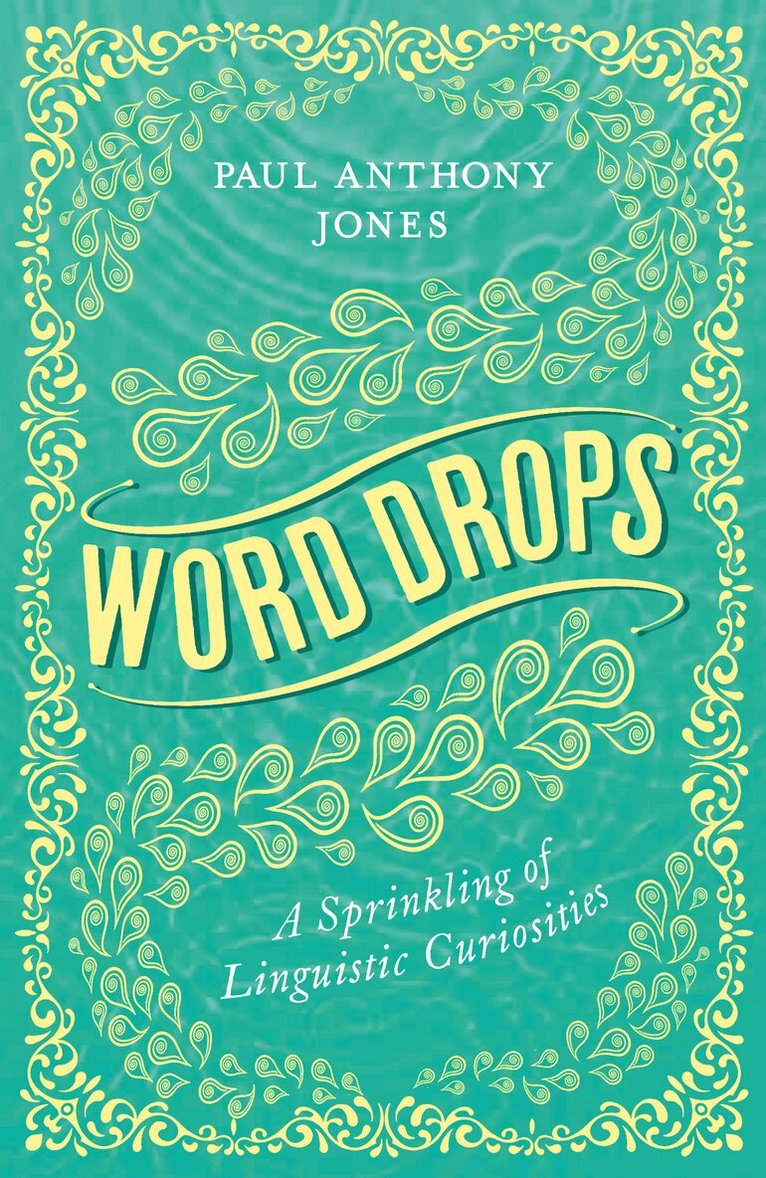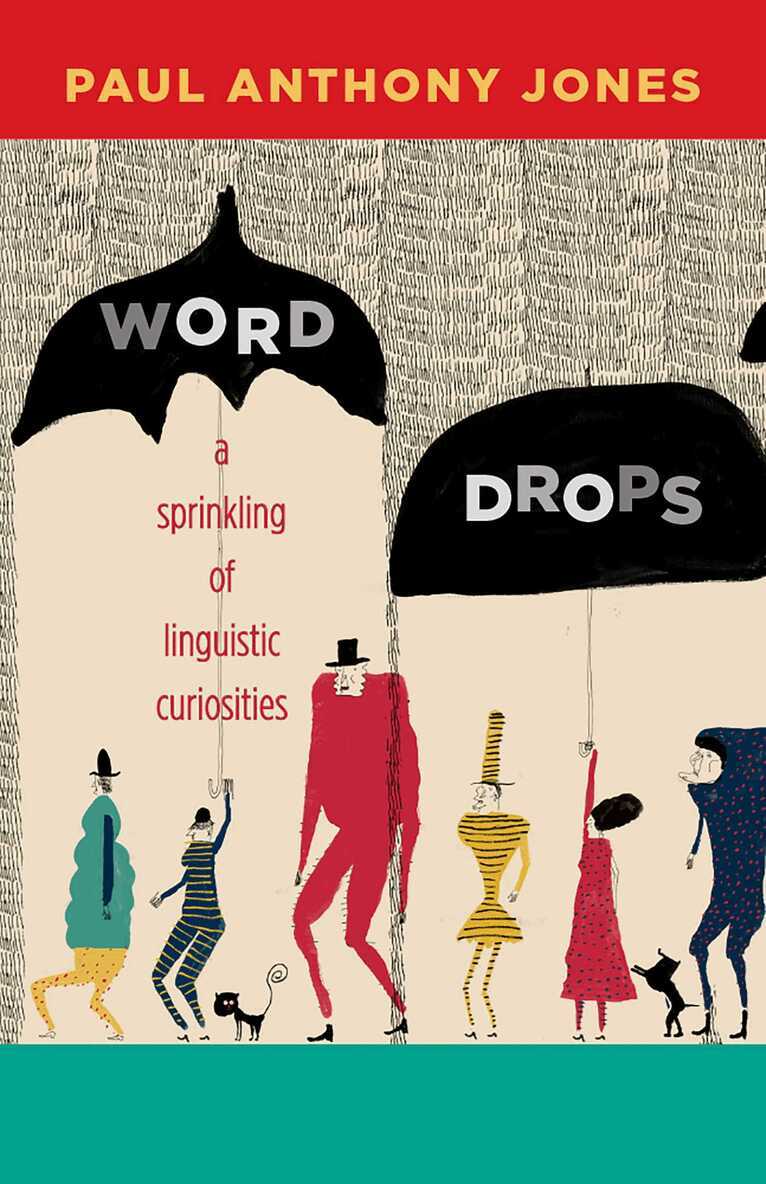
From aardvark to zenzizenzizenzic, Word Drops collects a thousand obscure words and language facts in one fascinating chain of word associations. Did you know, for example, that scandal derives from the Latin for “stumbling block” and originally described a trap for a wild animal? In nineteenth-century slang a wolf trap was a corrupt casino. Casino means “little house” in Italian. Roulette means “little wheel” in French. A wheeler is someone who attends auctions to bid on items merely to increase their sale price. Such links take readers on an unexpected journey through linguistic oddities. Inspired by the popular @HaggardHawks Twitter account, Word Drops also uses an intriguing series of annotations to add background and historical context on everything from Anglo-Saxon cures for insanity to Samuel Pepys’s cure for a hangover. This unique book will delight anyone who loves language, etymology, and word games.
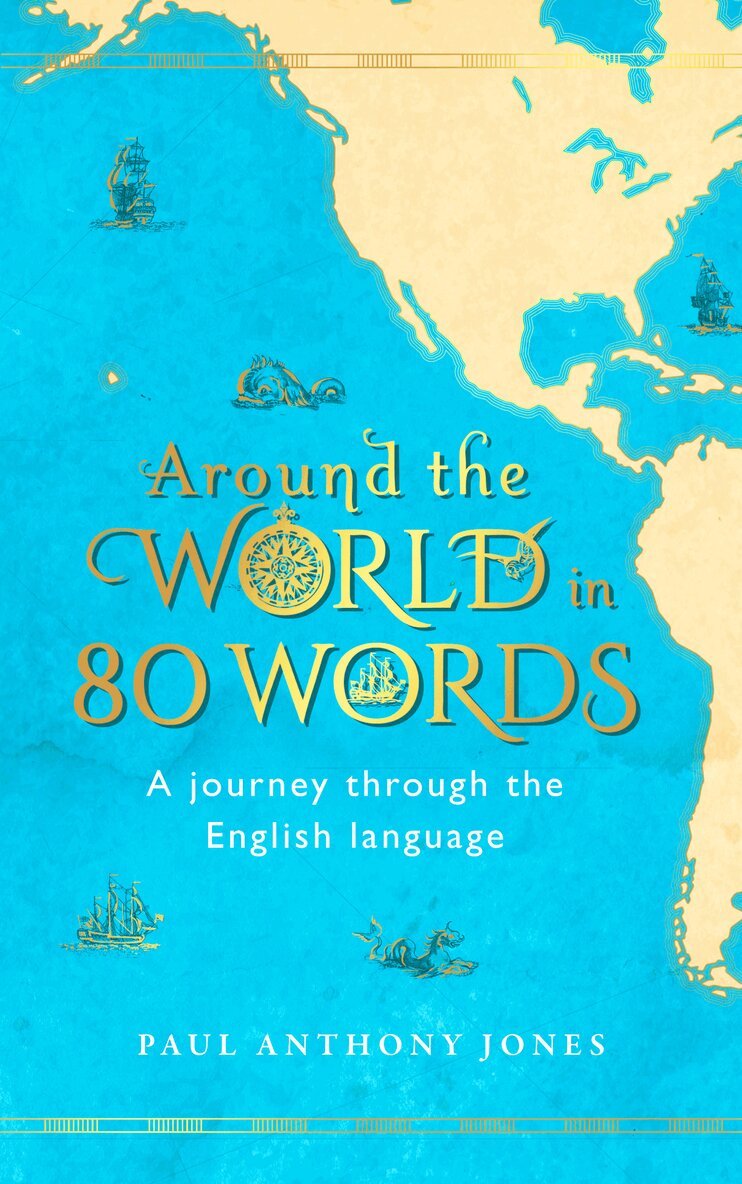
From Monte Carlo to Shanghai, Bikini to Samarra, Around the World in 80 Words is a whimsical voyage through the far-flung reaches of the English language.What makes a place so memorable that it survives for ever in a word? In this captivating round-the-world jaunt, Paul Anthony Jones reveals the intriguing stories of how 80 different places came to be immortalised in our language.Beginning in London and heading through Europe, Africa, Asia, Australia and the Americas, you’ll discover why the origins of turkeys, Brazil nuts, limericks and Panama hats aren’t quite as straightforward as you might presume. You’ll also find out what the Philippines have given to your office in-tray; what an island with more bears than people has given to your liquor cabinet; and how a tiny hamlet in Nottinghamshire became Gotham City.Surprising and consistently entertaining, this is essential reading for armchair travellers and word nerds. Our dictionaries are full of hidden histories, tales and adventures from all over the world – if you know where to look.
If you're logofascinated, you are literally spellbound by language.This surprising compendium of 1,000 facts about words, language and etymology is here to inspire your curiosity and delight in discovery. In Word Drops, you can delve into a smattering of unexpected connections and weird juxtapositions, stumble upon a new or remarkable word, or learn of many a bizarre etymological quirk or tall tale.- Did you know that the bowl made by cupping your hands together is called a gowpen?- And speaking of bowls, the earliest known reference to bowling in English dates from 1555, when bowling alleys were banned by an Act of Parliament.- And that ties in nicely with the fact that the English called the Germans 'Alleymen' during the First World War.- But in Navajo, Germany is called Beesh Bich'ahii Bikeyah - or 'metal cap-wearer land'.Word Drops is a language fact book unlike any other, its linguistic tidbits all falling together into one long interconnected chain just like the example above with each fact neatly 'dropping' into place beside the next.What's more, throughout, footnotes are used to give some informative and intriguing background to some of the most bizarre facts, covering everything from traditional Inuit games to the origin of the Bellini cocktail, from the precise length of one 'jiffy' to what the Romans thought hoopoe birds ate, and from what to expect on a night out with Dr Johnson to Samuel Pepys's cure for a hangover. Want to know the longest palindrome in Morse code, or who The Great Masticator was? Curious to know what Norwegian steam is, or what a jaaaar is? The answers are all here.For all of the logofascinated among us, this is an immensely pleasurable and unpredictable collection that is guaranteed to raise eyebrows (the literal meaning, incidentally, of supercilious).
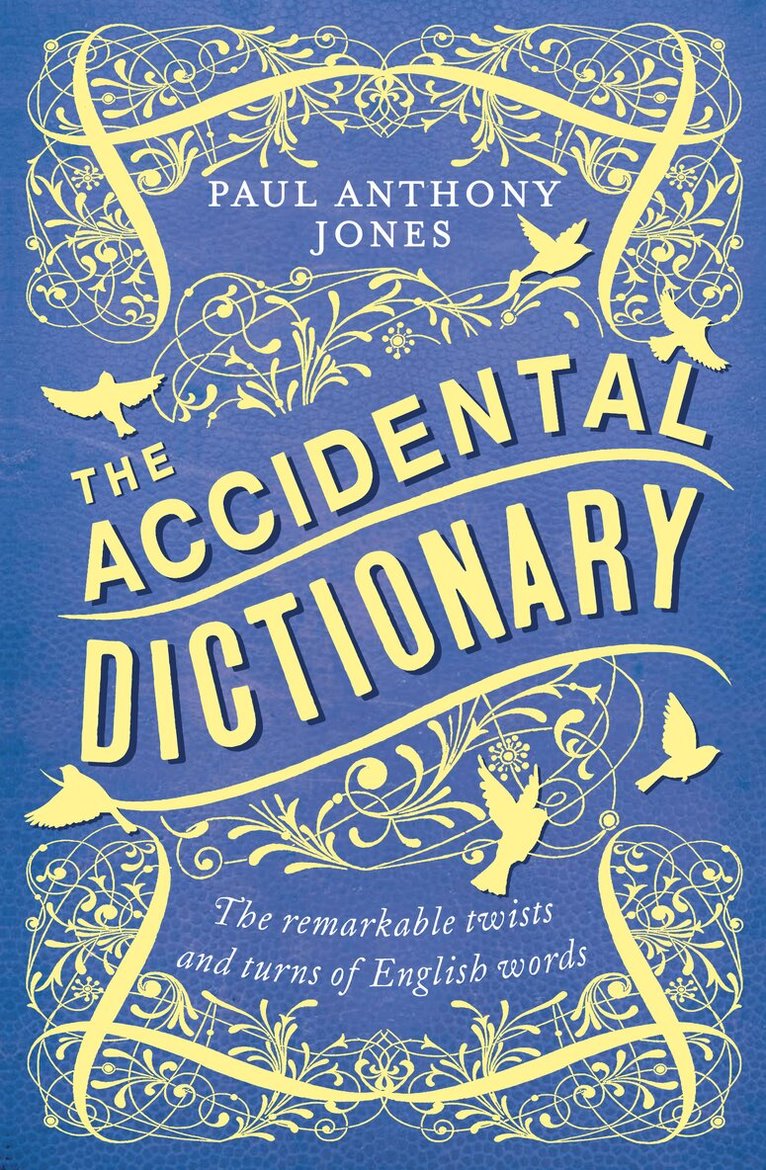
How well do you know your words?Buxom used to mean obedientA cloud was a rockRaunchy originally meant dirtyBrimming with hidden histories and tantalising twists, The Accidental Dictionary tells the extraordinary stories behind ordinary words.Our everyday language is full of surprises; its origins are stranger than you might think. Any word might be knocked and buffeted, subjected to twists and turns, expansions and contractions, happy and unhappy accidents. There are intriguing tales behind even the most familiar terms, and they can say as much about the present as they do the past.Busking, for instance, originally meant piracy. Grin meant to snarl. A bimbo was a man, nice meant ignorant, glamour was magic and a cupboard was a table...Focusing on 100 surprising threads in the evolution of English, The Accidental Dictionary reveals the etymological origins and quirky developments that have led to the meanings we take for granted today. It is a weird and wonderful journey into words.So, let's revel in its randomness and delight in its diversity - our dictionary is indeed accidental.
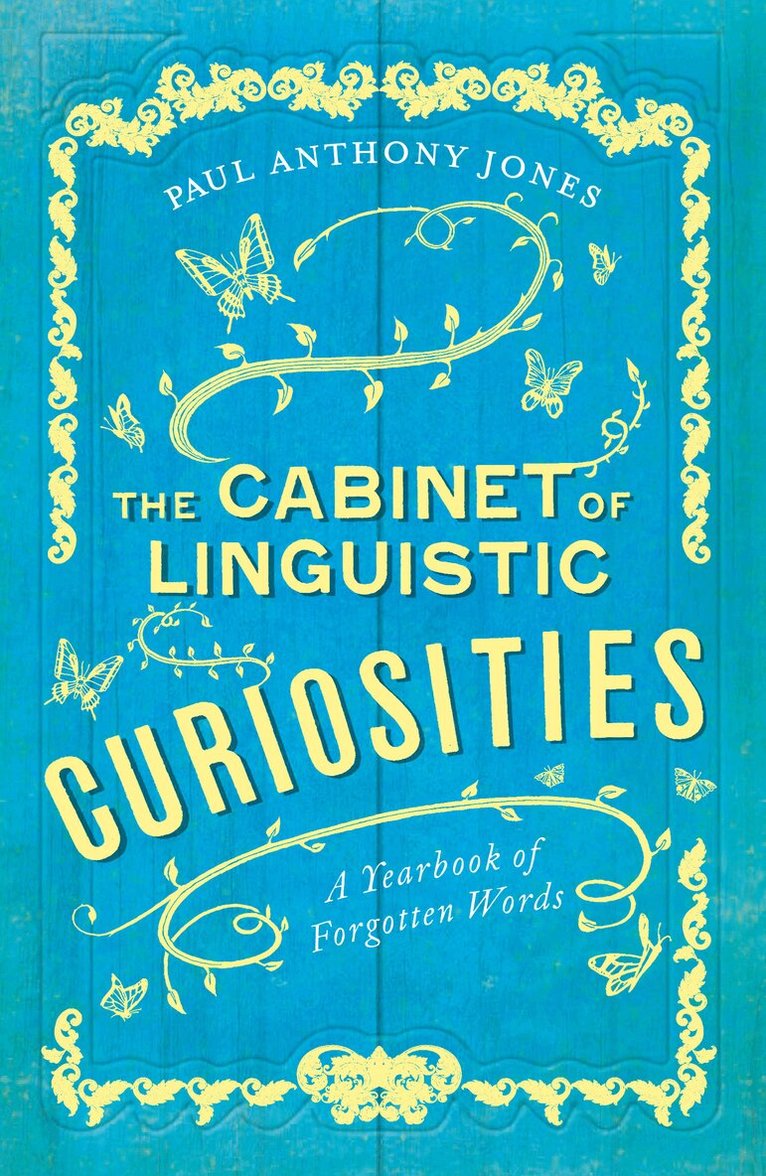
A whole year’s worth of linguistic curiosities, just waiting to be discovered.Within these pages you might leap back in time, learn about linguistic trivia, follow a curious thread or wonder at the web of connections in the English language.1 January quaaltagh (n.) the first person you meet on New Year’s Day1 April dorbellist (n.) a fool, a dull-witted dolt12 May word-grubber (n.) someone who uses obscure or difficult words in everyday conversation25 September theic (adj.) an excessive drinker of tea24 December doniferous (adj.) carrying a giftPaul Anthony Jones has unearthed a wealth of strange and forgotten words: illuminating some aspect of the day, or simply telling a cracking good yarn, each reveals a story. Written with a light touch that belies the depth of research it contains, this is both a fascinating compendium of etymology and a captivating historical miscellany. Dip into this beautiful book to be delighted and intrigued throughout the year.
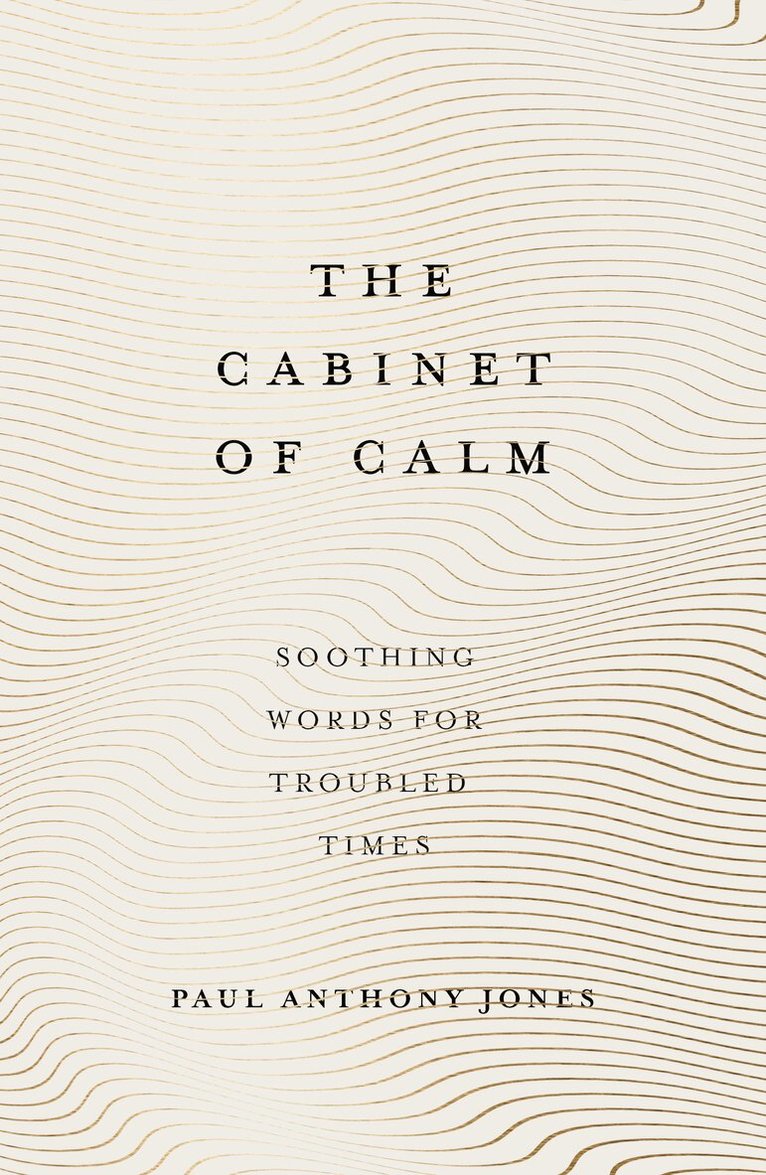
'It's fantastic ... Exactly the book that everybody needs...' Simon Mayo_____Sometimes we all need a little reminder that it's going to be okay... Open The Cabinet of Calm to discover a comforting word that's equal to your troubles.The Cabinet of Calm has been designed to be picked up whenever you need a moment of serenity. Just select the emotion listed that reflects whatever you're feeling and you'll be offered a matching linguistic remedy: fifty-one soothing words for troubled times.These kind words - alongside their definitions and their stories - will bring peace, comfort and delight, and provide fresh hope.Written with a lightness of touch, The Cabinet of Calm shows us that we're not alone. Like language, our emotions are universal: someone else has felt like this before and so there's a word to help, whatever the challenge.So much more than a book of words, The Cabinet of Calm will soothe your soul and ease your mind. It's the perfect gift._____From inside The Cabinet Of Calm...'RESPAIR': a word for a renewed or reinvigorated hope, or a recovery from anguish or hopelessness.'WORLDCRAFT': a collective term for the unique skills, wisdom and experience that an older person has amassed in their lifetime.'MELIORISM': the belief that all things, no matter how bad, can always be improved - given enough determination from people willing to improve them.'SYMMACHY': the act of joining or working together to produce a stronger force than could ever be managed individually - especially in order to overcome something that affects us all.
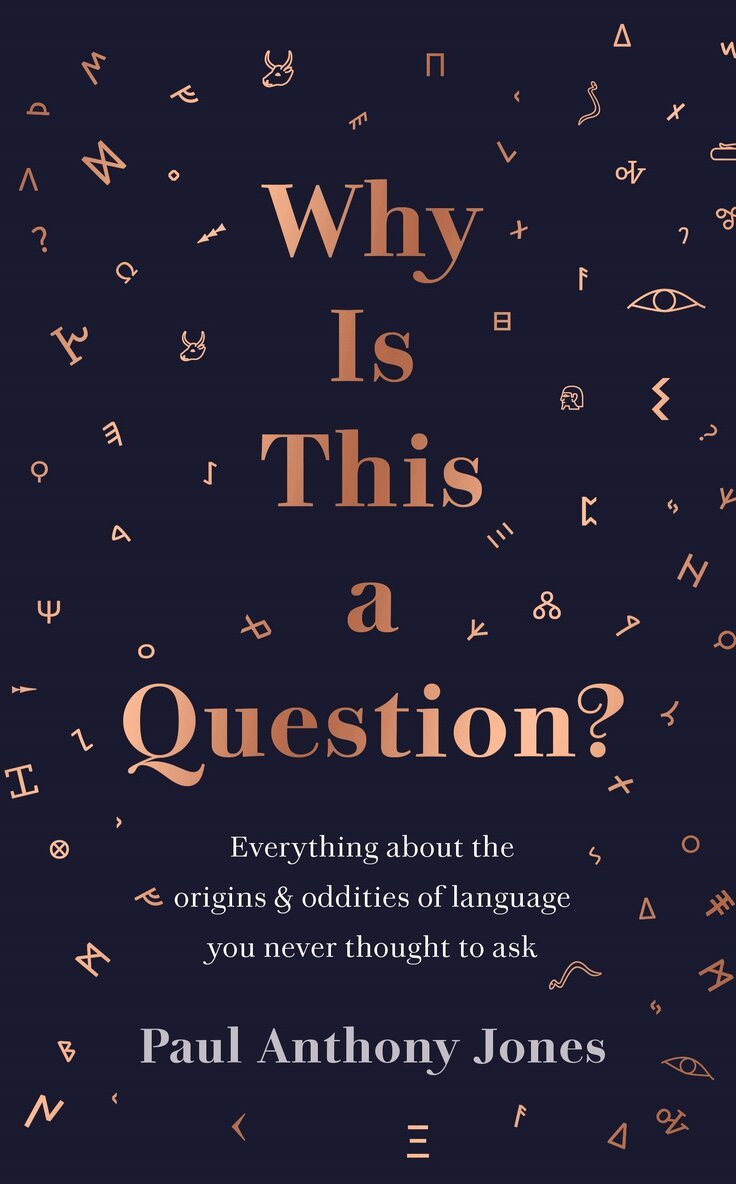
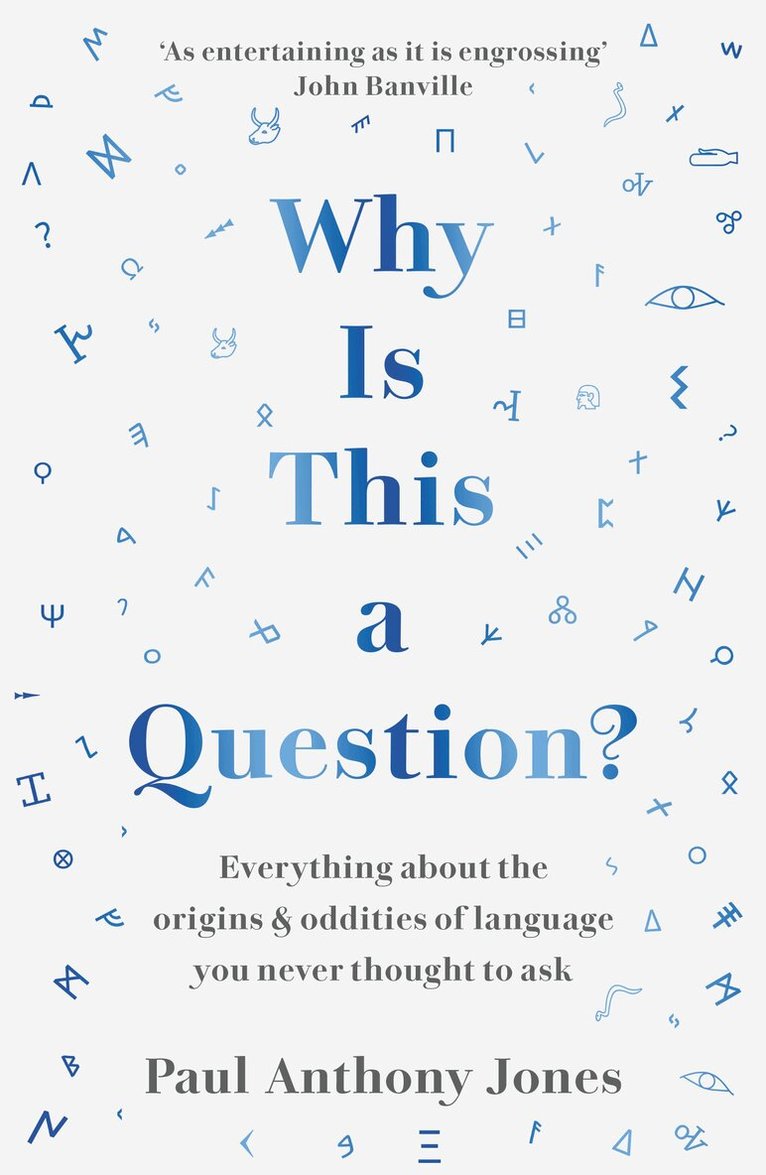
'As entertaining as it is engrossing' John Banville'Enlightening, delightful' Arthur der Weduwen, author of The LibraryWhy don’t eleven and twelve end in –teen? The rest of our counting system sits in neatly arithmetical sets of ten, so why do these two rulebreakers seem so at odds with the numbers that follow them?Admittedly, that’s probably a question that might never have occurred to you. But if you’re even remotely interested in the origins and oddities of language, it’s likely also a question you’re now intrigued to know the answer to. Nor is it the only question: take a moment to think about how our language operates and even more spring mind. Why do these letters look the way they do? Why are some uppercase and others lowercase? Why are these words in this order? How are you understanding what these seemingly arbitrary shapes and symbols mean, while doubtless hearing them read to you in a voice inside your head? And what is this question mark really doing at this end of this sentence?Books explaining the origins of our most intriguing words and phrases have long proved popular, but they often overlook the true nuts and bolts of language: the origins of our alphabet and writing system; grammatical rules and conventions; the sound structure of language; and even how our brains and bodies interpret and communicate language itself. Why Is This a Question? is a fascinating and enlightening exploration of linguistic questions you’ve likely never thought to ask.‘Every page will make you stop, think and wonder.’ James Hawes, author of The Shortest History of England ‘Enthralling, with a riveting “who knew?” moment on nearly every page.’ Caroline Taggart, author of Humble Pie and Cold Turkey
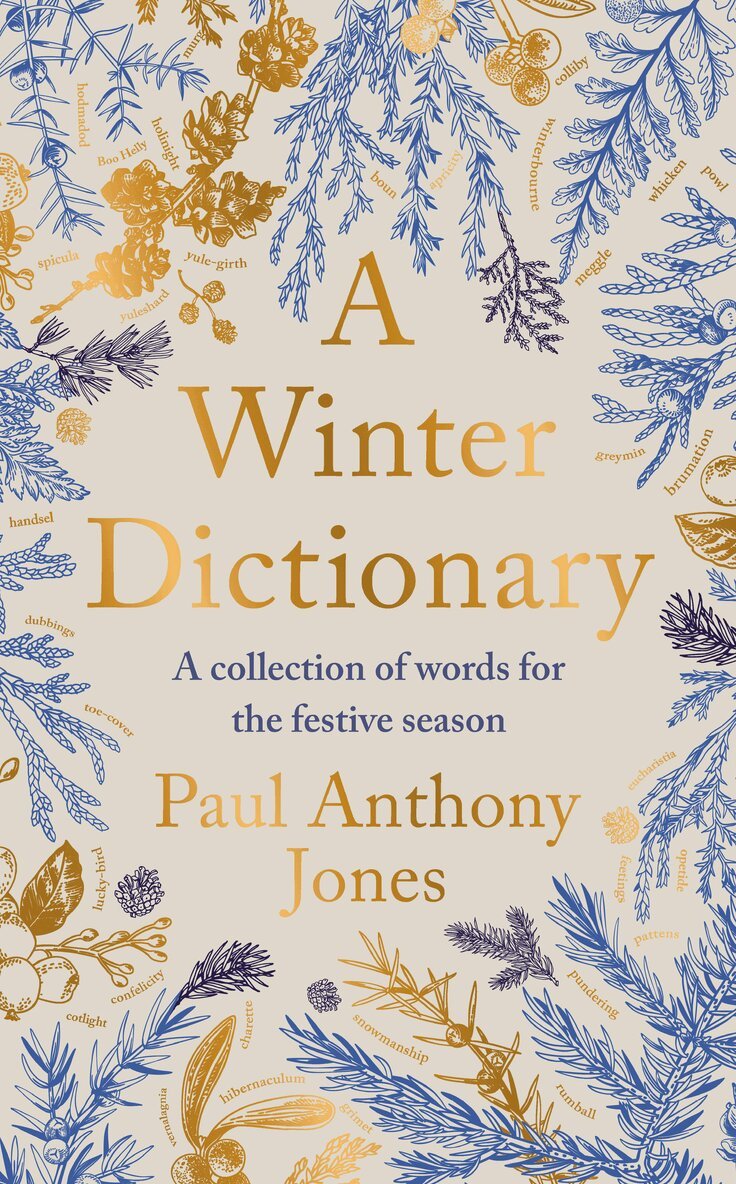
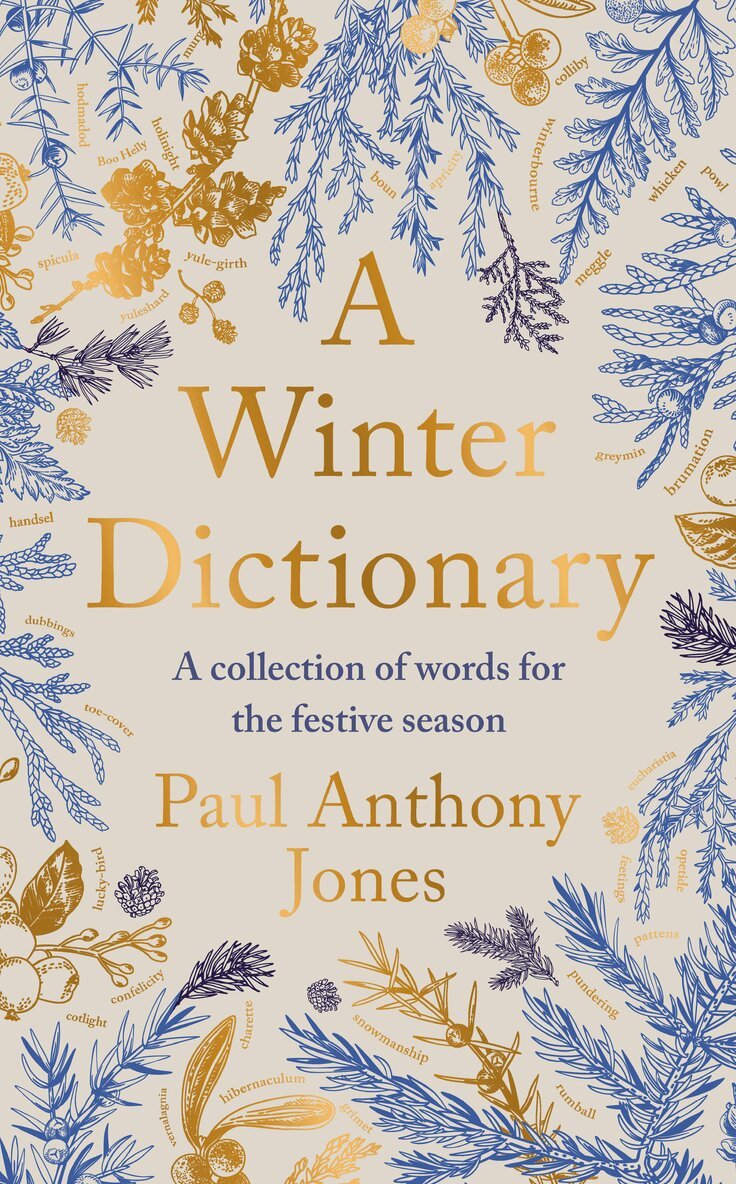
‘Paul Anthony Jones introduces a long-lost winter vocabulary to warm the coldest of hearts’ Country Life As the nights draw in and the cold descends, the winter world emerges – and with it an incredible array of words that superbly capture the season. From frost-dogs (tiny frozen particles of falling snow) and Stepmother’s breath (a sudden cold snap) to hibernaculum (a winter refuge during the winter months) and crapulent (feeling the aftereffects of overindulgence), Paul Anthony Jones delves into the origins of these rare, fascinating and forgotten words, opening up a whole new way of describing the winter months. Whether you’re keeping cosy in front of the fire, warding off the winter blues or throwing yourself into the party season, A Winter Dictionary is the perfect way to while away the snow-laden days. ‘Every word you might ever need to describe the chibbly (crisp with frost) days of the colder months’ Country Walking
'It's fantastic ... Exactly the book that everybody needs...' Simon Mayo_____Sometimes we all need a little reminder that it's going to be okay... Open The Cabinet of Calm to discover a comforting word that's equal to your troubles.The Cabinet of Calm has been designed to be picked up whenever you need a moment of serenity. Just select the emotion listed that reflects whatever you're feeling and you'll be offered a matching linguistic remedy: fifty-one soothing words for troubled times.These kind words - alongside their definitions and their stories - will bring peace, comfort and delight, and provide fresh hope.Written with a lightness of touch, The Cabinet of Calm shows us that we're not alone. Like language, our emotions are universal: someone else has felt like this before and so there's a word to help, whatever the challenge.So much more than a book of words, The Cabinet of Calm will soothe your soul and ease your mind. It's the perfect gift._____From inside The Cabinet Of Calm...'RESPAIR': a word for a renewed or reinvigorated hope, or a recovery from anguish or hopelessness.'WORLDCRAFT': a collective term for the unique skills, wisdom and experience that an older person has amassed in their lifetime.'MELIORISM': the belief that all things, no matter how bad, can always be improved - given enough determination from people willing to improve them.'SYMMACHY': the act of joining or working together to produce a stronger force than could ever be managed individually - especially in order to overcome something that affects us all.