Paul B. Clayton Jr. – författare
Visar alla böcker från författaren Paul B. Clayton Jr.. Handla med fri frakt och snabb leverans.
2 produkter
2 produkter
E-bok
PDF, Engelska, 20071 512 kr
Läs direkt efter köp
Theodoret of Cyrus (c.393-c.466) was the most able Antiochene theologian in the defence of Nestorius from the Council of Ephesus in 431 to the Council of Chalcedon in 451. While the works of Theodore of Mopsuestia and Nestorius are extant today only in translations or in fragments, Theodoret''s voluminous works are largely available in their original Greek. This study of his writings throws considerable light on the theology of those councils andthe final evolution and content of Antiochene Christology.Clayton demonstrates that Antiochene Christology was rooted in the concern to maintain the impassibility of God the Word and is consequently a two-subject Christology. Its fundamental philosophical assumptions about the natures of God and humanity compelled the Antiochenes to assert that there are two subjects in the Incarnation: the Word himself and a distinct human personality. This Christology is not the hypostatic union of the Councils of Ephesus and Chalcedon.
Inbunden, Engelska, 2007
2 078 kr
Skickas inom 7-10 vardagar
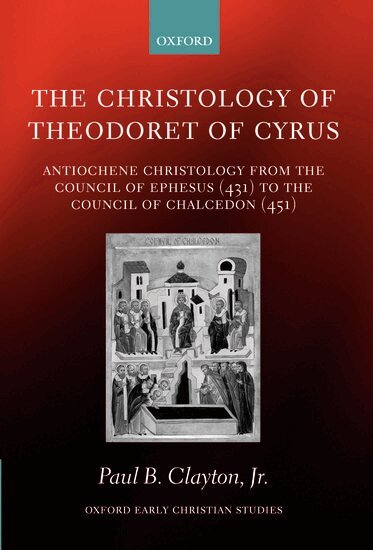
Theodoret of Cyrus (c.393-c.466) was the most able Antiochene theologian in the defence of Nestorius from the Council of Ephesus in 431 to the Council of Chalcedon in 451. While the works of Theodore of Mopsuestia and Nestorius are extant today only in translations or in fragments, Theodoret's voluminous works are largely available in their original Greek. This study of his writings throws considerable light on the theology of those councils and the final evolution and content of Antiochene Christology.Clayton demonstrates that Antiochene Christology was rooted in the concern to maintain the impassibility of God the Word and is consequently a two-subject Christology. Its fundamental philosophical assumptions about the natures of God and humanity compelled the Antiochenes to assert that there are two subjects in the Incarnation: the Word himself and a distinct human personality. This Christology is not the hypostatic union of the Councils of Ephesus and Chalcedon.