Paul Beales - Böcker
Visar alla böcker från författaren Paul Beales. Handla med fri frakt och snabb leverans.
2 produkter
2 produkter
334 kr
Skickas inom 5-8 vardagar
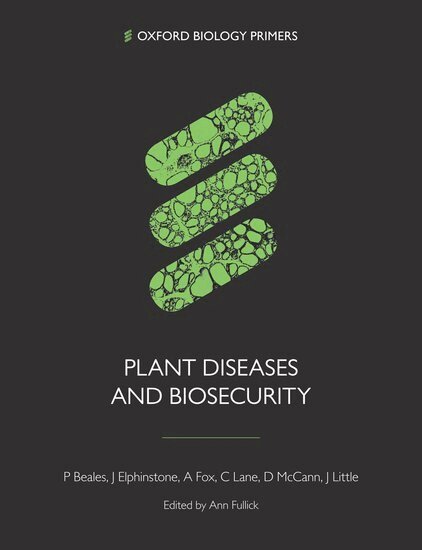
Written primarily for 16-19 year old students, this primer aims to extend students' knowledge and inspire them to take their school-level learning further. It explores topics that are familiar from the curriculum and also introduces new ideas, giving students a first taste of the study of biology beyond school-level and demonstrating how concepts frequently encountered at school are relevant to and applied in current research. This is the ideal text to support students who are considering making the transition from studying biology at school to university. For many years, much of the human population has lived in ignorance of plant disease - yet the presence or absence of disease in a crop, or a forest, can mean the difference between economic success or disaster, and - even in the 21st century - the difference between life and death for millions of people. This primer raises the profile of plant infectious diseases, highlighting the scale of the problem, the risks to biosecurity, and the advances in science which are impacting on surveillance, diagnosis and prevention of disease.This text opens with an overview of the importance of plant disease in human history, before reviewing the structure and function of the main types of pathogens involved in plant infectious diseases (bacteria, viruses, fungi and fungi-like pathogens), focusing on unusual and interesting examples. It then explores how plant diseases can be accurately diagnosed, explaining a variety of ways in which specific pathogens can be identified including the most recent developments in molecular analysis as well as cultural and serological techniques. The primer then moves on to consider disease surveillance, which still relies heavily on traditional techniques based on human observation. It also considers emerging techniques involving epidemiological models, remote monitoring, the monitoring of air and water, satellite tracking and genetic modification of crops. Disease management - ways in which plant diseases can be controlled and their spread halted - is then discussed. This area encompasses techniques spanning chemical control of insect, fungal and bacterial pests to genetic modification of crops to introduce disease resistance. The final section of the primer explores plant biosecurity and how it can be maintained - an ever-more important issue given the continued globalisation of trade - and the impact of global warming on where both plants and plant pathogens can grow and thrive.
648 kr
Skickas
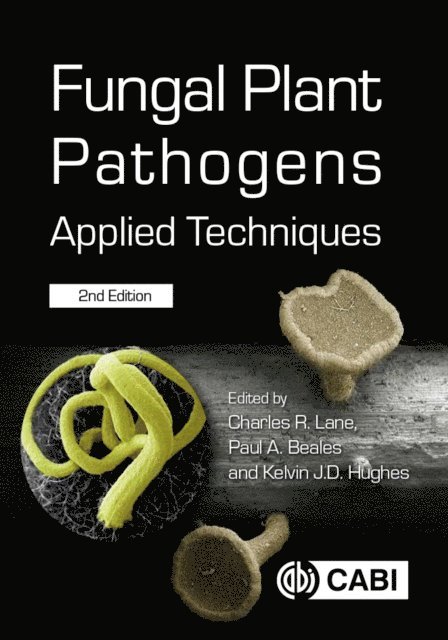
This substantially updated edition now in full colour provides key techniques used when working with fungal and fungal-like plant pathogens. As a practical manual it also deals with disease recognition, detection and identification of fungi, plus methods to characterise and curate fungi and handle them under quarantine and quality assurance systems. Furthermore, this new edition includes significant updates with respect to: - Greater awareness and concern internationally about plant health and biosecurity. - Molecular biology - next generation sequencing and in-field detection. - Improved opportunities for surveillance and detection in diverse substrates. - Changes in taxonomy and reference to current fungal plant pathogens. - New chapters on tree health, and public awareness, outreach and communications. Fungal Plant Pathogens: Applied Techniques, 2nd edition provides a valuable guide to investigating fungal plant diseases and interpreting laboratory findings for postgraduate and advanced undergraduate students, extension plant pathologists, consultants and advisers in agriculture, forestry and horticulture, and the food supply chain.