Paul Biegler – författare
409 kr
Läs direkt efter köp
A philosopher argues there is an ethical imperative to provide psychotherapy to depressed patients because the insights gained from it promote autonomy.
One in six people worldwide will experience depression over the course of a lifetime. Many who seek relief through the healthcare system are treated with antidepressant medication; in the United States, nearly 170 million prescriptions for antidepressants were written in 2005, resulting in more than $12 billion in sales. And yet despite the dominance of antidepressants in the marketplace and the consulting room, another treatment for depression has proven equally effective: psychotherapy—in particular, cognitive behavior therapy (CBT). Antidepressants can lift mood independent of a person''s understanding of symptoms or stressors. By contrast, CBT teaches patients skills for dealing with distressing feelings, negative thoughts, and causal stressors.
In The Ethical Treatment of Depression, Paul Biegler argues that the insights patients gain from the therapeutic process promote autonomy. He shows that depression is a disorder in which autonomy is routinely and extensively undermined and that physicians have a moral obligation to promote the autonomy of depressed patients. He concludes that medical practitioners have an ethical imperative to prescribe psychotherapy—CBT in particular—for depression. To make his case, Biegler draws on a wide philosophical literature relevant to autonomy and the emotions and makes a comprehensive survey of the latest research findings from the psychological sciences.
Forcefully argued, densely researched, and engagingly written, the book issues a challenge to physicians who believe their duty of care to depressed patients is discharged by merely writing prescriptions for antidepressants.
181 kr
Skickas
269 kr
Läs direkt efter köp
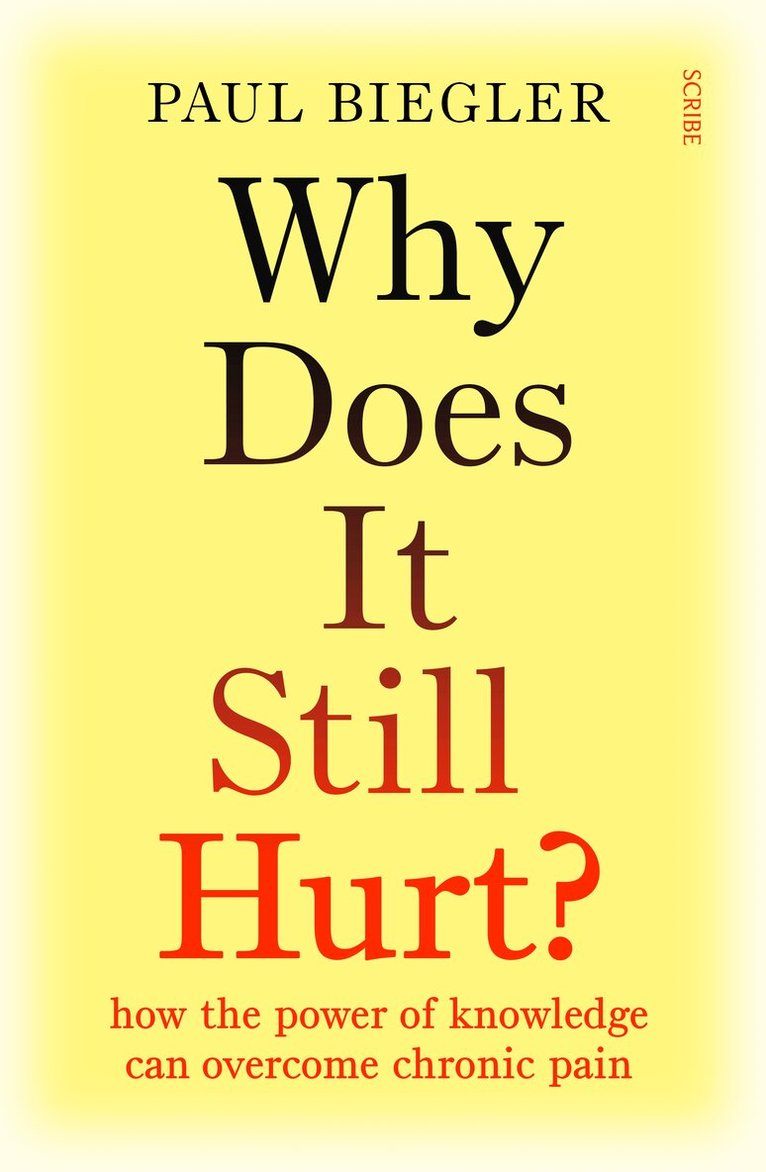
Chronic pain is the single biggest cause of human suffering. Yet pain that persists for three months or more is often unrelated to any physical injury. So why does it still hurt?
Research over the last few decades shows that many of us — sufferers of chronic pain and health practitioners alike — are victims of a devilish trick of the nervous system. Where we believe that pain has its root in a damaged body, it is the brain that prolongs the hurting long after the body has healed. This leads to hundreds of billions of dollars being spent each year on treatments that sometimes do nothing and sometimes make matters worse.
Paul Biegler, a science journalist and former doctor who has been on his own pain journey, investigates the true source of chronic pain — our brain’s so-called neuroplasticity — and emerging therapies, including cognitive therapy and graded exercise exposure, that take advantage of that same neuroplasticity to rewire the brain and end the suffering. As he knows only too well, this doesn’t mean the pain is all in a person’s head. The pain is real, but its meaning is often misunderstood.
Through conversations with scientists, doctors, and people who have overcome chronic pain, Biegler shines a light on the rigorous new studies — and emotional personal stories — that are changing the way we understand and treat pain. Most importantly, he shows how to take control over persistent pain and truly heal.
92 kr
Tillfälligt slut