Paul Broomhead - Böcker
Visar alla böcker från författaren Paul Broomhead. Handla med fri frakt och snabb leverans.
3 produkter
3 produkter
326 kr
Skickas inom 7-10 vardagar
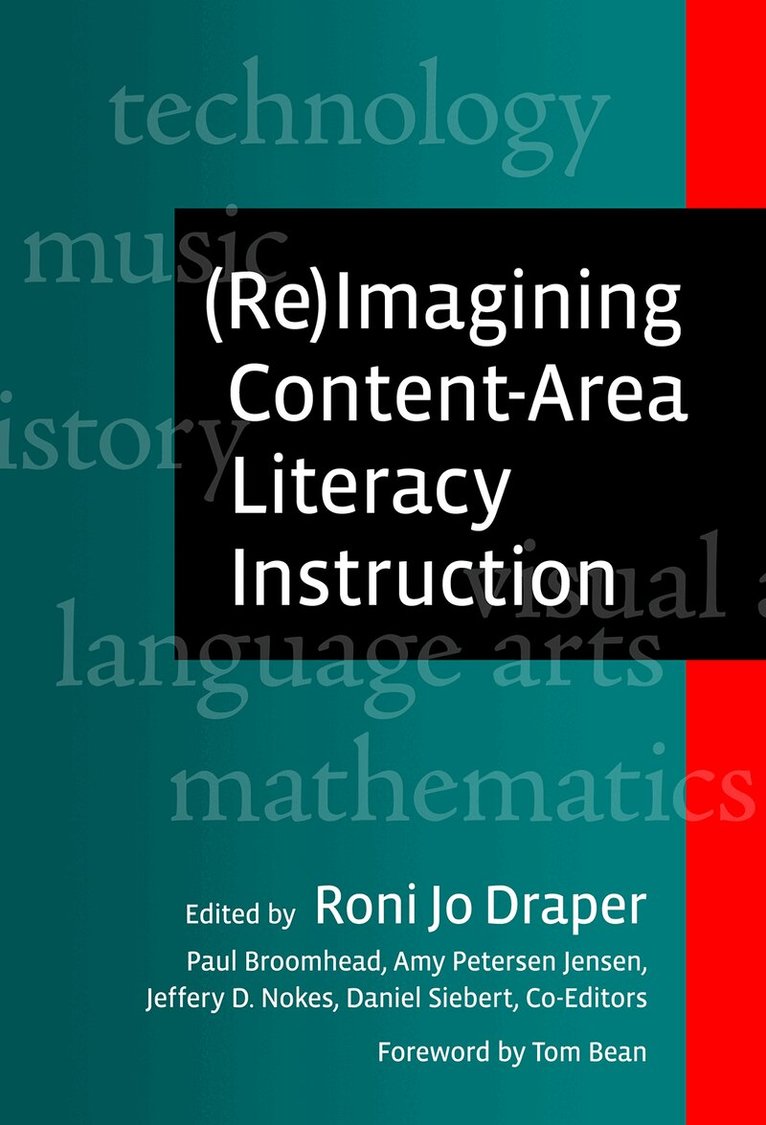
Today's teachers need to prepare students for a world that places increasingly higher literacy demands on its citizens. In this timely book, the authors explore content-area literacy and instruction in English, music, science, mathematics, social studies, visual arts, technology, and theatre. Each of the chapters has been written by teacher educators who are experts in their discipline. Their key recommendations reflect the aims and instructional frameworks unique to content-area learning. This resource focuses on how literacy specialists and content-area educators can combine their talents to teach all readers and writers in the middle and secondary school classroom. The text features vignettes from classroom practice with visuals to demonstrate, for example, how we read a painting or hear the discourse of a song.|Today's teachers need to prepare students for a world that places increasingly higher literacy demands on its citizens. In this timely book, the authors explore content-area literacy and instruction in English, music, science, mathematics, social studies, visual arts, technology, and theatre. Each of the chapters has been written by teacher educators who are experts in their discipline. Their key recommendations reflect the aims and instructional frameworks unique to content-area learning. This resource focuses on how literacy specialists and content-area educators can combine their talents to teach all readers and writers in the middle and secondary school classroom. The text features vignettes from classroom practice with visuals to demonstrate, for example, how we read a painting or hear the discourse of a song.
2 150 kr
Skickas inom 10-15 vardagar
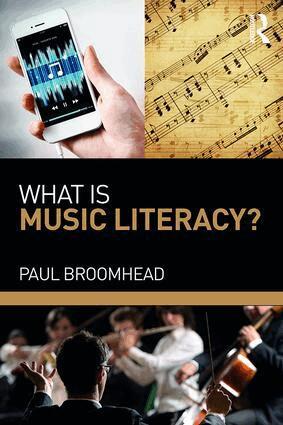
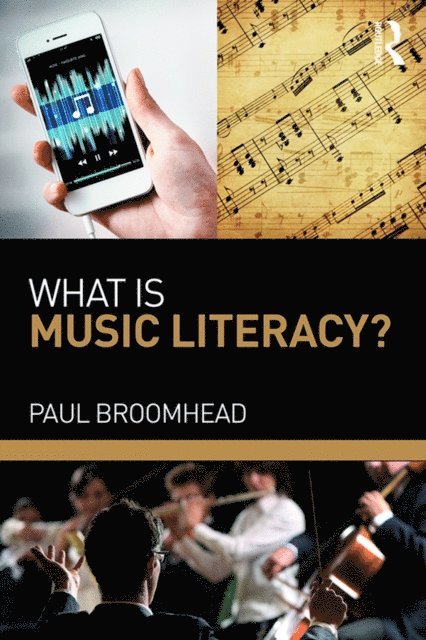
What is Music Literacy? attempts to redefine music literacy with a more expansive meaning than is commonly in use, and to articulate the potential impact of these ideas on music teaching practice. The notion of music literacy has involved the ability to read and write music scores. However, this understanding does not extend theory to identify all music texts, nor to offer a thorough treatment of what impact an expanded notion of music literacy might have on music instruction in the classroom and in ensembles. This book provides a formal, expansive redefinition of music literacy.The author offers practical ideas for attending more effectively to music literacy in classroom instruction. The book highlights common elements in the music classroom: the music score, the conductor, surrounding ensemble members, the musical model, the musical instrument, and presentations/recordings. It also describes four orientations that correspond to the National Core Music Standards (2014) and that characterize humans’ interactions with music: creator, performer, responder, and connector. What is Music Literacy? uses these orientations, along with a focus on authentic music texts and literacies, to present literacy-based guidelines for music education along with numerous vignettes that describe actual literacy instructional events.
649 kr
Skickas inom 10-15 vardagar
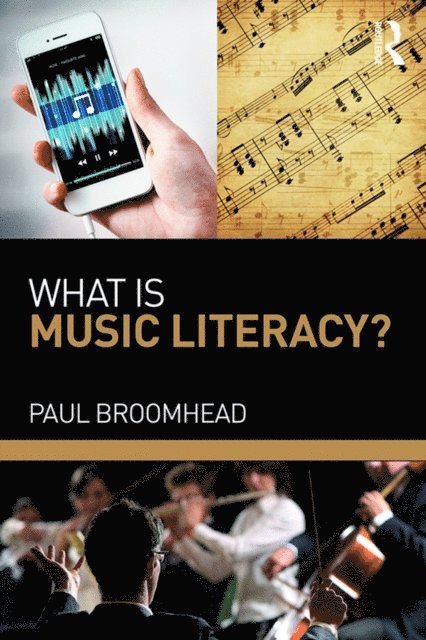
What is Music Literacy? attempts to redefine music literacy with a more expansive meaning than is commonly in use, and to articulate the potential impact of these ideas on music teaching practice. The notion of music literacy has involved the ability to read and write music scores. However, this understanding does not extend theory to identify all music texts, nor to offer a thorough treatment of what impact an expanded notion of music literacy might have on music instruction in the classroom and in ensembles. This book provides a formal, expansive redefinition of music literacy.The author offers practical ideas for attending more effectively to music literacy in classroom instruction. The book highlights common elements in the music classroom: the music score, the conductor, surrounding ensemble members, the musical model, the musical instrument, and presentations/recordings. It also describes four orientations that correspond to the National Core Music Standards (2014) and that characterize humans’ interactions with music: creator, performer, responder, and connector. What is Music Literacy? uses these orientations, along with a focus on authentic music texts and literacies, to present literacy-based guidelines for music education along with numerous vignettes that describe actual literacy instructional events.