Paul Cooney – författare
Visar alla böcker från författaren Paul Cooney. Handla med fri frakt och snabb leverans.
8 produkter
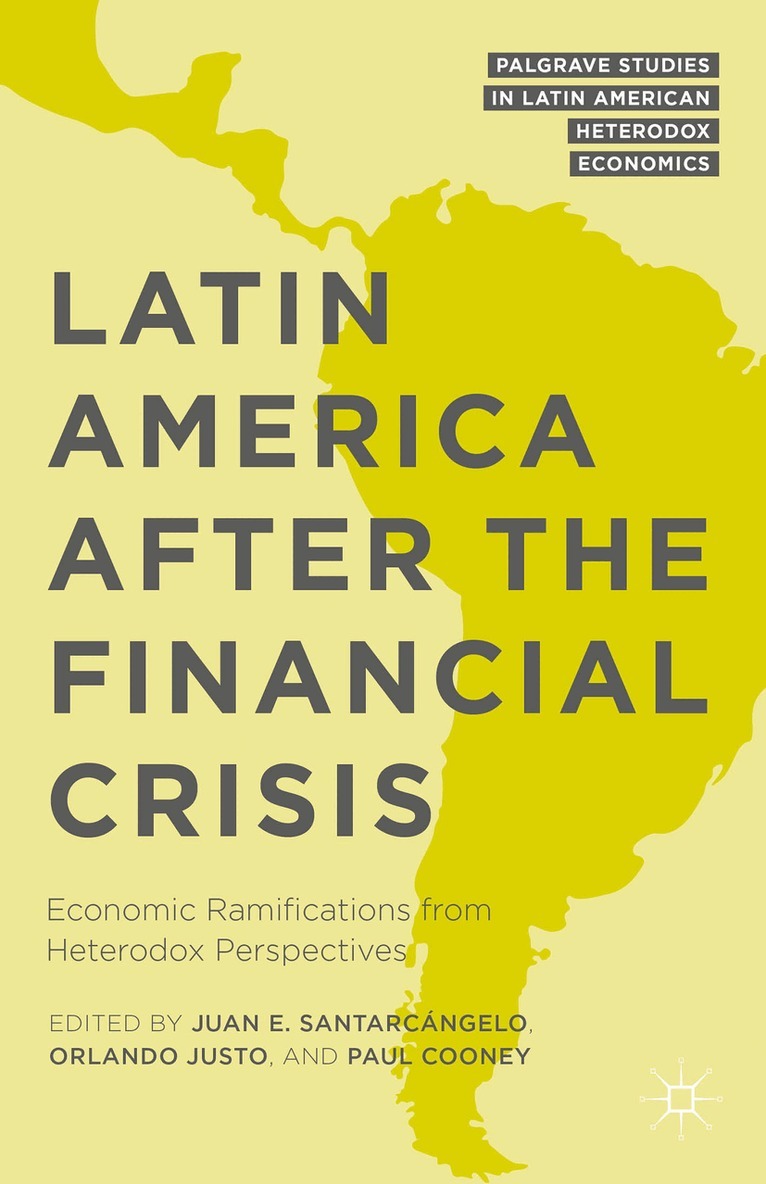
Latin America after the Financial Crisis
Economic Ramifications from Heterodox Perspectives
Av Juan E. Santarcángelo, Orlando Justo m. fl.
Inbunden, 2015
1128 kr
Lägg i varukorg
Latin America was one of the regions least affected by the global financial crisis of 2008. During this time of widespread economic downfall, Latin America continued to achieve an annual growth rate of around 5%. Latin America after the Financial Crisis explains how the global financial crisis …
Latin America after the Financial Crisis
Economic Ramifications from Heterodox Perspectives
Av Paul Cooney, Orlando Justo m. fl.
E-bok, 2016
1501 kr
Lägg i varukorg
Latin America was one of the regions least affected by the global financial crisis of 2008. During this time of widespread economic downfall, Latin America continued to achieve an annual growth rate of around 5%. Latin America after the Financial Crisis explains how the global financial crisis …
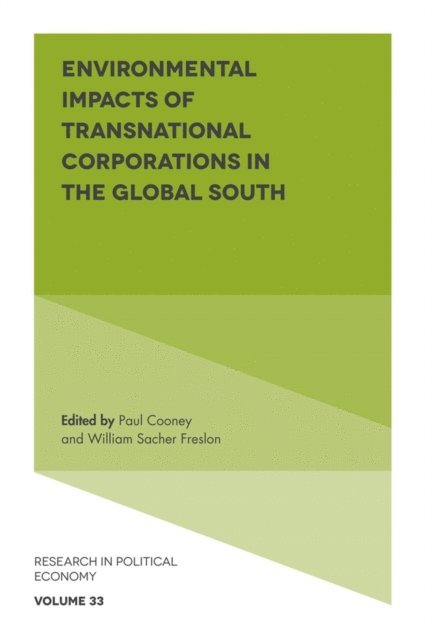
Environmental Impacts of Transnational Corporations in the Global South
Av William Sacher, Paul Cooney
E-bok, 2018
1243 kr
Lägg i varukorg
This volume explores the impact of Transnational Corporations (TNCs) on the environment of the Global South during this period of neoliberal globalization. Since the end of the 1970s, the role of TNCs in the global economy has developed significantly, and the subsequent changes to international …
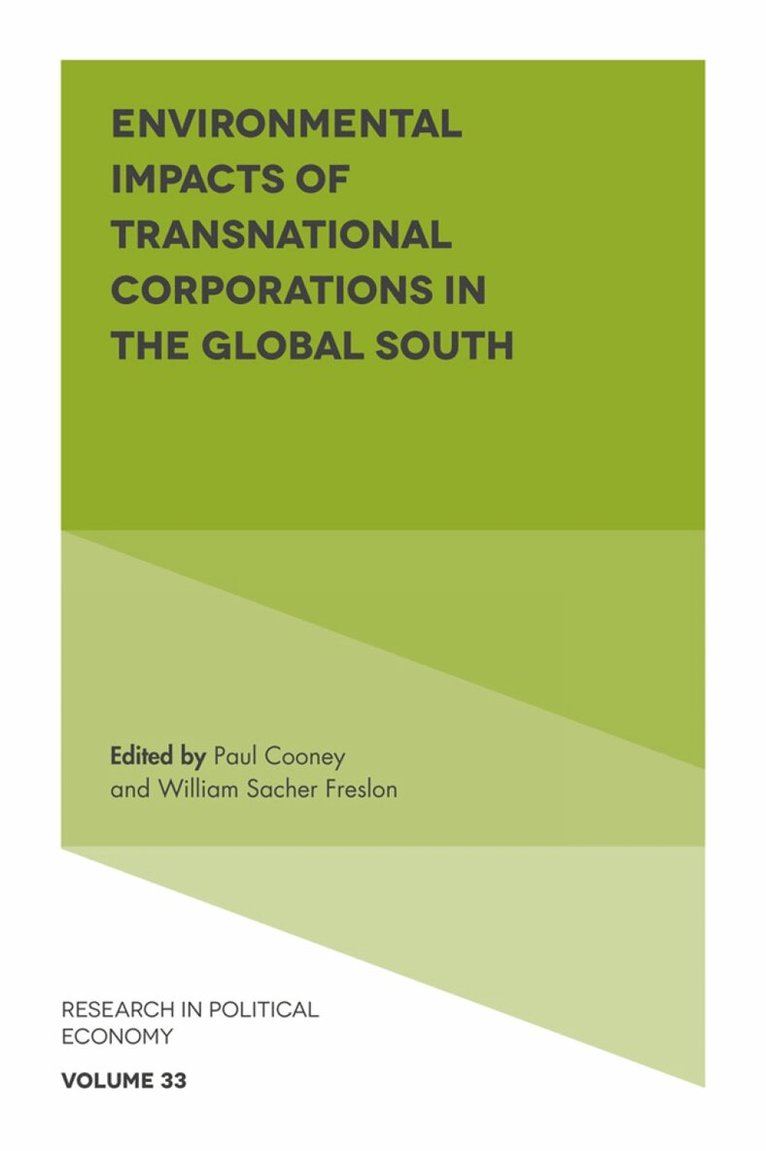
Environmental Impacts of Transnational Corporations in the Global South
Av Paul Cooney, William Sacher
Inbunden, 2018
1142 kr
Lägg i varukorg
This volume explores the impact of Transnational Corporations (TNCs) on the environment of the Global South during this period of neoliberal globalization. Since the end of the 1970s, the role of TNCs in the global economy has developed significantly, and the subsequent changes to international …
Environmental Impacts of Transnational Corporations in the Global South
Av William Sacher, Paul Cooney
E-bok, 2018
1243 kr
Lägg i varukorg
This volume explores the impact of Transnational Corporations (TNCs) on the environment of the Global South during this period of neoliberal globalization. Since the end of the 1970s, the role of TNCs in the global economy has developed significantly, and the subsequent changes to international …
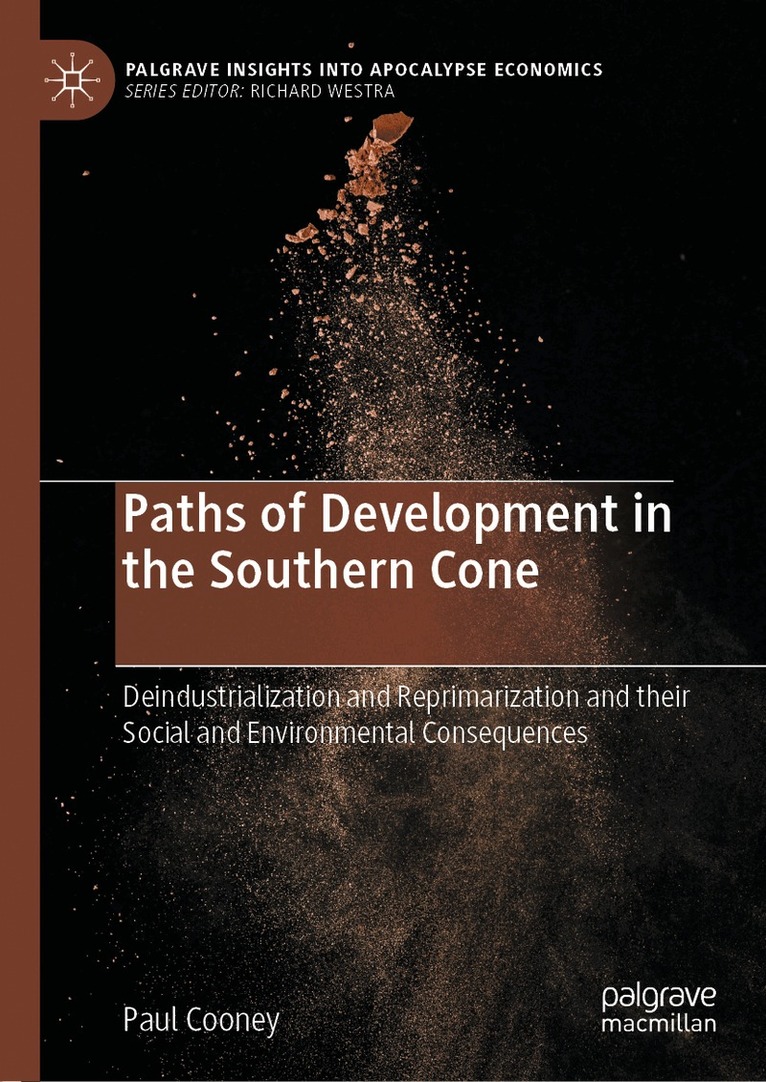
Paths of Development in the Southern Cone
Deindustrialization and Reprimarization and their Social and Environmental Consequences
Av Paul Cooney
Inbunden, 2021
1240 kr
Lägg i varukorg
This book analyzes the recent development paths pursued by progressivegovernments in Argentina and Brazil, namely deindustrialization andreprimarization, and the social and environmental consequences thereof. A keypart of understanding the trajectories in both Argentina and Brazil has been therole …
Paths of Development in the Southern Cone
Deindustrialization and Reprimarization and their Social and Environmental Consequences
Av Paul Cooney
E-bok, 2021
1175 kr
Lägg i varukorg
This book analyzes the recent development paths pursued by progressive governments in Argentina and Brazil, namely deindustrialization and reprimarization, and the social and environmental consequences thereof. A key part of understanding the trajectories in both Argentina and Brazil has been the …
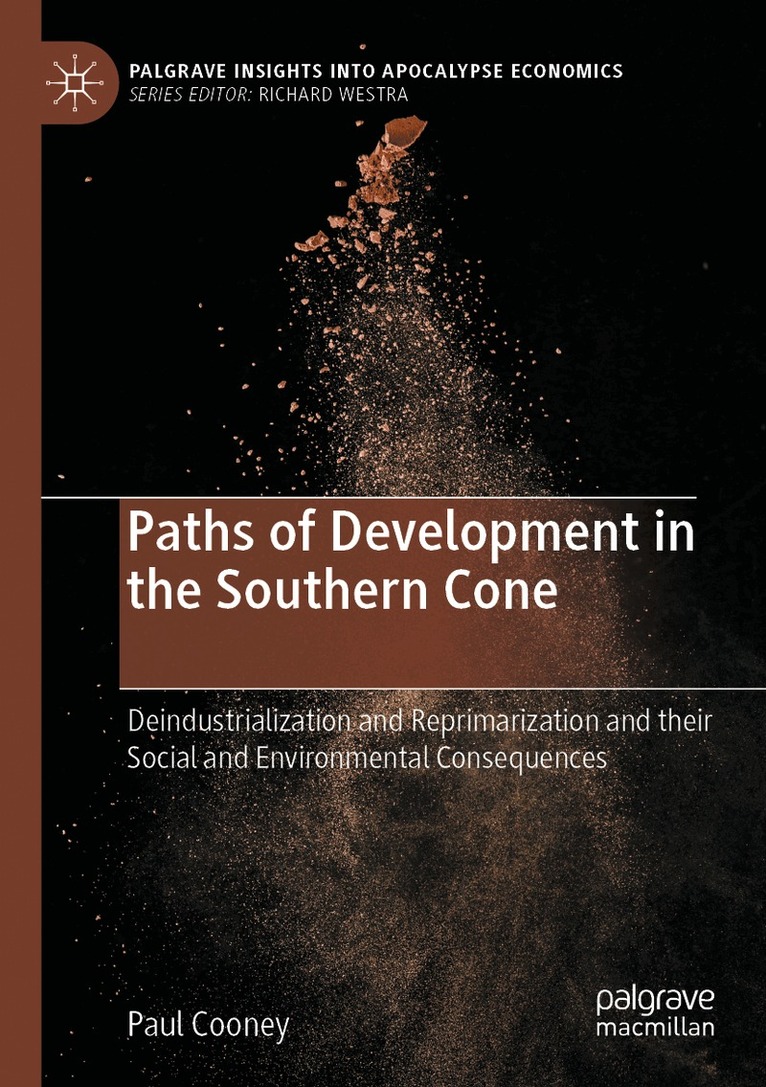
Paths of Development in the Southern Cone
Deindustrialization and Reprimarization and their Social and Environmental Consequences
Av Paul Cooney
Häftad, 2022
904 kr
Lägg i varukorg
This book analyzes the recent development paths pursued by progressivegovernments in Argentina and Brazil, namely deindustrialization andreprimarization, and the social and environmental consequences thereof. A keypart of understanding the trajectories in both Argentina and Brazil has been therole …