Paul Everill – författare
Visar alla böcker från författaren Paul Everill. Handla med fri frakt och snabb leverans.
7 produkter
Archaeology, Heritage, and Wellbeing
Authentic, Powerful, and Therapeutic Engagement with the Past
Av Karen Burnell, Paul Everill
E-bok, 2022
785 kr
Lägg i varukorg
Archaeology, Heritage, and Wellbeing fills an important gap in academic literature, bringing together experts from archaeology/ historic environment and mental health research to provide an interdisciplinary overview of this emerging subject area. The book, uniquely, provides archaeologists and …
Archaeology, Heritage, and Wellbeing
Authentic, Powerful, and Therapeutic Engagement with the Past
Av Karen Burnell, Paul Everill
E-bok, 2022
785 kr
Lägg i varukorg
Archaeology, Heritage, and Wellbeing fills an important gap in academic literature, bringing together experts from archaeology/ historic environment and mental health research to provide an interdisciplinary overview of this emerging subject area. The book, uniquely, provides archaeologists and …
Archaeology, Heritage, and Wellbeing
Authentic, Powerful, and Therapeutic Engagement with the Past
Av Paul Everill, Karen Burnell
Inbunden, 2022
2585 kr
Lägg i varukorg
Archaeology, Heritage, and Wellbeing fills an important gap in academic literature, bringing together experts from archaeology/ historic environment and mental health research to provide an interdisciplinary overview of this emerging subject area.The book, uniquely, provides archaeologists and …
Archaeology, Heritage, and Wellbeing
Authentic, Powerful, and Therapeutic Engagement with the Past
Av Paul Everill, Karen Burnell
Häftad, 2024
667 kr
Lägg i varukorg
Archaeology, Heritage, and Wellbeing fills an important gap in academic literature, bringing together experts from archaeology/ historic environment and mental health research to provide an interdisciplinary overview of this emerging subject area.The book, uniquely, provides archaeologists and …
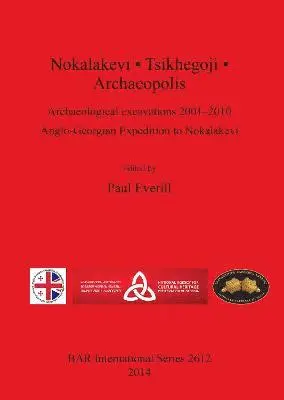
Nokalakevi . Tsikhegoji . Archaeopolis Archaeological excavations 2001-2010: Anglo-Georgian Expedition to Nokalakevi
Archaeological excavations 2001-2010 Anglo-Georgian Expedition to Nokalakevi
Av Paul Everill
Häftad, 2014
399 kr
Lägg i varukorg
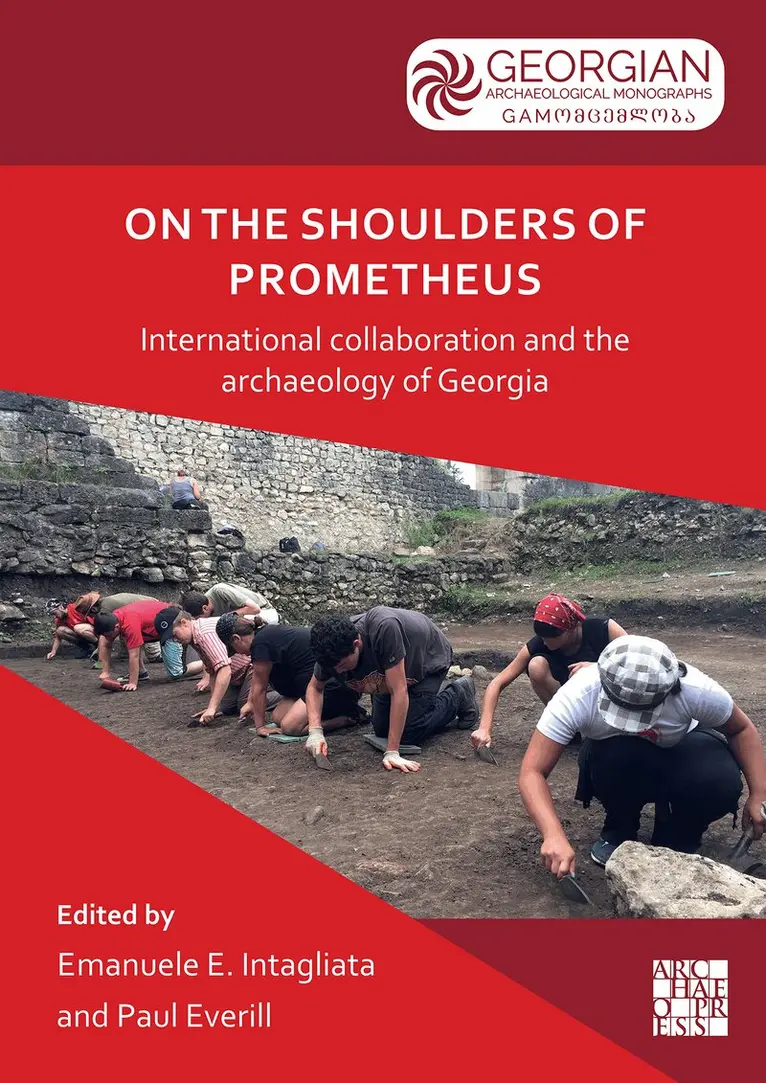
On the Shoulders of Prometheus: International Collaboration and the Archaeology of Georgia
International Collaboration and the Archaeology of Georgia
Av Emanuele E. Intagliata, Paul Everill
Häftad, 2023
558 kr
Lägg i varukorg
Despite some high-profile exceptions, the archaeology of the South Caucasus (present-day Georgia, Armenia, and Azerbaijan) remains marginalised and often overlooked – not receiving the wider exposure it deserves. This situation is partly a consequence of decades of occupation and academic …
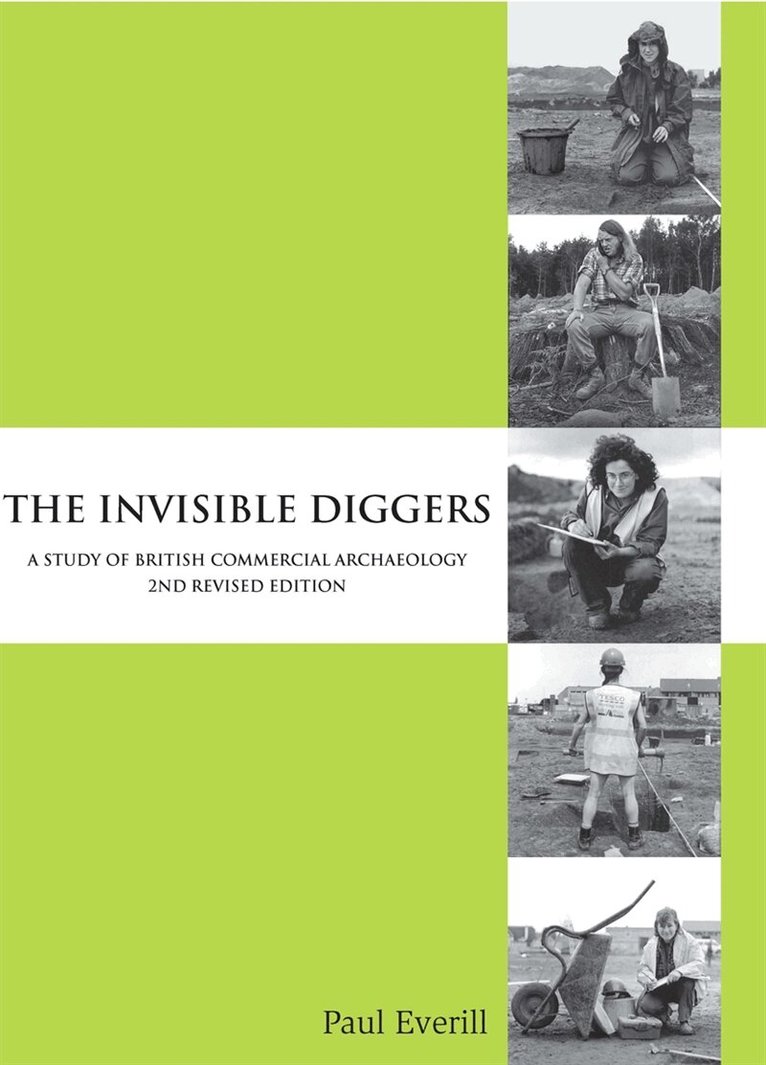
The Invisible Diggers
A Study of British Commercial Archaeology
Av Paul Everill
E-bok, 2021
126 kr
Lägg i varukorg
Since the increasing reliance on developers to fund archaeological work through the 1980s, and the implementation of Planning Policy Guidance Note 16 (PPG16) in 1990, British 'commercial' archaeologists have become increasingly distanced from their academic colleagues. This monograph examines the …