Paul Gepts - Böcker
Visar alla böcker från författaren Paul Gepts. Handla med fri frakt och snabb leverans.
5 produkter
5 produkter
838 kr
Skickas inom 7-10 vardagar
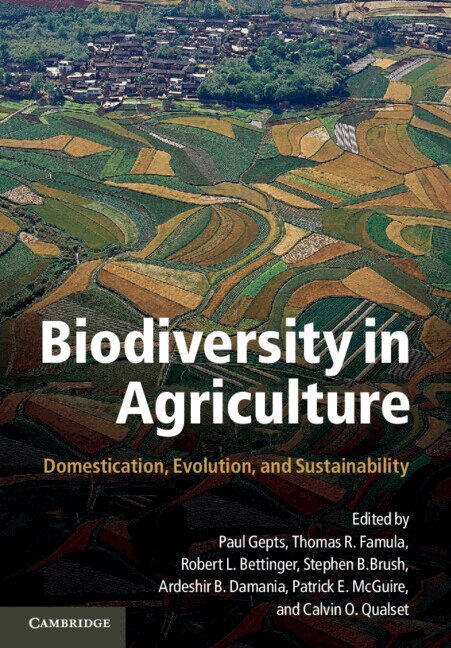
The introduction of plant and animal agriculture represents one of the most important milestones in human evolution. It contributed to the development of cities, alphabets, new technologies, and ultimately to civilizations, but it has also presented a threat to both human health and the environment. Bringing together research from a range of fields including anthropology, archaeology, ecology, economics, entomology, ethnobiology, genetics and geography, this book addresses key questions relating to agriculture. Why did agriculture develop and where did it originate? What are the patterns of domestication for plants and animals? How did agroecosystems originate and spread from their locations of origin? Exploring the cultural aspects of the development of agricultural ecosystems, the book also highlights how these topics can be applied to our understanding of contemporary agriculture, its long-term sustainability, the co-existence of agriculture and the environment, and the development of new crops and varieties.
1 270 kr
Skickas inom 11-20 vardagar
The introduction of plant and animal agriculture represents one of the most important milestones in human evolution. It contributed to the development of cities, alphabets, new technologies, and ultimately to civilizations, but it has also presented a threat to both human health and the environment. Bringing together research from a range of fields including anthropology, archaeology, ecology, economics, entomology, ethnobiology, genetics and geography, this book addresses key questions relating to agriculture. Why did agriculture develop and where did it originate? What are the patterns of domestication for plants and animals? How did agroecosystems originate and spread from their locations of origin? Exploring the cultural aspects of the development of agricultural ecosystems, the book also highlights how these topics can be applied to our understanding of contemporary agriculture, its long-term sustainability, the co-existence of agriculture and the environment, and the development of new crops and varieties.
2 347 kr
Skickas inom 3-6 vardagar
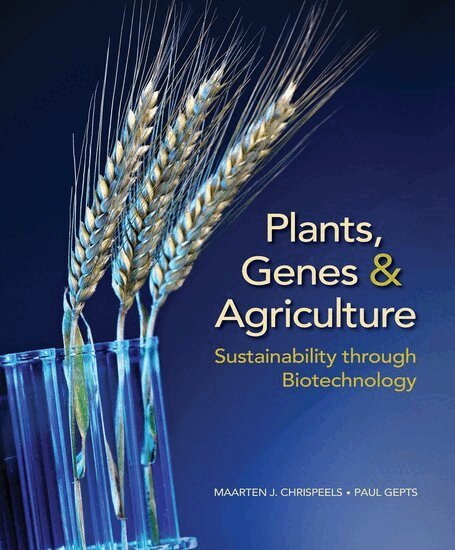
Published by Sinauer Associates, an imprint of Oxford University Press. Presenting and integrating information from many disciplines, this book invites readers to consider the complexity of feeding humanity and increasing food production sustainably. Topics covered include:- the development, physiology, and nutrition of plants - human nutrition and food safety - photosynthesis and energy transformations - genetics, molecular biology, and genomics, including the techniques of genetic transformation (gene silencing, gene editing with CRISPR) used in modern crop breeding - crop domestication and plant breeding - soil ecosystems - the biotic (animal pests, diseases, and weeds) and abiotic (drought, flooding, temperature extremes, and soil degradation) stresses that limit crop production - technological advances and how new innovations (equipment, chemical products, and improved plant varieties) reach farmers and eventually affect what we eat; also discusses legal aspects (e.g., patents) relevant to agricultural innovations - plants as sources of pharmaceuticals and specialty chemicalsAlthough publicized in the controversies surrounding "genetically modified organisms" (GMOs), the applications of modern biotechnology to agriculture extend far beyond GMOs, and include crop improvements that rely on knowledge of the plant's genomes and its analysis by bioinformatics. This unifying theme of the text is stressed in coverage of a number of issues that appear throughout the chapters, including:- how crop plant breeders look for specific traits to solve practical problems - genetic engineering of crops as a useful way to supplement conventional plant breeding - the nature of agribusiness in industrialized countries - the vital contributions of developing countries and their smallhold farmers, and the unique challenges facing them Challenging and controversial topics such as the safety of pesticides and GMOs, the increasing demand for animal products and the stresses this puts on agricultural output, organic farming and foods, and patenting new crop varieties are dealt with in a balanced way, inviting teachers and students to consider all the implications of these serious questions.
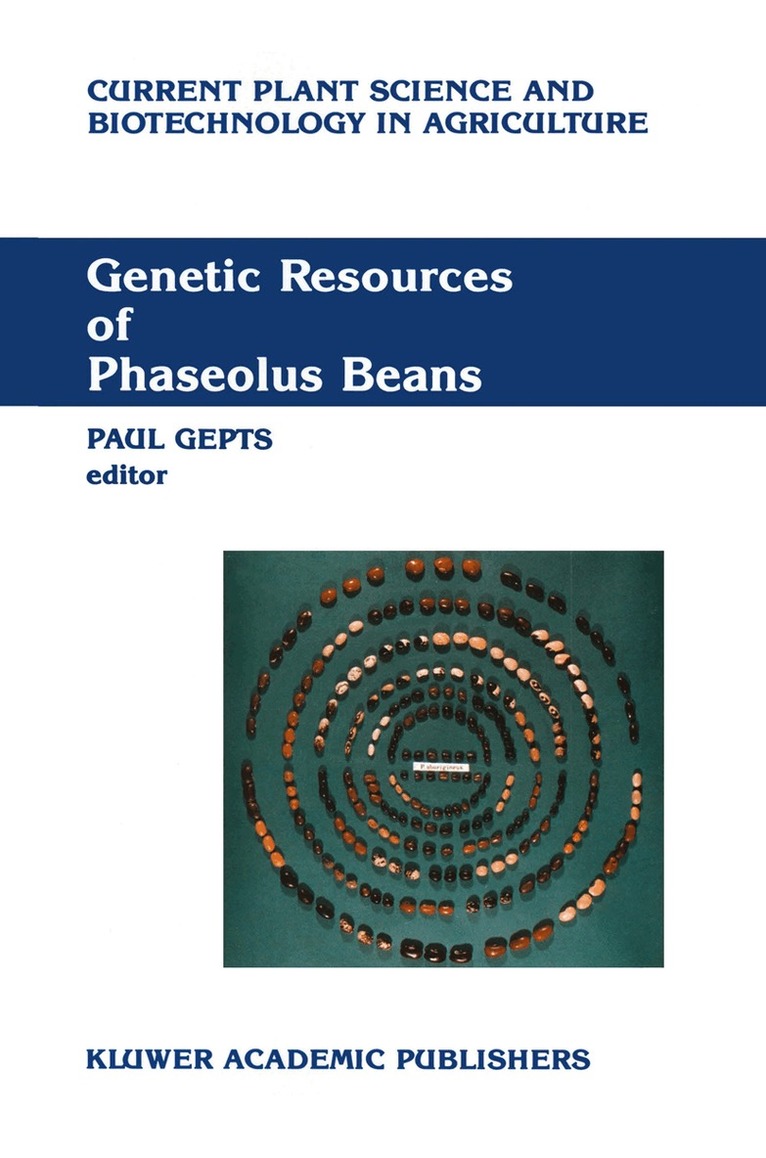
Genetic Resources of Phaseolus Beans
Their maintenance, domestication, evolution and utilization
Inbunden, Engelska, 1988
2 121 kr
Skickas inom 10-15 vardagar
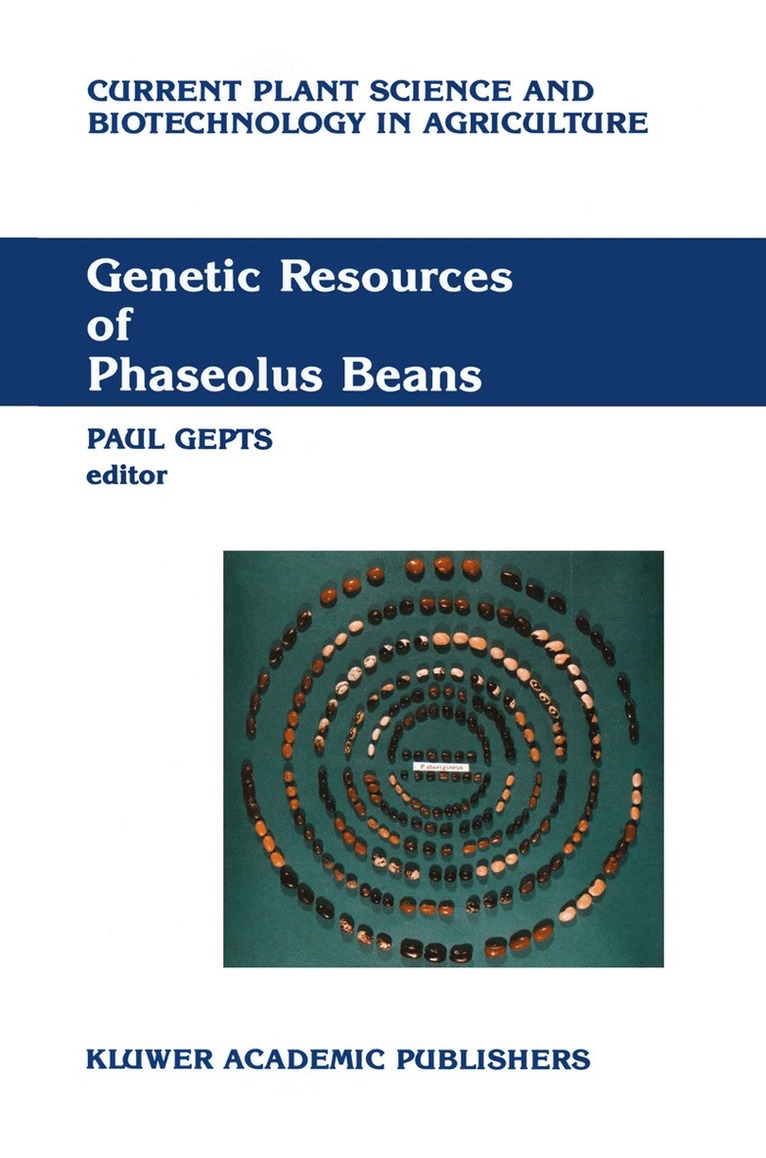
The period following the second world war has witnessed an expanding commitment to incr~ased food production in tropical countries. Public and private initiatives at the national and international levels have led to the creation of programs geared specifically towards the improvement of food crops in tropical conditions. Examples of this increased commitment are the network of international agricultural research centers and numerous bilateral aid projects. As a consequence, crop improvement has become a truly worldwide endeavor, relying on an international network of institutions and collaborators. This holds also for Phaseolus beans. Following the discovery of the Americas, Phaseolus beans became distributed on all six continents. Yet, until not so long ago, most of the research on Phaseolus improvement took place in developed countries. In recognition of the nutritional importance of Phaseolus beans in developing countries, this has changed considerably in the last years, principally perhaps through the activities of the Centro Internacional de Agricultura Tropical (CIAT) and the International Board for Plant Genetic Resources (IBPGR). Consequently, the scope of the research on Phaseolus has broadened considerably and the number of Phaseolus researchers is larger than ever before.
Genetic Resources of Phaseolus Beans
Their maintenance, domestication, evolution and utilization
Häftad, Engelska, 2011
2 121 kr
Skickas inom 10-15 vardagar
The period following the second world war has witnessed an expanding commitment to incr~ased food production in tropical countries. Public and private initiatives at the national and international levels have led to the creation of programs geared specifically towards the improvement of food crops in tropical conditions. Examples of this increased commitment are the network of international agricultural research centers and numerous bilateral aid projects. As a consequence, crop improvement has become a truly worldwide endeavor, relying on an international network of institutions and collaborators. This holds also for Phaseolus beans. Following the discovery of the Americas, Phaseolus beans became distributed on all six continents. Yet, until not so long ago, most of the research on Phaseolus improvement took place in developed countries. In recognition of the nutritional importance of Phaseolus beans in developing countries, this has changed considerably in the last years, principally perhaps through the activities of the Centro Internacional de Agricultura Tropical (CIAT) and the International Board for Plant Genetic Resources (IBPGR). Consequently, the scope of the research on Phaseolus has broadened considerably and the number of Phaseolus researchers is larger than ever before.