Paul Jankowski – författare
Visar alla böcker från författaren Paul Jankowski. Handla med fri frakt och snabb leverans.
14 produkter
All Against All
The Long Winter of 1933 and the Origins of the Second World War
E-bok, 2023
94 kr
Lägg i varukorg
"This crisply written, well-documented account . . . examines diplomatic, military, political and economic developments in a crucial period leading up to WWII" (Publishers Weekly)All Against All is the story of how a single winter, between November 1932 and April 1933, put the postwar world back on …
All Against All
The Long Winter of 1933 and the Origins of the Second World War
Häftad, 2021
130 kr
Lägg i varukorg
"Expert....[Jankowski] shrewdly juxtaposes interminable peace and disarmament conferences and political events with the national mood in a dozen countries whose leaders revealed a distressing eagerness to discover the source of their misery in rival nations or undeserving minorities." — Kirkus …
Verdun
The Longest Battle of the Great War
Inbunden, 2014
477 kr
Lägg i varukorg
At seven o'clock in the morning on February 21, 1916, the ground in northern France began to shake. For the next ten hours, twelve hundred German guns showered shells on a salient in French lines. The massive weight of explosives collapsed dugouts, obliterated trenches, severed communication wires, …
Verdun
The Longest Battle of the Great War
E-bok, 2014
126 kr
Lägg i varukorg
At seven o''clock in the morning on February 21, 1916, the ground in northern France began to shake. For the next ten hours, twelve hundred German guns showered shells on a salient in French lines. The massive weight of explosives collapsed dugouts, obliterated trenches, severed communication …
Verdun
The Longest Battle of the Great War
E-bok, 2014
126 kr
Lägg i varukorg
At seven o''clock in the morning on February 21, 1916, the ground in northern France began to shake. For the next ten hours, twelve hundred German guns showered shells on a salient in French lines. The massive weight of explosives collapsed dugouts, obliterated trenches, severed communication …
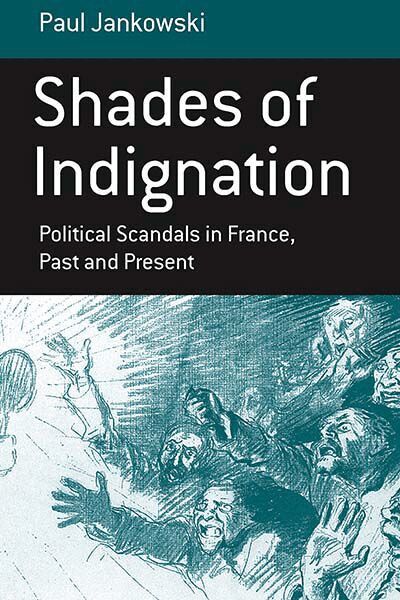
Shades of Indignation
Political Scandals in France, Past and Present
E-bok, 2007
335 kr
Lägg i varukorg
At the end of the twentieth century France found itself in the midst of another scandalous fin de siècle, awash with rumors and revelations of wrongdoing in high places. As the millennium expired, the Republic’s servants, some sitting, others retired, received much condemnation, whether welcomed or …
All Against All
The long Winter of 1933 and the Origins of the Second World War
Häftad, 2021
141 kr
Lägg i varukorg
During a single winter, between November 1932 and April 1933, so much went wrong: Hitler came to power; Japan invaded Jehol and left the league of Nations; Mussolini looked towards Africa; Roosevelt was elected; France changed governments three times; and the victors of 1918 fell out acrimoniously …
All Against All
The long Winter of 1933 and the Origins of the Second World War
E-bok, 2020
137 kr
Lägg i varukorg
During a single winter, between November 1932 and April 1933, so much went wrong: Hitler came to power; Japan invaded Jehol and left the league of Nations; Mussolini looked towards Africa; Roosevelt was elected; France changed governments three times; and the victors of 1918 fell out acrimoniously …
Shades of Indignation
Political Scandals in France, Past and Present
Inbunden, 2007
1979 kr
Lägg i varukorg
At the end of the twentieth century France found itself in the midst of another scandalous fin de siècle, awash with rumors and revelations of wrongdoing in high places. As the millennium expired, the Republic’s servants, some sitting, others retired, received much condemnation, whether welcomed or …
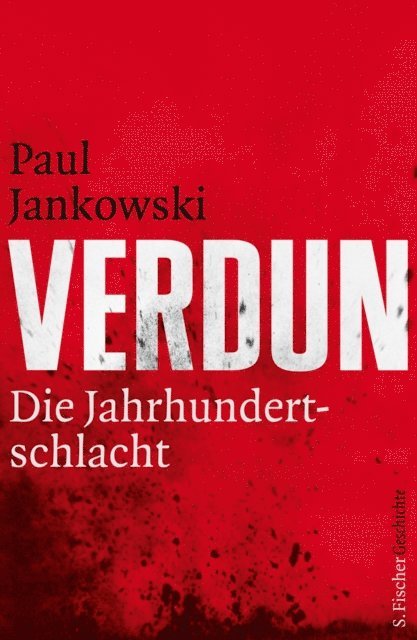
Verdun
Die Jahrhundertschlacht
E-bok, 2015
170 kr
Lägg i varukorg
+++ Verdun, die blutigste Schlacht des Ersten Weltkriegs, in einer fesselnden Geschichtserzählung dargestellt – von den Kämpfen selbst bis zur Erinnerungskultur in Frankreich und Deutschland +++An einem kalten Februarmorgen 1916 eröffneten mehr als 1000 deutsche Geschütze das Feuer auf französische …
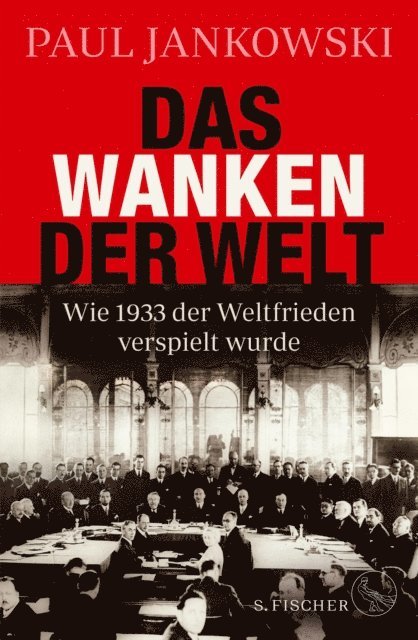
Das Wanken der Welt
Wie 1933 der Weltfrieden verspielt wurde
E-bok, 2021
397 kr
Lägg i varukorg
Ein Thriller der internationalen Diplomatie, der zwischen Februar 1932 und Oktober 1933 spielt – der Historiker Paul Jankowski erzählt die Geschichte vom Versagen der weltweiten Staatengemeinschaft, die Vorgeschichte des Zweiten Weltkrieges.Die Welt lief aus dem Ruder im Winter 1932/33. In …