Paul Kriwaczek – författare
Visar alla böcker från författaren Paul Kriwaczek. Handla med fri frakt och snabb leverans.
12 produkter
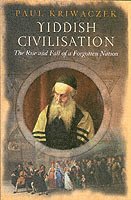
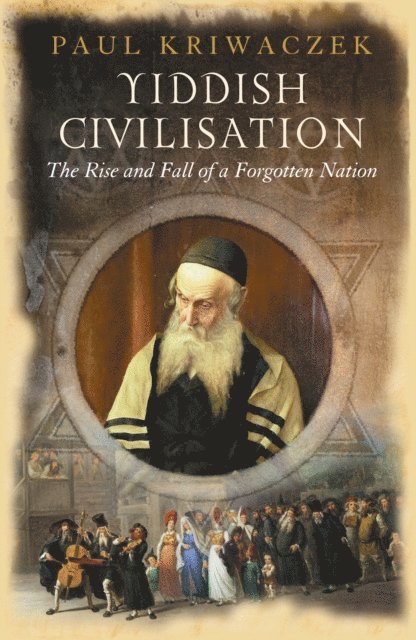
Yiddish Civilisation
The Rise and Fall of a Forgotten Nation
Häftad, 2006
225 kr
Lägg i varukorg
A portrait of a civilisation which flourished within living memory and left an indelible mark on historyIn the 13th century Yiddish language and culture began to spread from the Rhineland and Bavaria slowly east into Austria, Bohemia and Moravia, then to Poland and Lithuania and finally to western …
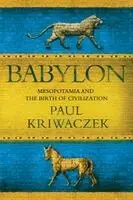
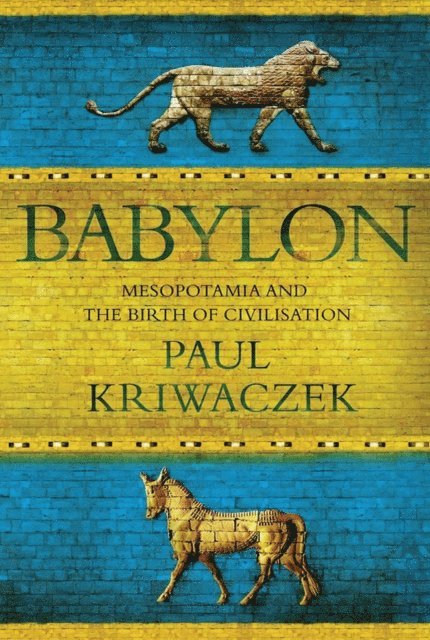
Babylon
Mesopotamia and the Birth of Civilization
Häftad, 2012
3,3 utav 5 stjärnor. Totalt antal röster: (3)
154 kr
Lägg i varukorg
In Babylon, Paul Kriwaczek tells the story of ancient Mesopotamia from the earliest settlements around 5400 BC, to the eclipse of Babylon by the Persians in the sixth century BC. He chronicles the rise and fall of dynastic power during this period; he examines its numerous material, social and …
Documentary for the Small Screen
Häftad, 1997
1251 kr
Lägg i varukorg
Film and video have grown to be as significant in our time as books, newspapers and magazines. Documentary film-making is fast becoming as important and useful a skill as the ability to write well. Like writing, it can be learned by anyone.Film and video have grown to be as significant in our time …
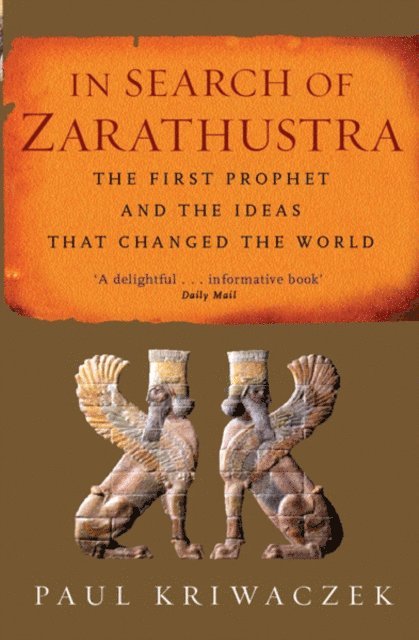
In Search of Zarathustra
Across Iran and Central Asia to Find the World''s First Prophet
E-bok, 2007
173 kr
Lägg i varukorg
Long before the first Hebrew temple, before the birth of Christ or the mission of Muhammad, there lived in Persia a prophet to whom we owe the ideas of a single god, the cosmic struggle between good and evil, and the Apocalypse. His name was Zarathustra, and his teachings eventually held sway from …
Yiddish Civilisation
The Rise and Fall of a Forgotten Nation
E-bok, 2007
142 kr
Lägg i varukorg
Paul Kriwaczek begins this illuminating and immensely pleasurable chronicle of Yiddish civilization during the Roman empire, when Jewish culture first spread to Europe. We see the burgeoning exile population disperse, as its notable diplomats, artists and thinkers make their mark in far-flung …
Documentary for the Small Screen
Inbunden, 2016
2585 kr
Lägg i varukorg
Film and video have grown to be as significant in our time as books, newspapers and magazines. Documentary film-making is fast becoming as important and useful a skill as the ability to write well. Like writing, it can be learned by anyone.Film and video have grown to be as significant in our time …
In Search of Zarathustra: Across Iran and Central Asia to Find the World's First Prophet
Häftad, 2004
4,0 utav 5 stjärnor. Totalt antal röster: (1)
287 kr
Lägg i varukorg
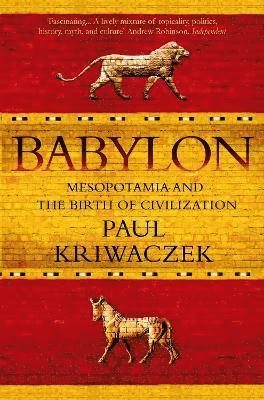
Babylon
Mesopotamia and the Birth of Civilization
E-bok, 2012
174 kr
Lägg i varukorg
Civilization was born eight thousand years ago, between the floodplains of the Tigris and Euphrates rivers, when migrants from the surrounding mountains and deserts began to create increasingly sophisticated urban societies. In the cities that they built, half of human history took place. In …
In Search Of Zarathustra
The First Prophet and the Ideas that Changed the World
E-bok, 2011
45 kr
Lägg i varukorg
A quest to find the most influential religious teacher in the ancient world: Zarathustra. IN SEARCH OF ZARATHUSTRA is a quest to trace the influence of the prophet the Greeks called Zoroaster and considered the greatest religious legislator of the ancient world. Long before the first Hebrew temple, …
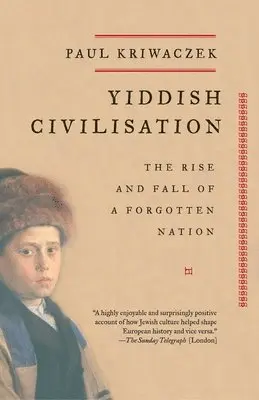
Yiddish Civilisation
The Rise and Fall of a Forgotten Nation
E-bok, 2011
45 kr
Lägg i varukorg
A portrait of a civilisation which flourished within living memory and left an indelible mark on history In the 13th century Yiddish language and culture began to spread from the Rhineland and Bavaria slowly east into Austria, Bohemia and Moravia, then to Poland and Lithuania and finally to western …