Paul M Salkovskis - Böcker
Visar alla böcker från författaren Paul M Salkovskis. Handla med fri frakt och snabb leverans.
2 produkter
2 produkter
200 kr
Skickas
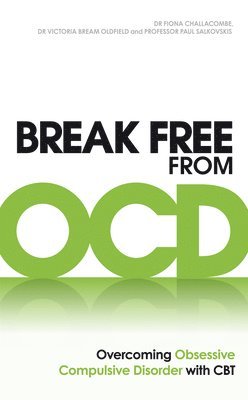
The extensive and practical guide to overcoming OCD through cognitive behavioural therapy from three leading psychologists and experts in obsessional-disorder-related conditions and anxiety-disorders. ‘My number one recommendation OCD self-help book’ Ashley Fulwood, CEO, OCD-UKAre you plagued by obsessive thoughts, rituals or routines? Would you like to regain control over your behaviour and cast your fears aside? Whether you are compelled to wash your hands more and more thoroughly or feel the need to keep checking that you've turned off appliances, obsessive worries can be a drain on daily life.However, you don't need to suffer any more.This practical guide, written by three leading cognitive behavioural therapy experts, enables you to make sense of your symptoms, and gives a simple plan to help you conquer OCD, includingDetailed information on the many different manifestations of OCDThe differences between normal and obsessive worriesClear information on treating your individual problemReal-life case studies and examplesAdvice and support for friends and family of OCD sufferers.Whether your condition is mild or severe, this definitive resource will help you reclaim your life and keep OCD away for good.
1 236 kr
Skickas inom 7-10 vardagar
Cognitive behaviour therapy is now established as the leading psychological treatment for many psychiatric conditions. This innovative book gives a guide to practising the therapy with patients suffering from a wide range of emotional disorders. Unlike other handbooks which extensively review research findings, this concentrates on showing the reader how to perform the therapy in practice. Acknowledged experts in the practice, teaching, and empirical investigation of cognitive behaviour therapy contribute to the book. It provides a summary of the cognitive behavioural principles on which the therapy is based, followed by a detailed account of how to carry out a cognitive-behavioural assessment. Subsequent chapters provide self-contained descriptions of how to use the therapy to treat particular conditions: panic and generalized anxiety, phobic disorders, depression, obsessional disorders, somatic problems, eating disorders, chronic psychiatric handicaps, marital problems, and sexual dysfunctions. A final chapter provides a description of problem-solving training. Each chapter describes the condition, assessment procedures, factors likely to be important in formulating the problem, and then the treatment, step-by-step. Particular attention is paid to overcoming difficulties encountered during treatment, and extensive use is made of clinical material and case illustrations. This is an excellent guide to the practice of cognitive behaviour therapy for all those beginning to use the technique.