Paul North - Böcker
Visar alla böcker från författaren Paul North. Handla med fri frakt och snabb leverans.
12 produkter
12 produkter
356 kr
Skickas inom 7-10 vardagar
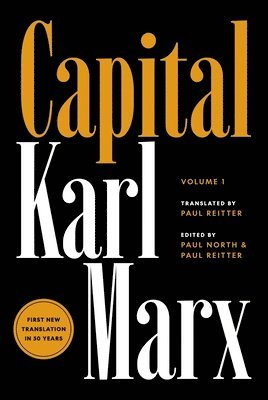
Marx for the twenty-first centuryThe first new English translation in fifty years—and the only one based on the last German edition revised by Marx himselfFeaturing extensive original commentary, including a foreword by acclaimed political theorist Wendy Brown“An astounding achievement.”—China Miéville, author of October: The Story of the Russian RevolutionKarl Marx (1818–1883) was living in exile in England when he embarked on an ambitious, multivolume critique of the capitalist system of production. Though only the first volume saw publication in Marx’s lifetime, it would become one of the most consequential books in history. This magnificent new edition of Capital is a translation of Marx for the twenty-first century. It is the first translation into English to be based on the last German edition revised by Marx himself, the only version that can be called authoritative, and it features extensive commentary and annotations by Paul North and Paul Reitter that draw on the latest scholarship and provide invaluable perspective on the book and its complicated legacy. At once precise and boldly readable, this translation captures the momentous scale and sweep of Marx’s thought while recovering the elegance and humor of the original source.For Marx, our global economic system is relentlessly driven by “value”—to produce it, capture it, trade it, and, most of all, to increase it. Lifespans are shortened under the demand for ever-greater value. Days are lengthened, work is intensified, and the division of labor deepens until it leaves two classes, owners and workers, in constant struggle for life and livelihood. In Capital, Marx reveals how value came to tyrannize our world, and how the history of capital is a chronicle of bloodshed, colonization, and enslavement.With a foreword by Wendy Brown and an afterword by William Clare Roberts, this is a critical edition of Capital for our time, one that faithfully preserves the vitality and directness of Marx’s German prose and renders his ideas newly relevant to modern readers.
251 kr
Kommande
Marx for the twenty-first centuryThe first new English translation in fifty years—and the only one based on the last German edition revised by Marx himselfFeaturing extensive original commentary, including a foreword by acclaimed political theorist Wendy Brown“An astounding achievement.”—China Miéville, author of October: The Story of the Russian RevolutionKarl Marx (1818–1883) was living in exile in England when he embarked on an ambitious, multivolume critique of the capitalist system of production. Though only the first volume saw publication in Marx’s lifetime, it would become one of the most consequential books in history. This magnificent new edition of Capital is a translation of Marx for the twenty-first century. It is the first translation into English to be based on the last German edition revised by Marx himself, the only version that can be called authoritative, and it features extensive commentary and annotations by Paul North and Paul Reitter that draw on the latest scholarship and provide invaluable perspective on the book and its complicated legacy. At once precise and boldly readable, this translation captures the momentous scale and sweep of Marx’s thought while recovering the elegance and humor of the original source.For Marx, our global economic system is relentlessly driven by “value”—to produce it, capture it, trade it, and, most of all, to increase it. Lifespans are shortened under the demand for ever-greater value. Days are lengthened, work is intensified, and the division of labor deepens until it leaves two classes, owners and workers, in constant struggle for life and livelihood. In Capital, Marx reveals how value came to tyrannize our world, and how the history of capital is a chronicle of bloodshed, colonization, and enslavement.With a foreword by Wendy Brown and an afterword by William Clare Roberts, this is a critical edition of Capital for our time, one that faithfully preserves the vitality and directness of Marx’s German prose and renders his ideas newly relevant to modern readers.
1 189 kr
Skickas inom 10-15 vardagar
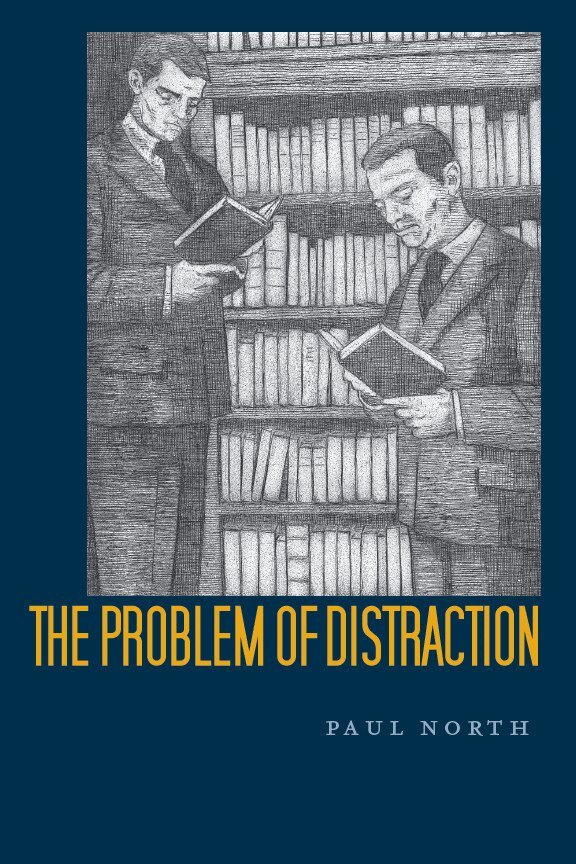
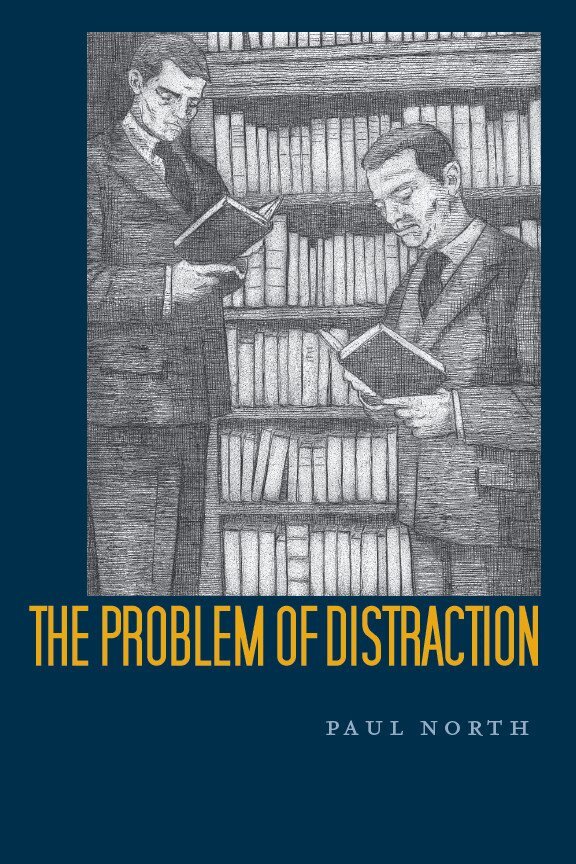
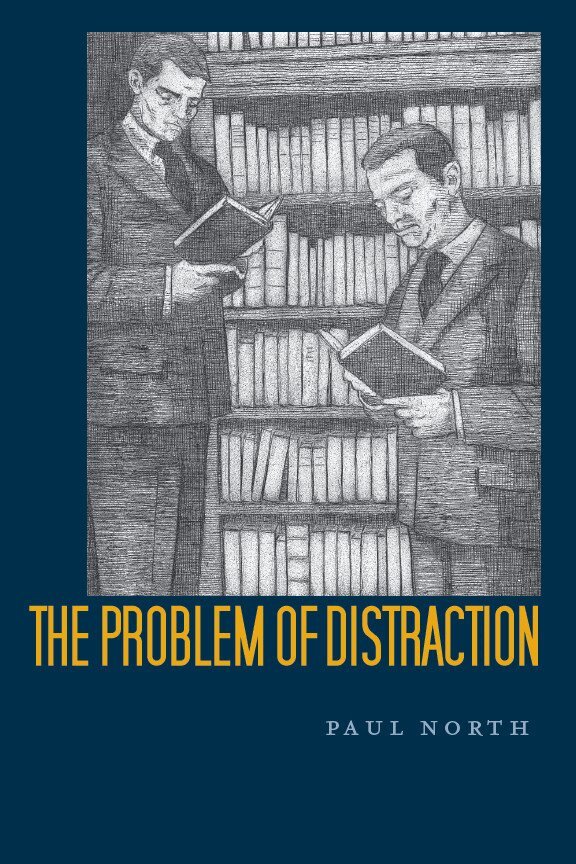
We live in an age of distraction. Contemporary analyses of culture, politics, techno-science, and psychology insist on this. They often suggest remedies for it, or ways to capitalize on it. Yet they almost never investigate the meaning and history of distraction itself. This book corrects this lack of attention. It inquires into the effects of distraction, defined not as the opposite of attention, but as truly discontinuous intellect. Human being has to be reconceived, according to this argument, not as quintessentially thought-bearing, but as subject to repeated, causeless blackouts of mind.The Problem of Distraction presents the first genealogy of the concept from Aristotle to the largely forgotten, early twentieth-century efforts by Kafka, Heidegger, and Benjamin to revolutionize the humanities by means of distraction. Further, the book makes the case that our present troubles cannot be solved by recovering or enhancing attention. Not-always-thinking beings are beset by radical breaks in their experience, but in this way they are also receptive to what has not and cannot yet be called experience.
285 kr
Skickas inom 7-10 vardagar
We live in an age of distraction. Contemporary analyses of culture, politics, techno-science, and psychology insist on this. They often suggest remedies for it, or ways to capitalize on it. Yet they almost never investigate the meaning and history of distraction itself. This book corrects this lack of attention. It inquires into the effects of distraction, defined not as the opposite of attention, but as truly discontinuous intellect. Human being has to be reconceived, according to this argument, not as quintessentially thought-bearing, but as subject to repeated, causeless blackouts of mind.The Problem of Distraction presents the first genealogy of the concept from Aristotle to the largely forgotten, early twentieth-century efforts by Kafka, Heidegger, and Benjamin to revolutionize the humanities by means of distraction. Further, the book makes the case that our present troubles cannot be solved by recovering or enhancing attention. Not-always-thinking beings are beset by radical breaks in their experience, but in this way they are also receptive to what has not and cannot yet be called experience.
1 615 kr
Skickas inom 10-15 vardagar
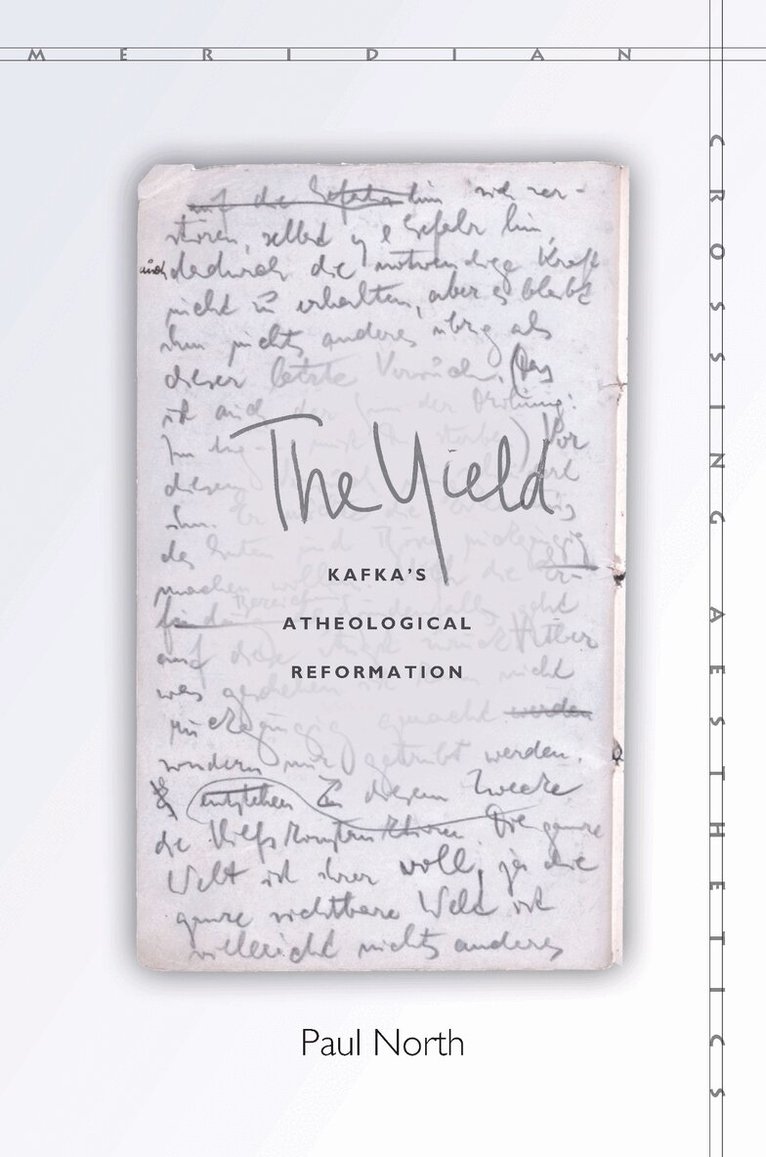
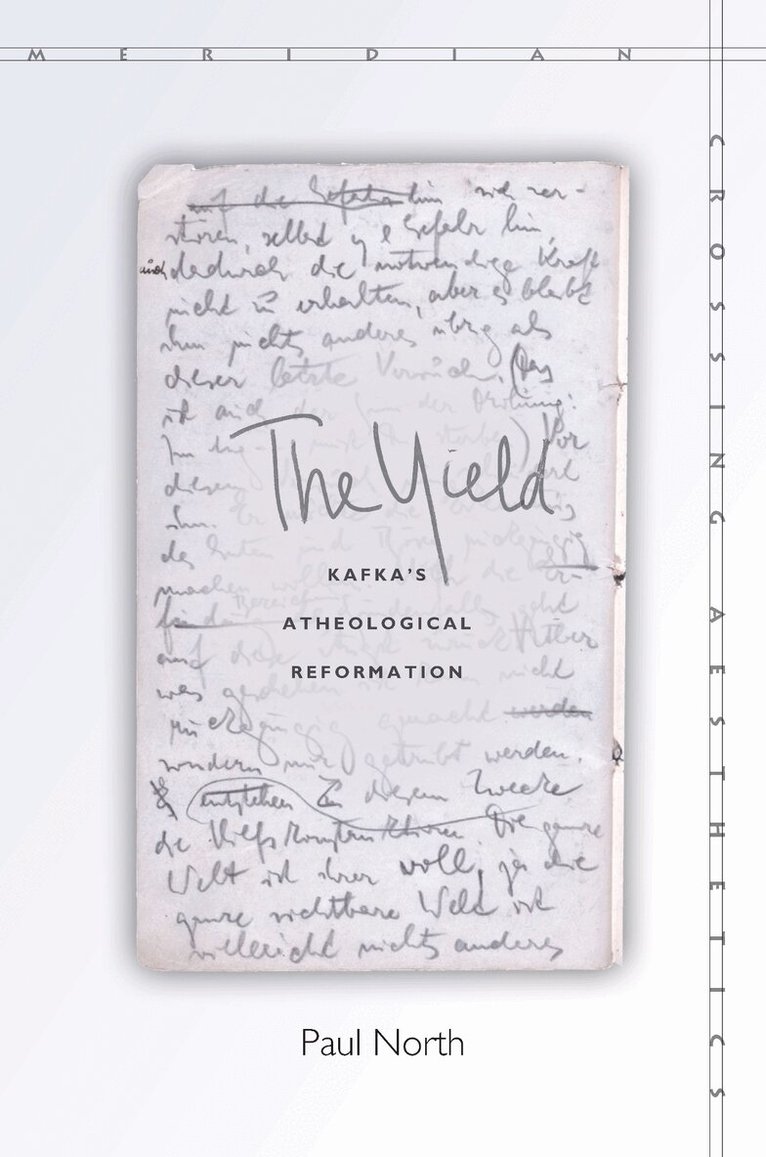
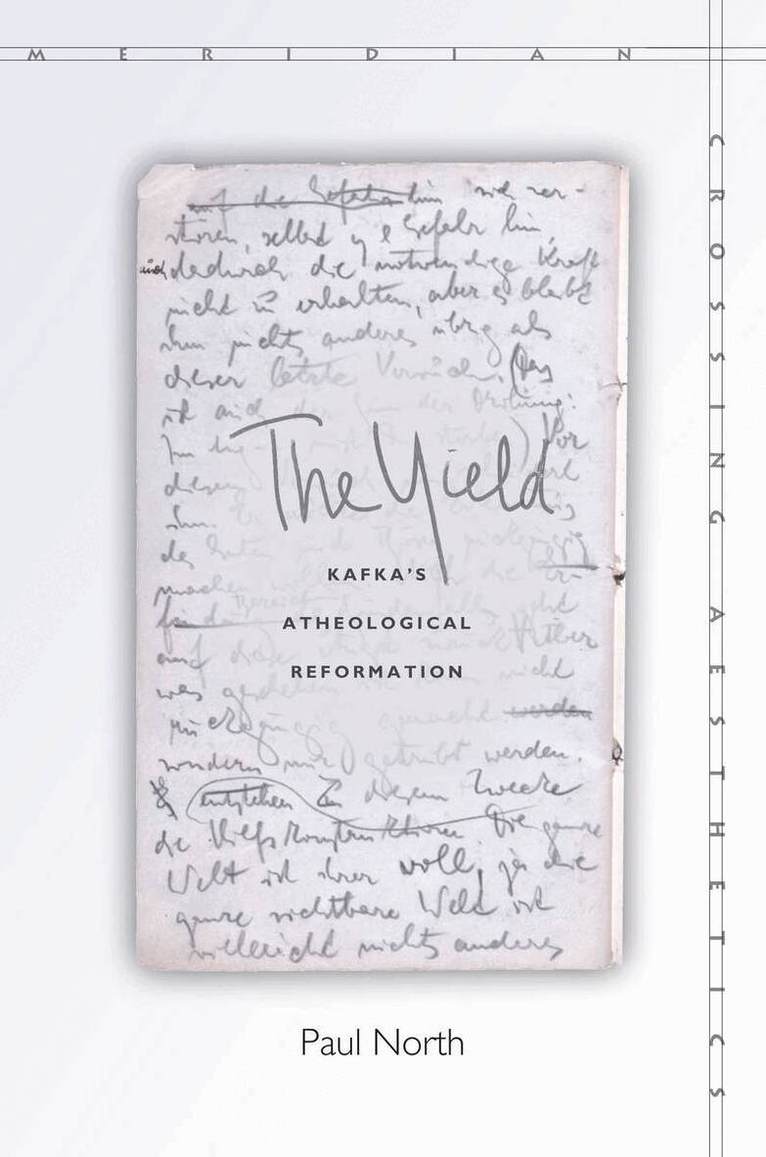
The Yield is a once-in-a-generation reinterpretation of the oeuvre of Franz Kafka. At the same time, it is a powerful new entry in the debates about the supposed secularity of the modern age. Kafka is one of the most admired writers of the last century, but this book presents us with a Kafka few will recognize. It does so through a fine-grained analysis of the three hundred "thoughts" the writer penned near the end of World War I, when he had just been diagnosed with tuberculosis.Since they were discovered after Kafka's death, the meaning of the so-called "Zürau aphorisms" has been open to debate. Paul North's elucidation of what amounts to Kafka's only theoretical work shows them to contain solutions to problems Europe has faced throughout modernity. Kafka offers responses to phenomena of violence, discrimination, political repression, misunderstanding, ethnic hatred, fantasies of technological progress, and the subjugation of the worker, among other problems. Reflecting on secular modernity and the theological ideas that continue to determine it, he critiques the ideas of sin, suffering, the messiah, paradise, truth, the power of art, good will, and knowledge. Kafka's controversial alternative to the bad state of affairs in his day? Rather than fight it, give in. Developing some of Kafka's arguments, The Yield describes the ways that Kafka envisions we can be good by "yielding" to our situation instead of striving for something better.
373 kr
Skickas inom 7-10 vardagar
The Yield is a once-in-a-generation reinterpretation of the oeuvre of Franz Kafka. At the same time, it is a powerful new entry in the debates about the supposed secularity of the modern age. Kafka is one of the most admired writers of the last century, but this book presents us with a Kafka few will recognize. It does so through a fine-grained analysis of the three hundred "thoughts" the writer penned near the end of World War I, when he had just been diagnosed with tuberculosis.Since they were discovered after Kafka's death, the meaning of the so-called "Zürau aphorisms" has been open to debate. Paul North's elucidation of what amounts to Kafka's only theoretical work shows them to contain solutions to problems Europe has faced throughout modernity. Kafka offers responses to phenomena of violence, discrimination, political repression, misunderstanding, ethnic hatred, fantasies of technological progress, and the subjugation of the worker, among other problems. Reflecting on secular modernity and the theological ideas that continue to determine it, he critiques the ideas of sin, suffering, the messiah, paradise, truth, the power of art, good will, and knowledge. Kafka's controversial alternative to the bad state of affairs in his day? Rather than fight it, give in. Developing some of Kafka's arguments, The Yield describes the ways that Kafka envisions we can be good by "yielding" to our situation instead of striving for something better.
1 028 kr
Skickas inom 10-15 vardagar
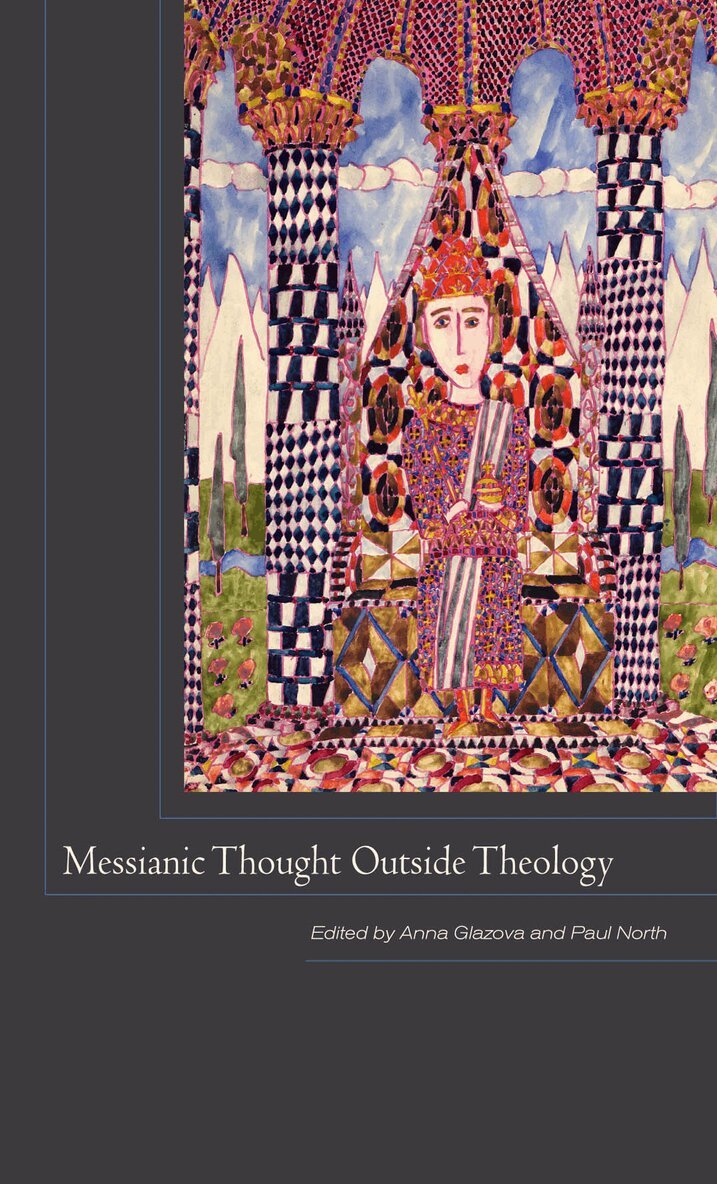
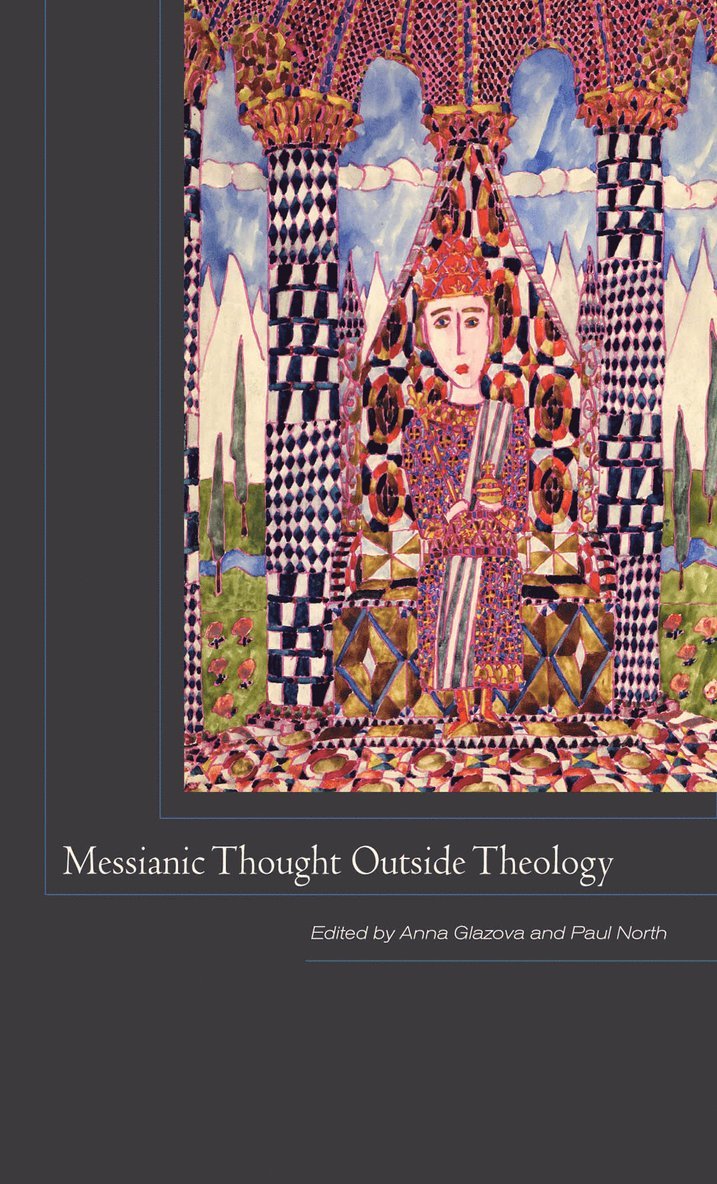
Why did a "secularized" concept of messianicity seem so crucial in the twentieth century? Are messianic structures intelligible outside the theological systems in which they were invented? This book seeks to situate the ethical, ontological, and literary adoptions of messianism within the broader contours of messianic thought.The gesture by Benjamin, Rosenzweig, and others of detaching messianism from the person of the messiah, understanding it instead as a redemptive potential inherent in all human history, is one facet of a broad move in political theory, philosophy, linguistics, and historiography to redeem secular thinking through theological figures.Yet already within religious discourse the messiah figure is paradoxical. With the invocation of a future arrival "to come," history is opened, yet the previous assumption of an end threatens to shut it off from whatever unexpected might come. The coming arrival, so certain, so complete, will have already come in an anteriority that seems to cancel the future and close down historical life before it starts.
329 kr
Skickas inom 10-15 vardagar
Why did a "secularized" concept of messianicity seem so crucial in the twentieth century? Are messianic structures intelligible outside the theological systems in which they were invented? This book seeks to situate the ethical, ontological, and literary adoptions of messianism within the broader contours of messianic thought.The gesture by Benjamin, Rosenzweig, and others of detaching messianism from the person of the messiah, understanding it instead as a redemptive potential inherent in all human history, is one facet of a broad move in political theory, philosophy, linguistics, and historiography to redeem secular thinking through theological figures.Yet already within religious discourse the messiah figure is paradoxical. With the invocation of a future arrival "to come," history is opened, yet the previous assumption of an end threatens to shut it off from whatever unexpected might come. The coming arrival, so certain, so complete, will have already come in an anteriority that seems to cancel the future and close down historical life before it starts.
Polyvagal Parenting: Vagus Nerve Practices to Stay Calm, Coregulated, and Connected with Your Child
Häftad, Engelska, 2026
251 kr
Kommande
151 kr
Skickas inom 5-8 vardagar
237 kr
Skickas inom 5-8 vardagar
319 kr
Skickas inom 7-10 vardagar