348 kr
Läs direkt efter köp
348 kr
Läs direkt efter köp
347 kr
Läs direkt efter köp
178 kr
Skickas inom 5-8 vardagar
128 kr
Läs direkt efter köp
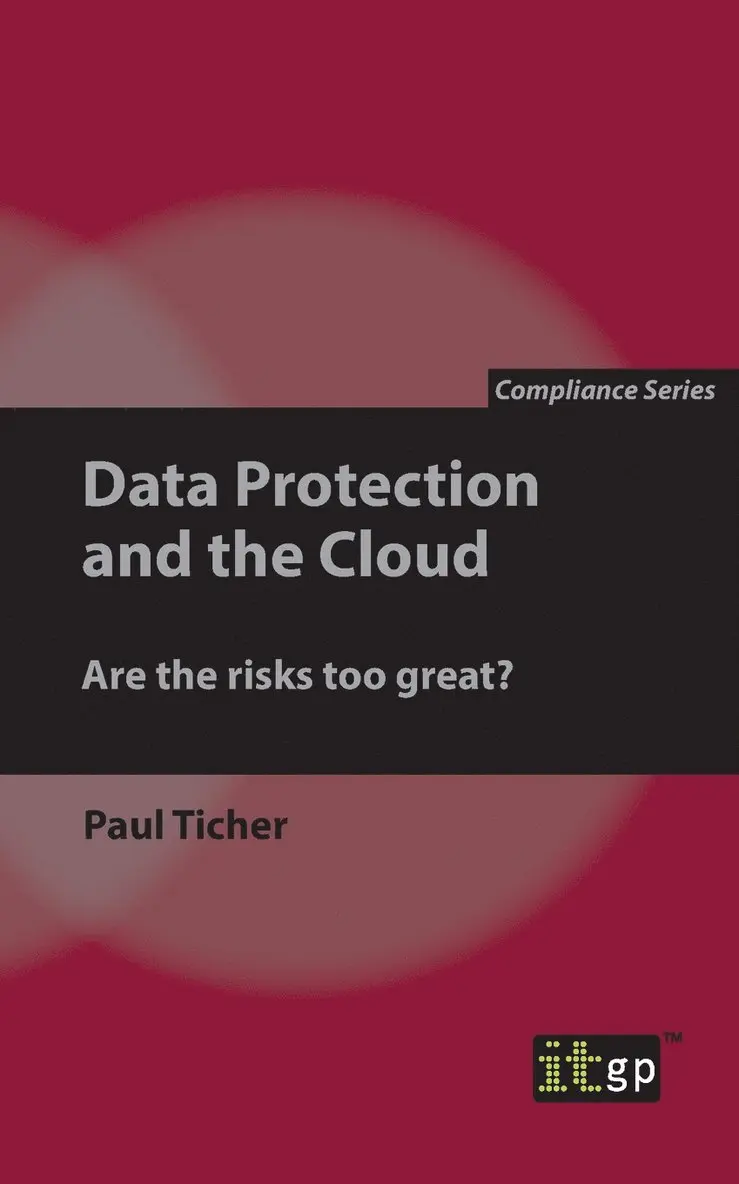
With a view to helping managers ask the right questions, Data Protection and the Cloud explains how you can effectively manage the risks associated with the Cloud and meet regulatory requirements. This book discusses:
The controller–processor relationship and what you should pay attention to;How to mitigate security risks in the Cloud to comply with Article 32 of the EU GDPR (General Data Protection Regulation);How to comply with Chapter V of the GDPR when transferring data to third countries; andThe implications of the NIS Directive (Directive on security of network and information systems) for Cloud providers.One of the most dramatic recent developments in computing has been the rapid adoption of Cloud applications. According to the 2018 Bitglass Cloud Adoption Report, more than 81% of organisations have now adopted the Cloud in some form, compared with only 24% in 2014. And there are no signs that this is slowing down.
The GDPR was enforced on 25 May 2018, superseding the 1995 Data Protection Directive and all local implementations. Bringing data protection into the 21st century, the Regulation expands the rights of individuals, but also introduces new, stricter requirements for organisations. This pocket guide discusses the GDPR requirements relating to Cloud sourcing and the risks involved.
With a view to helping managers ask the right questions, Data Protection and the Cloud explains how you can effectively manage the risks associated with the Cloud and meet regulatory requirements. This book discusses:
The controller–processor relationship and what you should pay attention to;How to mitigate security risks in the Cloud to comply with Article 32 of the EU GDPR (General Data Protection Regulation);How to comply with Chapter V of the GDPR when transferring data to third countries; andThe implications of the NIS Directive (Directive on security of network and information systems) for Cloud providers.One of the most dramatic recent developments in computing has been the rapid adoption of Cloud applications. According to the 2018 Bitglass Cloud Adoption Report, more than 81% of organisations have now adopted the Cloud in some form, compared with only 24% in 2014. And there are no signs that this is slowing down.
The GDPR was enforced on 25 May 2018, superseding the 1995 Data Protection Directive and all local implementations. Bringing data protection into the 21st century, the Regulation expands the rights of individuals, but also introduces new, stricter requirements for organisations. This pocket guide discusses the GDPR requirements relating to Cloud sourcing and the risks involved.
Supplemental material
While most of the EU GDPR’s requirements are broadly unchanged in the UK GDPR, the context is quite different and will have knock-on effects. You may need to update contracts regarding EU–UK data transfers, incorporate standard contractual clauses into existing agreements, and update your policies, processes and procedural documentation as a result of these changes.
We have published a supplement that sets out specific extra or amended information for this pocket guide. Click here to download the supplement.
Buy today and learn how to meet your data protection obligations when using Cloud services.

128 kr
Läs direkt efter köp
With a view to helping managers ask the right questions, Data Protection and the Cloud explains how you can effectively manage the risks associated with the Cloud and meet regulatory requirements. This book discusses:
The controller–processor relationship and what you should pay attention to;How to mitigate security risks in the Cloud to comply with Article 32 of the EU GDPR (General Data Protection Regulation);How to comply with Chapter V of the GDPR when transferring data to third countries; andThe implications of the NIS Directive (Directive on security of network and information systems) for Cloud providers.One of the most dramatic recent developments in computing has been the rapid adoption of Cloud applications. According to the 2018 Bitglass Cloud Adoption Report, more than 81% of organisations have now adopted the Cloud in some form, compared with only 24% in 2014. And there are no signs that this is slowing down.
The GDPR was enforced on 25 May 2018, superseding the 1995 Data Protection Directive and all local implementations. Bringing data protection into the 21st century, the Regulation expands the rights of individuals, but also introduces new, stricter requirements for organisations. This pocket guide discusses the GDPR requirements relating to Cloud sourcing and the risks involved.
With a view to helping managers ask the right questions, Data Protection and the Cloud explains how you can effectively manage the risks associated with the Cloud and meet regulatory requirements. This book discusses:
The controller–processor relationship and what you should pay attention to;How to mitigate security risks in the Cloud to comply with Article 32 of the EU GDPR (General Data Protection Regulation);How to comply with Chapter V of the GDPR when transferring data to third countries; andThe implications of the NIS Directive (Directive on security of network and information systems) for Cloud providers.One of the most dramatic recent developments in computing has been the rapid adoption of Cloud applications. According to the 2018 Bitglass Cloud Adoption Report, more than 81% of organisations have now adopted the Cloud in some form, compared with only 24% in 2014. And there are no signs that this is slowing down.
The GDPR was enforced on 25 May 2018, superseding the 1995 Data Protection Directive and all local implementations. Bringing data protection into the 21st century, the Regulation expands the rights of individuals, but also introduces new, stricter requirements for organisations. This pocket guide discusses the GDPR requirements relating to Cloud sourcing and the risks involved.
Supplemental material
While most of the EU GDPR’s requirements are broadly unchanged in the UK GDPR, the context is quite different and will have knock-on effects. You may need to update contracts regarding EU–UK data transfers, incorporate standard contractual clauses into existing agreements, and update your policies, processes and procedural documentation as a result of these changes.
We have published a supplement that sets out specific extra or amended information for this pocket guide. Click here to download the supplement.
Buy today and learn how to meet your data protection obligations when using Cloud services.
157 kr
Skickas inom 5-8 vardagar
127 kr
Läs direkt efter köp
An expert introduction
More than 85% of businesses now take advantage of Cloud computing, but Cloud computing does not sit easily with the DPA. Data Protection and the Cloud addresses that issue, providing an expert introduction to the legal and practical data protection risks involved in using Cloud services. Data Protection and the Cloud highlights the risks an organisation’s use of the Cloud might generate, and offers the kind of remedial measures that might be taken to mitigate those risks.
Topics covered include:
Protecting the confidentiality, integrity and accessibility of personal dataData protection responsibilitiesThe data controller/data processor relationshipHow to choose Cloud providersCloud security – including two-factor authentication, data classification and segmentationThe increased vulnerability of data in transitThe problem of BYOD (bring your own device)Data transfer abroad, US Safe Harbor and EU legislationRelevant legislation, frameworks and guidance, including:the EU General Data Protection RegulationCloud computing standardsthe international information security standard, ISO 27001the UK Government’s Cyber Essentials scheme and security frameworkCESG’s Cloud security management principlesguidance from the Information Commissioner’s Office and the Open Web Application Security Project (OWASP)
Mitigate the security risks
Mitigating security risks requires a range of combined measures to be used to provide end-to-end security. Moving to the Cloud does not solve security problems, it just adds another element that must be addressed. Data Protection and the Cloud provides information on how to do so while meeting the DPA’s eight principles.
273 kr
Tillfälligt slut