Paul Tyler – författare
Visar alla böcker från författaren Paul Tyler. Handla med fri frakt och snabb leverans.
9 produkter
Natural Capital and Exploitation of the Deep Ocean
Av Paul Tyler, Eva Ramirez-Llodra m. fl.
E-bok, 2020
636 kr
Lägg i varukorg
The deep ocean is by far the planet''s largest biome and holds a wealth of potential natural assets. Human exploitation of the deep ocean is rapidly increasing whilst becoming more visible to many through the popular media, particularly film and television. The scientific literature of deep-sea …
Natural Capital and Exploitation of the Deep Ocean
Av Maria Baker, Eva Ramirez-Llodra m. fl.
Inbunden, 2020
1800 kr
Lägg i varukorg
The deep ocean is by far the planet's largest biome and holds a wealth of potential natural assets. Human exploitation of the deep ocean is rapidly increasing whilst becoming more visible to many through the popular media, particularly film and television. The scientific literature of deep-sea …
Natural Capital and Exploitation of the Deep Ocean
Av Baker Et Al, Maria Baker m. fl.
Häftad, 2020
777 kr
Lägg i varukorg
The deep ocean is by far the planet's largest biome and holds a wealth of potential natural assets. Human exploitation of the deep ocean is rapidly increasing whilst becoming more visible to many through the popular media, particularly film and television. The scientific literature of deep-sea …
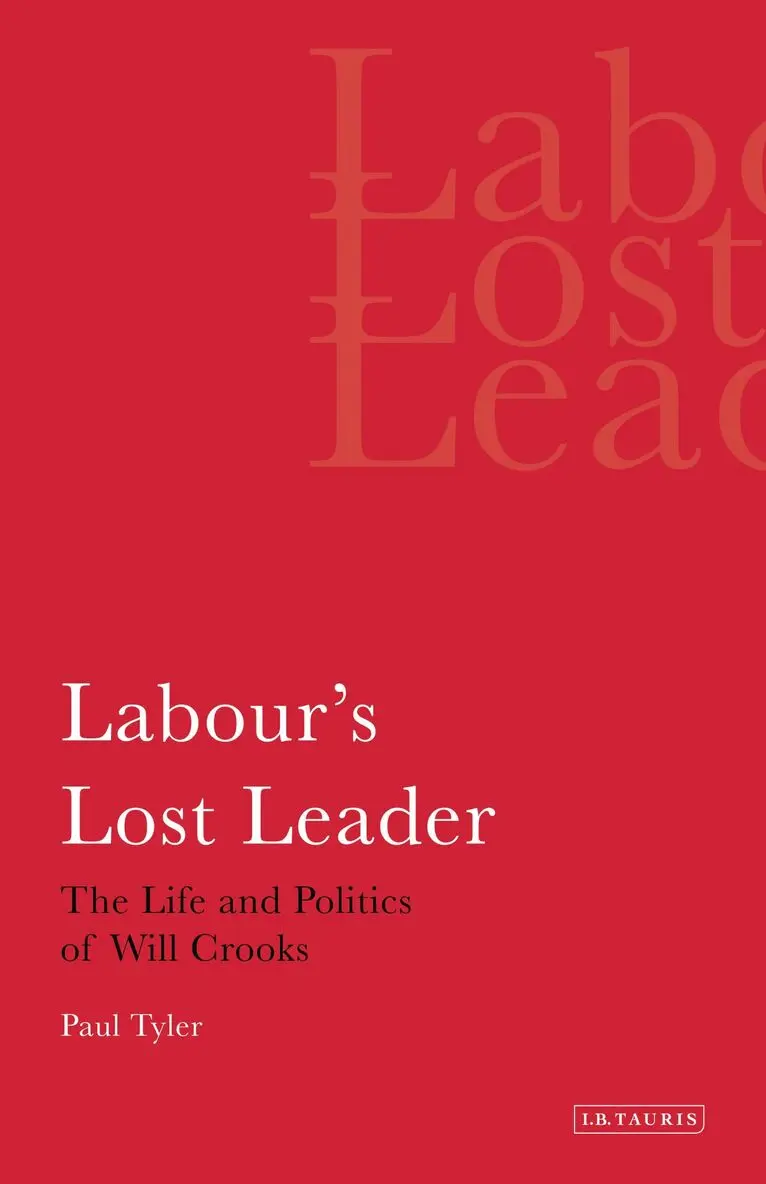
Labour's Lost Leader
The Life and Politics of Will Crooks
Av Paul Tyler
E-bok, 2007
530 kr
Lägg i varukorg
The life story of Will Crooks has a Dickensian resonance. As a working class child, born into abject poverty, he experienced the rigours of Poplar Workhouse and Poor Law school. Nearly forty years later Crooks became Chairman of the Poplar Board of Guardians, the very board that had given him …
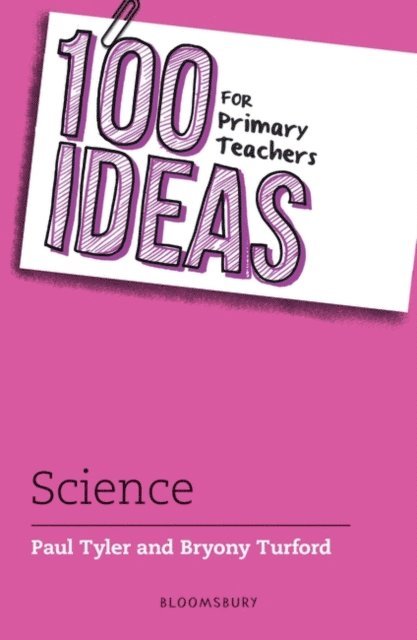
100 Ideas for Primary Teachers: Science
Häftad, 2020
174 kr
Lägg i varukorg
No matter what you teach, there is a 100 Ideas title for you!The 100 Ideas series offers teachers practical, easy-to-implement strategies and activities for the classroom. Each author is an expert in their field and is passionate about sharing best practice with their peers.Each title includes at …
100 Ideas for Primary Teachers: Science
E-bok, 2020
223 kr
Lägg i varukorg
No matter what you teach, there is a 100 Ideas title for you!The 100 Ideas series offers teachers practical, easy-to-implement strategies and activities for the classroom. Each author is an expert in their field and is passionate about sharing best practice with their peers.Each title includes at …
100 Ideas for Primary Teachers: Science
E-bok, 2020
228 kr
Lägg i varukorg
No matter what you teach, there is a 100 Ideas title for you!The 100 Ideas series offers teachers practical, easy-to-implement strategies and activities for the classroom. Each author is an expert in their field and is passionate about sharing best practice with their peers.Each title includes at …
Labour's Lost Leader
The Life and Politics of Will Crooks
Av Paul Tyler
Häftad, 2013
502 kr
Lägg i varukorg
The life story of Will Crooks has a Dickensian resonance. As a working-class child, born into abject poverty, he experienced the rigours of Popular Workhouse and Poor Law school. Nearly fourty years later Crooks became Chairman of the Popular Board of Guardians, the very board that had given him …
Can Parliament Take Back Control?
Britain's elective dictatorship in the Johnson aftermath
Av Paul Tyler, Hailsham Of St Marylebone
Häftad, 2023
152 kr
Tillfälligt slut