Paula Cristina Roque – författare
Visar alla böcker från författaren Paula Cristina Roque. Handla med fri frakt och snabb leverans.
6 produkter
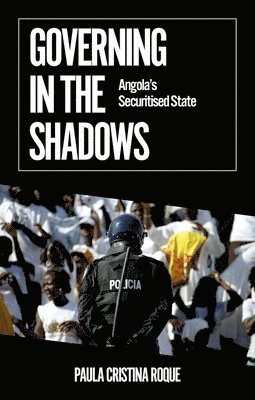
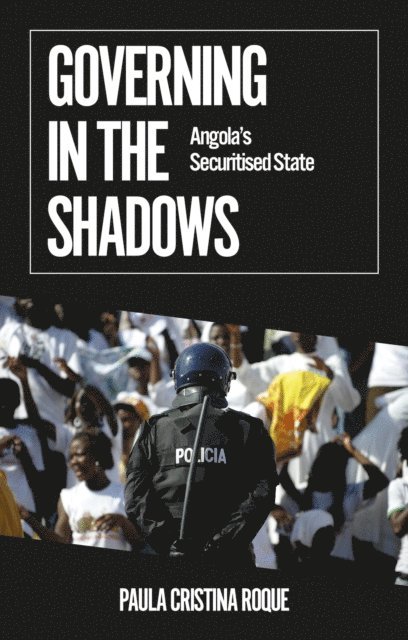
Governing in the Shadows
Angola's Securitised State
Häftad, 2021
290 kr
Lägg i varukorg
This book traces three decades of securitisation in Angola. As a governing strategy during war and peacetime, it muted the aspirations of those on opposing sides, distorted the state, emboldened elites and redefined the identity of Angolans. Through this lens, Paula Cristina Roque provides an …
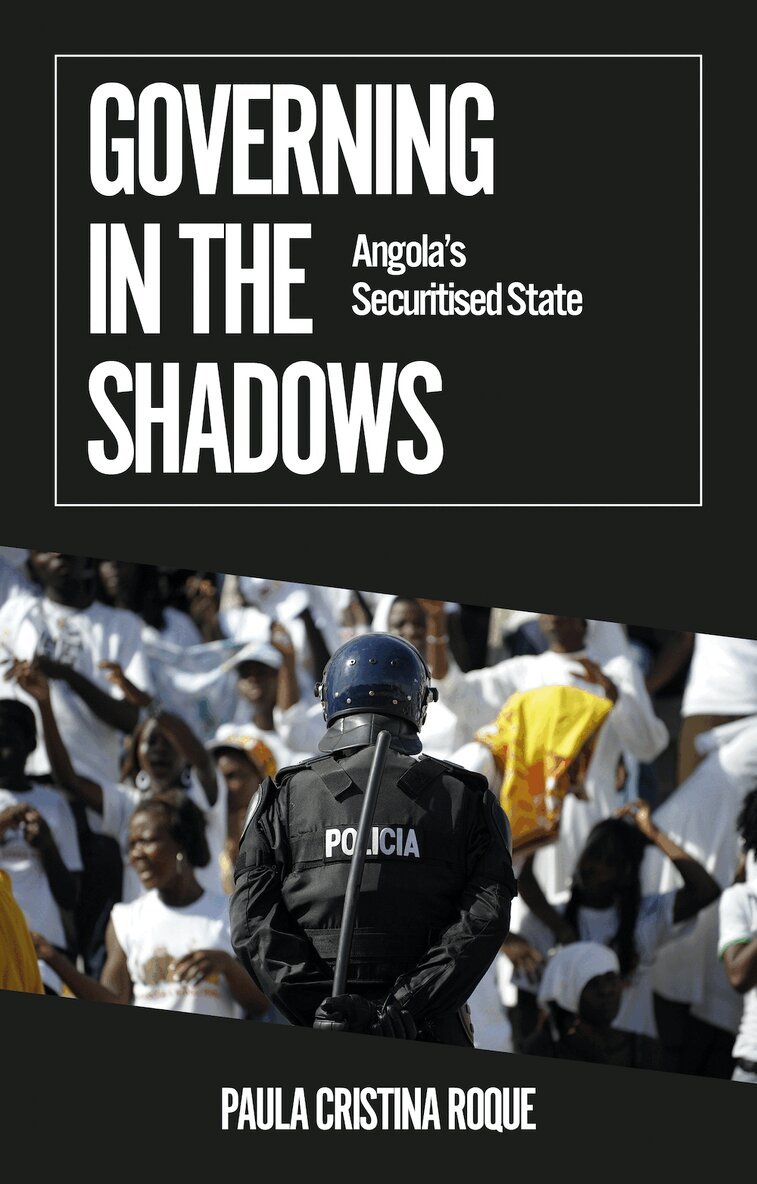
Governing in the Shadows
Angola''s Securitised State
E-bok, 2021
225 kr
Lägg i varukorg
This book traces three decades of securitisation in Angola. As a governing strategy during war and peacetime, it muted the aspirations of those on opposing sides, distorted the state, emboldened elites and redefined the identity of Angolans. Through this lens, Paula Cristina Roque provides an …
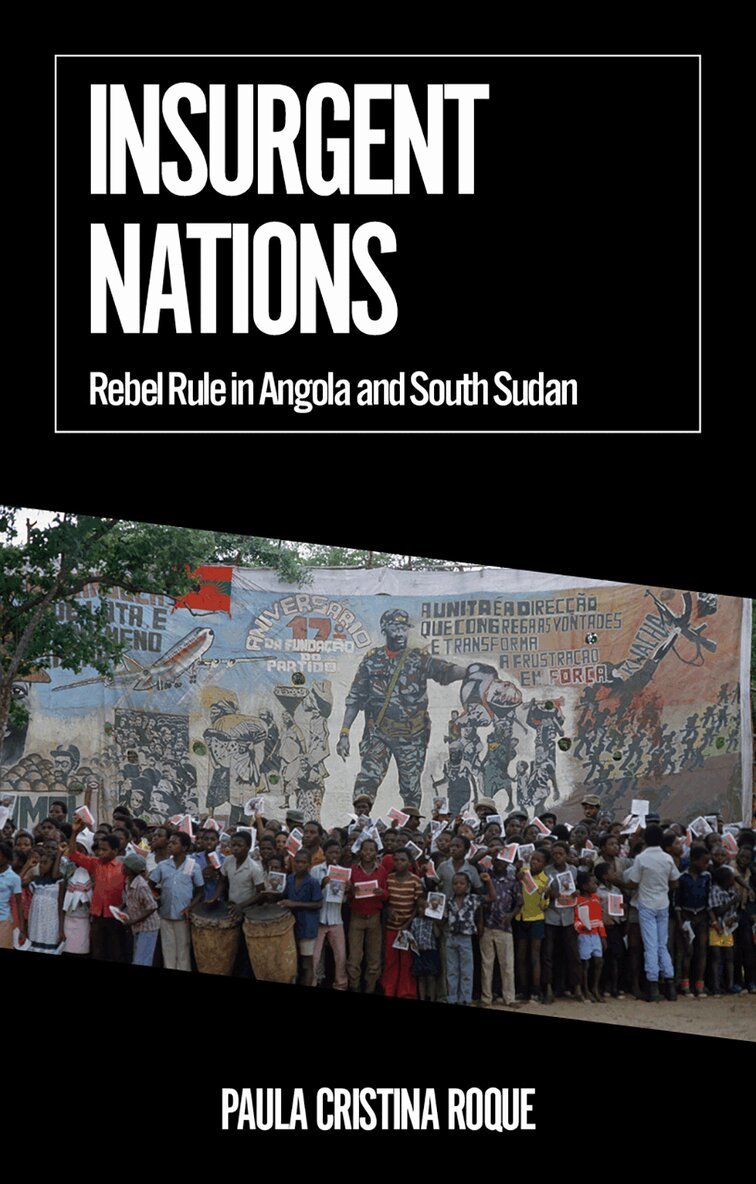
Insurgent Nations
Rebel Rule in Angola and South Sudan
Häftad, 2024
301 kr
Lägg i varukorg
A comparative study of rebel leaderships in Africa, providing a new understanding of state formation and government legitimacy in two diverse nations.Over two separate twelve-year periods, two opposing 'states' governed in parallel in Angola (1979-1991) and Sudan (1990-2002), each with competing …
Insurgent Nations
Rebel Rule in Angola and South Sudan
E-bok, 2024
297 kr
Lägg i varukorg
Over two separate twelve-year periods, two opposing ‘states’ governed in parallel in Angola (1979–1991) and Sudan (1990–2002), each with competing conceptions of society, history and national identity. Deeply dividing communities with their counter-nationalist programmes, rebel parties UNITA in …