Paula Sutter Fichtner – författare
Visar alla böcker från författaren Paula Sutter Fichtner. Handla med fri frakt och snabb leverans.
5 produkter
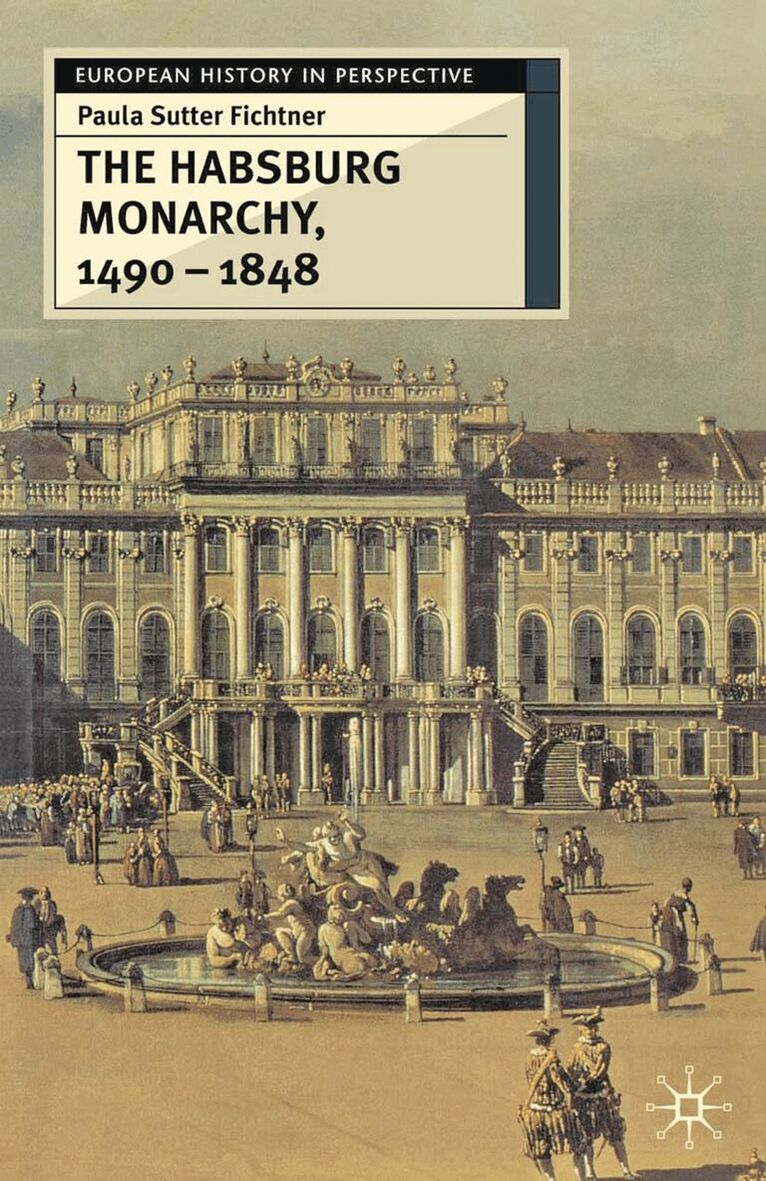
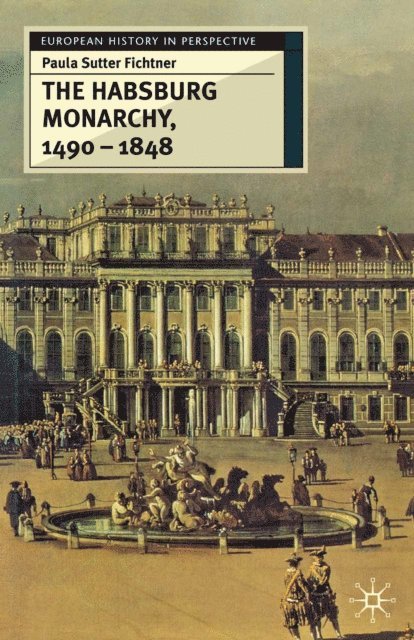
Habsburg Monarchy, 1490-1848
Attributes of Empire
Häftad, 2003
516 kr
Lägg i varukorg
The Habsburg monarchy was a singular experiment in diversity within the European continent. By the eighteenth century it stretched from the Austrian Netherlands to the Balkans and southern Poland, and south into Italy. Its subjects spoke a number of languages, and while the social and institutional …
Historical Dictionary of Austria
Inbunden, 2009
2457 kr
Lägg i varukorg
Austrians today often seem to believe that they have two histories. One is their republican present; the other, the centuries that their forebears spent as part of the multi-ethnic Habsburg Empire. Contemporary Austria is a fixture among Europe's democracies. Yet, it did not achieve this state …
Historical Dictionary of Austria
E-bok, 2009
2728 kr
Lägg i varukorg
Austrians today often seem to believe that they have two histories. One is their republican present; the other, the centuries that their forebears spent as part of the multi-ethnic Habsburg Empire. Contemporary Austria is a fixture among Europe''s democracies. Yet, it did not achieve this state …
A to Z of Austria
Häftad, 2010
735 kr
Lägg i varukorg
Austrians today often seem to believe that they have two histories. One is their republican present; the other, the centuries that their forebears spent as part of the multi-ethnic Habsburg Empire. Contemporary Austria is a fixture among Europe's democracies. Yet, it did not achieve this state …
Habsburg Monarchy, 1490-1848
Attributes of Empire
E-bok, 2017
562 kr
Lägg i varukorg
The Habsburg monarchy was a singular experiment in diversity within the European continent. By the eighteenth century it stretched from the Austrian Netherlands to the Balkans and southern Poland, and south into Italy. Its subjects spoke a number of languages, and while the social and institutional …