Paulo Drinot - Böcker
Visar alla böcker från författaren Paulo Drinot. Handla med fri frakt och snabb leverans.
13 produkter
13 produkter
316 kr
Skickas inom 7-10 vardagar
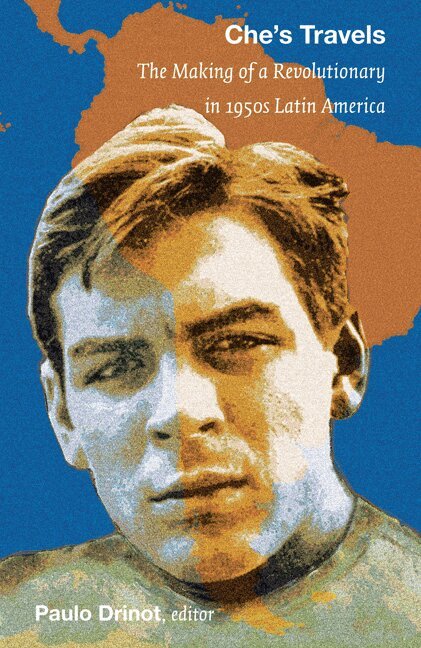
Ernesto “Che” Guevara twice traveled across Latin America in the early 1950s. Based on his accounts of those trips (published in English as The Motorcycle Diaries and Back on the Road), as well as other historical sources, Che’s Travels follows Guevara, country by country, from his native Argentina through Chile, Peru, Colombia, and Venezuela, and then from Argentina through Bolivia, Peru, Guatemala, and Mexico. Each essay is focused on a single country and written by an expert in its history. Taken together, the essays shed new light on Che’s formative years by analyzing the distinctive societies, histories, politics, and cultures he encountered on these two trips, the ways they affected him, and the ways he represented them in his travelogues. In addition to offering new insights into Guevara, the essays provide a fresh perspective on Latin America’s experience of the Cold War and the interplay of nationalism and anti-imperialism in the crucial but relatively understudied 1950s. Assessing Che’s legacies in the countries he visited during the two journeys, the contributors examine how he is remembered or memorialized; how he is invoked for political, cultural, and religious purposes; and how perceptions of him affect ideas about the revolutions and counterrevolutions fought in Latin America from the 1960s through the 1980s.ContributorsMalcolm DeasPaulo DrinotEduardo ElenaJudith EwellCindy ForsterPatience A. SchellEric ZolovAnn Zulawski
375 kr
Skickas inom 7-10 vardagar
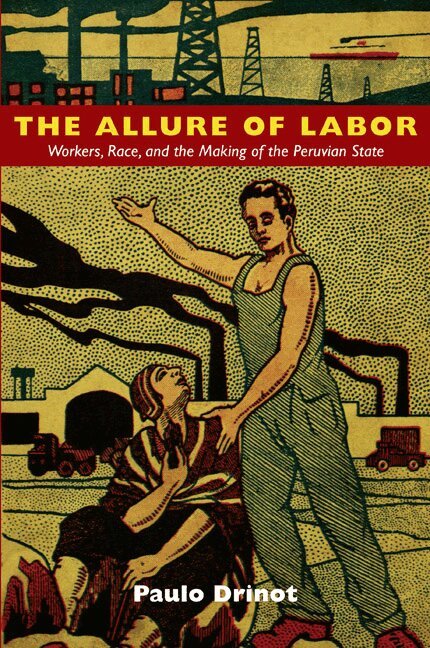
In The Allure of Labor, Paulo Drinot rethinks the social politics of early-twentieth-century Peru. Arguing that industrialization was as much a cultural project as an economic one, he describes how intellectuals and policymakers came to believe that industrialization and a modern workforce would transform Peru into a civilized nation. Preoccupied with industrial progress but wary of the disruptive power of organized labor, these elites led the Peruvian state into new areas of regulation and social intervention designed to protect and improve the modern, efficient worker, whom they understood to be white or mestizo. Their thinking was shaped by racialized assumptions about work and workers inherited from the colonial era and inflected through scientific racism and positivism.Although the vast majority of laboring peoples in Peru were indigenous, in the minds of social reformers indigeneity was not commensurable with labor: Indians could not be workers and were therefore excluded from the labor policies enacted in the 1920s and 1930s and, more generally, from elite conceptions of industrial progress. Drinot shows how the incommensurability of indigeneity with labor was expressed in the 1920 constitution, in specific labor policies, and in the activities of state agencies created to oversee collective bargaining and provide workers with affordable housing, inexpensive food, and social insurance. He argues that the racialized assumptions of the modernizing Peruvian state are reflected in the enduring inequalities of present-day Peru.
1 732 kr
Skickas inom 7-10 vardagar
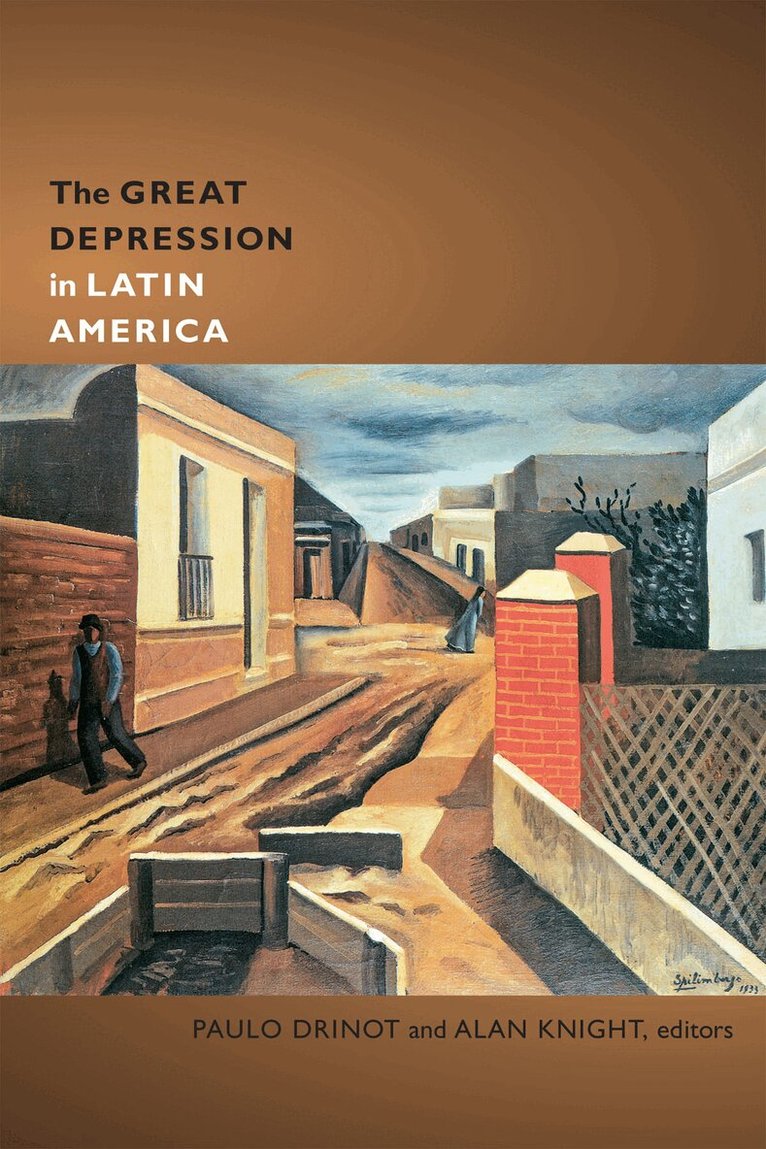
Although Latin America weathered the Great Depression better than the United States and Europe, the global economic collapse of the 1930s had a deep and lasting impact on the region. The contributors to this book examine the consequences of the Depression in terms of the role of the state, party-political competition, and the formation of working-class and other social and political movements. Going beyond economic history, they chart the repercussions and policy responses in different countries while noting common cross-regional trends--in particular, a mounting critique of economic orthodoxy and greater state intervention in the economic, social, and cultural spheres, both trends crucial to the region's subsequent development. The book also examines how regional transformations interacted with and differed from global processes. Taken together, these essays deepen our understanding of the Great Depression as a formative experience in Latin America and provide a timely comparative perspective on the recent global economic crisis.Contributors. Marcelo Bucheli, Carlos Contreras, Paulo Drinot, Jeffrey L. Gould, Roy Hora, Alan Knight, Gillian McGillivray, Luis Felipe SÁenz, Angela Vergara, Joel Wolfe, Doug Yarrington
422 kr
Skickas
Although Latin America weathered the Great Depression better than the United States and Europe, the global economic collapse of the 1930s had a deep and lasting impact on the region. The contributors to this book examine the consequences of the Depression in terms of the role of the state, party-political competition, and the formation of working-class and other social and political movements. Going beyond economic history, they chart the repercussions and policy responses in different countries while noting common cross-regional trends--in particular, a mounting critique of economic orthodoxy and greater state intervention in the economic, social, and cultural spheres, both trends crucial to the region's subsequent development. The book also examines how regional transformations interacted with and differed from global processes. Taken together, these essays deepen our understanding of the Great Depression as a formative experience in Latin America and provide a timely comparative perspective on the recent global economic crisis.Contributors. Marcelo Bucheli, Carlos Contreras, Paulo Drinot, Jeffrey L. Gould, Roy Hora, Alan Knight, Gillian McGillivray, Luis Felipe SÁenz, Angela Vergara, Joel Wolfe, Doug Yarrington
708 kr
Skickas inom 7-10 vardagar
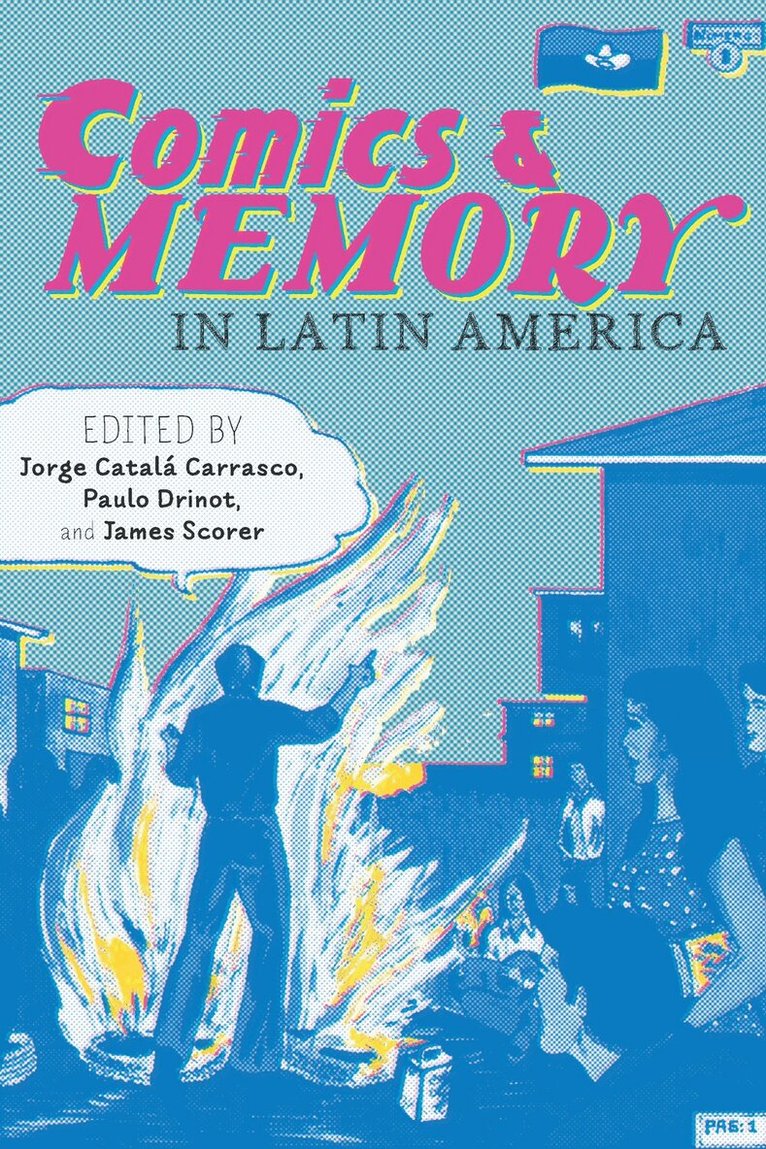
Latin American comics and graphic novels have a unique history of addressing controversial political, cultural, and social issues. This volume presents new perspectives on how comics on and from Latin America both view and express memory formation on major historical events and processes. The contributors, from a variety of disciplines including literary theory, cultural studies, and history, explore topics including national identity construction, narratives of resistance to colonialism and imperialism, the construction of revolutionary traditions, and the legacies of authoritarianism and political violence. The chapters offer a background history of comics and graphic novels in the region, and survey a range of countries and artists such as Joaquín Salvador Lavado (a.k.a Quino), Héctor G. Oesterheld, and Juan Acevedo. They also highlight the unique ability of this art and literary form to succinctly render memory. In sum, this volume offers in-depth analysis of an understudied, yet key literary genre in Latin American memory studies and documents the essential role of comics during the transition from dictatorship to democracy.
Del 119 - Cambridge Latin American Studies
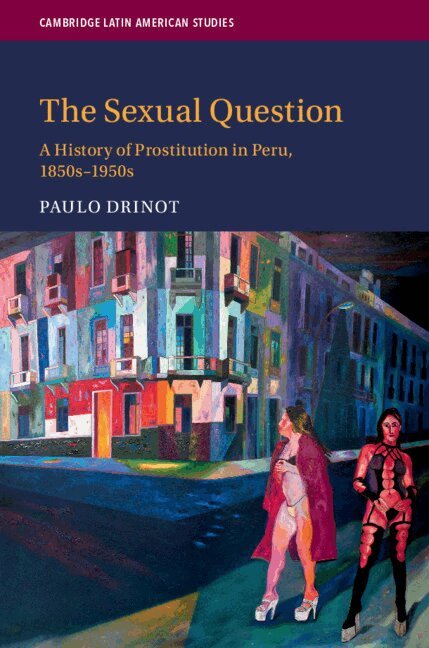
The Sexual Question
A History of Prostitution in Peru, 1850s-1950s
Inbunden, Engelska, 2020
1 255 kr
Skickas inom 7-10 vardagar
The creation of Lima's red light district in 1928 marked the culminating achievement of the promoters of regulation who sought to control the spread of venereal disease by medically policing female prostitutes. Its closure in 1956 was arguably the high point of abolitionism, a transnational movement originating in the 1860s that advocated that regulation was not only ineffective from a public health perspective, but also morally wrong. The Sexual Question charts this cyclic process of regulation and abolition in Peru, uncovering the ideas, policies, and actors shaping the debates on prostitution in Lima and beyond. The history of prostitution, Paulo Drinot shows, sheds light on the interplay of gender and sexuality, medicine and public health, and nation-building and state formation in Peru. With its compelling historical lens, this landmark study offers readers an engaging narrative, and new perspectives on Latin American studies, social policy, and Peruvian history.
Del 119 - Cambridge Latin American Studies
The Sexual Question
A History of Prostitution in Peru, 1850s-1950s
Häftad, Engelska, 2020
370 kr
Tillfälligt slut
The creation of Lima's red light district in 1928 marked the culminating achievement of the promoters of regulation who sought to control the spread of venereal disease by medically policing female prostitutes. Its closure in 1956 was arguably the high point of abolitionism, a transnational movement originating in the 1860s that advocated that regulation was not only ineffective from a public health perspective, but also morally wrong. The Sexual Question charts this cyclic process of regulation and abolition in Peru, uncovering the ideas, policies, and actors shaping the debates on prostitution in Lima and beyond. The history of prostitution, Paulo Drinot shows, sheds light on the interplay of gender and sexuality, medicine and public health, and nation-building and state formation in Peru. With its compelling historical lens, this landmark study offers readers an engaging narrative, and new perspectives on Latin American studies, social policy, and Peruvian history.
1 001 kr
Skickas inom 10-15 vardagar
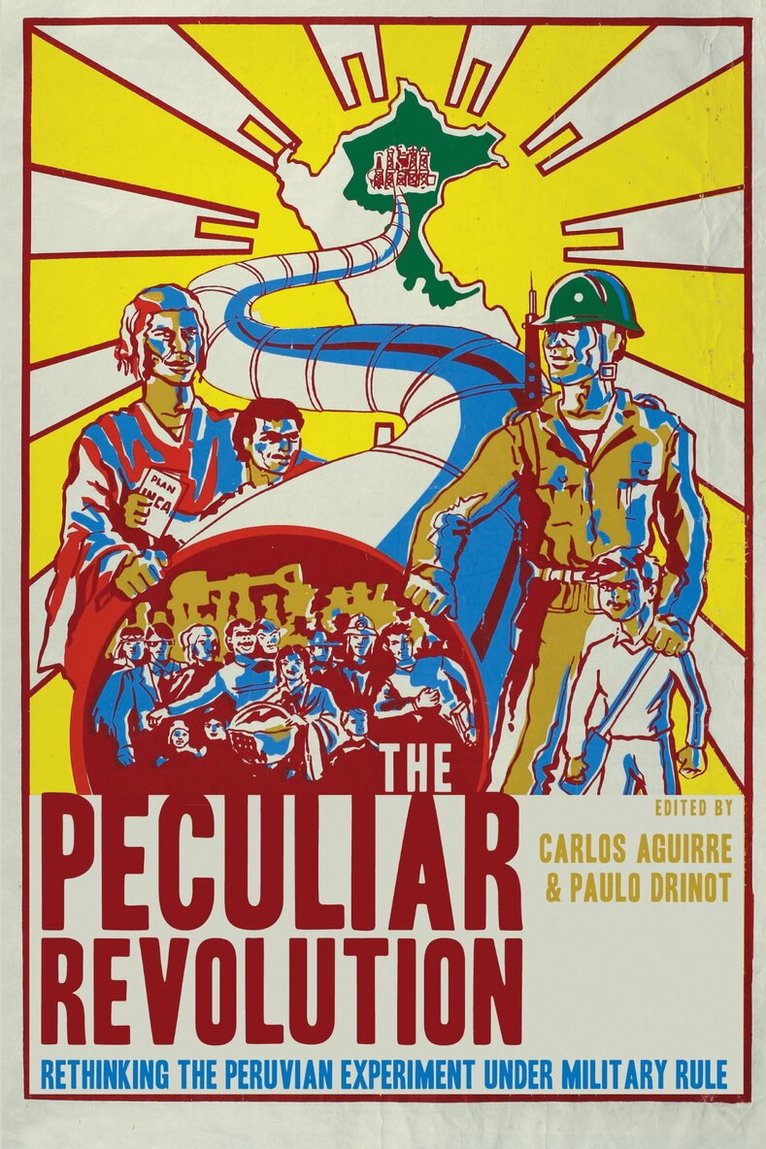
On October 3, 1968, a military junta led by General Juan Velasco Alvarado took over the government of Peru. In striking contrast to the right-wing, pro–United States/anti-Communist military dictatorships of that era, however, Velasco’s “Revolutionary Government of the Armed Forces” set in motion a left-leaning nationalist project aimed at radically transforming Peruvian society by eliminating social injustice, breaking the cycle of foreign domination, redistributing land and wealth, and placing the destiny of Peruvians into their own hands. Although short-lived, the Velasco regime did indeed have a transformative effect on Peru, the meaning and legacy of which are still subjects of intense debate.The Peculiar Revolution revisits this fascinating and idiosyncratic period of Latin American history. The book is organized into three sections that examine the era’s cultural politics, including not just developments directed by the Velasco regime but also those that it engendered but did not necessarily control; its specific policies and key institutions; and the local and regional dimensions of the social reforms it promoted. In a series of innovative chapters written by both prominent and rising historians, this volume illuminates the cultural dimensions of the revolutionary project and its legacies, the impact of structural reforms at the local level (including previously understudied areas of the country such as Piura, Chimbote, and the Amazonia), and the effects of state policies on ordinary citizens and labor and peasant organizations.
320 kr
Skickas inom 7-10 vardagar
On October 3, 1968, a military junta led by General Juan Velasco Alvarado took over the government of Peru. In striking contrast to the right-wing, pro–United States/anti-Communist military dictatorships of that era, however, Velasco’s “Revolutionary Government of the Armed Forces” set in motion a left-leaning nationalist project aimed at radically transforming Peruvian society by eliminating social injustice, breaking the cycle of foreign domination, redistributing land and wealth, and placing the destiny of Peruvians into their own hands. Although short-lived, the Velasco regime did indeed have a transformative effect on Peru, the meaning and legacy of which are still subjects of intense debate.The Peculiar Revolution revisits this fascinating and idiosyncratic period of Latin American history. The book is organized into three sections that examine the era’s cultural politics, including not just developments directed by the Velasco regime but also those that it engendered but did not necessarily control; its specific policies and key institutions; and the local and regional dimensions of the social reforms it promoted. In a series of innovative chapters written by both prominent and rising historians, this volume illuminates the cultural dimensions of the revolutionary project and its legacies, the impact of structural reforms at the local level (including previously understudied areas of the country such as Piura, Chimbote, and the Amazonia), and the effects of state policies on ordinary citizens and labor and peasant organizations.
1 313 kr
Skickas inom 7-10 vardagar
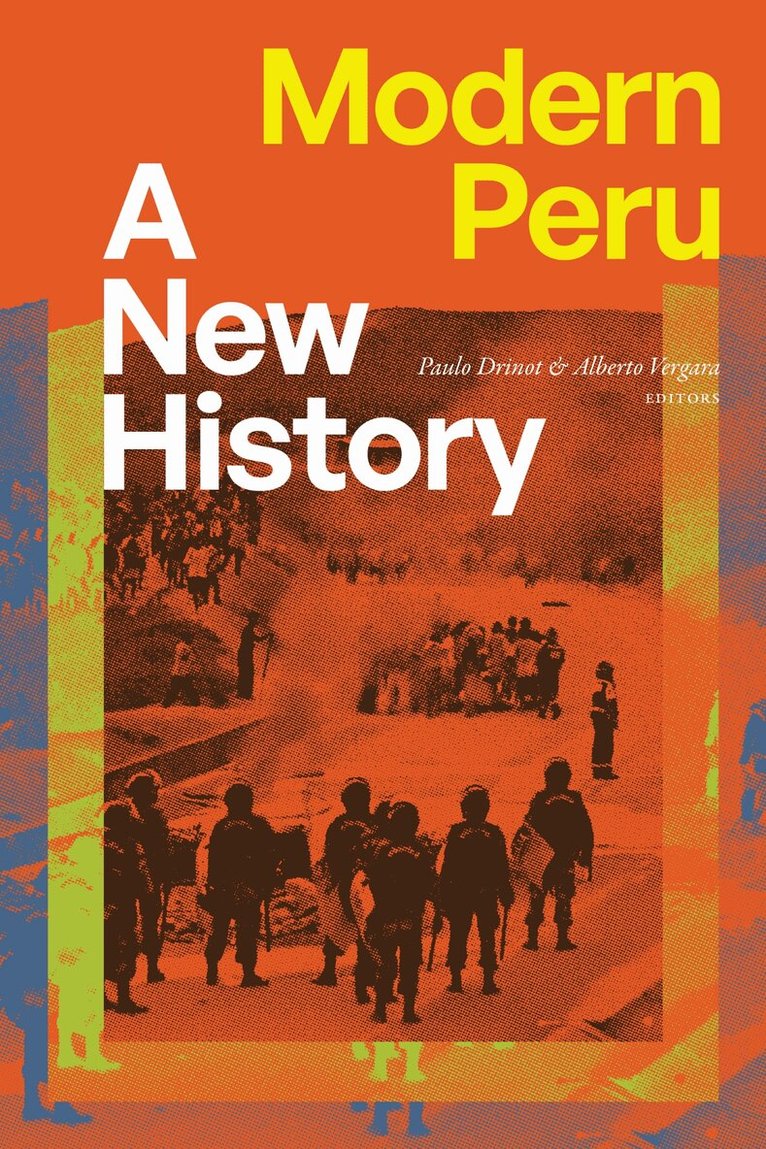
Modern Peru: A New History offers a sweeping account of Peru’s history from the wars of independence to the present day. Delving into a history characterized by instability and a series of interrupted national projects, the contributors examine the legacies of Tupac Amaru’s 1780s rebellion and the intense ideological debates between conservatives and liberals about the newly independent nation. They analyze the mid-nineteenth-century guano state, the catastrophic defeat in the War of the Pacific, and the establishment of an exclusionary oligarchic state - the ‘Aristocratic Republic’ - based on a diverse export economy. Outlining Peru’s twentieth-century transition from a rural, agrarian society to a primarily urban one, the contributors explore the 1968 coup and its unfulfilled promise of top-down social transformation, which was followed by years of democratic rule marked by internal armed conflict and economic mismanagement. This period culminated in the authoritarian neoliberal revolution of Alberto Fujimori, whose economic and political legacies have, in the new century, resulted in a booming economy, now in abeyance, and a deeply dysfunctional democracy. Accessible and wide-ranging, Modern Peru provides a singularly panoramic perspective on Peru’s history. Contributors. Eduardo Dargent, Paulo Drinot, Cynthia McClintock, JosÉ Luis RÉnique, Natalia Sobrevilla Perea, Alberto Vergara, Charles Walker
306 kr
Skickas inom 7-10 vardagar
Modern Peru: A New History offers a sweeping account of Peru’s history from the wars of independence to the present day. Delving into a history characterized by instability and a series of interrupted national projects, the contributors examine the legacies of Tupac Amaru’s 1780s rebellion and the intense ideological debates between conservatives and liberals about the newly independent nation. They analyze the mid-nineteenth-century guano state, the catastrophic defeat in the War of the Pacific, and the establishment of an exclusionary oligarchic state - the ‘Aristocratic Republic’ - based on a diverse export economy. Outlining Peru’s twentieth-century transition from a rural, agrarian society to a primarily urban one, the contributors explore the 1968 coup and its unfulfilled promise of top-down social transformation, which was followed by years of democratic rule marked by internal armed conflict and economic mismanagement. This period culminated in the authoritarian neoliberal revolution of Alberto Fujimori, whose economic and political legacies have, in the new century, resulted in a booming economy, now in abeyance, and a deeply dysfunctional democracy. Accessible and wide-ranging, Modern Peru provides a singularly panoramic perspective on Peru’s history.Contributors. Eduardo Dargent, Paulo Drinot, Cynthia McClintock, JosÉ Luis RÉnique, Natalia Sobrevilla Perea, Alberto Vergara, Charles Walker
325 kr
Skickas inom 10-15 vardagar
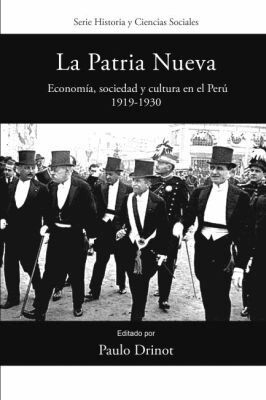
La ""Patria Nueva"" de Augusto B. Leguia (1919-1930) sigue siendo el gobierno de mayor duracion en la historia republicana peruana. Tambien conocido como el ""Oncenio"", el periodo constituye un momento clave en el siglo XX. Sin embargo, aunque historiadores y publico en general asi lo reconoce, es poco lo que sabemos sobre aquella coyuntura. Y, peor aun, lo poco que conocemos responde, en gran medida, a la ""leyenda negra"" que comenzo a formarse tras su derrumbe en 1930, sino antes. A traves de estudios especificos - mas que desde la gran interpretacion - y movilizando diversas metodologias y perspectivas teoricas, este libro propone una nueva manera de observar este periodo crucial de la vida republicana y abre nuevas pistas de investigacion sobre la ""Patria Nueva"".
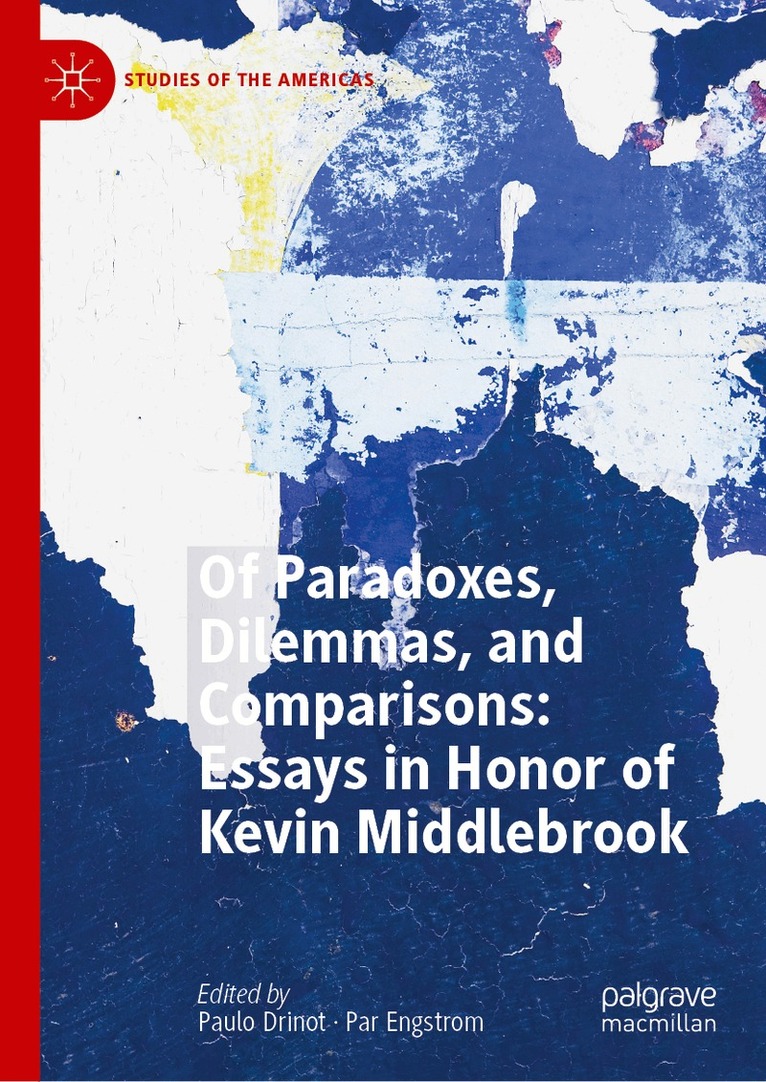
Of Paradoxes, Dilemmas, and Comparisons: Essays in Honor of Kevin Middlebrook
Inbunden, Engelska, 2026
1 584 kr
Skickas inom 10-15 vardagar
This volume honors the scholarly contributions of Kevin Middlebrook, presenting essays that explore Mexican labor history, comparative politics, and U.S.–Latin American relations, with a focus on NAFTA/USMCA.The first section engages with Middlebrook’s work on Mexican labor, featuring dialogues on historical and policy analyses and reflections on Mexico’s democratization. The second section examines his impact on comparative politics, including studies of Peru’s military regimes and democratic transitions in Latin America. The final section addresses U.S.–Latin American relations, highlighting labor provisions under NAFTA/USMCA and their effects on Mexico’s trade unions and economic development.By bringing together leading experts, the volume demonstrates the enduring relevance of Middlebrook’s scholarship for understanding labor, political dynamics, and international trade in Latin America, making it an essential resource for students, researchers, and policymakers interested in the region.