Paulo M. Kühl – författare
Visar alla böcker från författaren Paulo M. Kühl. Handla med fri frakt och snabb leverans.
5 produkter
5 produkter
Inbunden, Engelska, 2026
2 222 kr
Skickas inom 10-15 vardagar
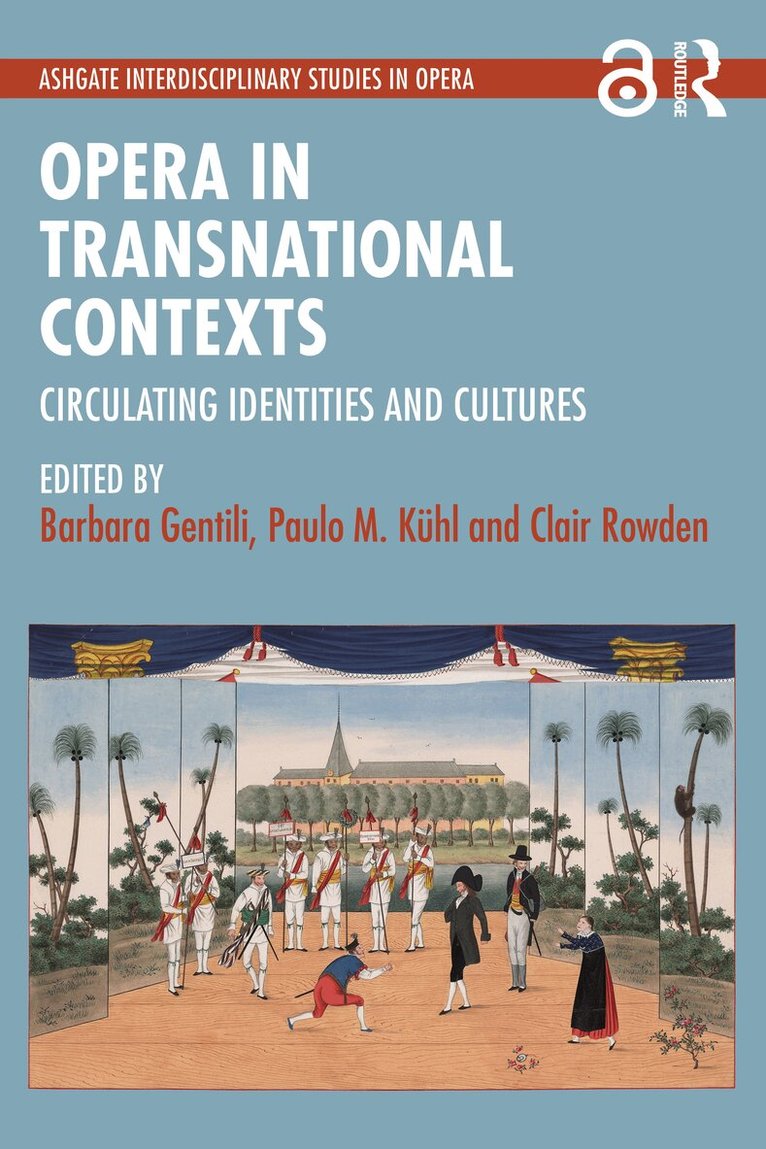
Opera in Transnational Contexts: Circulating Identities and Cultures sheds important light onto the travels of operatic works and the types of cultural exchanges that occurred as a result of the music, composers, singers, impresarios and others moving from one locale to another between the late eighteenth and twentieth centuries.Contributors reveal how complex constructions of identity and cultural value have been forged through the circulation, production, translation, adaptation and reception of different operatic and non-operatic genres. Engaging with decolonial agendas in North Africa, postcolonial and imperial history in Latin America, cultural dissonances and hegemonic aspirations in Japan, localities and peripheries from the old world to Australia, and the centrality of Europe in historiographies of opera, the chapters examine the dynamics and multifaceted effects of transnational mobility.The book will be important not only for opera studies, musicology, and music and voice studies, but also for researchers in history, art history, literary studies, translation and cultural studies.Chapter 14 of this book is freely available as a downloadable Open Access PDF at http://www.taylorfrancis.com under a Creative Commons Creative Commons Attribution-No Derivatives 4.0 International (CC BY-ND)
E-bok
PDF, Engelska, 2026769 kr
Läs direkt efter köp
Opera in Transnational Contexts: Circulating Identities and Cultures sheds important light onto the travels of operatic works and the types of cultural exchanges that occurred as a result of the music, composers, singers, impresarios and others moving from one locale to another between the late eighteenth and twentieth centuries.Contributors reveal how complex constructions of identity and cultural value have been forged through the circulation, production, translation, adaptation and reception of different operatic and non-operatic genres. Engaging with decolonial agendas in North Africa, postcolonial and imperial history in Latin America, cultural dissonances and hegemonic aspirations in Japan, localities and peripheries from the old world to Australia, and the centrality of Europe in historiographies of opera, the chapters examine the dynamics and multifaceted effects of transnational mobility.The book will be important not only for opera studies, musicology, and music and voice studies, but also for researchers in history, art history, literary studies, translation and cultural studies.Chapter 14 of this book is freely available as a downloadable Open Access PDF at http://www.taylorfrancis.com under a Creative Commons Creative Commons Attribution-No Derivatives 4.0 International (CC BY-ND)
E-bok
Engelska, 2026769 kr
Läs direkt efter köp
Opera in Transnational Contexts: Circulating Identities and Cultures sheds important light onto the travels of operatic works and the types of cultural exchanges that occurred as a result of the music, composers, singers, impresarios and others moving from one locale to another between the late eighteenth and twentieth centuries.Contributors reveal how complex constructions of identity and cultural value have been forged through the circulation, production, translation, adaptation and reception of different operatic and non-operatic genres. Engaging with decolonial agendas in North Africa, postcolonial and imperial history in Latin America, cultural dissonances and hegemonic aspirations in Japan, localities and peripheries from the old world to Australia, and the centrality of Europe in historiographies of opera, the chapters examine the dynamics and multifaceted effects of transnational mobility.The book will be important not only for opera studies, musicology, and music and voice studies, but also for researchers in history, art history, literary studies, translation and cultural studies.Chapter 14 of this book is freely available as a downloadable Open Access PDF at http://www.taylorfrancis.com under a Creative Commons Creative Commons Attribution-No Derivatives 4.0 International (CC BY-ND)
E-bok
Engelska, 2022393 kr
Läs direkt efter köp
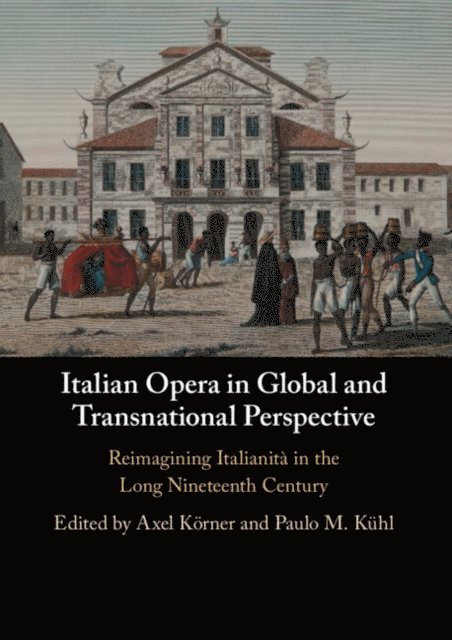
This volume of essays discusses the European and global expansion of Italian opera and the significance of this process for debates on opera at home in Italy. Covering different parts of Europe, the Americas, Southeast and East Asia, it investigates the impact of transnational musical exchanges on notions of national identity associated with the production and reception of Italian opera across the world. As a consequence of these exchanges between composers, impresarios, musicians and audiences, ideas of operatic Italianness (italianità) constantly changed and had to be reconfigured, reflecting the radically transformative experience of time and space that throughout the nineteenth century turned opera into a global aesthetic commodity. The book opens with a substantial introduction discussing key concepts in cross-disciplinary perspective and concludes with an epilogue relating its findings to different historiographical trends in transnational opera studies.
E-bok
PDF, Engelska, 2022397 kr
Läs direkt efter köp
This volume of essays discusses the European and global expansion of Italian opera and the significance of this process for debates on opera at home in Italy. Covering different parts of Europe, the Americas, Southeast and East Asia, it investigates the impact of transnational musical exchanges on notions of national identity associated with the production and reception of Italian opera across the world. As a consequence of these exchanges between composers, impresarios, musicians and audiences, ideas of operatic Italianness (italianità) constantly changed and had to be reconfigured, reflecting the radically transformative experience of time and space that throughout the nineteenth century turned opera into a global aesthetic commodity. The book opens with a substantial introduction discussing key concepts in cross-disciplinary perspective and concludes with an epilogue relating its findings to different historiographical trends in transnational opera studies.