2 547 kr
Skickas inom 10-15 vardagar
2 547 kr
Skickas inom 10-15 vardagar
1 982 kr
Läs direkt efter köp
African Slaves and Aristocratic Babies
900 kr
Skickas inom 3-6 vardagar
From the Court of Naser al-Din Shah to Popular Religious Paintings
1 609 kr
Skickas inom 5-8 vardagar
Naser al-Din Shah's Photography of his Harem
1 609 kr
Skickas inom 5-8 vardagar
864 kr
Läs direkt efter köp
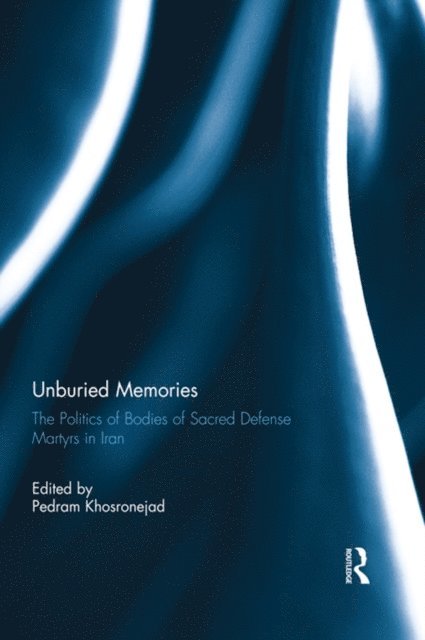
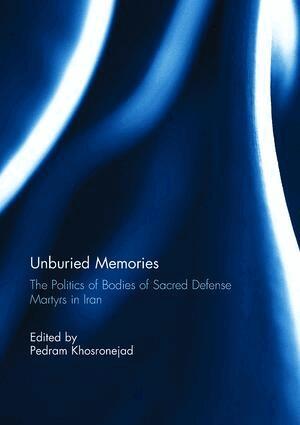
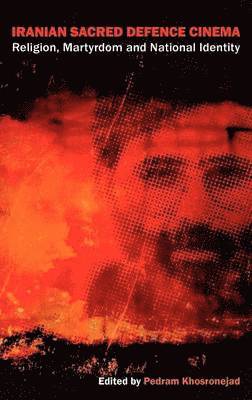
Today, almost a generation has passed since the Iran–Iraq war and the memory of it is set to diminish with each passing generation. The following questions emerge. Can we say that the gradual disappearance of war’s memory means that, increasingly, Iranians will see the Iran–Iraq war solely as an historical event? How can we defend or reject this idea? Today, with which elements and values should we look at the Iran–Iraq war memorials and ceremonies? To what extent will war museums and materials culture be influenced by these new values?
In the period during and immediately after the Iran–Iraq war (1980-88), national bereavement and commemoration of martyrs was neither apparent in common state policy nor a social need. Even at the turn of the 21st century, anyone walking through Iranian cities, many of which had been the main scene of the bloody massacre and direct targets of the Iraqi Republican Guard, will have found traces of the terrible, almost unimaginable, human losses.
However, today’s Iranians can see modern war memorials and monuments in many parts of the urban and rural landscape. Yet, at the same time, the changing landscape has separated Iranians from such remnants of the violence. It can be argued that many people, in their wish to look forward to a more hopeful future, do not wish to be reminded of this period in Iranian history.
This book was originally published as a special issue of Visual Anthropology.
855 kr
Läs direkt efter köp
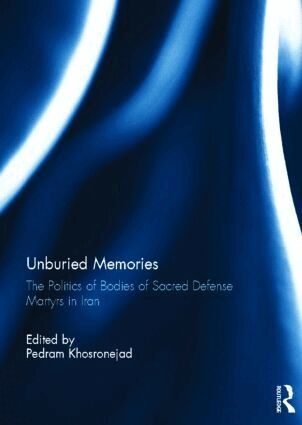
Today, almost a generation has passed since the Iran–Iraq war and the memory of it is set to diminish with each passing generation. The following questions emerge. Can we say that the gradual disappearance of war’s memory means that, increasingly, Iranians will see the Iran–Iraq war solely as an historical event? How can we defend or reject this idea? Today, with which elements and values should we look at the Iran–Iraq war memorials and ceremonies? To what extent will war museums and materials culture be influenced by these new values?
In the period during and immediately after the Iran–Iraq war (1980-88), national bereavement and commemoration of martyrs was neither apparent in common state policy nor a social need. Even at the turn of the 21st century, anyone walking through Iranian cities, many of which had been the main scene of the bloody massacre and direct targets of the Iraqi Republican Guard, will have found traces of the terrible, almost unimaginable, human losses.
However, today’s Iranians can see modern war memorials and monuments in many parts of the urban and rural landscape. Yet, at the same time, the changing landscape has separated Iranians from such remnants of the violence. It can be argued that many people, in their wish to look forward to a more hopeful future, do not wish to be reminded of this period in Iranian history.
This book was originally published as a special issue of Visual Anthropology.
738 kr
Skickas inom 10-15 vardagar
481 kr
Skickas inom 3-6 vardagar
708 kr
Skickas inom 3-6 vardagar
1 870 kr
Skickas inom 10-15 vardagar
892 kr
Skickas inom 5-8 vardagar
1 021 kr
Skickas inom 5-8 vardagar
Description Et Significations De Sculptures Zoomorphes Dans Une Societe Tribale Du Sud-oouest De L'Iran
2 150 kr
Skickas inom 5-8 vardagar