Pedro Reis – författare
Visar alla böcker från författaren Pedro Reis. Handla med fri frakt och snabb leverans.
3 produkter
3 produkter
Inbunden, Engelska, 2020
3 758 kr
Skickas inom 5-8 vardagar
Del 4 - Environmental Discourses in Science Education
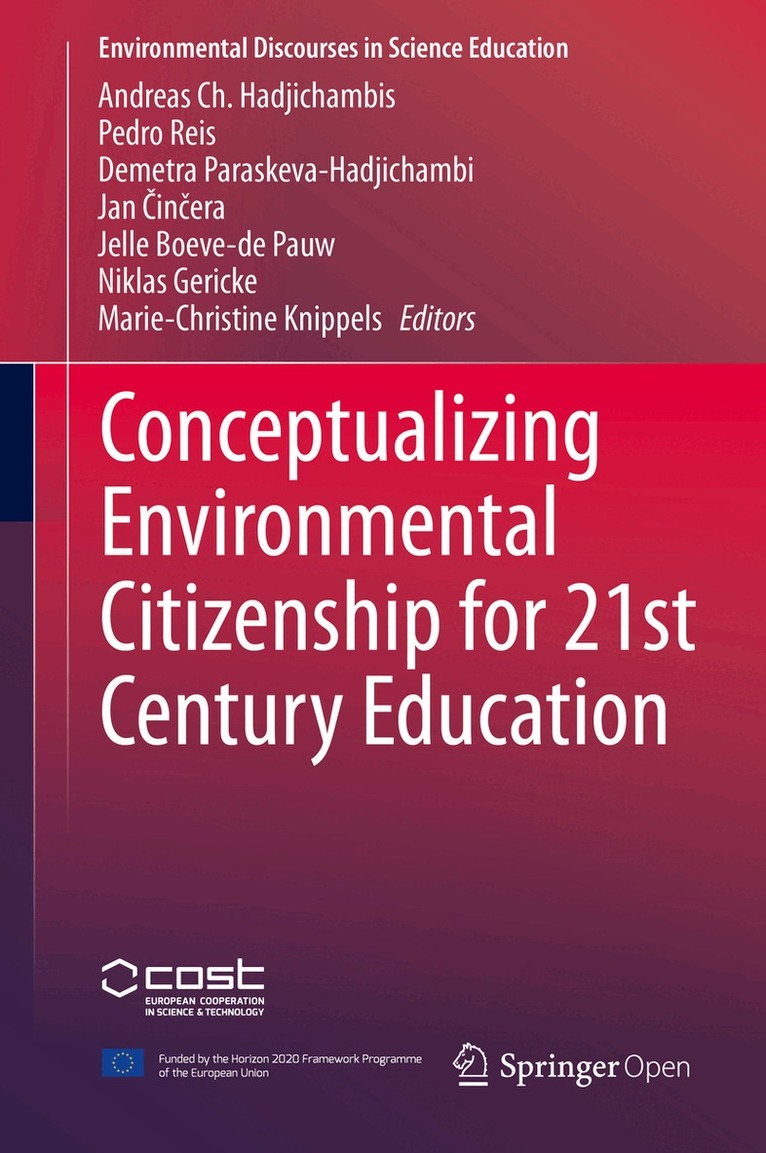
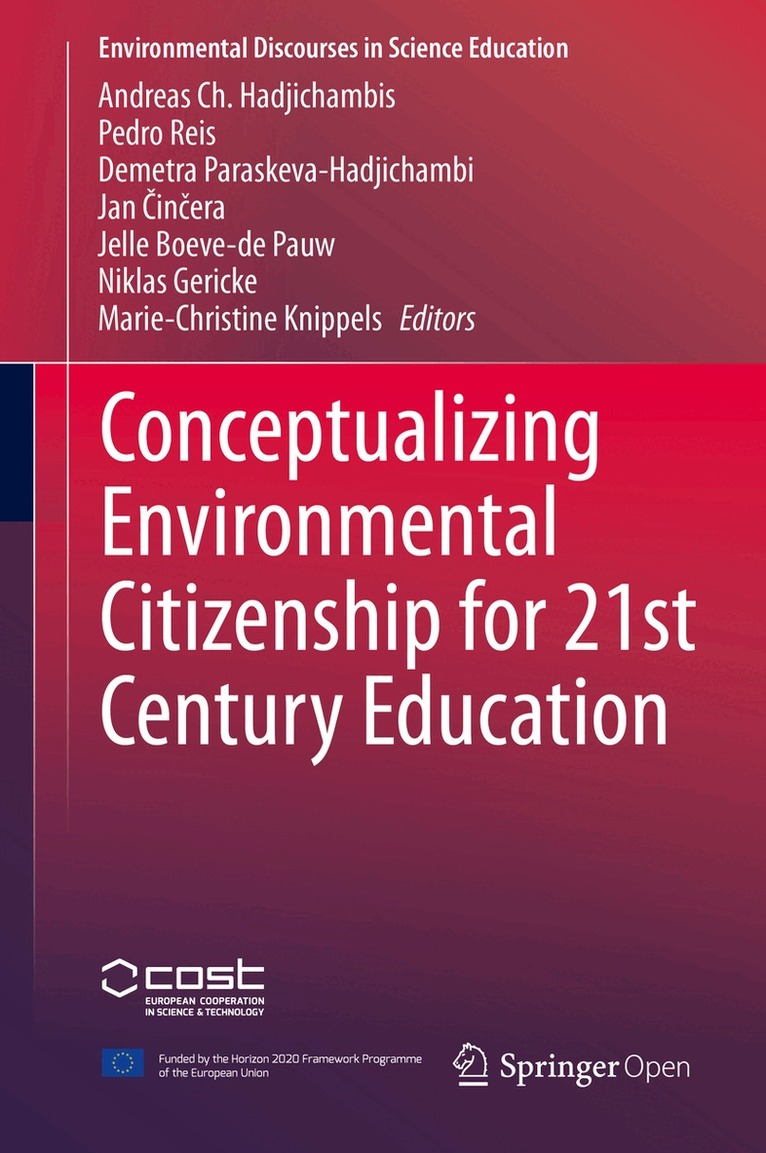
Conceptualizing Environmental Citizenship for 21st Century Education
Inbunden, Engelska, 2020
544 kr
Skickas inom 10-15 vardagar
This Open Access book is about the development of a common understanding of environmental citizenship. It conceptualizes and frames environmental citizenship taking an educational perspective. Organized in four complementary parts, the book first explains the political, economic and societal dimensions of the concept. Next, it examines environmental citizenship as a psychological concept with a specific focus on knowledge, values, beliefs and attitudes. It then explores environmental citizenship within the context of environmental education and education for sustainability. It elaborates responsible environmental behaviour, youth activism and education for sustainability through the lens of environmental citizenship. Finally, it discusses the concept within the context of different educational levels, such as primary and secondary education in formal and non-formal settings. Environmental citizenship is a key factor in sustainability, green and cycle economy, and low-carbon society, and an important aspect in addressing global environmental problems. It has been an influential concept in many different arenas such as economy, policy, philosophy, and organizational marketing. In the field of education, the concept could be better exploited and established, however. Education and, especially, environmental discourses in science education have a great deal to contribute to the adoption and promotion of environmental citizenship.
Häftad, Engelska, 2021
544 kr
Skickas inom 10-15 vardagar
This Open Access book is about the development of a common understanding of environmental citizenship. It conceptualizes and frames environmental citizenship taking an educational perspective. Organized in four complementary parts, the book first explains the political, economic and societal dimensions of the concept. Next, it examines environmental citizenship as a psychological concept with a specific focus on knowledge, values, beliefs and attitudes. It then explores environmental citizenship within the context of environmental education and education for sustainability. It elaborates responsible environmental behaviour, youth activism and education for sustainability through the lens of environmental citizenship. Finally, it discusses the concept within the context of different educational levels, such as primary and secondary education in formal and non-formal settings. Environmental citizenship is a key factor in sustainability, green and cycle economy, and low-carbon society, and an important aspect in addressing global environmental problems. It has been an influential concept in many different arenas such as economy, policy, philosophy, and organizational marketing. In the field of education, the concept could be better exploited and established, however. Education and, especially, environmental discourses in science education have a great deal to contribute to the adoption and promotion of environmental citizenship.