Peg Boyers – författare
Visar alla böcker från författaren Peg Boyers. Handla med fri frakt och snabb leverans.
7 produkter
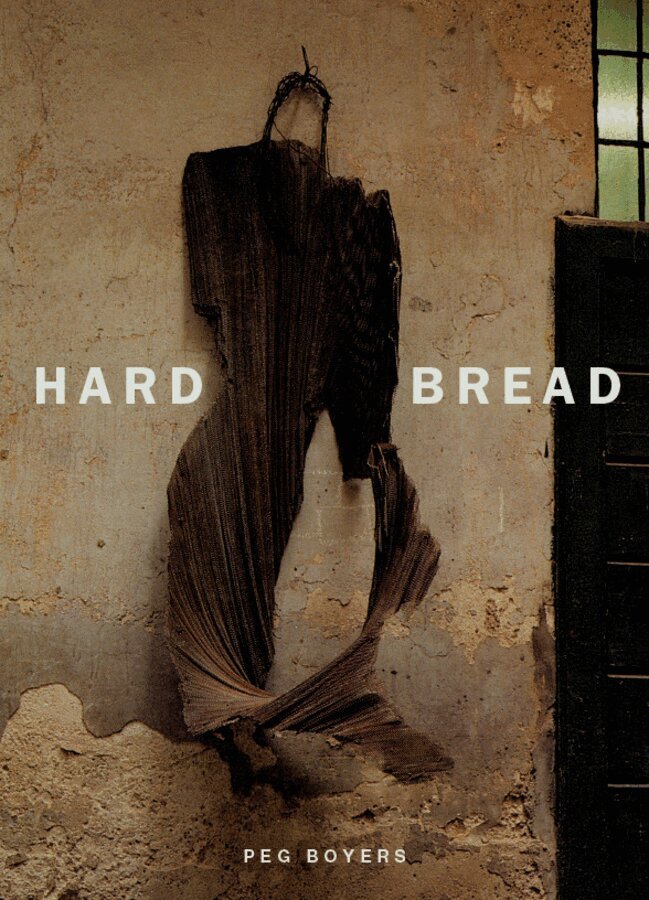
Hard Bread
Av Peg Boyers
Häftad, 2002
284 kr
Lägg i varukorg
The poems in Peg Boyers's Hard Bread are "spoken" in the imagined voice of the Italian writer, Natalia Ginzburg (1916-1991). While much of the book is based on Ginzburg's life - her upbringing in Turin; her brief marriage to the resistance activist, Leone Ginzburg; her experience of Fascism and …
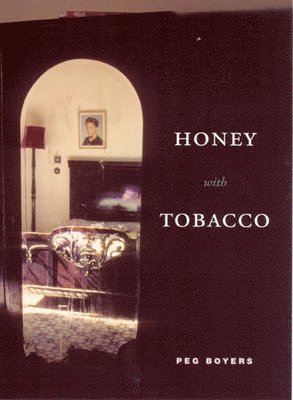
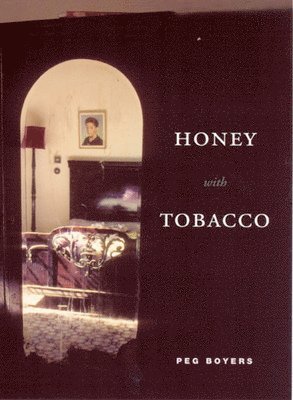
Honey with Tobacco
Av Peg Boyers
Häftad, 2007
427 kr
Lägg i varukorg
"Pieta" - This time the migraine came with a vision bathed in night sweat: I was sitting on the Eames chair, your man's body on my lap, legs and arms white as casein draped over mine, spilling onto the cassock, new sores on your legs, dried blood on your feet and hands, from your chalk mouth the …
To Forget Venice
Av Peg Boyers
Häftad, 2014
225 kr
Lägg i varukorg
Rialto Invisible in this cheap night scene of the familiar bridge the lives - the lies - we lived on both sides of the canal, invisible the water's stench at low tide, the rotting debris beneath the picture-perfect surface, invisible the adjacent market still smelling of fish and ammonia, its slime …
To Forget Venice
Av Peg Boyers
E-bok, 2014
428 kr
Lägg i varukorg
To Forget Venice is the improbable challenge and the title of Peg Boyers’s newest collection of poems. The site of several unforgettable years of her adolescence, the place she has returned to more frequently than any other, the city of Venice is both adored and reviled by the speakers in this …
Hard Bread
Av Peg Boyers
Inbunden, 2002
525 kr
Tillfälligt slut
The poems in Peg Boyers's Hard Bread are "spoken" in the imagined voice of the Italian writer, Natalia Ginzburg (1916-1991). While much of the book is based on Ginzburg's life - her upbringing in Turin; her brief marriage to the resistance activist, Leone Ginzburg; her experience of Fascism and …
Honey with Tobacco
Av Peg Boyers
Inbunden, 2007
490 kr
Tillfälligt slut
"Pieta" - This time the migraine came with a vision bathed in night sweat: I was sitting on the Eames chair, your man's body on my lap, legs and arms white as casein draped over mine, spilling onto the cassock, new sores on your legs, dried blood on your feet and hands, from your chalk mouth the …