Penny Starns - Böcker
Visar alla böcker från författaren Penny Starns. Handla med fri frakt och snabb leverans.
6 produkter
6 produkter
147 kr
Tillfälligt slut
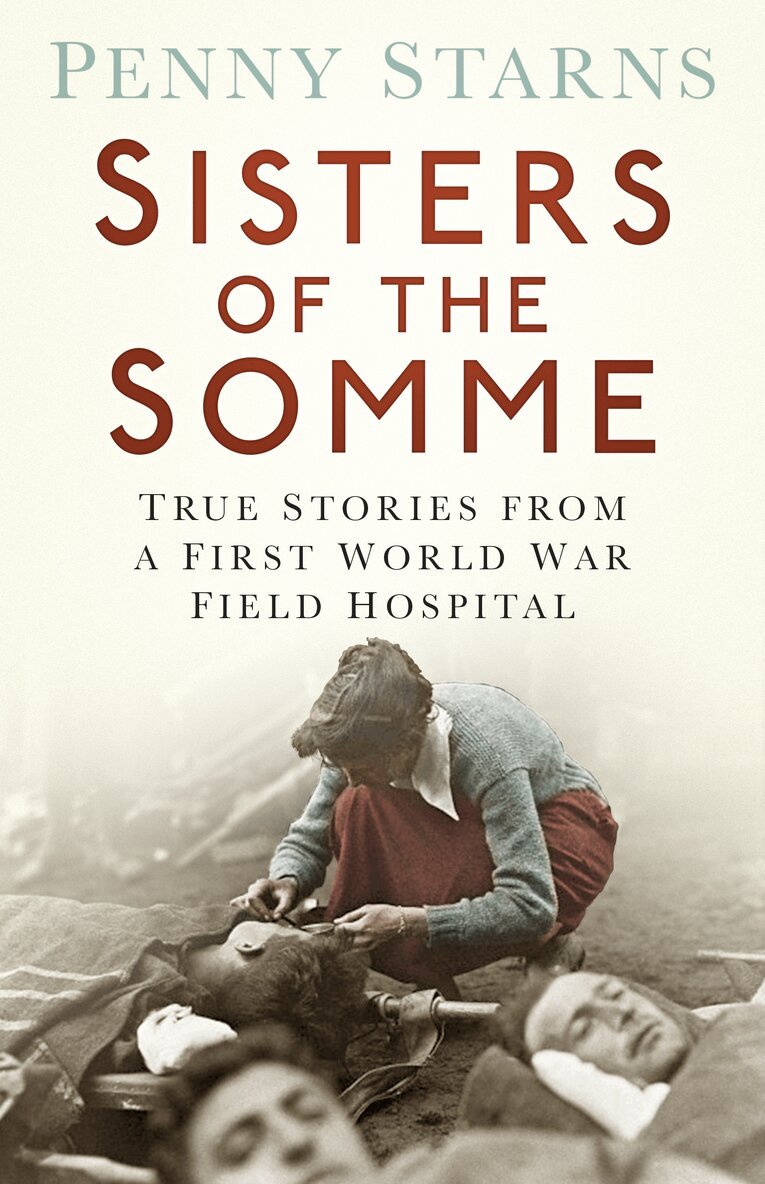
With First World War casualties mounting, there was an appeal for volunteers to train as front-line medical staff. Many women heeded the call: some responding to a vocational or religious calling, others following a sweetheart to the front, and some carried away on the jingoistic patriotism that gripped the nation in 1914. Despite their training, these young women were ill-prepared for the anguished cries of the wounded and the stench of gangrene and trench foot awaiting them at the Somme. Isolated from friends and family, most discovered an inner strength, forging new and close relationships with each other and establishing a camaraderie that was to last through the war and beyond. Based on the previously unpublished true stories of its nurses and medical staff, this book is a heart-warming account of the joys and sorrows of life in an extraordinary Somme field hospital.
177 kr
Tillfälligt slut
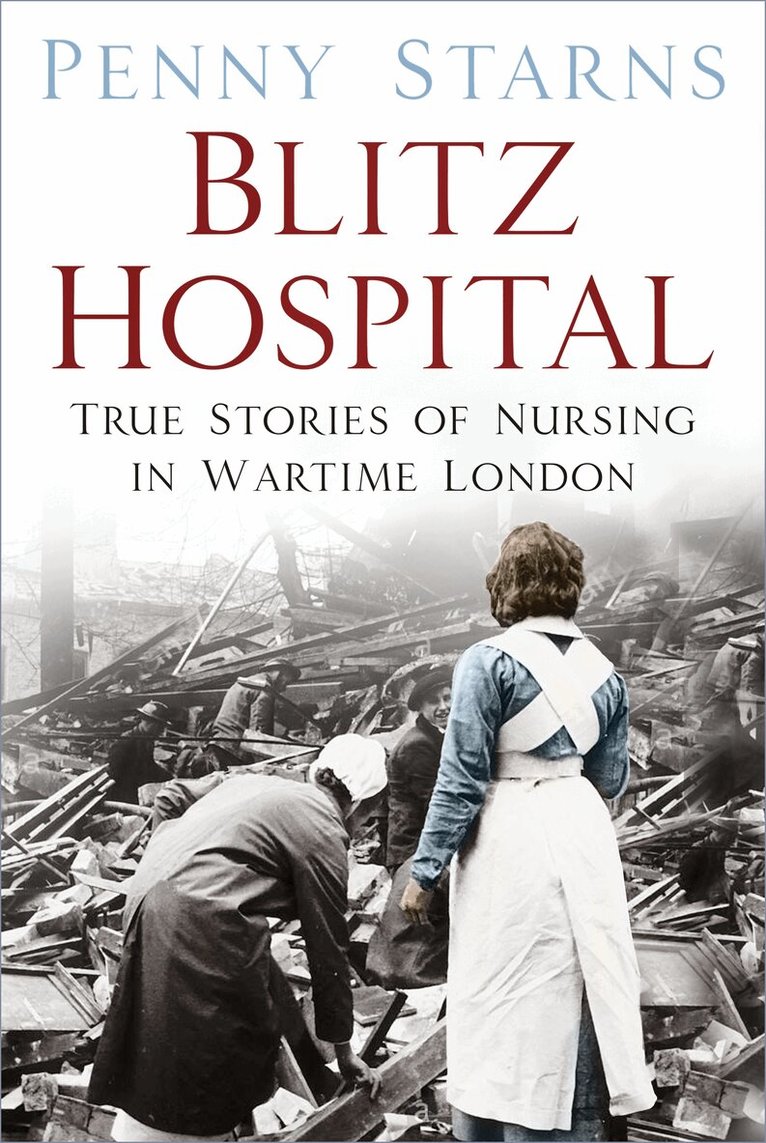
When the Blitz hit London, everything changed. Once, the Home Front was relatively safe – now it wasn’t. Suddenly, London was its own front line. Blitz Hospital follows the fortunes of two major London hospitals as they struggled to cope with mounting wartime casualties: St Thomas’ and The London. The diaries, letters and reports of medical and nursing staff highlight the many human stories of tremendous courage and hope that lived and breathed within the corridors of London’s hospitals during the Blitz.
157 kr
Skickas
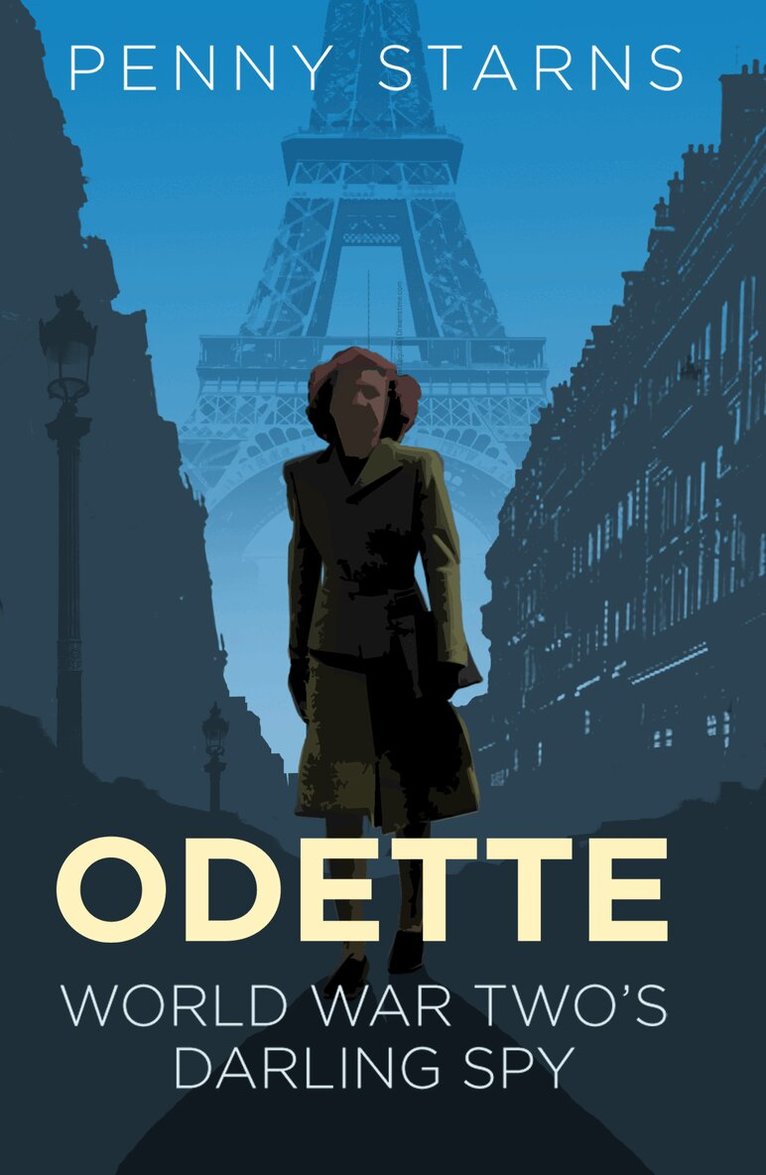
Odette Brailly entered the nation's consciousness in the 1950s when her remarkable - and romantic - exploits as an SOE agent first came to light. She had been the first woman to be awarded the GC, as well as the Legion d'Honneur, and in 1950 the release of a film about her life made her the darling of the British popular press. But others openly questioned Odette's personal and professional integrity, even claiming that she had a clandestine affair with her supervisor Capt. Peter Churchill, with whom she had worked undercover in France. Soon she became as controversial as she was celebrated.In the first full biography of this incredible woman for nearly sixty years, historian Penny Starn delves into recently opened SOE personnel files to reveal the true story of this wartime heroine and the officer who posed as her husband. From her life as a French housewife living in Britain and her work undercover with the French Resistance, to her arrest, torture and unlikely survival in Ravensbruck concentration camp, Starns reveals for the first time the truth of Odette's mission and the heart-breaking identity of her real betrayer.
157 kr
Skickas
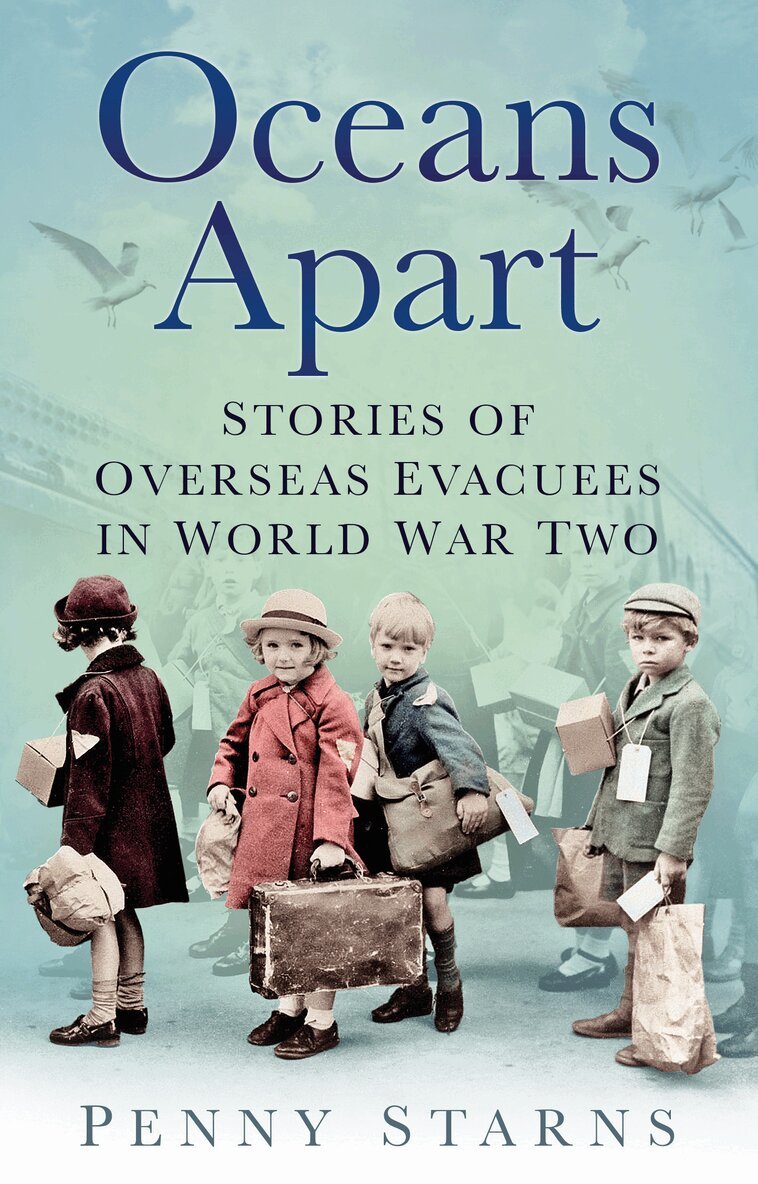
From May 1940, the Children’s Overseas Reception Board began to move children to Australia, South Africa, Canada and New Zealand for their own safety during the Second World War. The scheme was extremely popular, and over 200,000 applications were made within just four months, while thousands of children were also sent to be privately evacuated overseas. The ‘sea-vacs’, as they became known, had a variety of experiences.After weeks at sea, they began new lives thousands of miles away. Letters home took up to twelve weeks to reach their destination, and many children were totally cut off from their families in the UK. While most were well cared for, others found their time abroad a miserable, difficult or frightening experience as they encountered homesickness, prejudice and even abuse.Using a range of primary source material, including diaries, letters and interviews, Penny Starns reveals in heart-breaking detail the unique and personal experiences of sea-vacs, as well as their surprising influence on international wartime policy in their power to elicit international sympathy and financial support for the British war effort.
180 kr
Skickas
The dramatic tale of Margot Turner's survival as a prisoner of war during the Pacific conflict of the Second World War inspired the 1980s television series Tenko. The cargo ship on which she was evacuated from Singapore in 1942 was shelled, leaving her on a makeshift raft with sixteen other survivors. One by one they perished, leaving her along, burnt black by the sun, and suffering from heat exhaustion and dehydration. Discovered by a Japanese destroyer, she was imprisoned on Banka Island and nursed back to health by nuns. A nurse by profession, Margot was initially permitted to help run the operating theatre on her recovery, when, unexpectedly she was arrested by the dreaded Kempeitai and thrown into Palembang jail. There, crammed with murderers and rapists in a filthy cell, she spent six months living in daily fear of joining the many prisoners who were noisily tortured and executed, before being returned to the prisoner-of-war camps for the duration of the war.In this, the first biography for forty years, Penny Starns describes the often horrific but occasionally heart-warming experiences of this unbreakable woman who, not content with surviving the war, went on to become a brigadier and matron-in-chief of the British Army nursing services. Using recently released material from the National Archives and Turner's own words, Starns re-analyses the Pacific conflict against a backdrop of one person's incredible fortitude and strength, and brings the story of a remarkable woman to life.
175 kr
Skickas
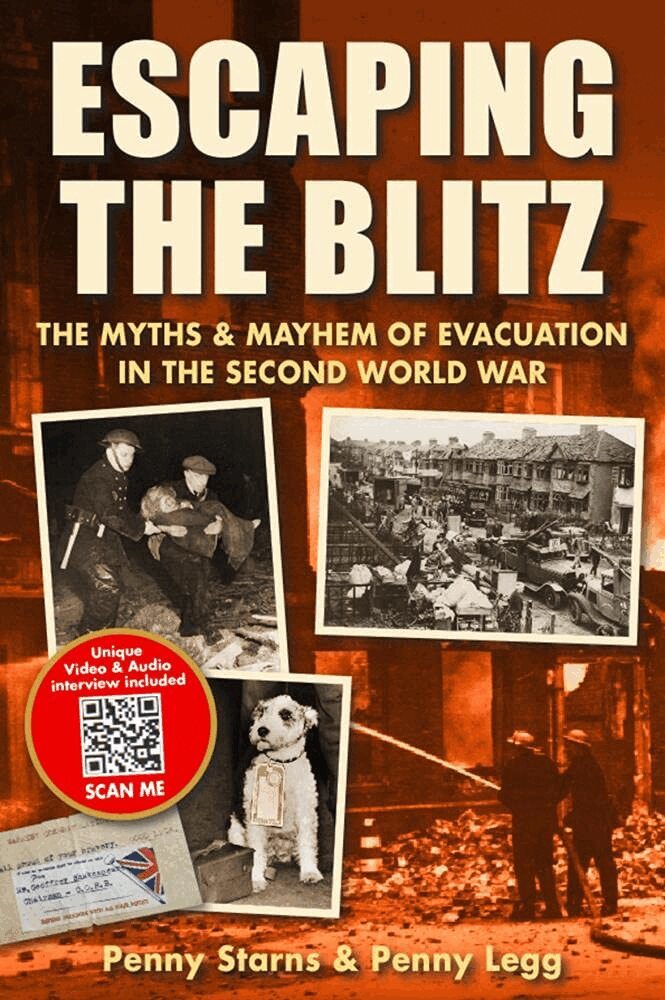
Escaping the Blitz is the story of the biggest social upheaval in British history. Portrayed by the government as a positive by-product of the Second World War, civilian evacuation represented the cornerstone of Britain's civil defence strategy. In a single stroke, children were uprooted from their close-knit families and replanted in unfamiliar and sometimes hostile surroundings. Over the course of three days beginning on 31st August 1939, three and a half million vulnerable adults and children were evacuated from cities to rural areas. This totally haphazard mingling of social classes had profound and long-lasting effects on British society. From a government standpoint evacuation was an exercise in military logistics, but for those who took part it was a life changing experience. Furthermore, there was no typical evacuee experience, only a shared sense of alienation in the face of extreme adversity. The general trend for domestic evacuation was for central government to offload responsibility for evacuees onto rural local authorities. When it became clear that the latter had neither the basic resources nor administrative machinery to cope with large influxes of evacuees, central government was forced back into the policy driving seat. Yet a completely different approach was adopted towards overseas evacuation. Known as Sea-Vacs, children sent abroad were expected to act as ambassadors for Britain, tug at the heart strings of host nations, and elicit international financial support for the war effort. Aside from this role Sea-Vacs were essential for the survival of the British race, and government ministers fully expected them to eventually fight from the colonies in the event of a German invasion of Britain. Public perceptions of children however, shifted throughout the war. In 1939 children were either viewed as innocents in need of protection, or as useless mouths who were draining the nation of vital food supplies. Yet by 1941 they had become active participants in the war effort, and children as young as five could be found working on the land. By 1943 the Ministry of Agriculture and Fisheries considered children to be a vital component in Britain's food production industry. They remained so long after the war had ended. Moreover, although some evacuees were lucky enough to have positive and uplifting encounters with their host families, others less fortunate suffered physical, emotional and sexual abuse. This book reveals the myths and mayhem which accompanied the three waves of wartime evacuation and document the experiences of evacuees in their own words. Throughout the book QR codes link readers (using a suitable phone or tablet) to unique video content of evacuees telling their story in their own words.