Per-Olof Widmark – författare
Visar alla böcker från författaren Per-Olof Widmark. Handla med fri frakt och snabb leverans.
4 produkter
Multiconfigurational Quantum Chemistry
Av Björn O. Roos, Roland Lindh m. fl.
Inbunden, 2016
1436 kr
Lägg i varukorg
The first book to aid in the understanding of multiconfigurational quantum chemistry, Multiconfigurational Quantum Chemistry demystifies a subject that has historically been considered difficult to learn. Accessible to any reader with a background in quantum mechanics and quantum chemistry, the …
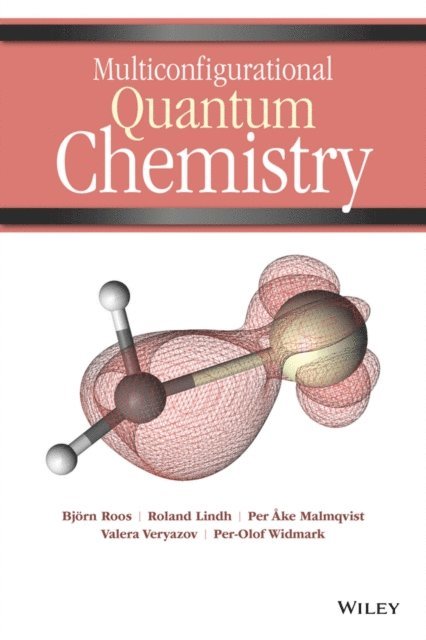
Multiconfigurational Quantum Chemistry
Av Per-Olof Widmark, Valera Veryazov m. fl.
E-bok, 2016
1626 kr
Lägg i varukorg
The first book to aid in the understanding of multiconfigurational quantum chemistry, Multiconfigurational Quantum Chemistry demystifies a subject that has historically been considered difficult to learn. Accessible to any reader with a background in quantum mechanics and quantum chemistry, the …
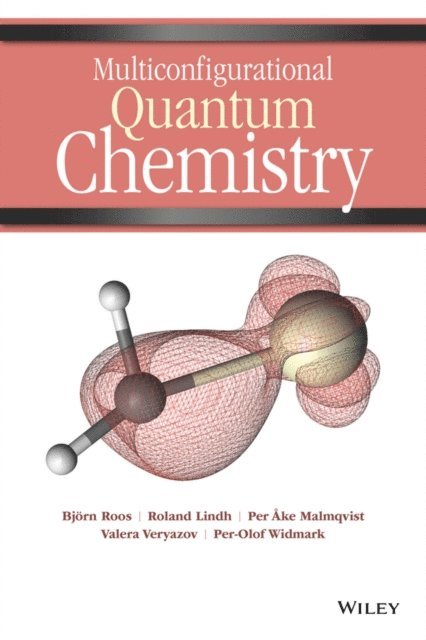
Multiconfigurational Quantum Chemistry
Av Per-Olof Widmark, Valera Veryazov m. fl.
E-bok, 2016
1626 kr
Lägg i varukorg
The first book to aid in the understanding of multiconfigurational quantum chemistry, Multiconfigurational Quantum Chemistry demystifies a subject that has historically been considered difficult to learn. Accessible to any reader with a background in quantum mechanics and quantum chemistry, the …
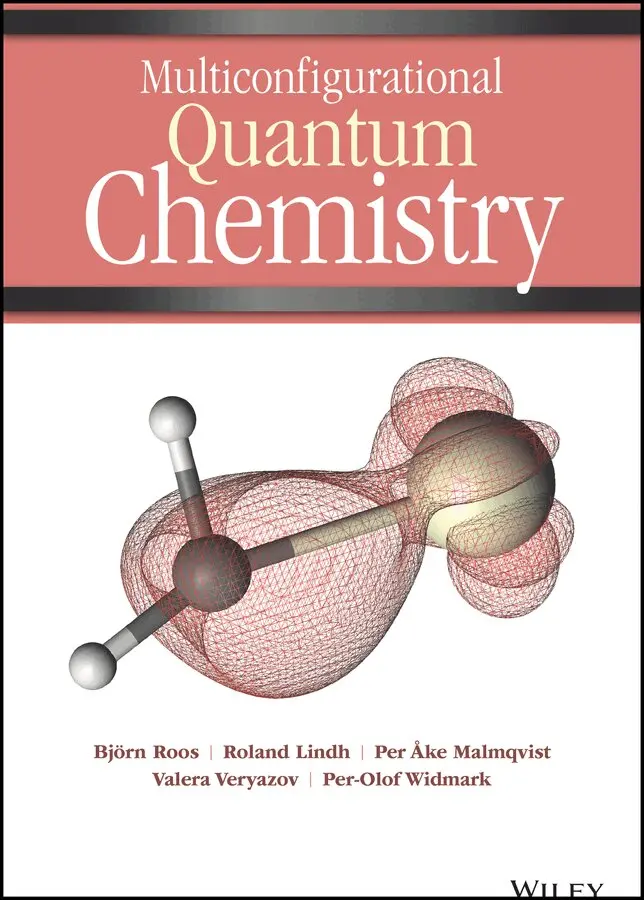
Multiconfigurational Quantum Chemistry
Av Björn O. Roos, Roland Lindh m. fl.
2016
1693 kr
Tillfälligt slut