Perry Meisel – författare
Visar alla böcker från författaren Perry Meisel. Handla med fri frakt och snabb leverans.
19 produkter
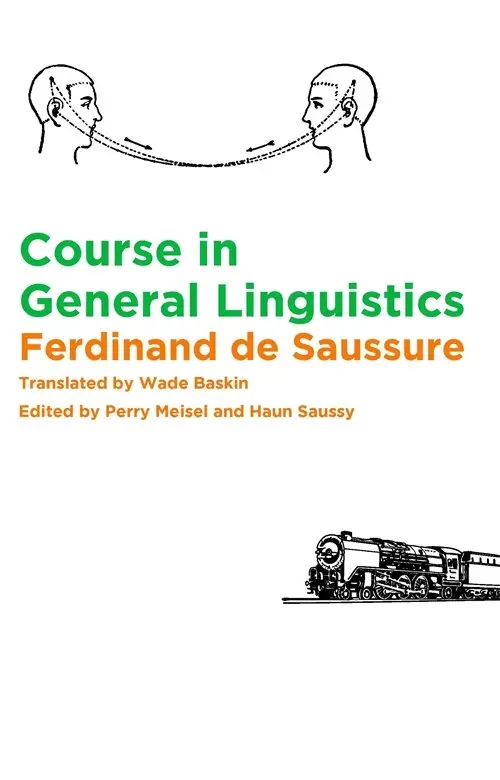
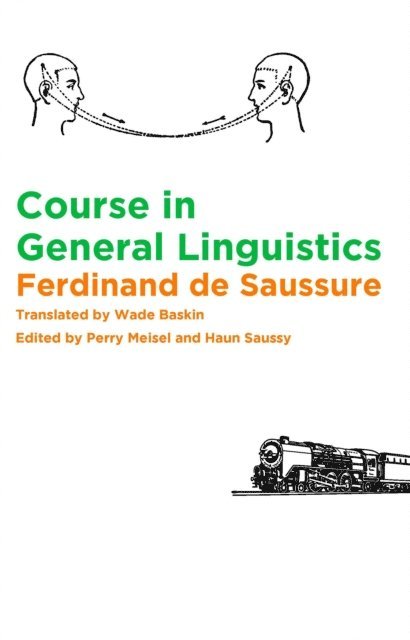
Course in General Linguistics
Av Ferdinand de Saussure, Perry Meisel m. fl.
Häftad, 2011
322 kr
Lägg i varukorg
The founder of modern linguistics, Ferdinand de Saussure inaugurated semiology, structuralism, and deconstruction and made possible the work of Jacques Derrida, Roland Barthes, Michel Foucault, and Jacques Lacan, thus enabling the development of French feminism, gender studies, New Historicism, and …
The Cowboy and the Dandy
Crossing Over from Romanticism to Rock and Roll
Av Perry Meisel
Inbunden, 1999
1872 kr
Lägg i varukorg
What is rock and roll and where does it come from? In this new study of music, literature, and culture, Perry Meisel shows how rock and roll joins both Romanticism and the blues tradition by testing the boundaries they share: boundaries between freedom and irony, between country and city, between …
Cowboy and the Dandy
Crossing Over from Romanticism to Rock and Roll
Av Perry Meisel
E-bok, 1998
1349 kr
Lägg i varukorg
What is rock and roll and where does it come from? In this adventurous new study of music, literature, and culture, Perry Meisel shows how rock and roll joins Romanticism and the blues tradition by focusing on the preoccupation with boundaries that are common to both--the boundaries between freedom …
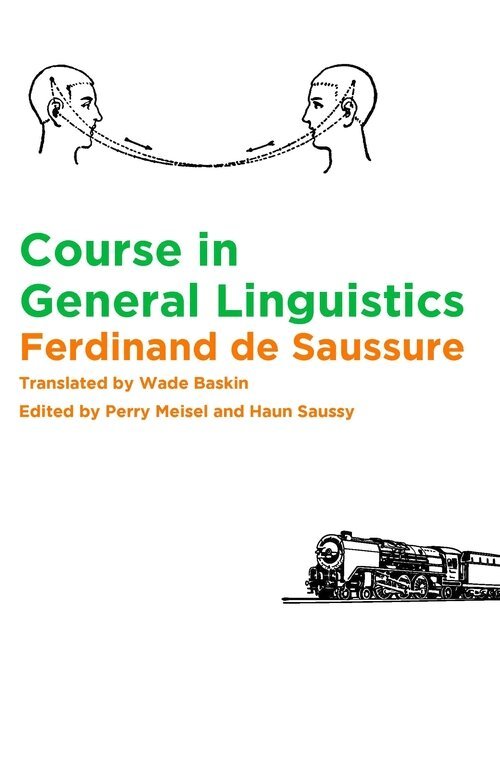
Course in General Linguistics
Av Ferdinand de Saussure, Perry Meisel m. fl.
Inbunden, 2011
5,0 utav 5 stjärnor. Totalt antal röster: (1)
1284 kr
Lägg i varukorg
The founder of modern linguistics, Ferdinand de Saussure inaugurated semiology, structuralism, and deconstruction and made possible the work of Jacques Derrida, Roland Barthes, Michel Foucault, and Jacques Lacan, thus enabling the development of French feminism, gender studies, New Historicism, and …
Course in General Linguistics
Av Ferdinand de Saussure, Haun Saussy m. fl.
E-bok, 2011
488 kr
Lägg i varukorg
The founder of modern linguistics, Ferdinand de Saussure inaugurated semiology, structuralism, and deconstruction and made possible the work of Jacques Derrida, Roland Barthes, Michel Foucault, and Jacques Lacan, thus enabling the development of French feminism, gender studies, New Historicism, and …
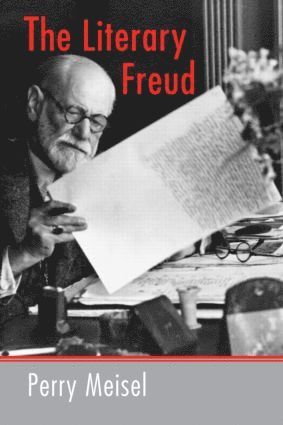
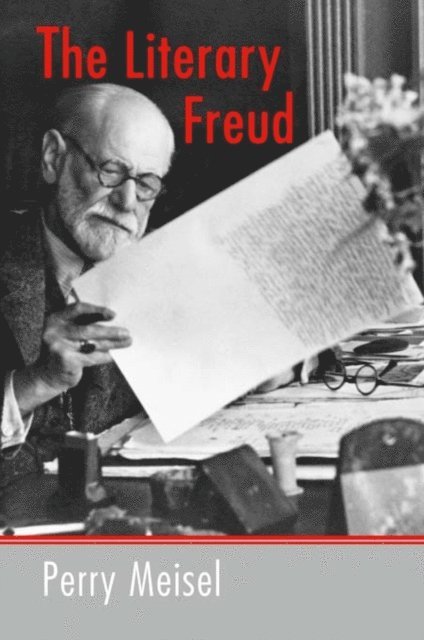
Literary Freud
Av Perry Meisel
Häftad, 2006
944 kr
Lägg i varukorg
In this book, Perry Meisel argues that Freud's texts are properly literary, and casts Freud as both literary theoretician and practitioner. Here, after an introductory reception history of Freud as literature, Meisel provides a series of close readings of Freud's major texts that take literary …
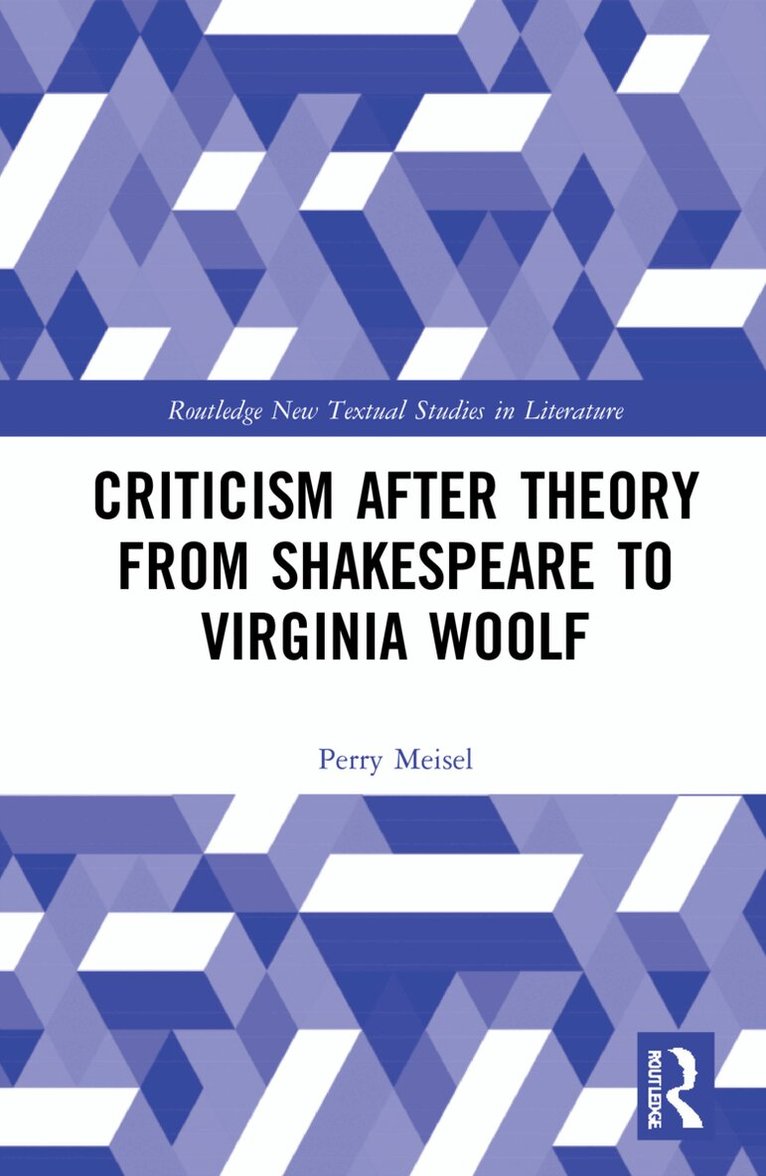
Criticism After Theory from Shakespeare to Virginia Woolf
Av Perry Meisel
E-bok, 2022
936 kr
Lägg i varukorg
The argument of this book is a simple one: that criticism after theory is a single movement of thought defined by synthesis and continuity rather than by conflict and change. The most influential figures in criticism since Saussure—Bakhtin, Derrida, and Foucault—are wholly consistent with …
Criticism After Theory from Shakespeare to Virginia Woolf
Av Perry Meisel
E-bok, 2022
916 kr
Lägg i varukorg
The argument of this book is a simple one: that criticism after theory is a single movement of thought defined by synthesis and continuity rather than by conflict and change. The most influential figures in criticism since Saussure—Bakhtin, Derrida, and Foucault—are wholly consistent with …
Criticism After Theory from Shakespeare to Virginia Woolf
Av Perry Meisel
Inbunden, 2022
2467 kr
Lägg i varukorg
The argument of this book is a simple one: that criticism after theory is a single movement of thought defined by synthesis and continuity rather than by conflict and change. The most influential figures in criticism since Saussure—Bakhtin, Derrida, and Foucault—are wholly consistent with …
Criticism After Theory from Shakespeare to Virginia Woolf
Av Perry Meisel
Häftad, 2024
800 kr
Lägg i varukorg
The argument of this book is a simple one: that criticism after theory is a single movement of thought defined by synthesis and continuity rather than by conflict and change. The most influential figures in criticism since Saussure—Bakhtin, Derrida, and Foucault—are wholly consistent with …
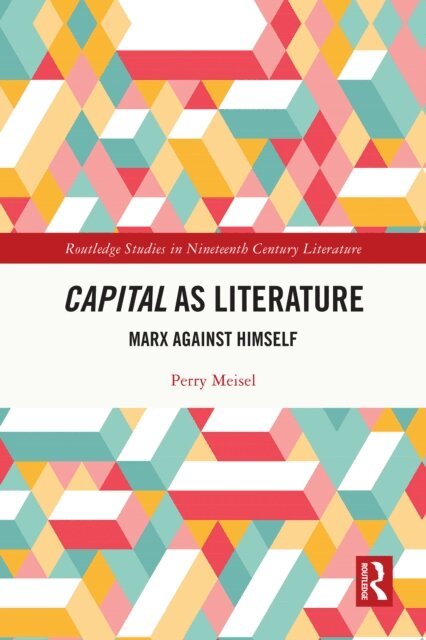
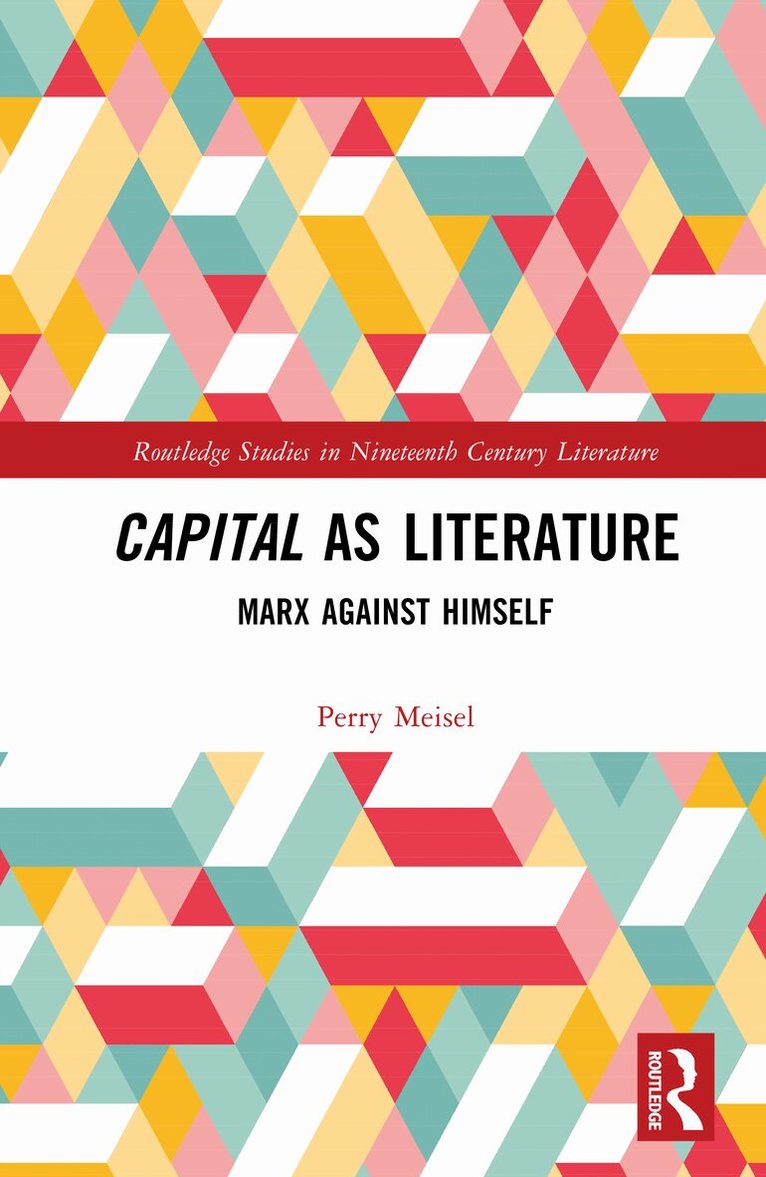
Capital as Literature
Marx Against Himself
Av Perry Meisel
E-bok, 2026
956 kr
Lägg i varukorg
Studies of Marx, particularly of his masterwork Capital (1867), are as a rule tutelary-they attempt to explain him. Even literary readers of Marx, from Raymond Williams to Fredric Jameson, seek to secure Marxist tenets by means of Marxian style. 'Capital' as Literature: Marx Against Himself departs …
Capital as Literature
Marx Against Himself
Av Perry Meisel
E-bok, 2026
935 kr
Lägg i varukorg
Studies of Marx, particularly of his masterwork Capital (1867), are as a rule tutelary-they attempt to explain him. Even literary readers of Marx, from Raymond Williams to Fredric Jameson, seek to secure Marxist tenets by means of Marxian style. 'Capital' as Literature: Marx Against Himself departs …
Capital as Literature
Marx Against Himself
Av Perry Meisel
Inbunden, 2026
2905 kr
Lägg i varukorg
Studies of Marx, particularly of his masterwork Capital (1867), are as a rule tutelary—they attempt to explain him. Even literary readers of Marx, from Raymond Williams to Fredric Jameson, seek to secure Marxist tenets by means of Marxian style. ‘Capital’ as Literature: Marx Against Himself departs …
Literary Freud
Av Perry Meisel
E-bok, 2013
857 kr
Lägg i varukorg
In this book, Perry Meisel argues that Freud''s texts are properly literary, and casts Freud as both literary theoretician and practitioner. Here, after an introductory reception history of Freud as literature, Meisel provides a series of close readings of Freud''s major texts that take literary …
Literary Freud
Av Perry Meisel
E-bok, 2013
857 kr
Lägg i varukorg
In this book, Perry Meisel argues that Freud''s texts are properly literary, and casts Freud as both literary theoretician and practitioner. Here, after an introductory reception history of Freud as literature, Meisel provides a series of close readings of Freud''s major texts that take literary …
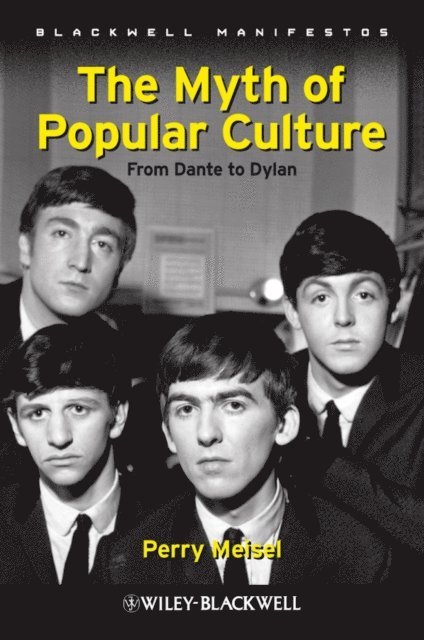
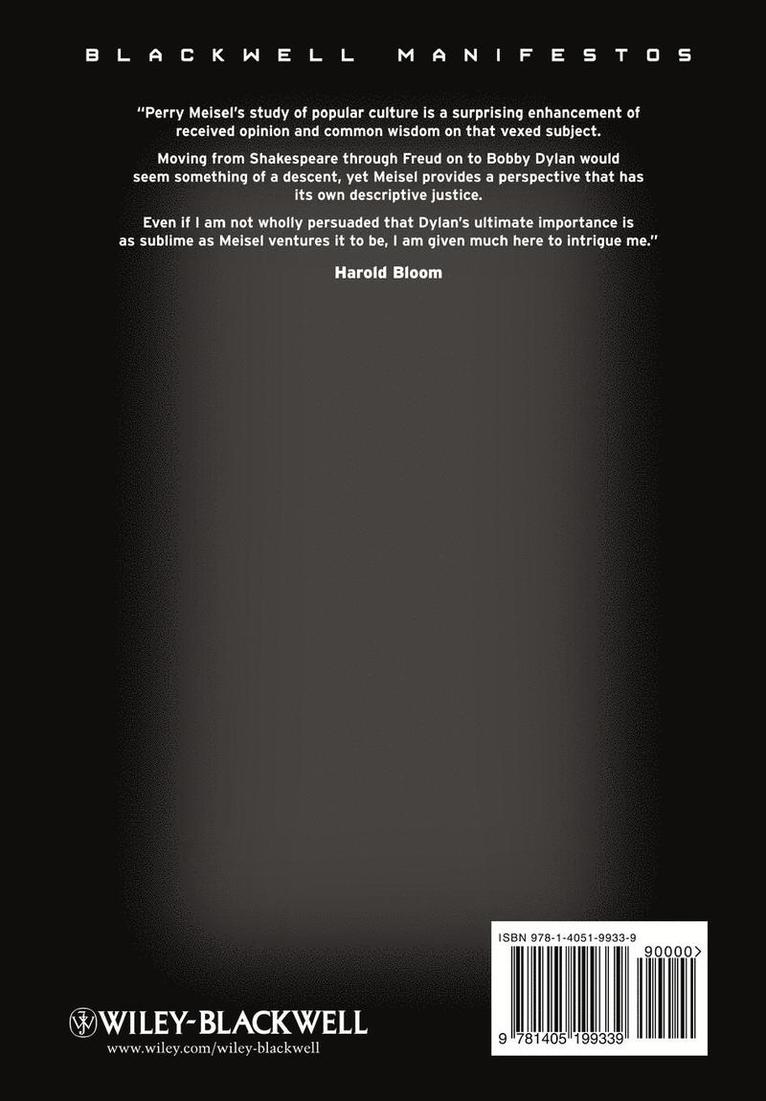
Myth of Popular Culture
From Dante to Dylan
Av Perry Meisel
Häftad, 2009
443 kr
Lägg i varukorg
The Myth of Popular Culture In this fascinating examination of popular culture, esteemed cultural critic Perry Meisel shatters conventionally held notions about the division between “high” and “low” culture with the provocative theory that popular culture has sustained dialectical rhythms. Meisel’s …
Myth of Popular Culture
From Dante to Dylan
Av Perry Meisel
E-bok, 2009
1450 kr
Lägg i varukorg
The Myth of Popular Culture In this fascinating examination of popular culture, esteemed cultural critic Perry Meisel shatters conventionally held notions about the division between “high” and “low” culture with the provocative theory that popular culture has sustained dialectical rhythms. Meisel’s …
Literary Freud
Av Perry Meisel
Inbunden, 2006
1419 kr
Tillfälligt slut
In this book, Perry Meisel argues that Freud's texts are properly literary, and casts Freud as both literary theoretician and practitioner. Here, after an introductory reception history of Freud as literature, Meisel provides a series of close readings of Freud's major texts that take literary …
The Myth of Popular Culture: From Dante to Dylan
Av Perry Meisel
Inbunden, 2009
1095 kr
Tillfälligt slut