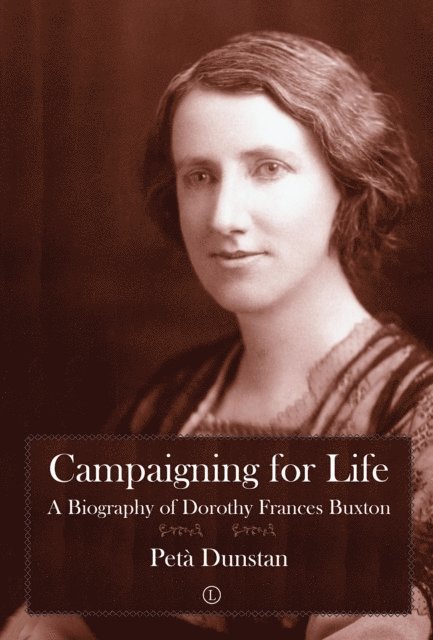
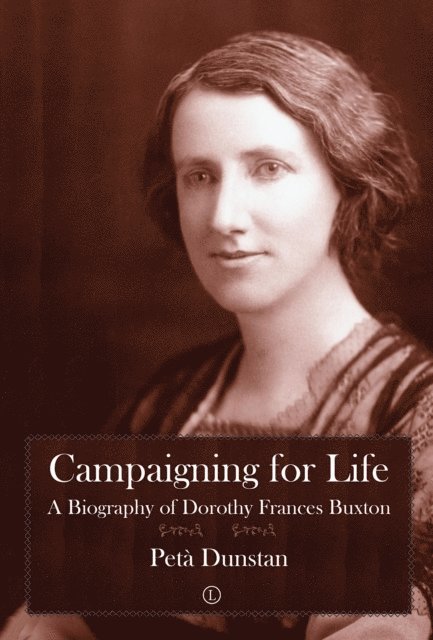
Dorothy Buxton led a remarkable life. In an era when women struggled to make their voices heard in the public arena, she spoke out effectively for the refugee, the destitute and particularly for children. An advocate of honest reporting during the First World War, in the aftermath she refused to accept the widespread famine that followed. In the face of scepticism and hostility, she campaigned to provide food for starving children in post-1918 Europe and pioneered the charity Save the Children. Her efforts saved thousands of lives. In later years, she was one of the first to raise awareness of anti-Semitism in Nazi Germany, courageously confronting Herman Goring himself in Berlin in early 1935. She was tireless in her fight for those suffering from prejudice and discrimination. Her story is unusual, from her unconventional upbringing in rural Shropshire, to studying at Cambridge to emerging as an indefatigable campaigner. Dorothy was a complex and compelling character, somewhat of an enigma even to her family. Campaigning for Life is the first biography of this remarkable woman, which examines both her public and private life in detail, and crucially acknowledges her considerable achievements in one of the most turbulent periods of European history.
Dorothy Buxton led a remarkable life. In an era when women struggled to make their voices heard in the public arena, she spoke out effectively for the refugee, the destitute and particularly for children. An advocate of honest reporting during the First World War, in the aftermath she refused to accept the widespread famine that followed. In the face of scepticism and hostility, she campaigned to provide food for starving children in post-1918 Europe and pioneered the charity Save the Children. Her efforts saved thousands of lives. In later years, she was one of the first to raise awareness of anti-Semitism in Nazi Germany, courageously confronting Herman Goring himself in Berlin in early 1935. She was tireless in her fight for those suffering from prejudice and discrimination. Her story is unusual, from her unconventional upbringing in rural Shropshire, to studying at Cambridge to emerging as an indefatigable campaigner. Dorothy was a complex and compelling character, somewhat of an enigma even to her family. Campaigning for Life is the first biography of this remarkable woman, which examines both her public and private life in detail, and crucially acknowledges her considerable achievements in one of the most turbulent periods of European history.
The first biography of the early twentieth-century social reformer who was instrumental in founding the charity Save the Children.Dorothy Buxton led a remarkable life. In an era when women struggled to make their voices heard in the public arena, she spoke out effectively for the refugee, the destitute and particularly for children. An advocate of honest reporting during the First World War, in the aftermath she refused to accept the widespread famine that followed. In the face of scepticism and hostility, she campaigned to provide food for starving children in post-1918 Europe and pioneered the charity Save the Children. Her efforts saved thousands of lives. In later years, she was one of the first to raise awareness of anti-Semitism in Nazi Germany, courageously confronting Herman Göring himself in Berlin in early 1935. She was tireless in her fight for those suffering from prejudice and discrimination. Her story is unusual, from her unconventional upbringing in rural Shropshire, to studying at Cambridge to emerging as an indefatigable campaigner. Dorothy was a complex and compelling character, somewhat of an enigma even to her family. Campaigning for Life is the first biography of this remarkable woman, which examines both her public and private life in detail, and crucially acknowledges her considerable achievements in one of the most turbulent periods of European history.
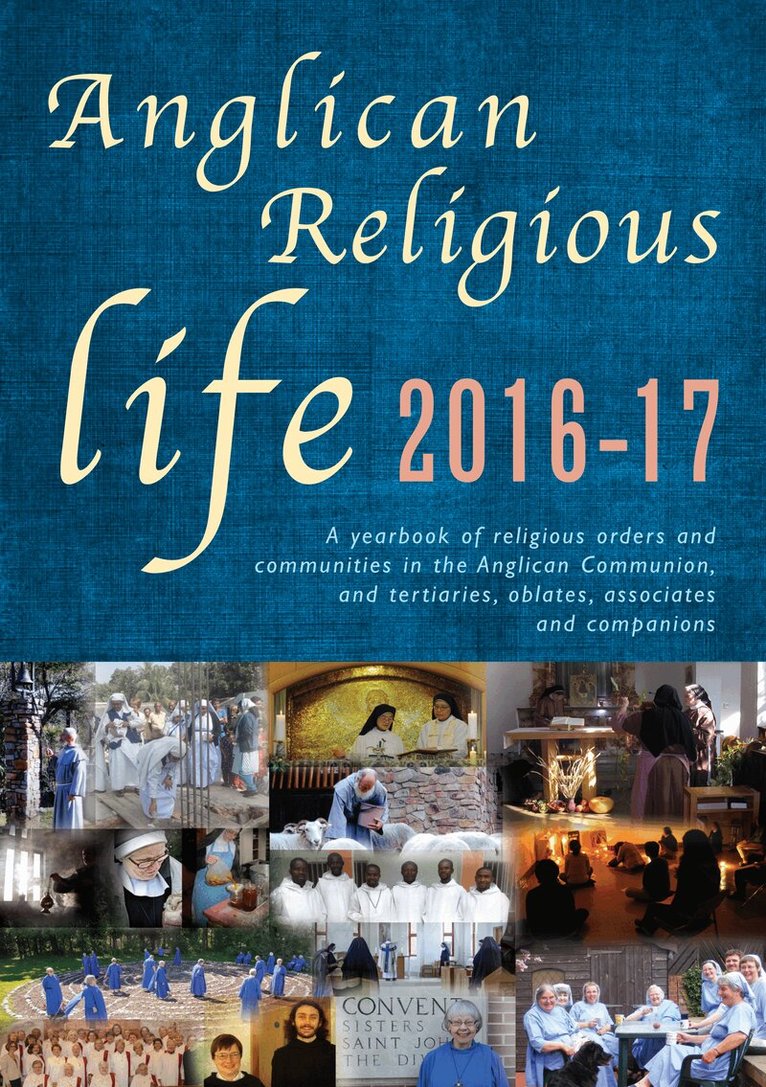
Anglican Religious Life is an international directory of religious communities throughout the Anglican Communion. Now in its tenth edition and with a widened focus, it offers a complete directory of communities throughout the Anglican world, plus information on the many groups of companions and associates attached to traditional religious communities. For each community, it gives information on retreat accommodation, times of services and community wares. News features, articles and photographs give a vivid picture of the Franciscans, Benedictines and other religious orders who form a spiritual core to the worldwide Anglican church.
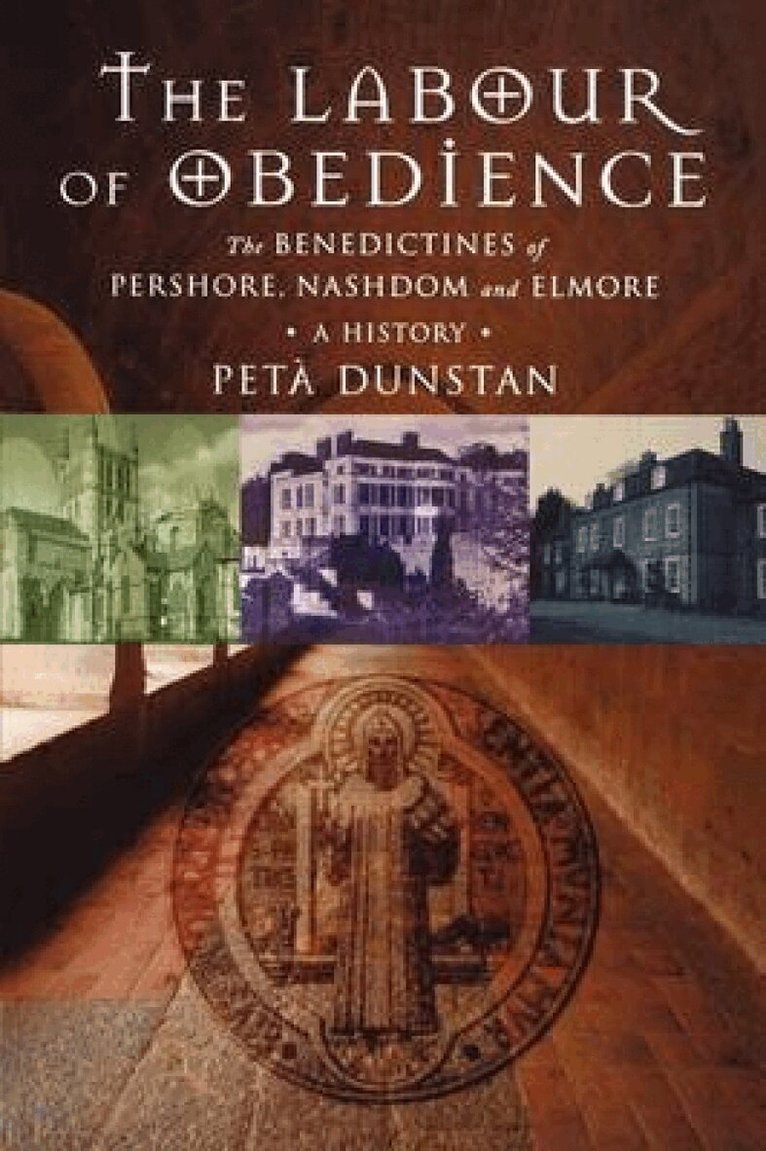
This important study of key Anglican Benedictine Communities in the first half of the 20th century provides a vital record of how the Anglican Communion dealt with an issue that was as divisive in its day as today's disputes over sexuality and women bishops, and explores the origins of the influential Anglican Papalism movement. It was the heyday of Anglo-Catholicism in the Church of England. Religious life was flourishing for the first time since the Reformation. The first shock came when the Abbot of Caldey, a flamboyant character noted for luxurious tastes, and his monks went over to Rome. Nashdom - the great Benedictine community to which Gregory Dix belonged and, in many ways, the ultimate expression of Anglo-Catholicism - threatened to do likewise over the crisis of the Church of South India where the very idea of priestly ordination and identity was being challenged. Thanks to Archbishop William Temple the crisis was averted, the monks of Nashdom stayed and the scene was set for Anglican Papalism to enter the stage.