Pete Minard – författare
Visar alla böcker från författaren . Handla med fri frakt och snabb leverans.
5 produkter
5 produkter
Inbunden, Engelska, 2019
1 140 kr
Skickas inom 10-15 vardagar
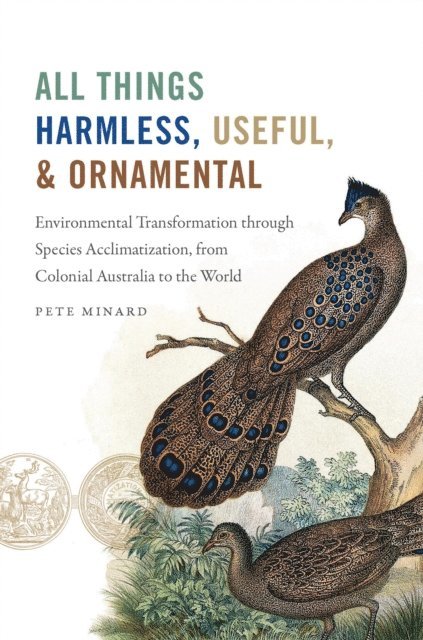
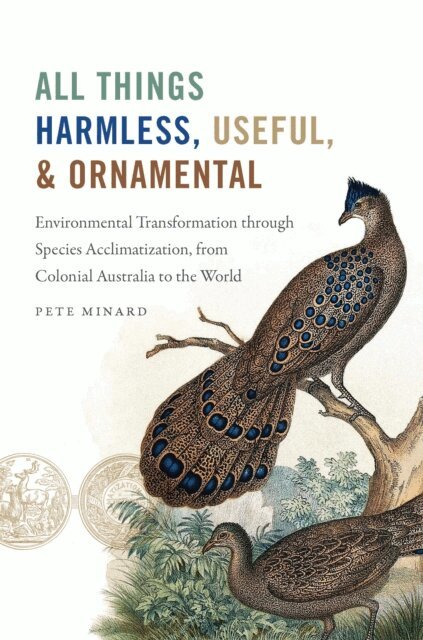
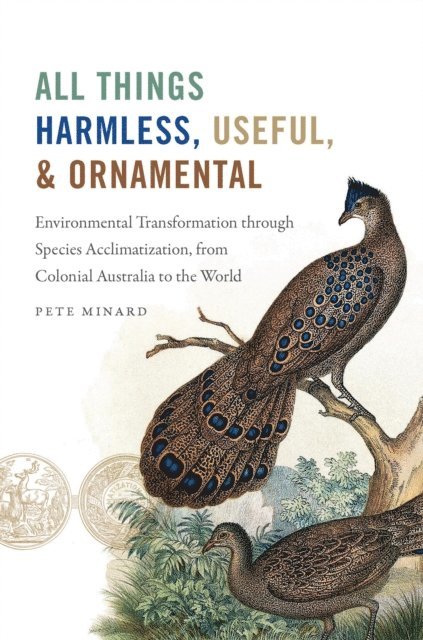
Species acclimatization-the organized introduction of organisms to a new region-is much maligned in the present day. However, colonization depended on moving people, plants, and animals from place to place, and in centuries past, scientists, landowners, and philanthropists formed acclimatization societies to study local species and conditions, form networks of supporters, and exchange supposedly useful local and exotic organisms across the globe. Pete Minard tells the story of this movement, arguing that the colonies, not the imperial centers, led the movement for species acclimatization. Far from attempting to recreate London or Paris, settlers sought to combine plants and animals to correct earlier environmental damage and populate forests, farms, and streams to make them healthier and more productive. By focusing particularly on the Australian colony of Victoria, Minard reveals a global network of would-be acclimatizers, from Britain and France to Russia and the United States. Although the movement was short-lived, the long reach of nineteenth-century acclimatization societies continues to be felt today, from choked waterways to the uncontrollable expansion of European pests in former colonies.
Häftad, Engelska, 2019
409 kr
Skickas inom 10-15 vardagar
Species acclimatization-the organized introduction of organisms to a new region-is much maligned in the present day. However, colonization depended on moving people, plants, and animals from place to place, and in centuries past, scientists, landowners, and philanthropists formed acclimatization societies to study local species and conditions, form networks of supporters, and exchange supposedly useful local and exotic organisms across the globe. Pete Minard tells the story of this movement, arguing that the colonies, not the imperial centers, led the movement for species acclimatization. Far from attempting to recreate London or Paris, settlers sought to combine plants and animals to correct earlier environmental damage and populate forests, farms, and streams to make them healthier and more productive. By focusing particularly on the Australian colony of Victoria, Minard reveals a global network of would-be acclimatizers, from Britain and France to Russia and the United States. Although the movement was short-lived, the long reach of nineteenth-century acclimatization societies continues to be felt today, from choked waterways to the uncontrollable expansion of European pests in former colonies.
E-bok
Engelska, 20191 991 kr
Läs direkt efter köp
Species acclimatization — the organized introduction of organisms to a new region — is much maligned in the present day. However, colonization depended on moving people, plants, and animals from place to place, and in centuries past, scientists, landowners, and philanthropists formed acclimatization societies to study local species and conditions, form networks of supporters, and exchange supposedly useful local and exotic organisms across the globe.Pete Minard tells the story of this movement, arguing that the colonies, not the imperial centers, led the movement for species acclimatization. Far from attempting to re-create London or Paris, settlers sought to combine plants and animals to correct earlier environmental damage and to populate forests, farms, and streams to make them healthier and more productive. By focusing particularly on the Australian colony of Victoria, Minard reveals a global network of would-be acclimatizers, from Britain and France to Russia and the United States. Although the movement was short-lived, the long reach of nineteenth-century acclimatization societies continues to be felt today, from choked waterways to the uncontrollable expansion of European pests in former colonies.
E-bok
PDF, Engelska, 2019347 kr
Läs direkt efter köp
Species acclimatization — the organized introduction of organisms to a new region — is much maligned in the present day. However, colonization depended on moving people, plants, and animals from place to place, and in centuries past, scientists, landowners, and philanthropists formed acclimatization societies to study local species and conditions, form networks of supporters, and exchange supposedly useful local and exotic organisms across the globe.Pete Minard tells the story of this movement, arguing that the colonies, not the imperial centers, led the movement for species acclimatization. Far from attempting to re-create London or Paris, settlers sought to combine plants and animals to correct earlier environmental damage and to populate forests, farms, and streams to make them healthier and more productive. By focusing particularly on the Australian colony of Victoria, Minard reveals a global network of would-be acclimatizers, from Britain and France to Russia and the United States. Although the movement was short-lived, the long reach of nineteenth-century acclimatization societies continues to be felt today, from choked waterways to the uncontrollable expansion of European pests in former colonies.
E-bok
PDF, Engelska, 20191 565 kr
Läs direkt efter köp
Species acclimatization — the organized introduction of organisms to a new region — is much maligned in the present day. However, colonization depended on moving people, plants, and animals from place to place, and in centuries past, scientists, landowners, and philanthropists formed acclimatization societies to study local species and conditions, form networks of supporters, and exchange supposedly useful local and exotic organisms across the globe.Pete Minard tells the story of this movement, arguing that the colonies, not the imperial centers, led the movement for species acclimatization. Far from attempting to re-create London or Paris, settlers sought to combine plants and animals to correct earlier environmental damage and to populate forests, farms, and streams to make them healthier and more productive. By focusing particularly on the Australian colony of Victoria, Minard reveals a global network of would-be acclimatizers, from Britain and France to Russia and the United States. Although the movement was short-lived, the long reach of nineteenth-century acclimatization societies continues to be felt today, from choked waterways to the uncontrollable expansion of European pests in former colonies.