Peter A. Freeman - Böcker
Visar alla böcker från författaren Peter A. Freeman. Handla med fri frakt och snabb leverans.
4 produkter
4 produkter
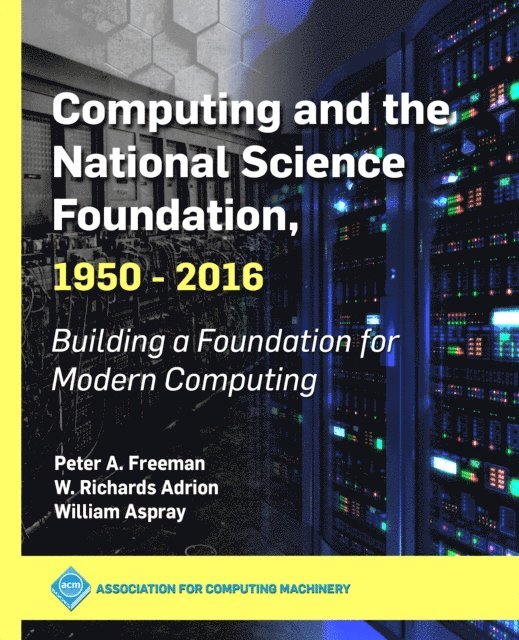
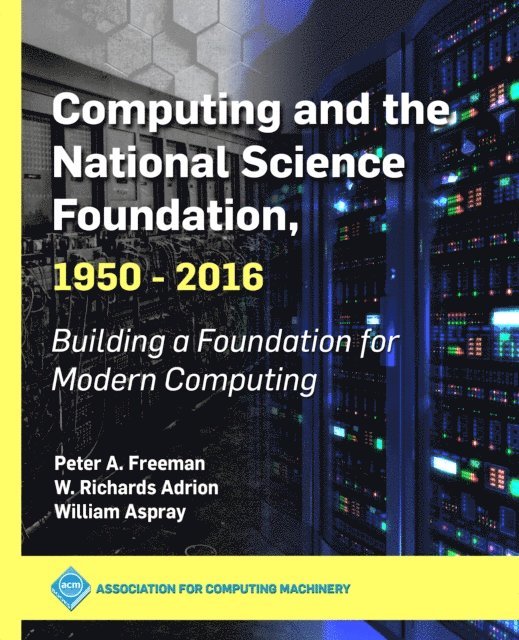
Computing and the National Science Foundation, 1950-2016
Building a Foundation for Modern Computing
Häftad, Engelska, 2019
606 kr
Skickas inom 7-10 vardagar
This organizational history relates the role of the National Science Foundation (NSF) in the development of modern computing.Drawing upon new and existing oral histories, extensive use of NSF documents, and the experience of two of the authors as senior managers, this book describes how NSF's programmatic activities originated and evolved to become the primary source of funding for fundamental research in computing and information technologies.The book traces how NSF's support has provided facilities and education for computing usage by all scientific disciplines, aided in institution and professional community building, supported fundamental research in computer science and allied disciplines, and led the efforts to broaden participation in computing by all segments of society.Today, the research and infrastructure facilitated by NSF computing programs are significant economic drivers of American society and industry. For example, NSF supported work that led to the first widely-used web browser, Netscape; sponsored the creation of algorithms at the core of the Google search engine; facilitated the growth of the public Internet; and funded research on the scientific basis for countless other applications and technologies. NSF has advanced the development of human capital and ideas for future advances in computing and its applications.This account is the first comprehensive coverage of NSF's role in the extraordinary growth and expansion of modern computing and its use. It will appeal to historians of computing, policy makers and leaders in government and academia, and individuals interested in the history and development of computing and the NSF.
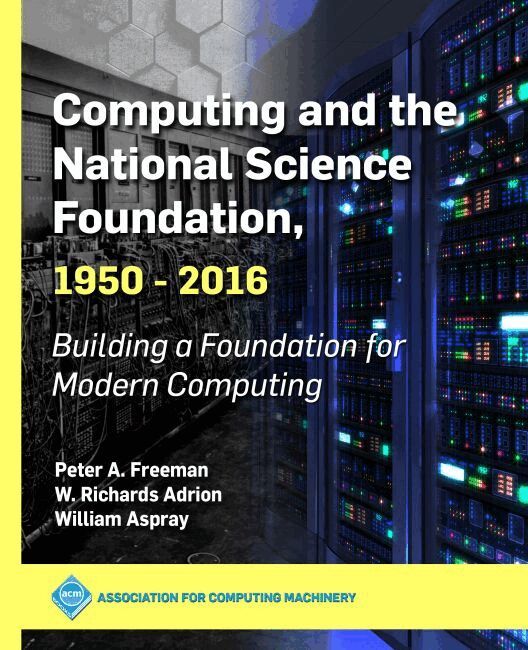
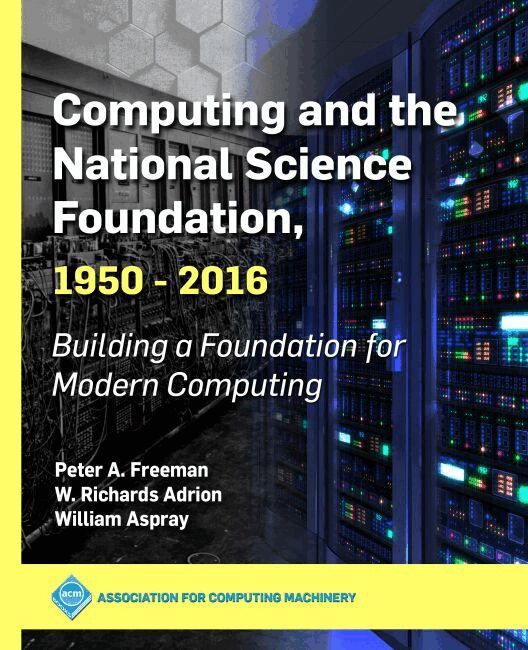
Computing and the National Science Foundation, 1950-2016
Building a Foundation for Modern Computing
Inbunden, Engelska, 2019
824 kr
Skickas inom 7-10 vardagar
This organizational history relates the role of the National Science Foundation (NSF) in the development of modern computing.Drawing upon new and existing oral histories, extensive use of NSF documents, and the experience of two of the authors as senior managers, this book describes how NSF's programmatic activities originated and evolved to become the primary source of funding for fundamental research in computing and information technologies.The book traces how NSF's support has provided facilities and education for computing usage by all scientific disciplines, aided in institution and professional community building, supported fundamental research in computer science and allied disciplines, and led the efforts to broaden participation in computing by all segments of society.Today, the research and infrastructure facilitated by NSF computing programs are significant economic drivers of American society and industry. For example, NSF supported work that led to the first widely-used web browser, Netscape; sponsored the creation of algorithms at the core of the Google search engine; facilitated the growth of the public Internet; and funded research on the scientific basis for countless other applications and technologies. NSF has advanced the development of human capital and ideas for future advances in computing and its applications.This account is the first comprehensive coverage of NSF's role in the extraordinary growth and expansion of modern computing and its use. It will appeal to historians of computing, policy makers and leaders in government and academia, and individuals interested in the history and development of computing and the NSF.
378 kr
Skickas inom 10-15 vardagar
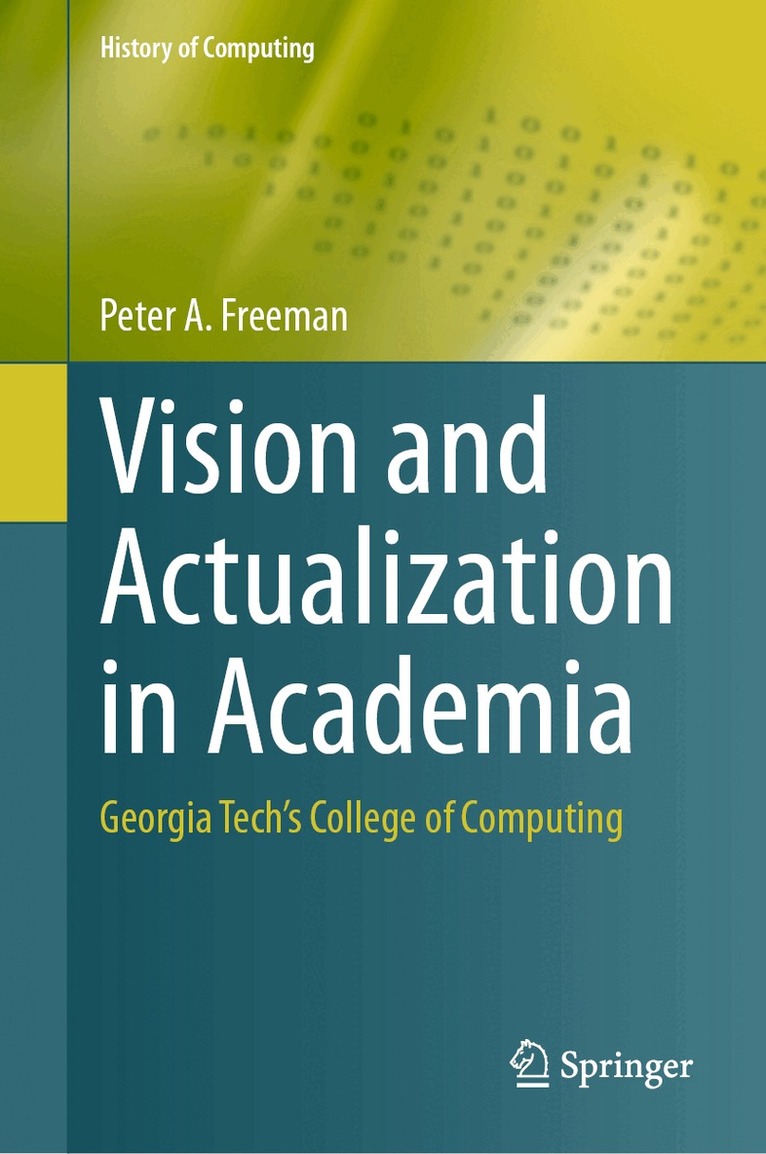
Although difficult, change in academic structures is necessary today, especially in fast-changing fields today such as biology, computing, management, the social sciences, and others. This includes changes within existing organizations as well as creation of new structures and reorganizations or eliminations of older ones.This narrative attempts first to document the historical rise of an organization, Georgia Tech’s College of Computing, that has touched and successfully changed the lives of thousands of people. Second, it aims to identify and explicate some of what has led to this widely acknowledged success. The book provides a chronological narrative that highlights major changes taken under each successive leader. These changes have built on one another, knowingly or otherwise, to create a growing organization that rivals in size and prominence longer established parts of the university. The case study, while of an academic organization focused on computing, provides general lessons applicable almost anywhere.Topics and features:Discusses the nature and uses of visions, both general and specificShows how visions can be used to drive specific actions and resource allocationsIllustrates the choice and use of enduring organizational principlesOutlines a simple strategic-planning method and its applicationIndicates results of this overall approachThis book will be of interest to anyone interested in organizational change, especially in academia, and to those interested in Georgia Tech. It will also appeal to policymakers in education, government, and industry; as well as anyone interested in the historical growth of the computing milieu broadly. Peter A. Freeman was Founding Dean and Professor in the College of Computing at Georgia Tech from 1990 to 2002. Today he is an Emeritus Dean and Professor.
378 kr
Skickas inom 10-15 vardagar
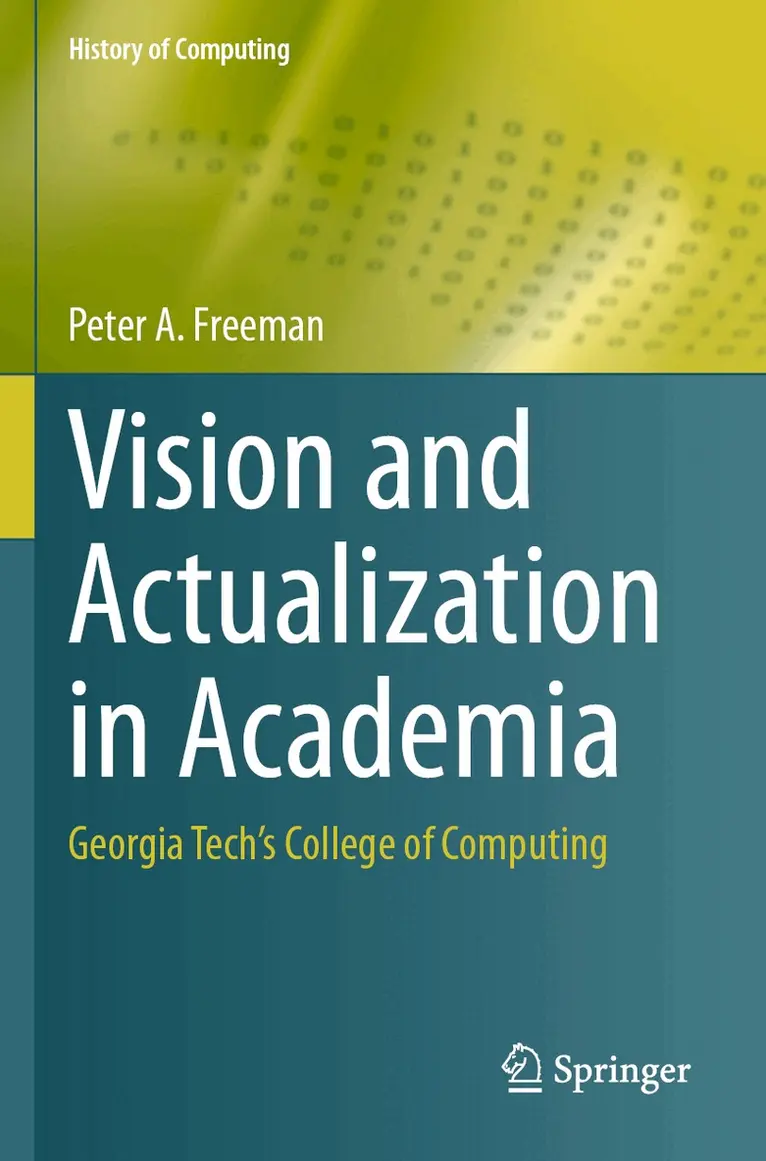
Although difficult, change in academic structures is necessary today, especially in fast-changing fields today such as biology, computing, management, the social sciences, and others. This includes changes within existing organizations as well as creation of new structures and reorganizations or eliminations of older ones.This narrative attempts first to document the historical rise of an organization, Georgia Tech’s College of Computing, that has touched and successfully changed the lives of thousands of people. Second, it aims to identify and explicate some of what has led to this widely acknowledged success. The book provides a chronological narrative that highlights major changes taken under each successive leader. These changes have built on one another, knowingly or otherwise, to create a growing organization that rivals in size and prominence longer established parts of the university. The case study, while of an academic organization focused on computing, provides general lessons applicable almost anywhere.Topics and features:Discusses the nature and uses of visions, both general and specificShows how visions can be used to drive specific actions and resource allocationsIllustrates the choice and use of enduring organizational principlesOutlines a simple strategic-planning method and its applicationIndicates results of this overall approachThis book will be of interest to anyone interested in organizational change, especially in academia, and to those interested in Georgia Tech. It will also appeal to policymakers in education, government, and industry; as well as anyone interested in the historical growth of the computing milieu broadly. Peter A. Freeman was Founding Dean and Professor in the College of Computing at Georgia Tech from 1990 to 2002. Today he is an Emeritus Dean and Professor.