Peter A. Poole - Böcker
Visar alla böcker från författaren Peter A. Poole. Handla med fri frakt och snabb leverans.
4 produkter
4 produkter
980 kr
Skickas inom 10-15 vardagar
In this remarkable volume, a multinational team of scientists catalogs the stressors and benefits for combat-trained soldiers deployed on missions where they are told to hold their fire and assume the role of peacekeeper. Theory and direct research with peacekeepers is incorporated. Missions covered include, but are not limited to, peacekeeping operations in Haiti, Somalia, Bosnia, Kosovo, Iraq, and Lebanon. The terminology of peacekeeping and military operations is listed. The stressors, threats, dangers, frustrations, and benefits of the peacekeeper role are described in dramatic detail, with additional attention to the Peacekeeper Stress Syndrome.With the goal of increasing peacekeeper health and well-being, which in turn increases the likelihood of establishing a stable peace, this volume also addresses interventions and preventative measures. The extent of psychological distress and disorders following peacekeeping operations is documented. Interventions are recommended for various phases of deployment, in order to minimize the likelihood of post-deployment psychological problems. Experts in social, industrial/organizational, health, clinical, and cross-cultural psychology contribute to a multi-dimensional perspective. Each chapter author reports psychological research with military personnel in peacekeeping operations.
1 009 kr
Skickas inom 10-15 vardagar
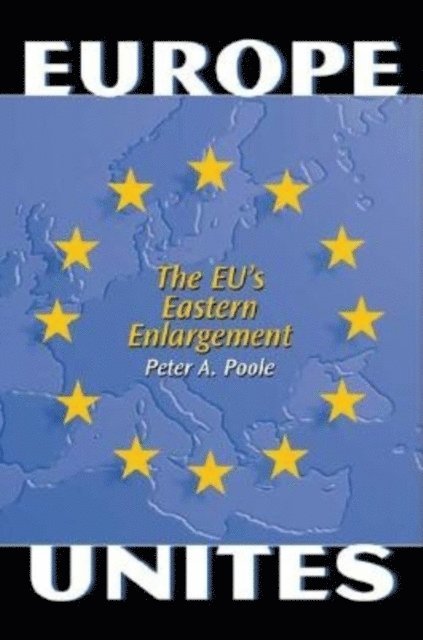
The EU's eastern enlargement has coincided with a decade of rapid progress toward closer European integration. Poole argues that this enlargement, more than any previous one, is closely linked with major EU projects of integration, including justice and home affairs, monetary union, a common foreign and security policy, and the effort to create a constitutional treaty. By requiring the eastern states to adopt extensive reforms in their judicial and police systems, the enlargement process makes it easier for the EU to combat terrorism and organized crime and control the flow of immigration from outside Europe.The monetary union was deliberately put in place before enlargement (which might have made the task more difficult), but now the Stability and Growth Pact requires reform to make it flexible enough to serve a larger, more diverse Union. The addition of ten new states provides one of the main incentives for drafting a constitutional treaty. Finally, the candidate countries are helping to lay the groundwork for the next EU enlargement into southeastern Europe. As the first college text to explore the impact of the eastern enlargement on European integration, this book can be used effectively in comparative government, economics, European history, and international relations courses.
474 kr
Skickas inom 10-15 vardagar
The EU's eastern enlargement has coincided with a decade of rapid progress toward closer European integration. Poole argues that this enlargement, more than any previous one, is closely linked with major EU projects of integration, including justice and home affairs, monetary union, a common foreign and security policy, and the effort to create a constitutional treaty. By requiring the eastern states to adopt extensive reforms in their judicial and police systems, the enlargement process makes it easier for the EU to combat terrorism and organized crime and control the flow of immigration from outside Europe.The monetary union was deliberately put in place before enlargement (which might have made the task more difficult), but now the Stability and Growth Pact requires reform to make it flexible enough to serve a larger, more diverse Union. The addition of ten new states provides one of the main incentives for drafting a constitutional treaty. Finally, the candidate countries are helping to lay the groundwork for the next EU enlargement into southeastern Europe. As the first college text to explore the impact of the eastern enlargement on European integration, this book can be used effectively in comparative government, economics, European history, and international relations courses.
464 kr
Skickas inom 5-8 vardagar
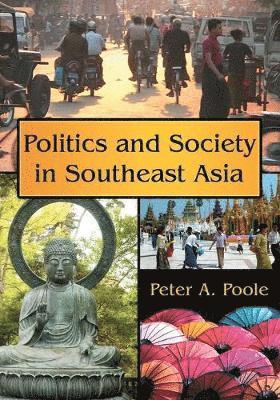
The Asian financial crisis of 1997-1998 caused severe hardship in Southeast Asia, and many countries tightened their regulation of banks and other financial institutions, adopted more conservative fiscal policies, and made themselves less vulnerable to Western market fluctuations by forming closer trade and investment ties with their neighbors. This book analyzes the major political and economic reforms that resulted from the Asian financial crisis, looking particularly at how such reforms helped to prepare Asian countries for coping with the 2009 global recession. In each of the ten country chapters, the historical background, social and political system, economic development, and foreign relations of each country are analyzed and compared with those of neighboring countries. The concluding chapter looks ahead at the prospects for Southeast Asia in a more integrated Asian region.Instructors considering this book for use in a course may request an examination copy here.