Peter Aiken – författare
Visar alla böcker från författaren Peter Aiken. Handla med fri frakt och snabb leverans.
10 produkter
Data Warehousing Engineering
Av Clive Finklestein, Peter Aiken m. fl.
Häftad, 1999
618 kr
Lägg i varukorg
This text on data warehouse engineering takes readers from the planning and modelling stages right through to the implementation. It includes chapters on how to convert data from a legacy system to a modern data warehouse.
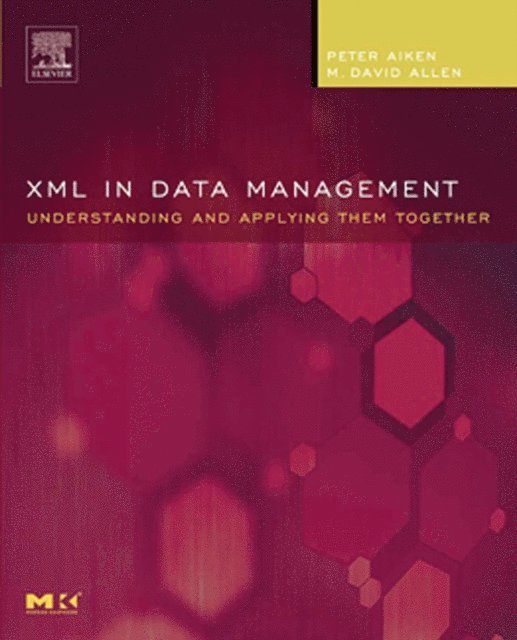
XML in Data Management
Understanding and Applying Them Together
Av M. David Allen, Peter Aiken
E-bok, 2004
546 kr
Lägg i varukorg
XML in Data Management is for IT managers and technical staff involved in the creation, administration, or maintenance of a data management infrastructure that includes XML. For most IT staff, XML is either just a buzzword that is ignored or a silver bullet to be used in every nook and cranny of …
XML in Data Management
Understanding and Applying Them Together
Av Peter Aiken, M. David Allen
Häftad, 2004
549 kr
Lägg i varukorg
XML in Data Management is for IT managers and technical staff involved in the creation, administration, or maintenance of a data management infrastructure that includes XML. For most IT staff, XML is either just a buzzword that is ignored or a silver bullet to be used in every nook and cranny of …
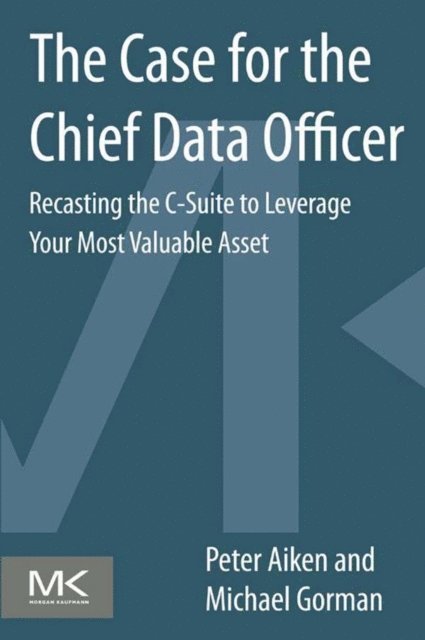
The Case for the Chief Data Officer
Recasting the C-Suite to Leverage Your Most Valuable Asset
Av Peter Aiken, Michael M. Gorman
Häftad, 2013
324 kr
Lägg i varukorg
Data are an organization's sole, non-depletable, non-degrading, durable asset. Engineered right, data's value increases over time because the added dimensions of time, geography, and precision. To achieve data's full organizational value, there must be dedicated individual to leverage data as …
Case for the Chief Data Officer
Recasting the C-Suite to Leverage Your Most Valuable Asset
Av Michael M. Gorman, Peter Aiken
E-bok, 2013
319 kr
Lägg i varukorg
Data are an organization''s sole, non-depletable, non-degrading, durable asset. Engineered right, data''s value increases over time because the added dimensions of time, geography, and precision. To achieve data''s full organizational value, there must be dedicated individual to leverage data as …
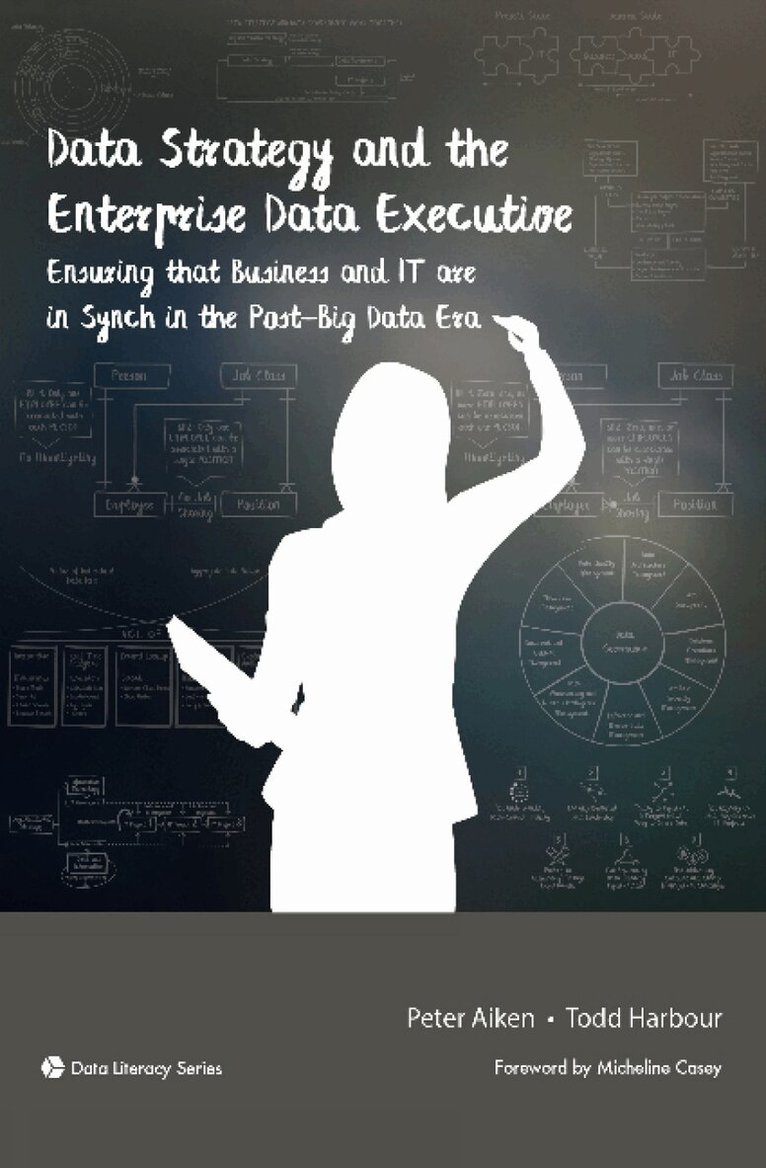
Data Strategy and the Enterprise Data Executive
Ensuring That Business and IT Are in Synch in the Post-Big Data Era
Häftad, 2017
390 kr
Lägg i varukorg
Pervasive, data is a unique organizational resource, and this distinction warrants its own strategy. Data, representing your single non-depletable, non-degradable, durable strategic asset, is likely also your most poorly leveraged and underutilized organizational asset. Lack of talent, barriers in …
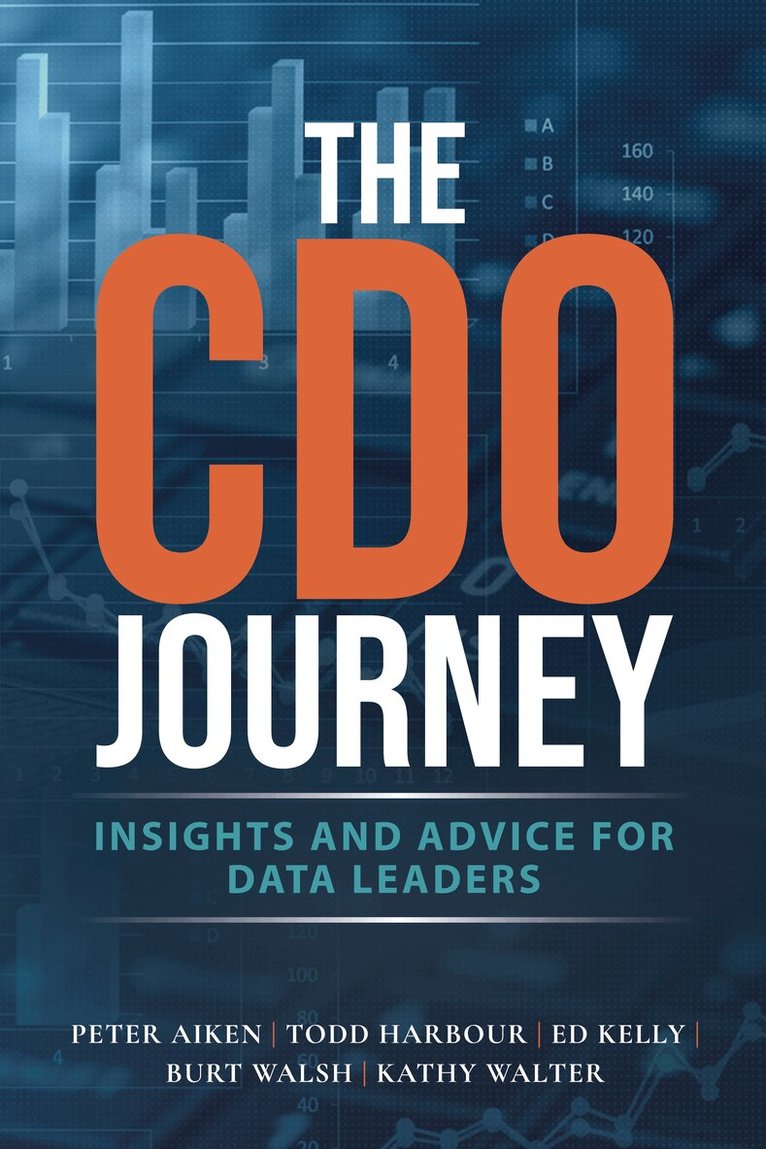
CDO Journey
Insights and Advice for Data Leaders
Av Peter Aiken, Todd Harbour m. fl.
Häftad, 2020
305 kr
Lägg i varukorg
Let the masters guide you on your Chief Data Officer (CDO) journey! The CDO is a new business role, and just starting to appear in state, local, and federal governments. Like many new roles, the CDOs responsibilities are continuously evolving and changing. Most institutions are not consistent with …
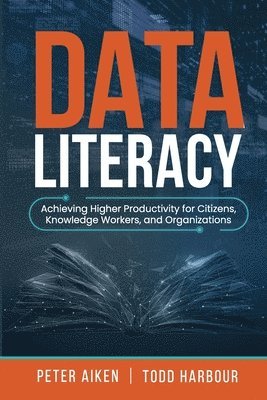
Data Literacy
Achieving Higher Productivity for Citizens, Knowledge Workers, and Organizations
Häftad, 2021
446 kr
Lägg i varukorg
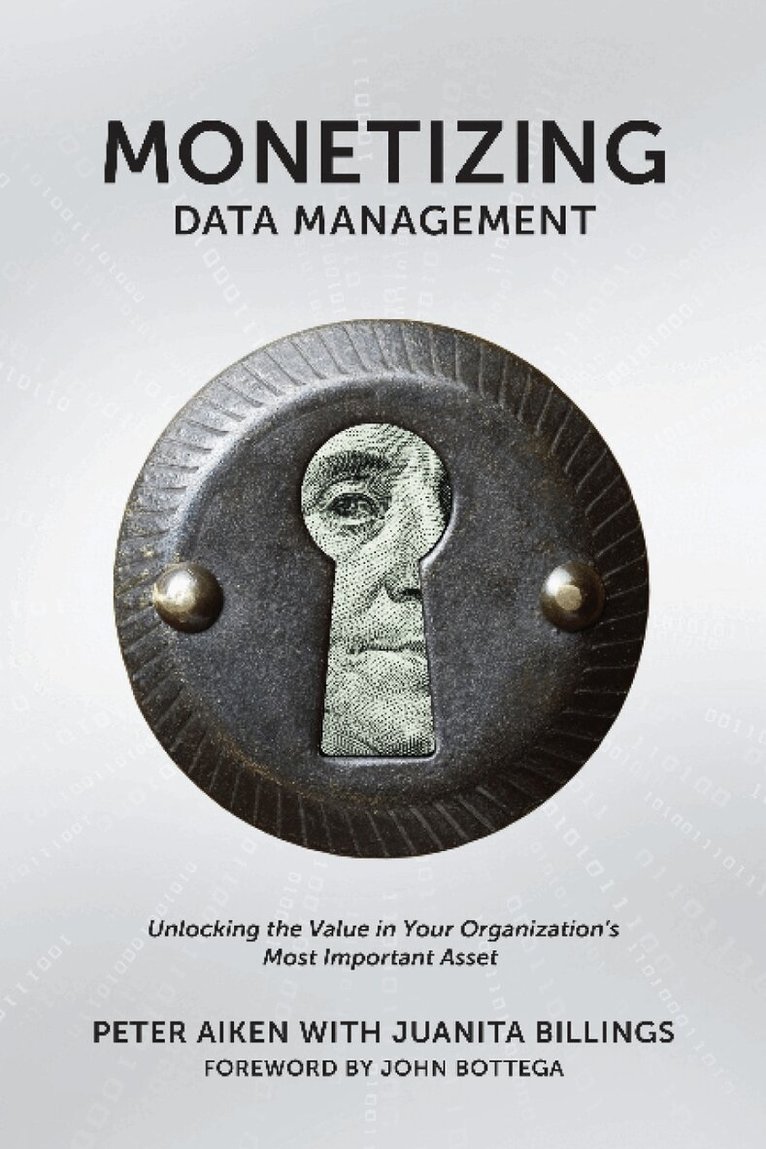
Monetizing Data Management
Finding the Value in Your Organization's Most Important Asset
Av Peter Aiken, Juanita Billings
Häftad, 2013
249 kr
Lägg i varukorg
What's the Return on Investment (ROI) on data management? Sound like an impossible question to answer? Not if you read this book and learn the value-added approach to managing enterprise resources and assets. This book defines the five interrelated best practices that comprise data management, and …