Peter B. Ainsworth – författare
Visar alla böcker från författaren Peter B. Ainsworth. Handla med fri frakt och snabb leverans.
5 produkter
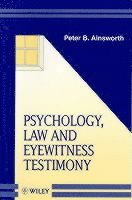
Psychology, Law and Eyewitness Testimony
Häftad, 1999
748 kr
Lägg i varukorg
Psychology, Law and Eyewitness Testimony Peter B. Ainsworth, University of Manchester, UK Before giving evidence, witnesses have to swear to tell 'the truth, the whole truth and nothing but the truth'. Given current knowledge about human perception and memory, it is unlikely that witnesses will be …
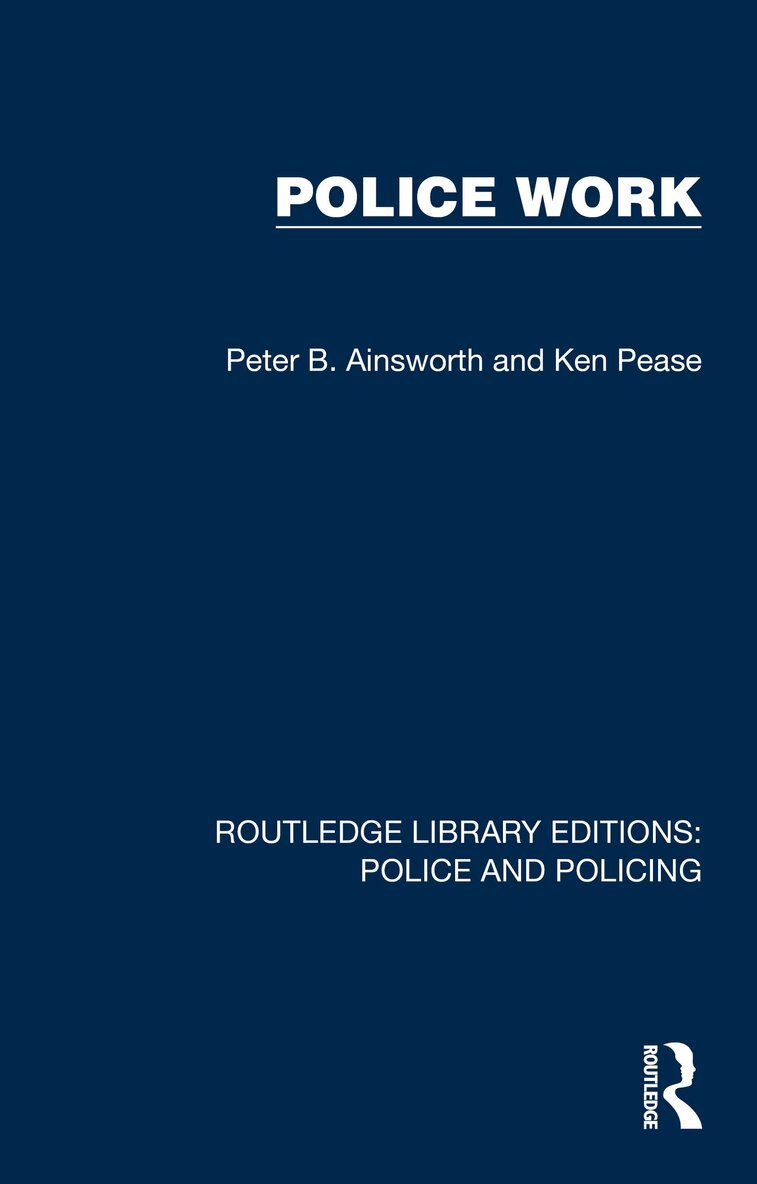
Police Work
Av Ken Pease, Peter B. Ainsworth
E-bok, 2023
539 kr
Lägg i varukorg
Why don’t people rush to help at an accident? Why do eyewitnesses give different accounts of the same event? Is there such a thing as a ‘born criminal’? How can you get people to cooperate with police investigations? Can you tell if someone is lying? How can police officers reduce their own levels …
Police Work
Av Ken Pease, Peter B. Ainsworth
E-bok, 2023
539 kr
Lägg i varukorg
Why don’t people rush to help at an accident? Why do eyewitnesses give different accounts of the same event? Is there such a thing as a ‘born criminal’? How can you get people to cooperate with police investigations? Can you tell if someone is lying? How can police officers reduce their own levels …
Police Work
Av Peter B. Ainsworth, Ken Pease
Inbunden, 2023
1474 kr
Lägg i varukorg
Why don’t people rush to help at an accident? Why do eyewitnesses give different accounts of the same event? Is there such a thing as a ‘born criminal’? How can you get people to cooperate with police investigations? Can you tell if someone is lying? How can police officers reduce their own levels …
Police Work
Av Peter B. Ainsworth, Ken Pease
Häftad, 2025
458 kr
Lägg i varukorg
Why don’t people rush to help at an accident? Why do eyewitnesses give different accounts of the same event? Is there such a thing as a ‘born criminal’? How can you get people to cooperate with police investigations? Can you tell if someone is lying? How can police officers reduce their own levels …