Peter Blunt - Böcker
Visar alla böcker från författaren Peter Blunt. Handla med fri frakt och snabb leverans.
5 produkter
5 produkter
1 886 kr
Skickas inom 10-15 vardagar
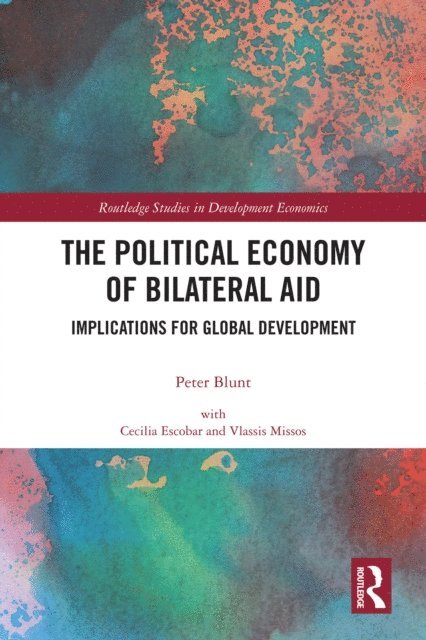
The social and economic consequences of the COVID-19 pandemic and of extreme climate events have brought into sharp relief the serious deficiencies of our political economies. The dominant global ideology of neoliberalism and its architects and beneficiaries are responsible for this. Bilateral development assistance is an integral part of the neoliberal grand design. However, while the deficiencies of neoliberalism have been starkly exposed by the pandemic, its collapse is unlikely in the short-term. Much bilateral assistance will therefore continue to be self-serving. Within these confines, and on the basis of a sharply critical analysis of the functioning of technical assistance at the point of the design and delivery of programmes and projects, this book identifies crucial supply-side nodes of power and influence where feasible and relatively straight-forward ‘functional’ reforms - strategy, structure, selection, training - would make genuinely developmental results for recipients more likely and enhance donor interests at the same time. It argues that more authentic, empathetic, and altruistic technical assistance will be essential to bringing this about. The arguments are supported by primary, published evidence gathered by the author during 18 years of full-time employment as a team leader or programme manager of technical assistance programmes. The book will be of interest to students of development management, development economics, political economy and international relations, as well as policy makers, development practitioners and supply- and demand-side government officials.
576 kr
Skickas inom 10-15 vardagar
The social and economic consequences of the COVID-19 pandemic and of extreme climate events have brought into sharp relief the serious deficiencies of our political economies. The dominant global ideology of neoliberalism and its architects and beneficiaries are responsible for this. Bilateral development assistance is an integral part of the neoliberal grand design. However, while the deficiencies of neoliberalism have been starkly exposed by the pandemic, its collapse is unlikely in the short-term. Much bilateral assistance will therefore continue to be self-serving. Within these confines, and on the basis of a sharply critical analysis of the functioning of technical assistance at the point of the design and delivery of programmes and projects, this book identifies crucial supply-side nodes of power and influence where feasible and relatively straight-forward ‘functional’ reforms - strategy, structure, selection, training - would make genuinely developmental results for recipients more likely and enhance donor interests at the same time. It argues that more authentic, empathetic, and altruistic technical assistance will be essential to bringing this about. The arguments are supported by primary, published evidence gathered by the author during 18 years of full-time employment as a team leader or programme manager of technical assistance programmes. The book will be of interest to students of development management, development economics, political economy and international relations, as well as policy makers, development practitioners and supply- and demand-side government officials.
2 088 kr
Skickas inom 10-15 vardagar
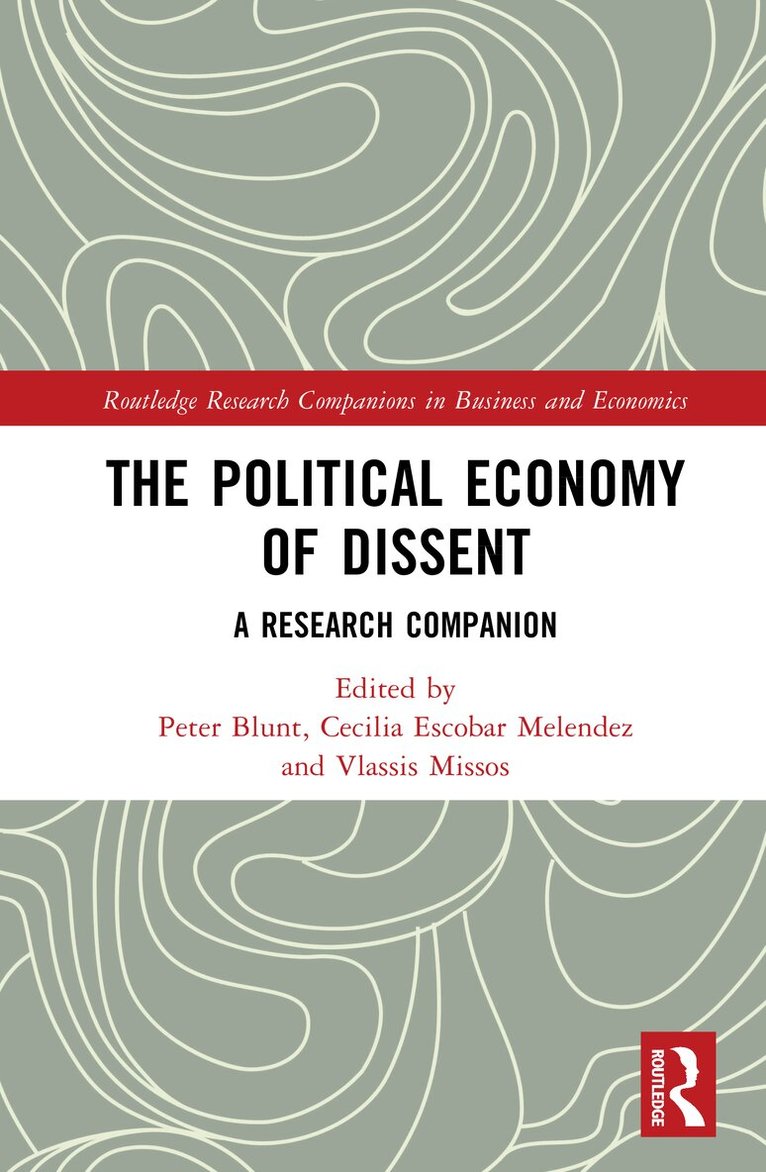
In 2020 Noam Chomsky asserted that the time to panic about the existential threats posed by nuclear war, global warming, and the stifling of informed debate in supposedly open and democratic societies was upon us, and that it was the duty of concerned citizens to act accordingly. Hastened by the lingering aftermath of the 2008 financial crisis, the COVID-19 pandemic, the proxy war in Ukraine, the decline of US economic hegemony, and increasing hostility between the US and China, he concluded in early 2023 that unless the US could be persuaded to cooperate with its declared adversaries and capitalism could be overthrown or ‘defanged’, there was little hope for survival. The authors of this book argue that achieving these ends will depend greatly on effective individual and collective worldwide dissent.The book analyses and exemplifies dissent in the main domains of institutionalised capitalist control and the manufacture of uninformed consent, namely: political economy; education; the media and IT; work and trade unions; the commons and communities; and culture. And thereby gives voice and hope to the downtrodden and marginalised, including indigenous peoples and those of the global south. It provides an uplifting counter to the otherwise seemingly overwhelming expression of uninformed consent, one that will inspire by example and be an antidote to the fear and defeatism instilled by capitalist intransigence, indoctrination, and control.The book is addressed to students, scholars and researchers primarily, but its breadth of coverage, authenticity and plain writing style will appeal to activists, community organisers, and concerned citizens, both in industrialised countries and the global south.
295 kr
Tillfälligt slut
1 833 kr
Skickas inom 7-10 vardagar
No detailed description available for "Managing Organisations in Africa".