Peter C. M. Molenaar – författare
Visar alla böcker från författaren Peter C. M. Molenaar. Handla med fri frakt och snabb leverans.
7 produkter
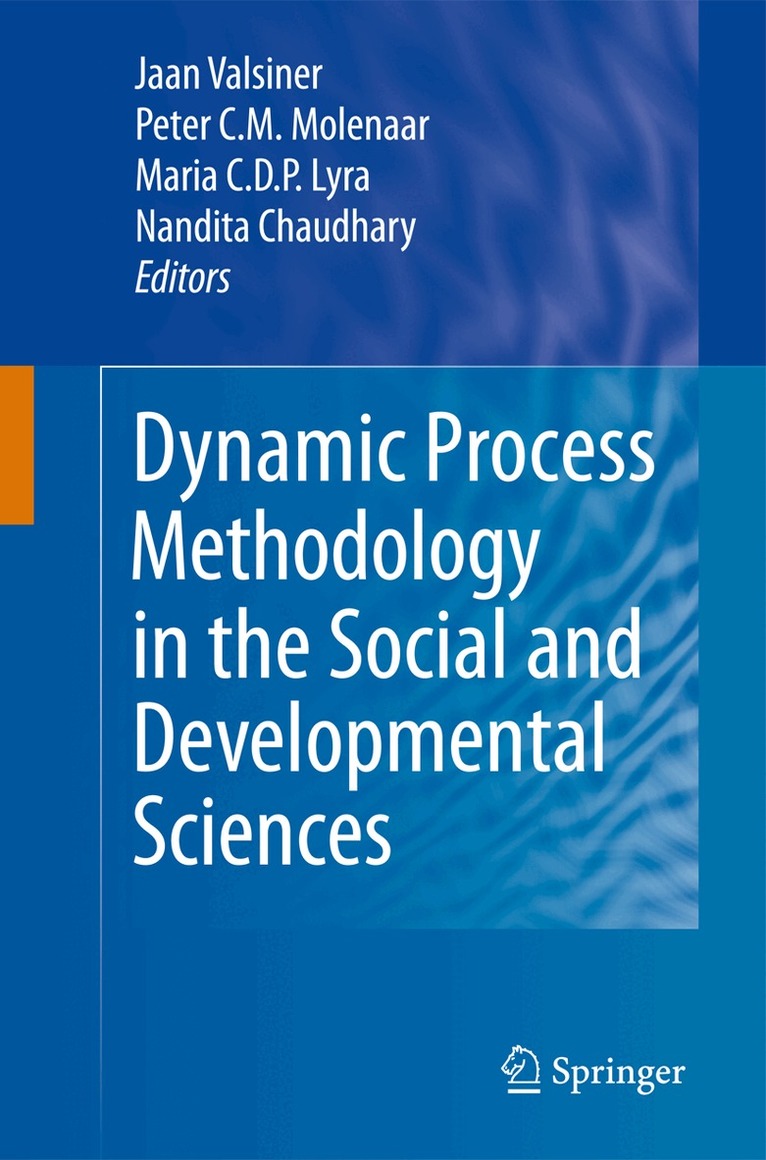
Dynamic Process Methodology in the Social and Developmental Sciences
Av Jaan Valsiner, Peter C. M. Molenaar m. fl.
Inbunden, 2009
1594 kr
Lägg i varukorg
All psychological processes—like biological and social ones—are dynamic. Phenomena of nature, society, and the human psyche are context bound, constantly changing, and variable. This feature of reality is often not recognized in the social sciences where we operate with averaged data and with …
Dynamic Process Methodology in the Social and Developmental Sciences
Av Nandita Chaudhary, Maria C.D.P. Lyra m. fl.
E-bok, 2009
2051 kr
Lägg i varukorg
All psychological processes—like biological and social ones—are dynamic. Phenomena of nature, society, and the human psyche are context bound, constantly changing, and variable. This feature of reality is often not recognized in the social sciences where we operate with averaged data and with …
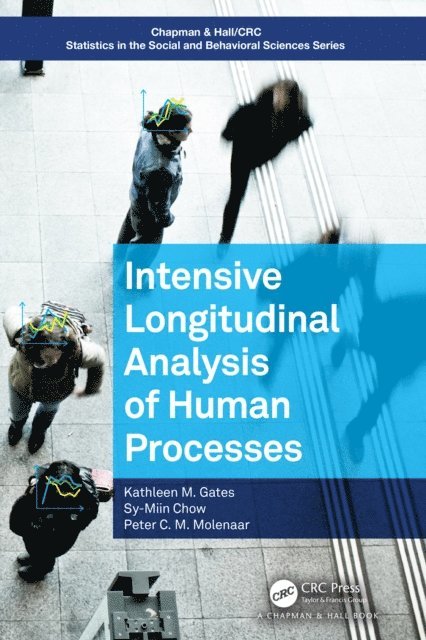
Intensive Longitudinal Analysis of Human Processes
Av Peter C. M. Molenaar, Sy-Miin Chow m. fl.
E-bok, 2023
1022 kr
Lägg i varukorg
This book focuses on a span of statistical topics relevant to researchers who seek to conduct person-specific analysis of human data. Our purpose is to provide one consolidated resource that includes techniques from disciplines such as engineering, physics, statistics, and quantitative psychology …
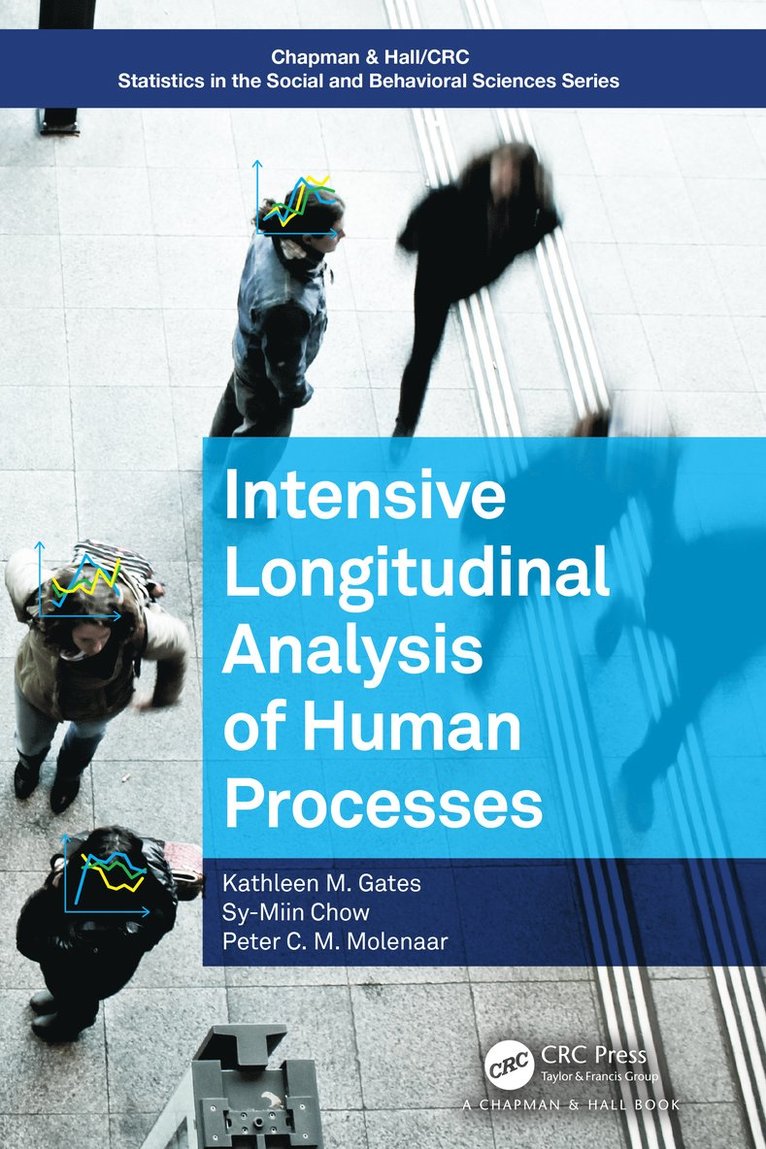
Intensive Longitudinal Analysis of Human Processes
Av Kathleen M. Gates, Sy-Miin Chow m. fl.
Inbunden, 2023
1524 kr
Lägg i varukorg
This book focuses on a span of statistical topics relevant to researchers who seek to conduct person-specific analysis of human data. Our purpose is to provide one consolidated resource that includes techniques from disciplines such as engineering, physics, statistics, and quantitative psychology …
Intensive Longitudinal Analysis of Human Processes
Av Peter C. M. Molenaar, Sy-Miin Chow m. fl.
E-bok, 2023
1022 kr
Lägg i varukorg
This book focuses on a span of statistical topics relevant to researchers who seek to conduct person-specific analysis of human data. Our purpose is to provide one consolidated resource that includes techniques from disciplines such as engineering, physics, statistics, and quantitative psychology …
Dynamic Process Methodology in the Social and Developmental Sciences
Av Jaan Valsiner, Peter C. M. Molenaar m. fl.
Häftad, 2014
1584 kr
Lägg i varukorg
All psychological processes—like biological and social ones—are dynamic. Phenomena of nature, society, and the human psyche are context bound, constantly changing, and variable. This feature of reality is often not recognized in the social sciences where we operate with averaged data and with …
Handbook of Developmental Systems Theory and Methodology
Av Peter C. M. Molenaar, Richard M. Lerner m. fl.
Inbunden, 2014
2229 kr
Lägg i varukorg
Developmental systems theory provides powerful tools for predicting complex, dynamic interactions among biological and environmental processes in human behavior and health. This groundbreaking handbook provides a roadmap for integrating key concepts of developmental systems theory (such as …