Peter Fratzl - Böcker
Visar alla böcker från författaren Peter Fratzl. Handla med fri frakt och snabb leverans.
7 produkter
7 produkter
2 725 kr
Skickas inom 10-15 vardagar
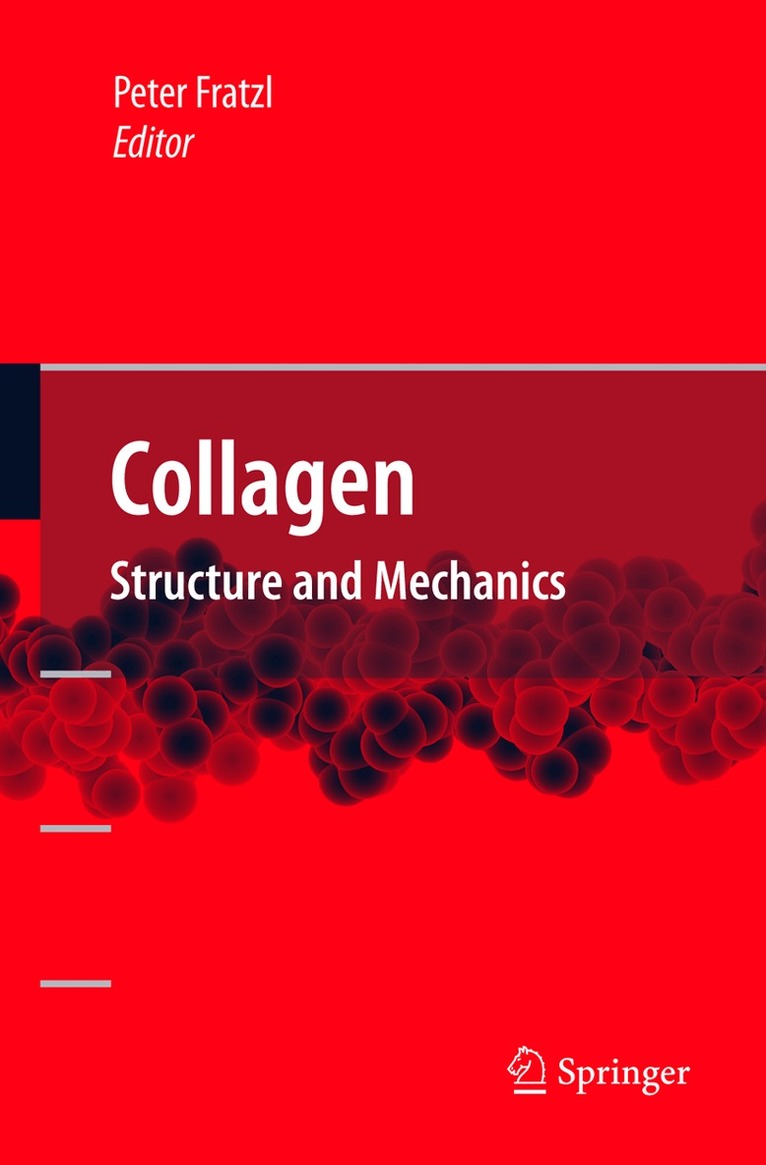
Provides a comprehensive review of research advances in collagen structure and mechanics. This book helps readers gain an understanding of the structure and mechanical behavior of type I collagen and collagen-based tissues in vertebrates across different length scales, from the molecular (nano) to the organ (macro) level.
2 248 kr
Skickas inom 5-8 vardagar
Collagen: Structure and Mechanics provides a cohesive introduction to this biological macromolecule and its many applications in biomaterials and tissue engineering.Graduate students and postdoctoral researchers in the fields of materials, (bio-)engineering, physics, chemistry and biology will gain an understanding of the structure and mechanical behavior of type I collagen and collagen-based tissues in vertebrates, across all length scales from the molecular (nano) to the organ (macro) level. Written in a clear and didactic manner, this volume includes current knowledge on the hierarchical structure, mechanical properties, in addition to a review of deformation and strengthening mechanisms.Collagen: Structure and Mechanics is an excellent reference for new researchers entering this area and serves as a basis for lecturing in the interdisciplinary field of biological materials science.
2 772 kr
Skickas inom 5-8 vardagar
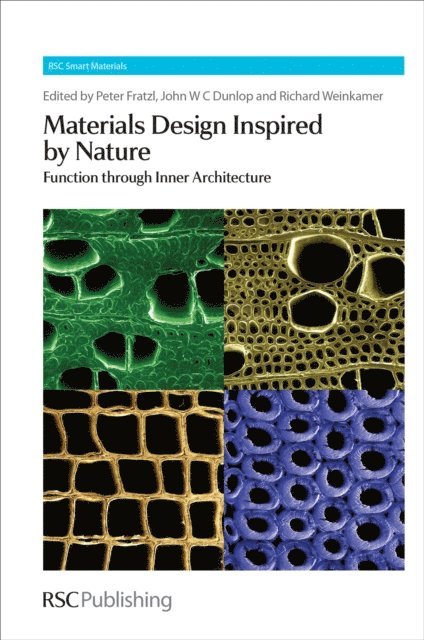
The inner architecture of a material can have an astonishing effect on its overall properties and is vital to understand when designing new materials. Nature is a master at designing hierarchical structures and so researchers are looking at biological examples for inspiration, specifically to understand how nature arranges the inner architectures for a particular function in order to apply these design principles into man-made materials. Materials Design Inspired by Nature is the first book to address the relationship between the inner architecture of natural materials and their physical properties for materials design. The book explores examples from plants, the marine world, arthropods and bacteria, where the inner architecture is exploited to obtain specific mechanical, optical or magnetic properties along with how these design principles are used in man-made products. Details of the experimental methods used to investigate hierarchical structures are also given.Written by leading experts in bio-inspired materials research, this is essential reading for anyone developing new materials.
1 964 kr
Skickas inom 10-15 vardagar
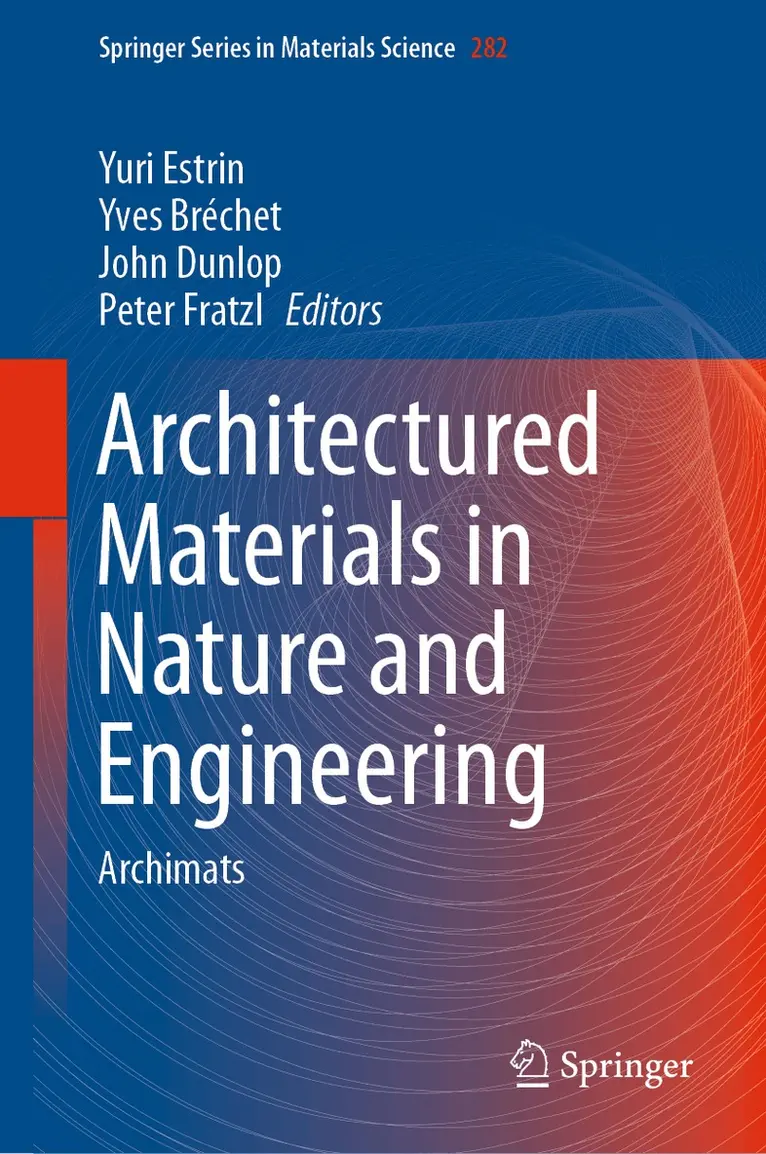
This book deals with a group of architectured materials. Through its 14 chapters, the book provides definitions and descriptions of the archetypes of architectured materials and addresses the various techniques in which theycan be designed, optimized, and manufactured.
1 770 kr
Skickas inom 5-8 vardagar
This book deals with a group of architectured materials. Through its 14 chapters, the book provides definitions and descriptions of the archetypes of architectured materials and addresses the various techniques in which theycan be designed, optimized, and manufactured.
939 kr
Skickas inom 3-6 vardagar
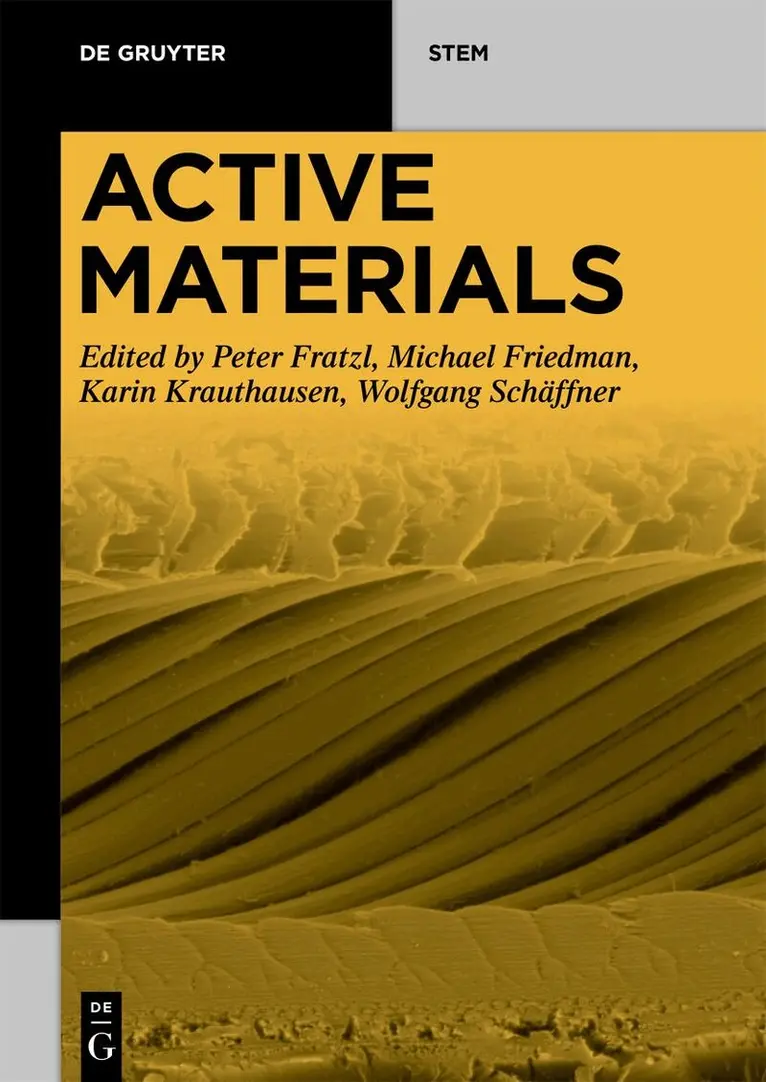
What are active materials? This book aims to introduce and redefine conceptions of matter by considering materials as entities that ‘sense’ and respond to their environment. By examining the modeling of, the experiments on, and the construction of these materials, and by developing a theory of their structure, their collective activity, and their functionality, this volume identifies and develops a novel scientific approach to active materials. Moreover, essays on the history and philosophy of metallurgy, chemistry, biology, and materials science provide these various approaches to active materials with a historical and cultural context. The interviews with experts from the natural sciences included in this volume develop new understandings of ‘active matter’ and active materials in relation to a range of research objects and from the perspective of different scientific disciplines, including biology, physics, chemistry, and materials science. These insights are complemented by contributions on the activity of matter and materials from the humanities and the design field. Discusses the mechanisms of active materials and their various conceptualizations in materials science. Redefines conceptions of active materials through interviews with experts from the natural sciences. Contextualizes, historizes, and reflects on different notions of matter/materials and activity through contributions from the humanities. A highly interdisciplinary approach to a cutting-edge research topic, with contributions from both the sciences and the humanities.
12 260 kr
Kommande
This book explores how biominerals fulfill a wide range of functions in living organisms. Foremost, they stiffen endo- and exoskeletons of many animals. The bone of vertebrates is a collagen-based organic matrix reinforced by calcium phosphate nanoparticles. Some vertebrates that lack a bony skeleton, such as sharks and rays, use calcium phosphate to form calcified tesserae covering the cartilaginous skeleton. Calcium carbonate and other minerals reinforce the exoskeleton of many crustaceans, not only for protection but also to provide efficient tools, such as the crab pincer. Sea shells are generally based on calcium carbonate, mainly calcite and aragonite. Unicellular algae often protect themselves with a mineral shell made of calcium carbonate (coccolithophores) or silica (diatoms). Silica is also the basis of the skeleton of some deep-sea sponges. Minerals may also have optical functions, such as the calcite lenses in the eyes of the brittlestar. Magnetic iron oxide particles allow bacteria to orient themselves in the Earth's magnetic field. And, of course, minerals are also a store of essential ions, to the point that mammalian bone is considered an endocrine organ that controls the homeostasis of calcium and phosphate, both ions that are essential for many cellular processes. All these diverse aspects are addressed in this work by world-renowned scientists. The three volumes are a valuable resource for researchers, scholars, and advanced students in disciplines such as geosciences, paleontology, evolutionary and developmental biology, ecology, physical chemistry, materials science, civil engineering, endocrinology, regenerative medicine, and many others.Volume 1: Evolution, Synthesis, Morphogenesis explores the fascinating world of biomineralization, where biology and geology meet to shape the natural world. From the earliest fossil biominerals to the intricate processes of crystal formation, this volume reveals how living systems build with minerals and how these processes have evolved over time. Key chapters examine the morphogenesis of biominerals, the role of classical and nonclassical crystallization pathways, and the structural importance of organic matrices such as chitin and collagen. With insights that bridge biology, chemistry, and materials science, the book uncovers both fundamental mechanisms and innovative concepts in crystal engineering. Rich in interdisciplinary perspectives, this volume offers a broad yet detailed view of the interactions between the geosphere and biosphere, making it an essential resource for researchers and students interested in evolution, mineralogy, and the science of life's building blocks.Volume 2: Calcium Carbonates focuses on calcium carbonate, one of nature's most versatile and widespread biominerals. This volume examines how organisms from mollusks to birds harness calcium carbonate to build shells, skeletons, and protective structures with remarkable precision and diversity. Chapters trace the molecular and cellular mechanisms behind mollusk and brachiopod shell formation, explore the contrasting strategies of octocorals and hexacorals, and reveal the morphodynamics that shape precious red coral. The volume also highlights calcite morphogenesis in coccolithophores — microscopic architects of the oceans — and uncovers the intricate processes that give rise to the avian eggshell. Bringing together perspectives from biology, chemistry, and earth sciences, this volume offers a detailed exploration of how calcium carbonate structures emerge, function, and evolve across species. It is an indispensable reference for researchers and students studying biomineralization, evolutionary biology, and the materials of life.Volume 3: Calcium Phosphate, Silica, Guanine delves into the remarkable diversity of biominerals beyond calcium carbonate, with a focus on calcium phosphate, silica, and guanine. This volume showcases how living systems create complex structures such as bones, teeth, diatom shells, plant silica bodies, and guanine crystals with precision and purpose. Topics include the hierarchical architecture and heterogeneity of bone, cutting-edge concepts such as polymer-induced liquid precursors in bone and tooth restoration, and bioinspired coatings for implants that harness nature's strategies for durability and integration. The volume also explores silica biomineralization in diatoms, plants, and sponges, highlighting the varied roles of hierarchical organization in shaping structure and function. A unique perspective on polyphosphate reveals its role at the intersection of mineralization, metabolism, and biomedical applications, while the final chapter investigates the formation of guanine crystals, essential for structural coloration in animals. Bridging biology, materials science, and medicine, this volume offers fresh insights into natural design principles and their applications in biomimetics and biomedicine. It is an essential resource for scientists and students interested in bone biology, nanomaterials, bioinspired engineering, and the expanding frontier of biomineral research.