Peter G. Stone – författare
Visar alla böcker från författaren Peter G. Stone. Handla med fri frakt och snabb leverans.
9 produkter
Constructed Past
Experimental Archaeology, Education and the Public
Av Philippe Planel, Peter G. Stone
Inbunden, 1999
3155 kr
Lägg i varukorg
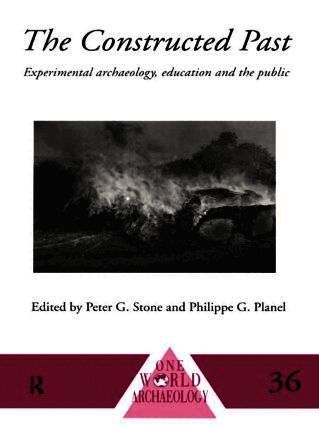
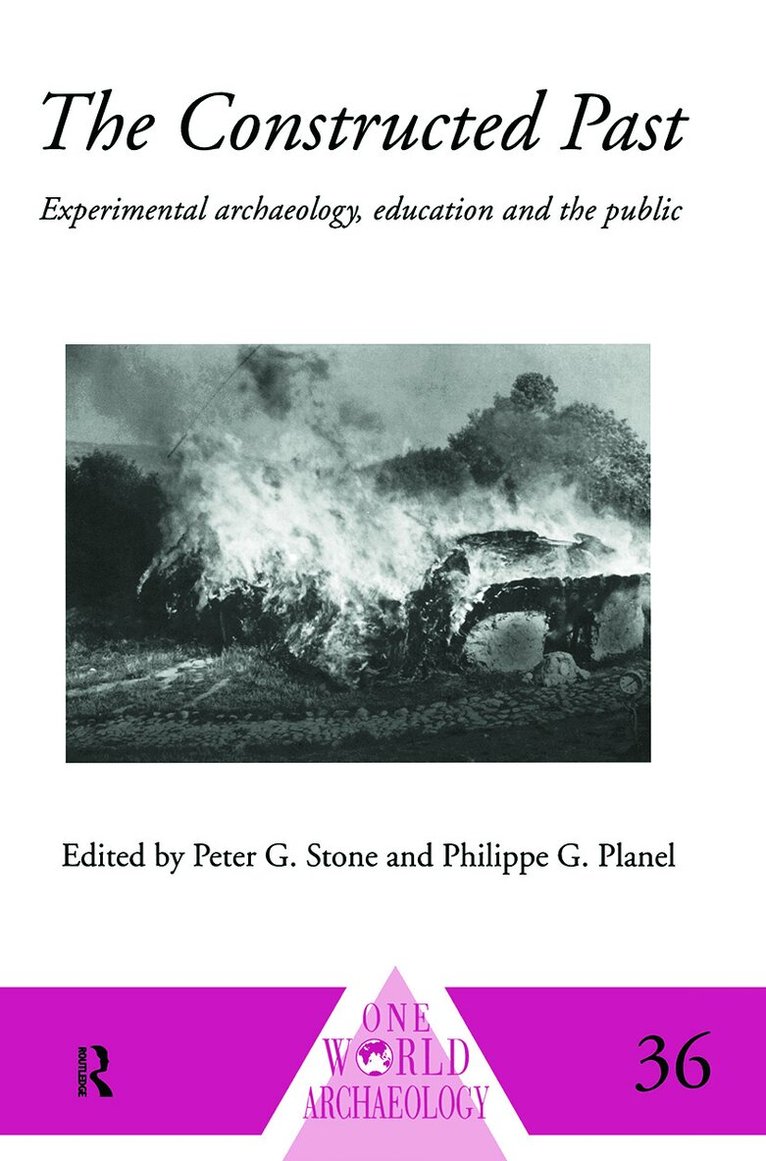
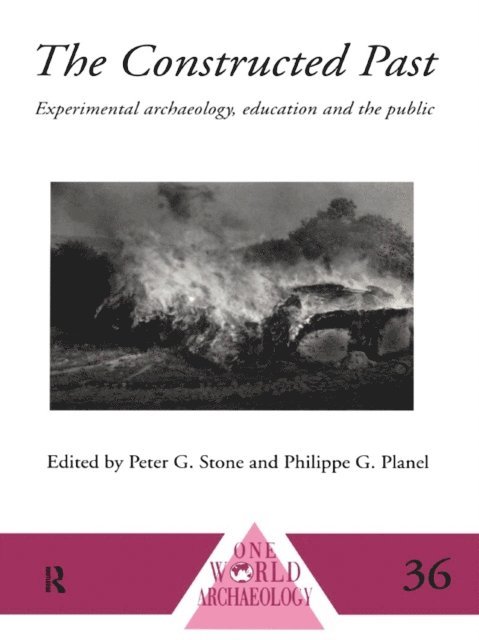
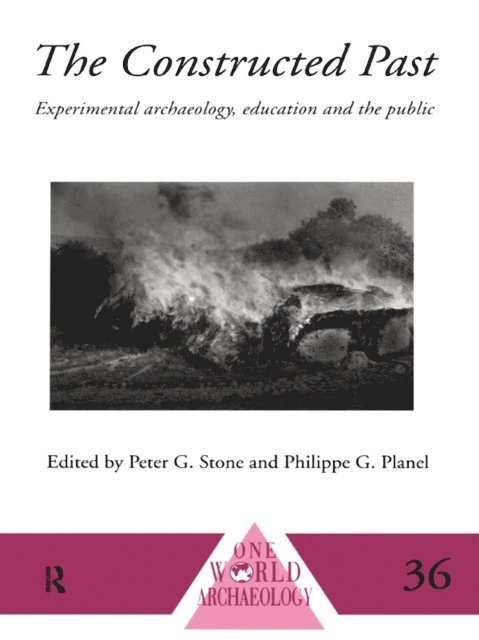
The Constructed Past presents group of powerful images of the past, termed in the book construction sites. At these sites, full scale, three-dimensional images of the past have been created for a variety of reasons including archaeological experimentation, tourism and education.Using various case …
Constructed Past
Experimental Archaeology, Education and the Public
Av Philippe Planel, Peter G. Stone
Häftad, 2012
921 kr
Lägg i varukorg
The Constructed Past presents group of powerful images of the past, termed in the book construction sites. At these sites, full scale, three-dimensional images of the past have been created for a variety of reasons including archaeological experimentation, tourism and education.Using various case …
Constructed Past
Experimental Archaeology, Education and the Public
Av Peter G. Stone, Philippe Planel
E-bok, 2003
1064 kr
Lägg i varukorg
The Constructed Past presents group of powerful images of the past, termed in the book construction sites. At these sites, full scale, three-dimensional images of the past have been created for a variety of reasons including archaeological experimentation, tourism and education. Using various case …
Constructed Past
Experimental Archaeology, Education and the Public
Av Peter G. Stone, Philippe Planel
E-bok, 2003
1088 kr
Lägg i varukorg
The Constructed Past presents group of powerful images of the past, termed in the book construction sites. At these sites, full scale, three-dimensional images of the past have been created for a variety of reasons including archaeological experimentation, tourism and education. Using various case …
Joseph H. Donohue, Appellant, V. City of San Jose. U.S. Supreme Court Transcript of Record with Supporting Pleadings
Av Joseph H. Donohue, Peter G. Stone
Häftad, 2011
302 kr
Lägg i varukorg
Managing, Using, and Interpreting Hadrian's Wall as World Heritage
Av Peter G. Stone, David Brough
Häftad, 2013
552 kr
Lägg i varukorg
Hadrian’s Wall was inscribed as a World Heritage Site (WHS) in 1987 and, with the German Limes, became one of the first two parts of the transnational ‘Frontiers of the Roman Empire’ (FRE) WHS in 2005. The World Heritage Site of Hadrian's Wall is unusual, although not unique, among World Heritage …
Managing, Using, and Interpreting Hadrian's Wall as World Heritage
Av David Brough, Peter G. Stone
E-bok, 2013
755 kr
Lägg i varukorg
Hadrian’s Wall was inscribed as a World Heritage Site (WHS) in 1987 and, with the German Limes, became one of the first two parts of the transnational ‘Frontiers of the Roman Empire’ (FRE) WHS in 2005. The World Heritage Site of Hadrian''s Wall is unusual, although not unique, among World Heritage …
Destruction of Cultural Heritage in Iraq
Av Peter G. Stone, Joanne Farchakh Bajjaly
Häftad, 2009
382 kr
Lägg i varukorg
An important study of the treatment of cultural property, and cultural heritage in general, in modern theatres of conflict.Winner of the 2011 James R. Wiseman Book Award.Discussion of the issues surrounding the destruction of cultural property in times of conflict has become a key issue for debate …
Cultural Heritage, Ethics, and the Military
Inbunden, 2011
1270 kr
Lägg i varukorg
Examines the ethical dilemma of whether, and how, archaeologists and other experts should work with the military to protect cultural property in times of conflict.The world reacted with horror to the images of the looting of the National Museum in Iraq in 2003 - closely followed by other museums …