Peter Gries - Böcker
Visar alla böcker från författaren Peter Gries. Handla med fri frakt och snabb leverans.
3 produkter
3 produkter
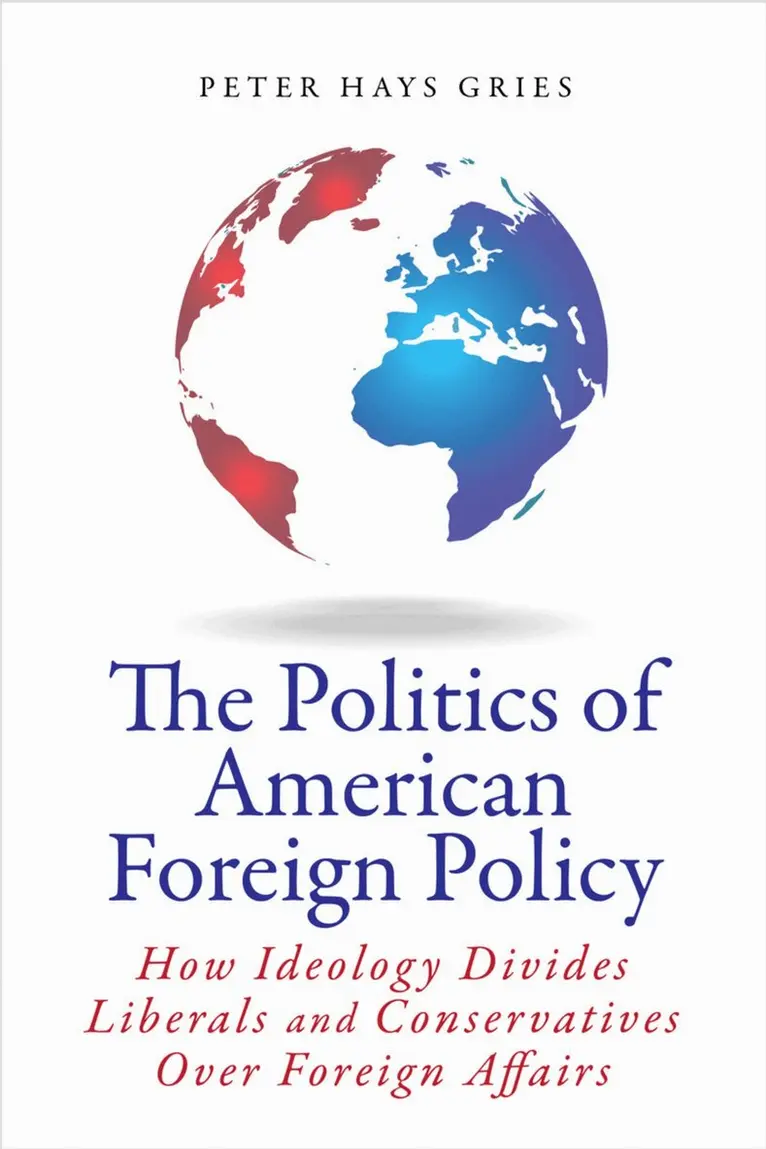
Politics of American Foreign Policy
How Ideology Divides Liberals and Conservatives Over Foreign Affairs
Inbunden, Engelska, 2014
1 270 kr
Skickas inom 7-10 vardagar
In this provocative book, Peter Gries directly challenges the widely held view that partisan elites on Capitol Hill are out of touch with a moderate American public. Dissecting a new national survey, Gries shows how ideology powerfully divides Main Street over both domestic and foreign policy and reveals how and why, with the exception of attitudes toward Israel, liberals consistently feel warmer toward foreign countries and international organizations, and desire friendlier policies toward them, than conservatives do. And because most Congressional districts have become hyper-partisan, many politicians today cater not to the "median voter" in their districts, but to the primary voters who elect them. The perverse incentives of the U.S. electoral system, therefore, are empowering the ideological extremes, contributing to elite partisanship over American foreign policy.The Politics of American Foreign Policy weaves seamlessly together in-depth examinations of the psychological roots and foreign policy consequences of the liberal-conservative divide, the cultural, socio-racial, economic, and political dimensions of American ideology, and the moral values and foreign policy orientations that divide Democrats and Republicans. Within this context, the book explores in detail why American liberals and conservatives disagree over US policy relating to Latin America, Europe, the Middle East, East Asia, and international organizations such as the UN.
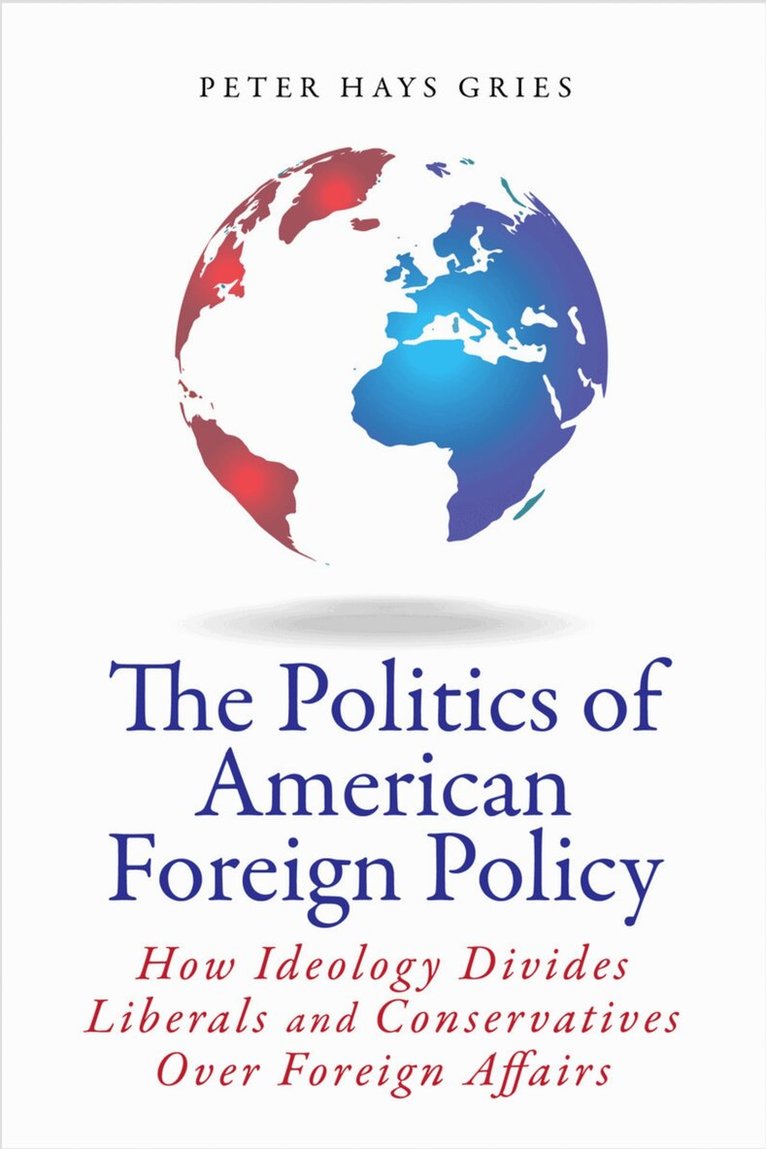
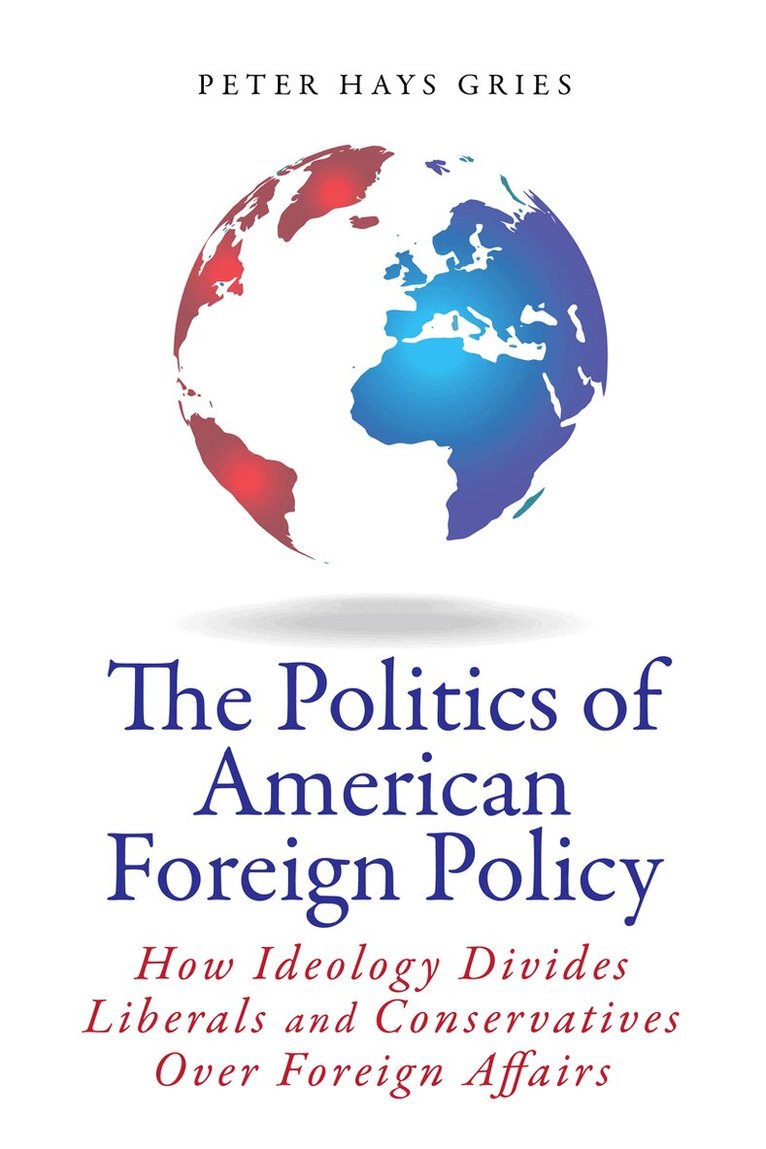
Politics of American Foreign Policy
How Ideology Divides Liberals and Conservatives Over Foreign Affairs
Häftad, Engelska, 2014
309 kr
Skickas inom 7-10 vardagar
In this provocative book, Peter Gries directly challenges the widely held view that partisan elites on Capitol Hill are out of touch with a moderate American public. Dissecting a new national survey, Gries shows how ideology powerfully divides Main Street over both domestic and foreign policy and reveals how and why, with the exception of attitudes toward Israel, liberals consistently feel warmer toward foreign countries and international organizations, and desire friendlier policies toward them, than conservatives do. And because most Congressional districts have become hyper-partisan, many politicians today cater not to the "median voter" in their districts, but to the primary voters who elect them. The perverse incentives of the U.S. electoral system, therefore, are empowering the ideological extremes, contributing to elite partisanship over American foreign policy.The Politics of American Foreign Policy weaves seamlessly together in-depth examinations of the psychological roots and foreign policy consequences of the liberal-conservative divide, the cultural, socio-racial, economic, and political dimensions of American ideology, and the moral values and foreign policy orientations that divide Democrats and Republicans. Within this context, the book explores in detail why American liberals and conservatives disagree over US policy relating to Latin America, Europe, the Middle East, East Asia, and international organizations such as the UN.
498 kr
Skickas inom 7-10 vardagar
In most parts of the world, globalization has become an unstoppable and potent force that impacts everday life and international relations. These articles in this book address the questions of how people make sense of and respond to globalization and its sociocultural ramifications; how people defend the integrity of their heritage cultural identities against the "culturally erosive" effects of globalization, and how individuals harness creative insights from their interactions with global cultures. The new theoretical insights and revealing empirical analyses presented in this issue set the stage for an emergent interdisciplinary inquirty into the psychology of globalization.